Episodes
Dr. Rhonda Patrick explains cardiac training, lactate-brain signaling, and an emerging exercise mechanism in cancer care.
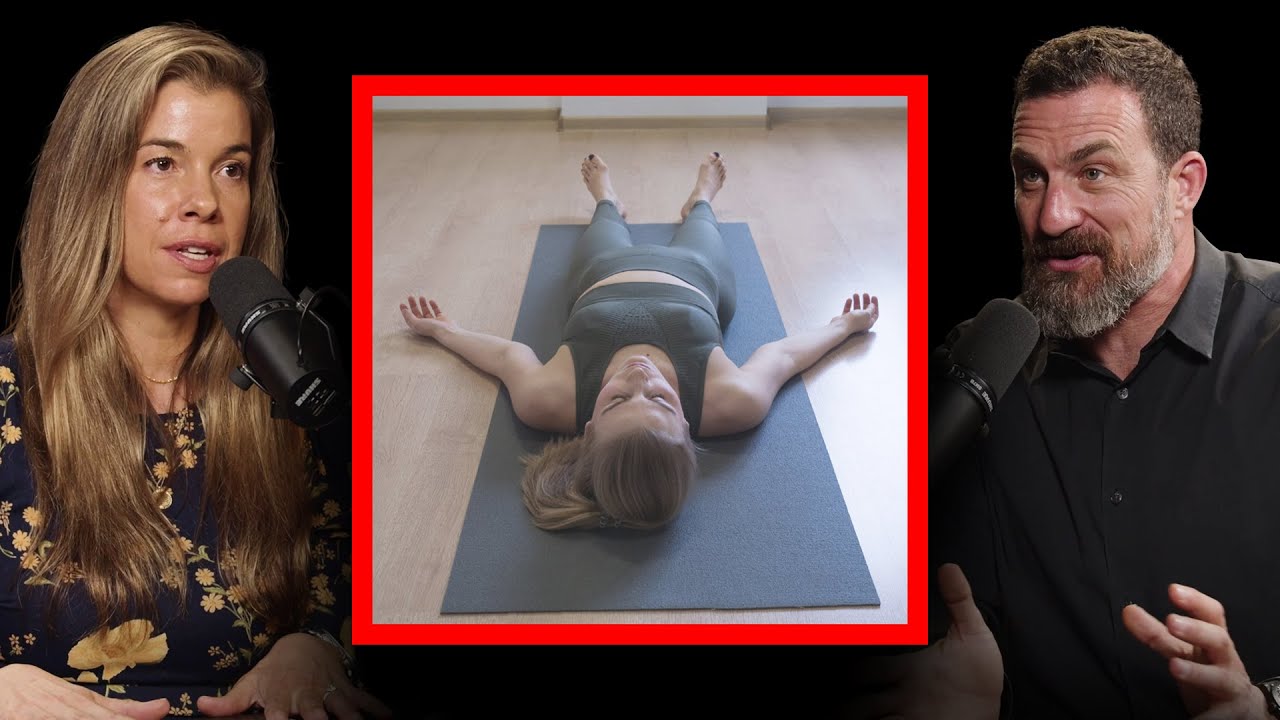
Dr. Rhonda Patrick and Dr. Andrew Huberman explain how non-sleep deep rest trains relaxation and may support recovery and learning.

Dr. Rhonda Patrick and Dr. Peter Attia explain how protein and resistance training work together to protect muscle and function with age.

Dr. Rhonda Patrick outlines how vigorous exercise, micronutrients, berries, and omega-3s can support memory and cognitive function.
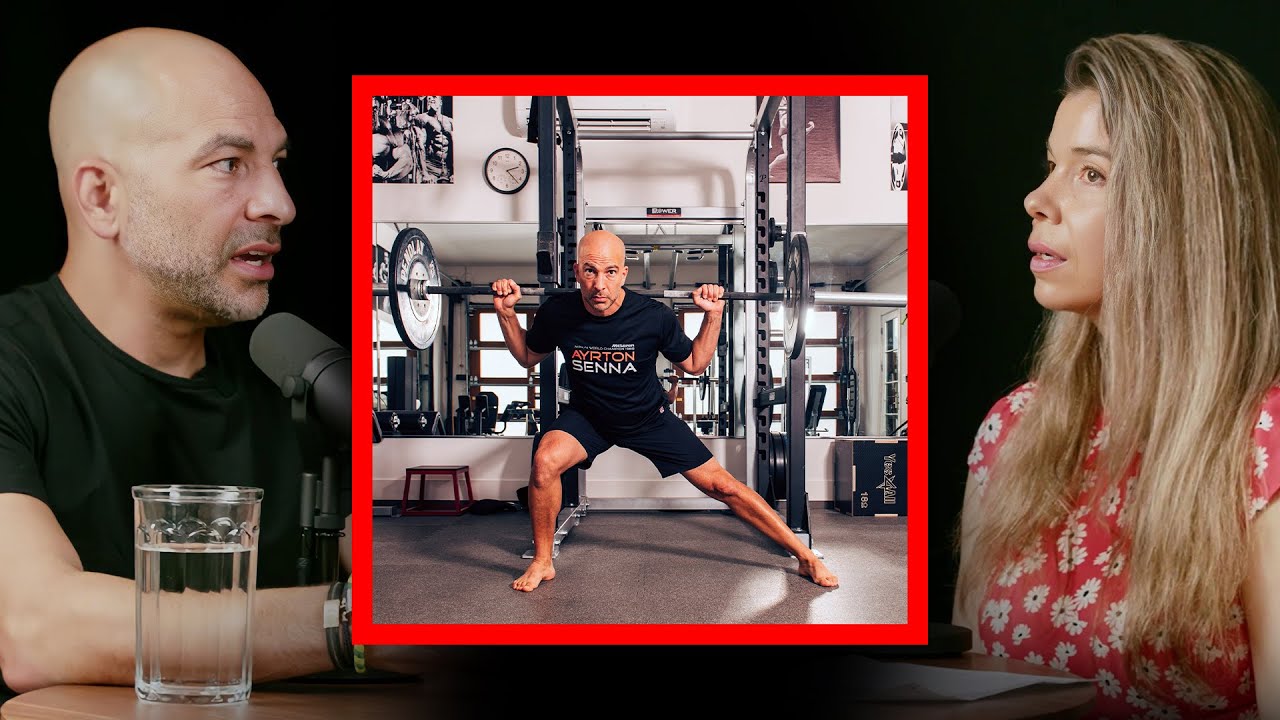
Dr. Peter Attia details his personal sleep, diet, exercise, supplement, and mental-health routine.
Drs. Rhonda Patrick and Mark Hyman discuss vitamin D, omega-3s, multivitamins, magnesium, and sulforaphane for nutrient coverage.
Dr. Rhonda Patrick compares interval protocols for improving VO2 max and describes how sustained training can reshape heart function.
Dr. Benjamin Levine explains how endurance and strength training protect cardiac function, blood vessels, and aerobic capacity with age.
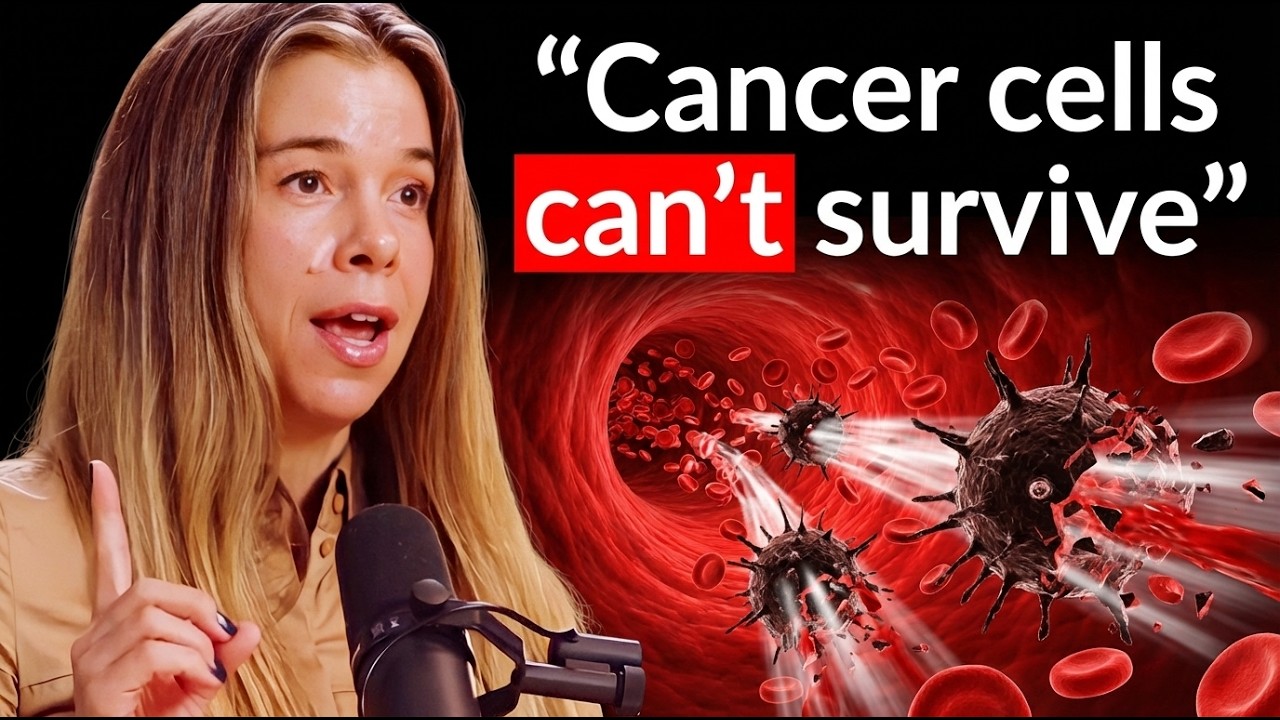
Dr. Rhonda Patrick and Brady Holmer examine how exercise-driven shear stress supports artery function and may damage circulating tumor cells.
Dr. Peter Attia explains cumulative ApoB exposure, four causal risks, numeric targets, diet mechanisms, and variable response.
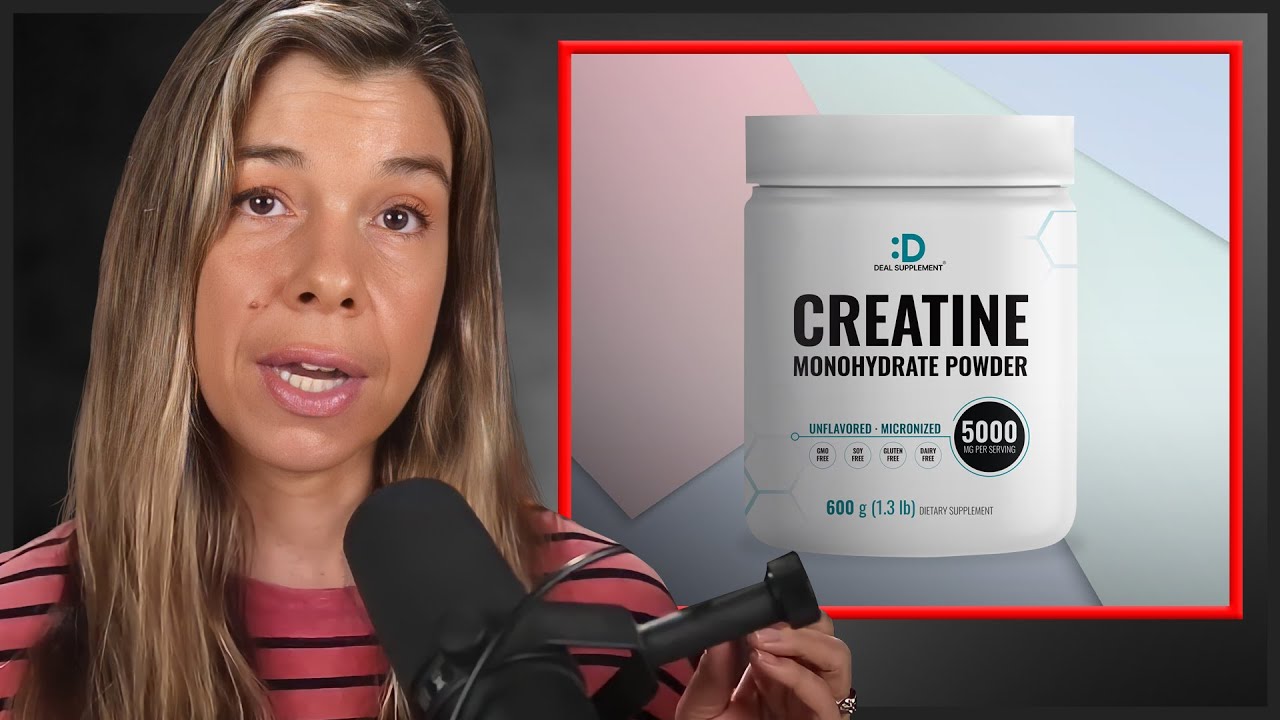
Dr. Rhonda Patrick reviews creatine for performance, recovery, healthy aging, dosing, safety, kidney concerns, and hair-loss claims.
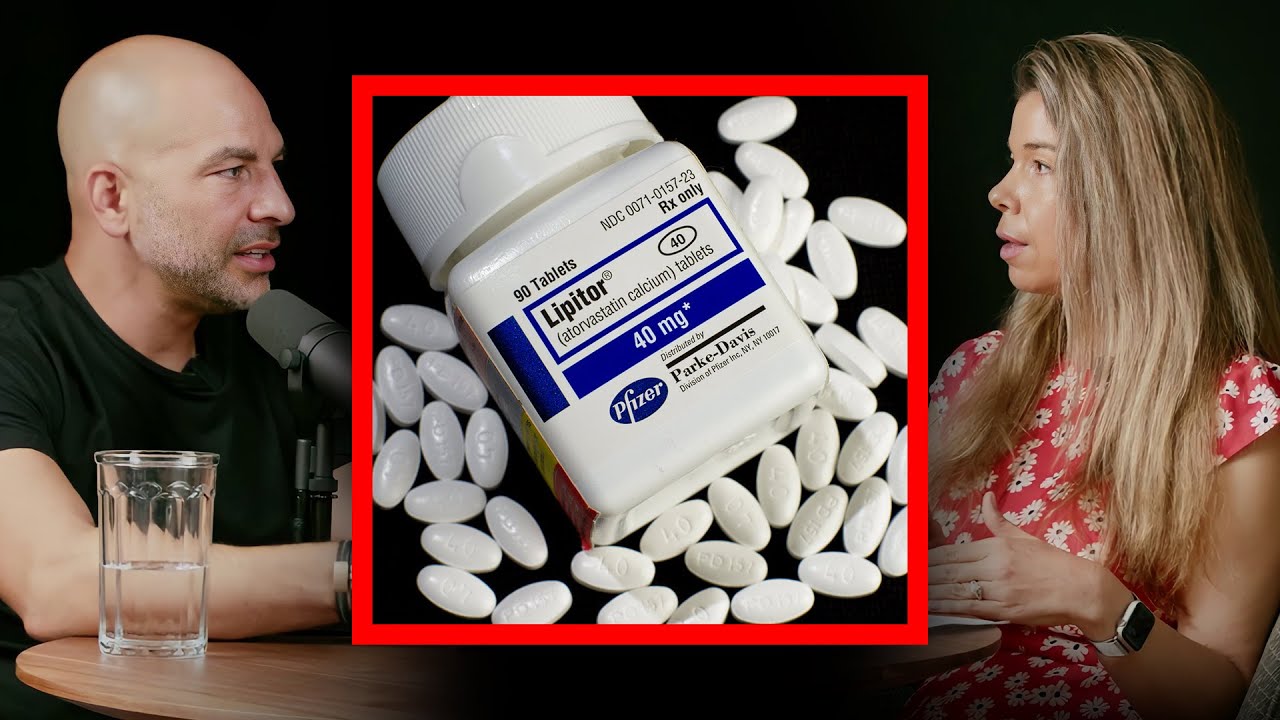
Dr. Peter Attia explains statin benefits, blinded symptom evidence, cognition limits, Zone 2 testing, and nonstandard sterol monitoring.
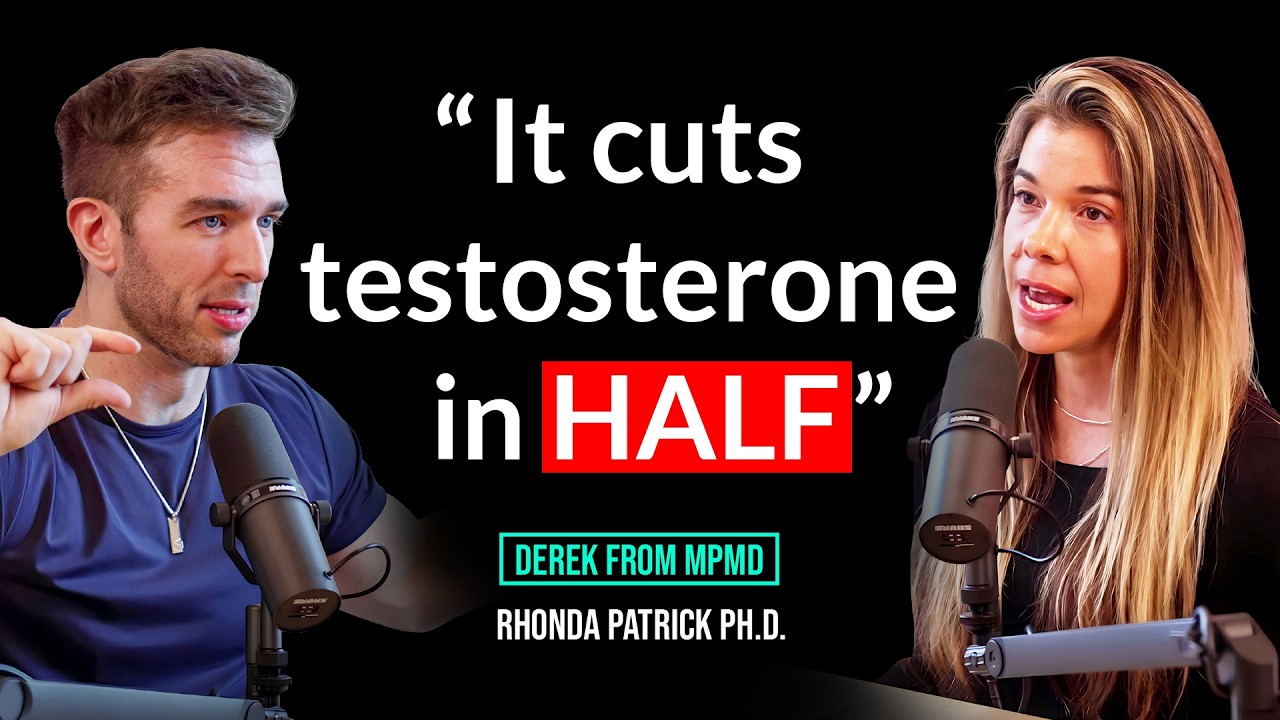
Derek discusses obesity, weight loss, and other lifestyle factors that may influence testosterone physiology.
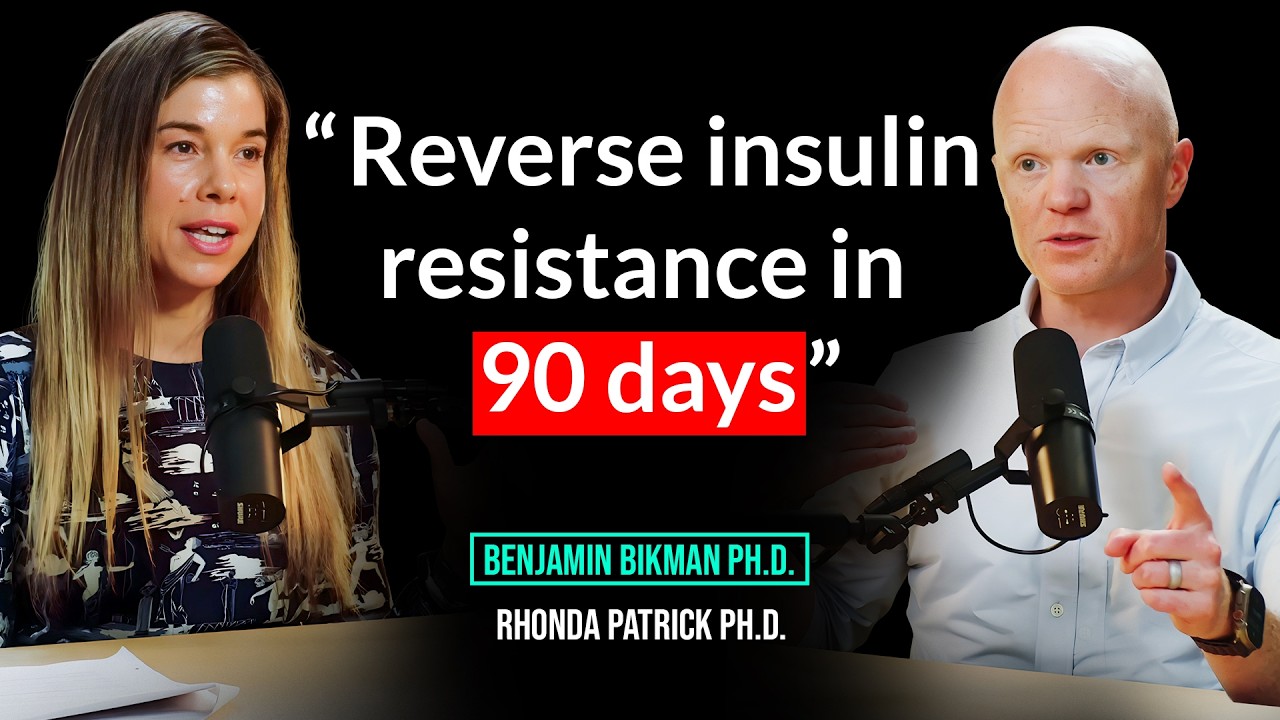
Drs. Ben Bikman and Rhonda Patrick explain how diet, post-meal activity, eggs, and vinegar can influence blood glucose.

Dr. Rhonda Patrick and Brady Holmer discuss vigorous exercise, glucose transport, lactate signaling, and mitochondrial adaptation.
View our episode archive.