Episodes
Dr. Rhonda Patrick compares saturated fats, food structure, and dietary substitutions that influence LDL and cardiovascular risk.
Dr. Rhonda Patrick reviews seven habits that may influence inflammatory pathways, with limits on disease and biomarker claims.

Dr. Peter Attia explains symptom-based TRT trials, his dosing practice, blood-pressure monitoring, and updated CV safety evidence.
Dr. Rhonda Patrick outlines cancer-risk habits involving tobacco, body composition, activity, diet, alcohol, and vitamin D.
Dr. Rhonda Patrick separates exposure reduction from limited evidence on metabolism and excretion of plastic-associated chemicals.

Dr. Rhonda Patrick compares sauna types and describes a small study of whole-body hyperthermia plus CBT for depression.
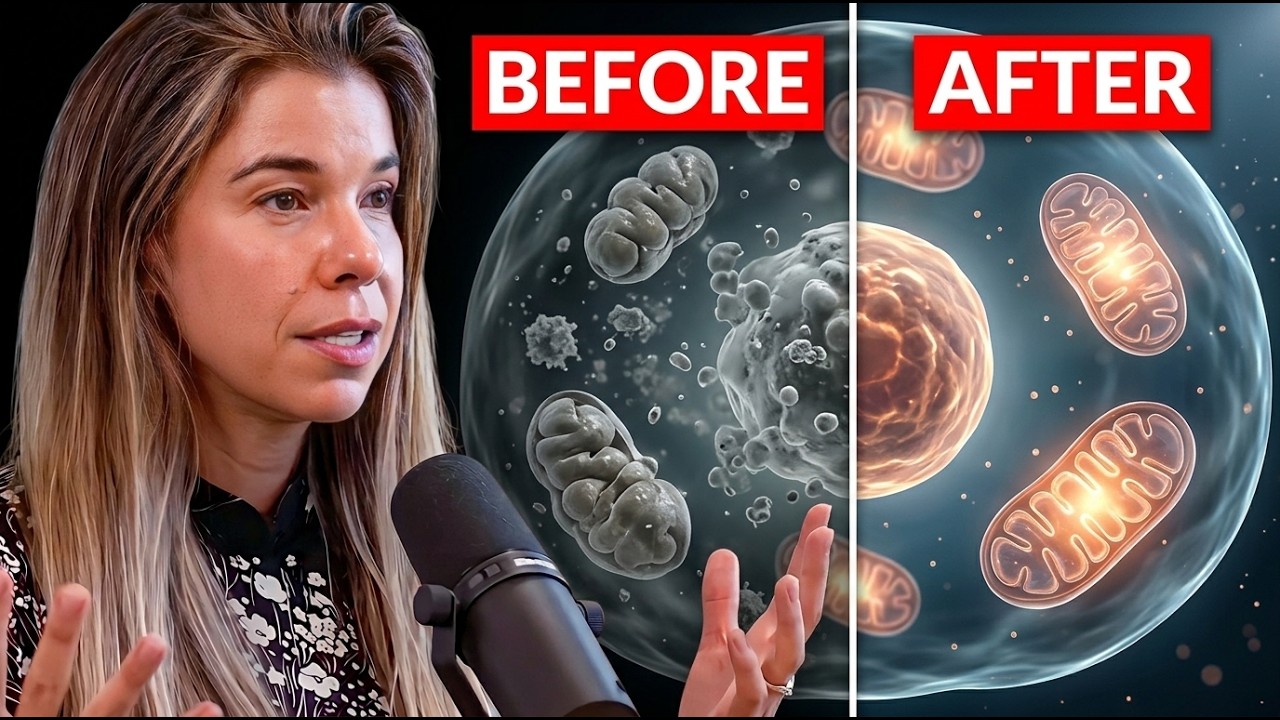
Dr. Rhonda Patrick discusses ubiquinol and mitochondrial function, sulforaphane and NRF2 signaling, and urolithin A and mitophagy.

Dr. Benjamin Levine explains why resting-heart-rate trends can be more actionable than uncontrolled wearable HRV readings for recovery.
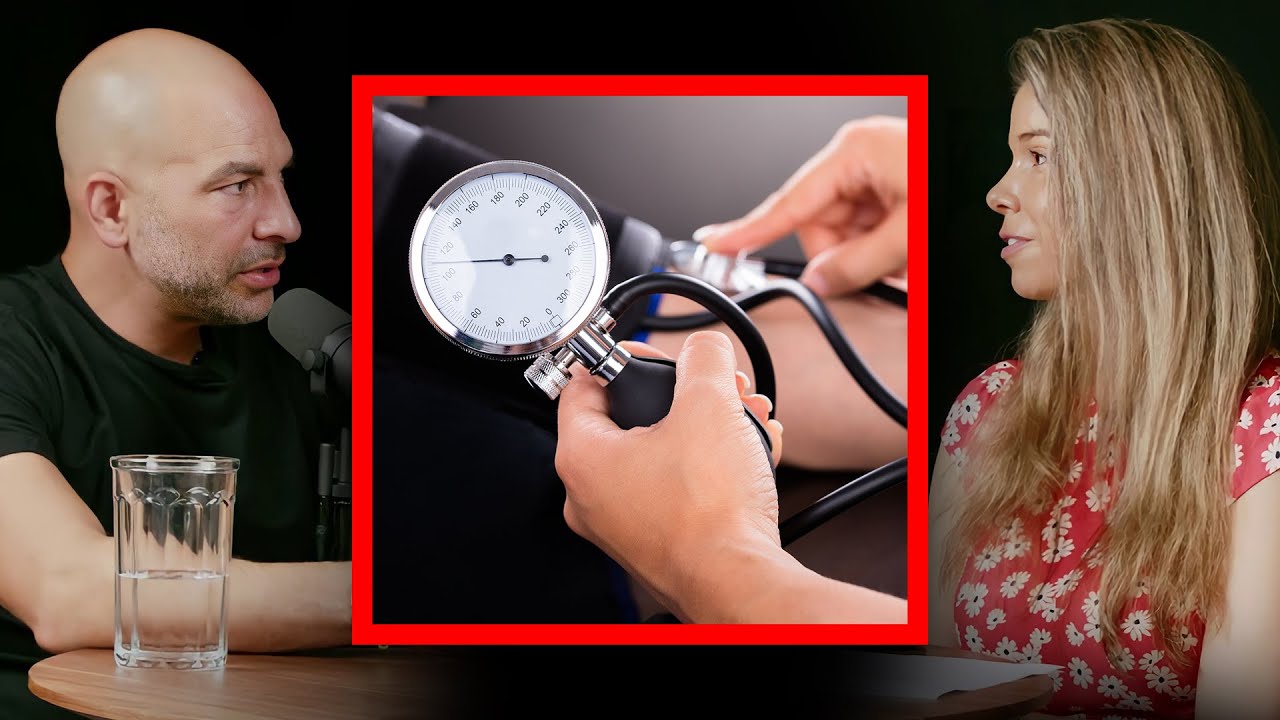
Dr. Peter Attia explains a two-week home blood-pressure protocol and separates trial evidence from mechanisms and anecdotes.
Dr. Rhonda Patrick explains how VILPA and movement breaks complement structured exercise and support glucose control and cardiorespiratory fitness.
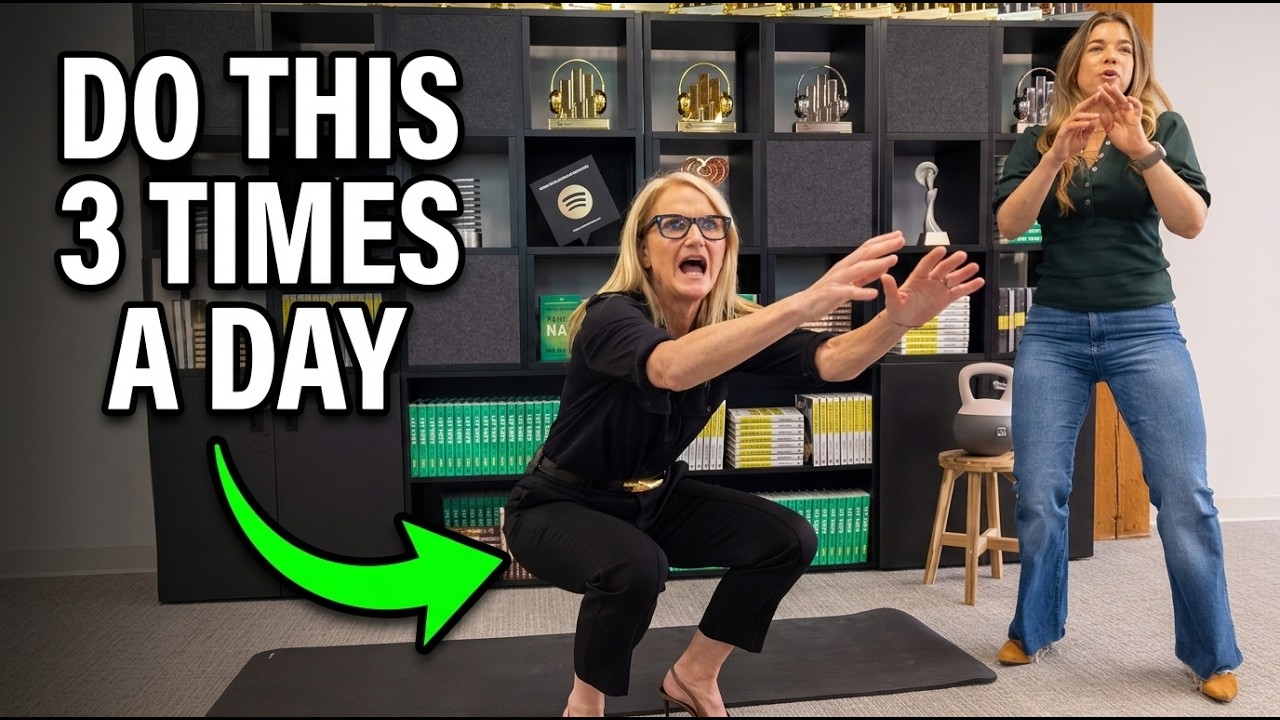
Dr. Rhonda Patrick describes brief vigorous lifestyle activity, including stairs and squats, and reports mortality associations in non-exercisers.
Kelly Starrett explains simple tests for hip flexion and extension, from the sit-and-rise test to the couch stretch.
Dr. Rhonda Patrick explains how vigorous intervals can raise VO2 max and how sustained training can reduce cardiac stiffness.
Dr. Rhonda Patrick explains creatine dosing for muscle performance and explores brain energy and cognition during severe sleep deprivation.
Dr. Ben Bikman and Dr. Rhonda Patrick discuss how berberine, vinegar, and ketones influence glucose regulation and metabolic signaling.
View our episode archive.