Episodes
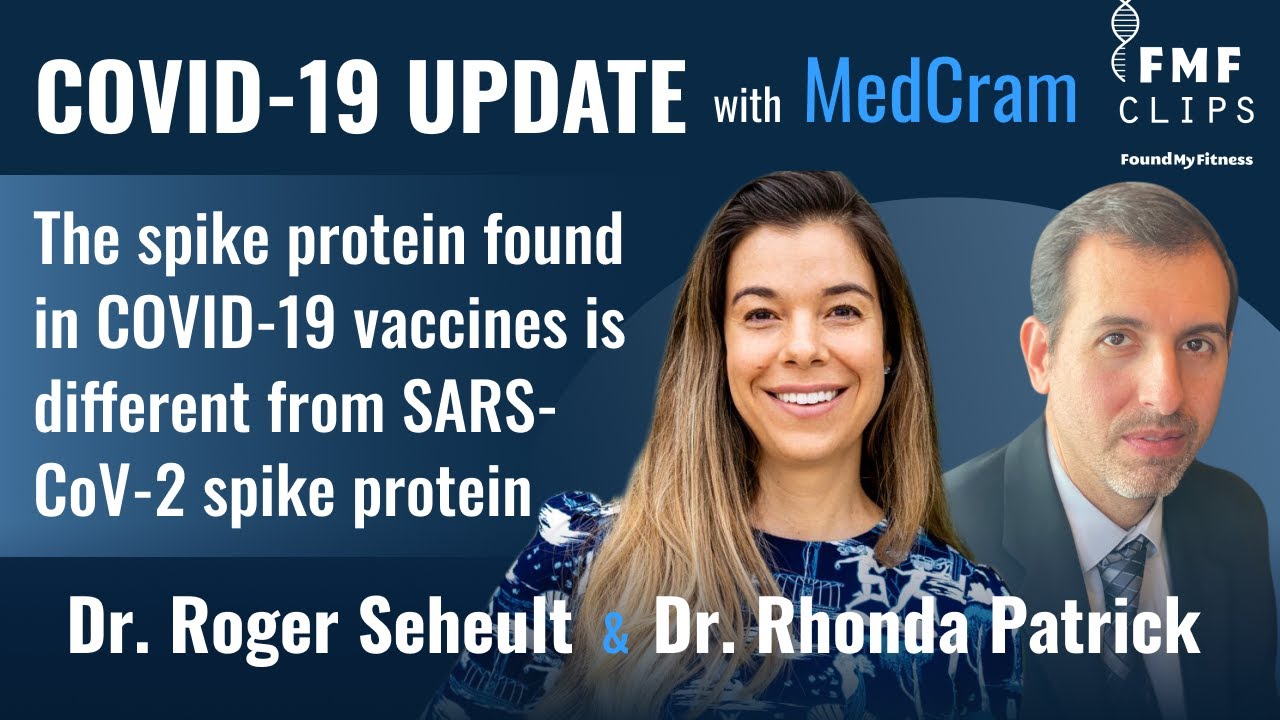
In this clip, Dr. Rhonda Patrick describes what distinguishes viral spike proteins from vaccine-related spike proteins.
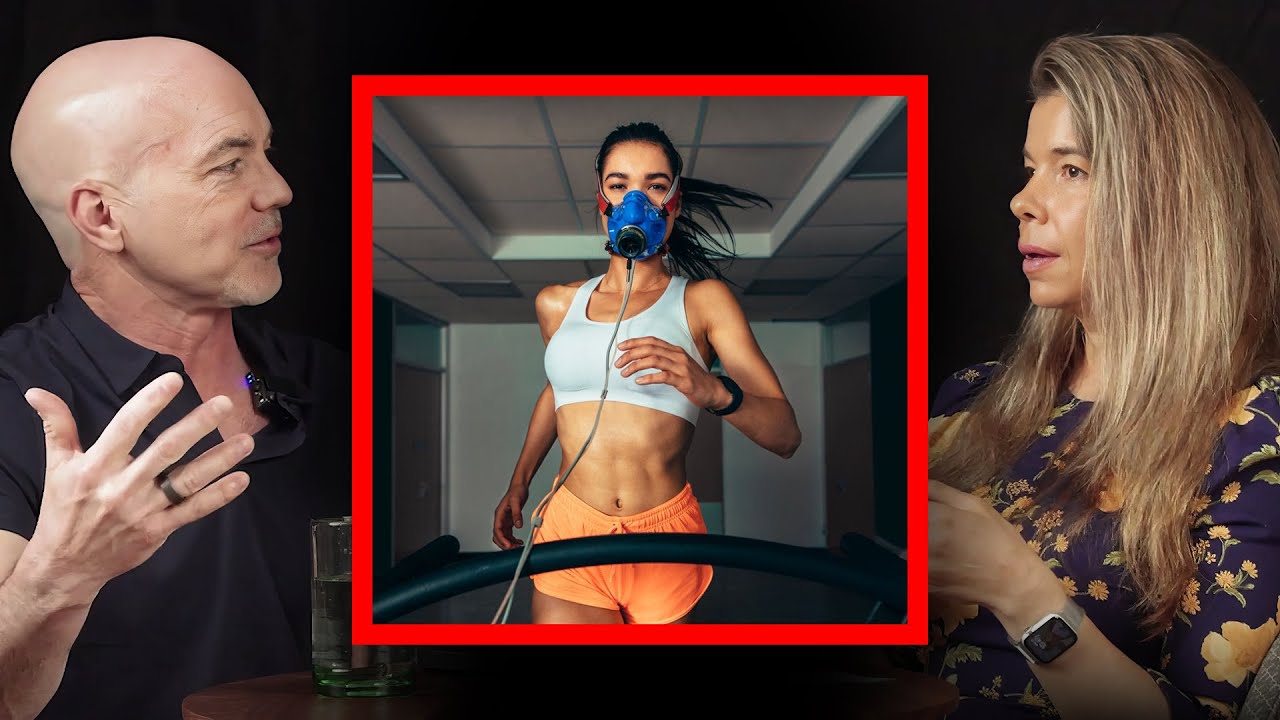
Dr. Martin Gibala explains how exercise intensity, training dose, and baseline fitness influence VO2 max improvements.
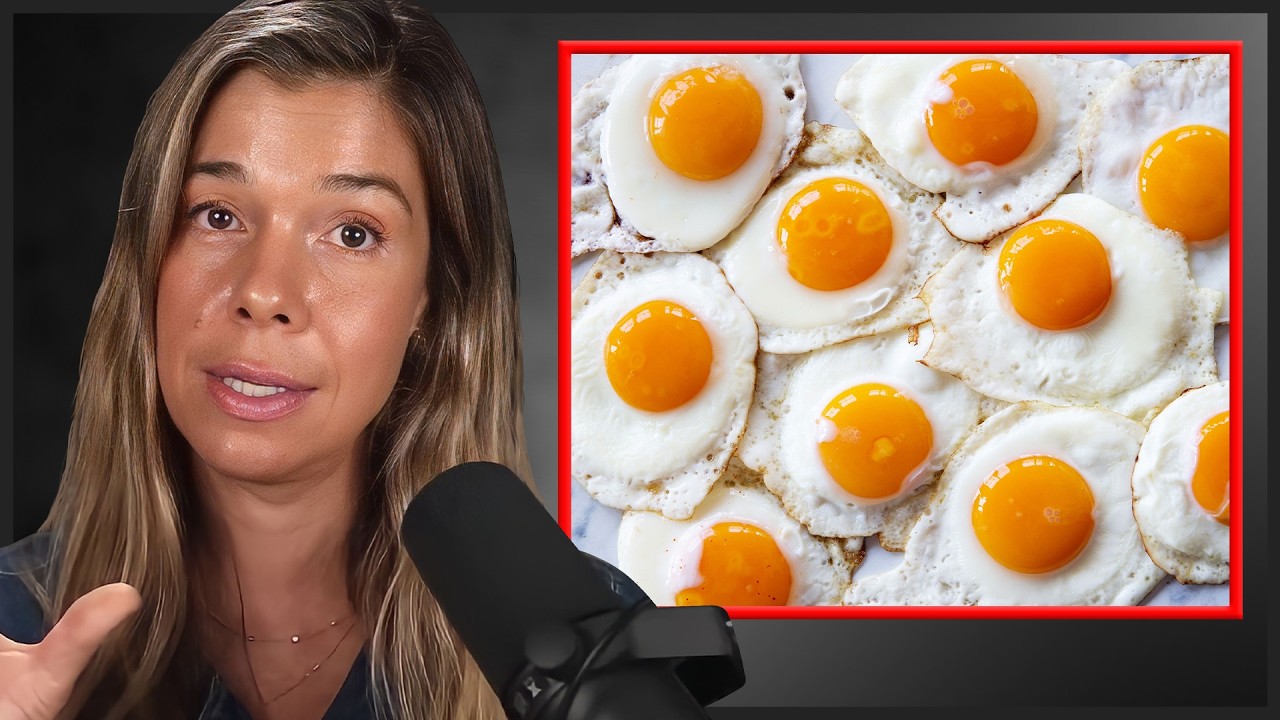
Dr. Rhonda Patrick weighs egg nutrients, lipid responses, and conflicting observational cardiovascular evidence against intervention data.
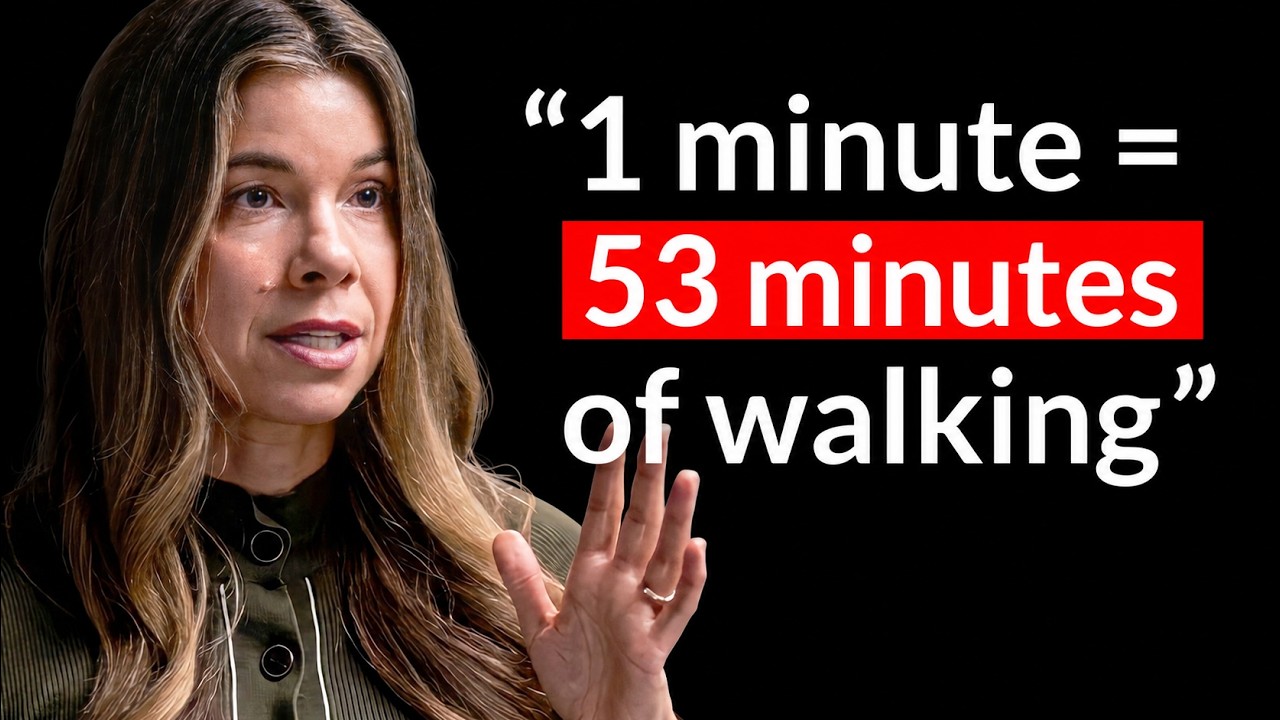
Dr. Rhonda Patrick compares daily steps with vigorous activity and explains how both support cardiovascular and metabolic health.
Dr. Rhonda Patrick describes some of the different types of fasting and identifies the advantages associated with each.
Dr. Andy Galpin compares beetroot, citrulline, and arginine for nitric oxide support, exercise performance, timing, and tolerability.
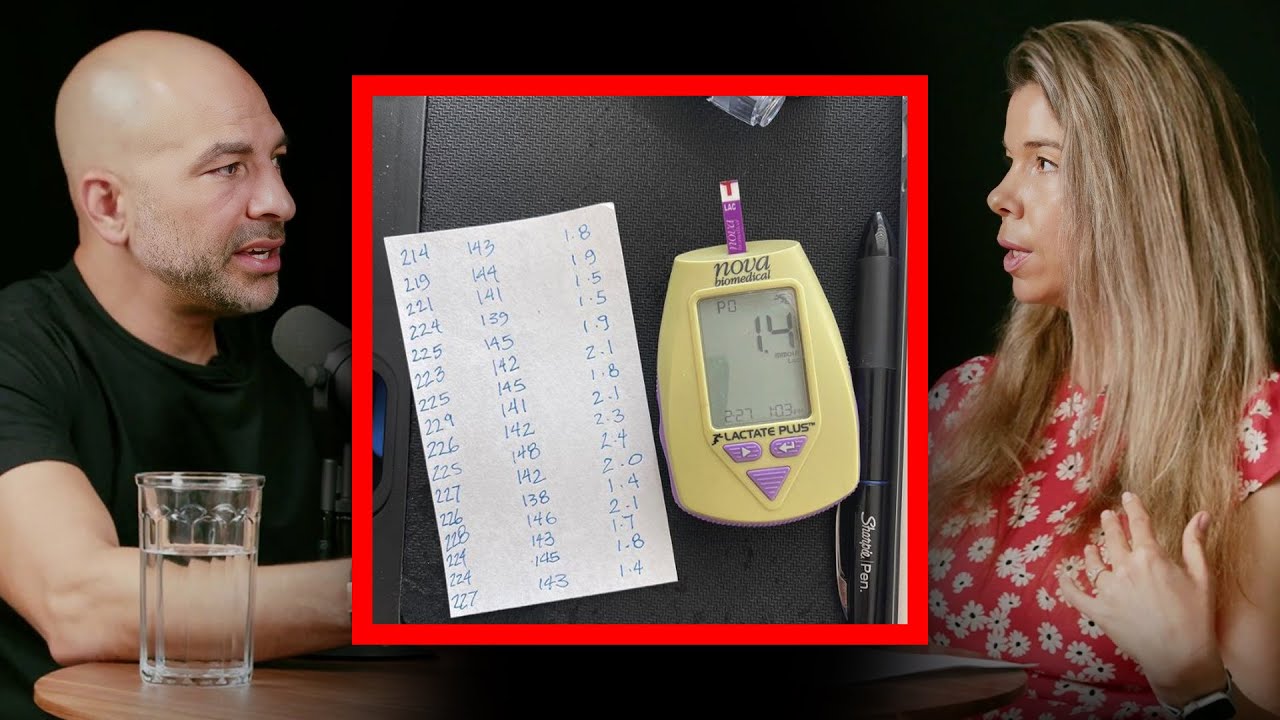
Dr. Peter Attia explains how lactate, heart rate, perceived effort, and the talk test can help identify Zone 2 exercise.
Dr. Andy Galpin discusses how ventilation, nasal breathing, and bedroom conditions influence sleep quality.

Dr. Rhonda Patrick explains lactate transport, brain fuel and antioxidant pathways, TBI research, and emerging vascular signaling.
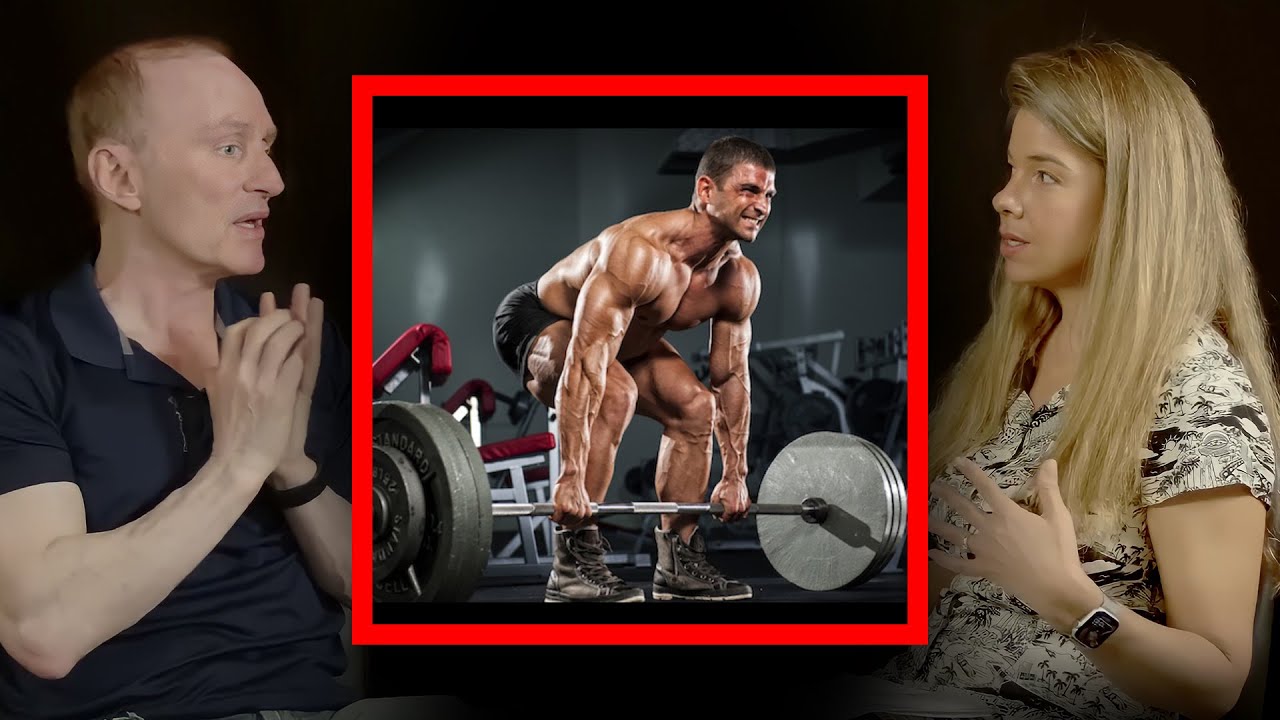
Dr. Brad Schoenfeld explains how training load, effort, proximity to failure, and weekly volume shape muscle growth.
Dr. Rhonda Patrick compares beta-glucan and psyllium for LDL and reviews early human research on serum PFAS.

Dr. Rhonda Patrick reviews egg nutrients, substitution bias, lipid trials, ApoB response, diabetes, and practical intake.
Dr. Rhonda Patrick examines how exercise may lower cancer risk and support treatment, recovery, and long-term survival.
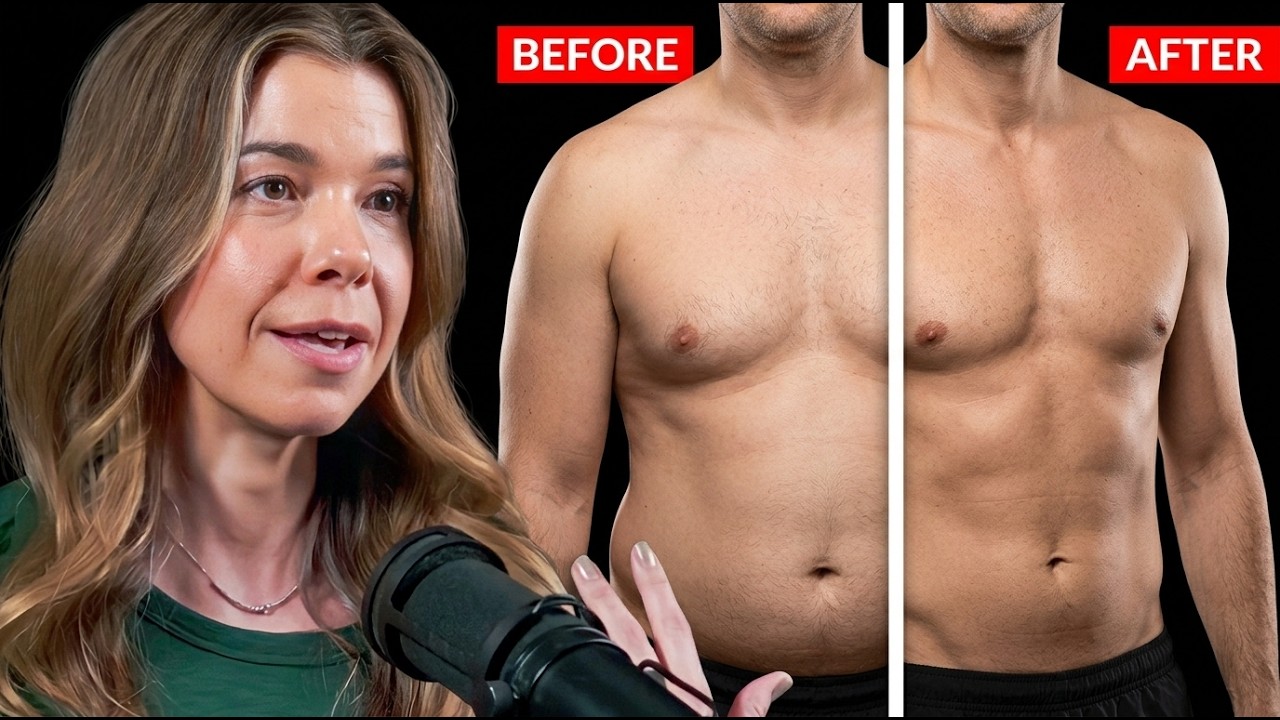
Dr. Rhonda Patrick explains how exercise, energy balance, sleep, menopause, and time-restricted eating relate to visceral fat.
Dr. Rhonda Patrick discusses how vigorous intervals can improve VO2 max and how a two-year program changed heart stiffness.
View our episode archive.