A new randomized controlled trial compared a regimen of cutting calories on just 3 nonconsecutive days a week—a modified form of intermittent fasting—with standard daily calorie restriction over a full year.
The results?
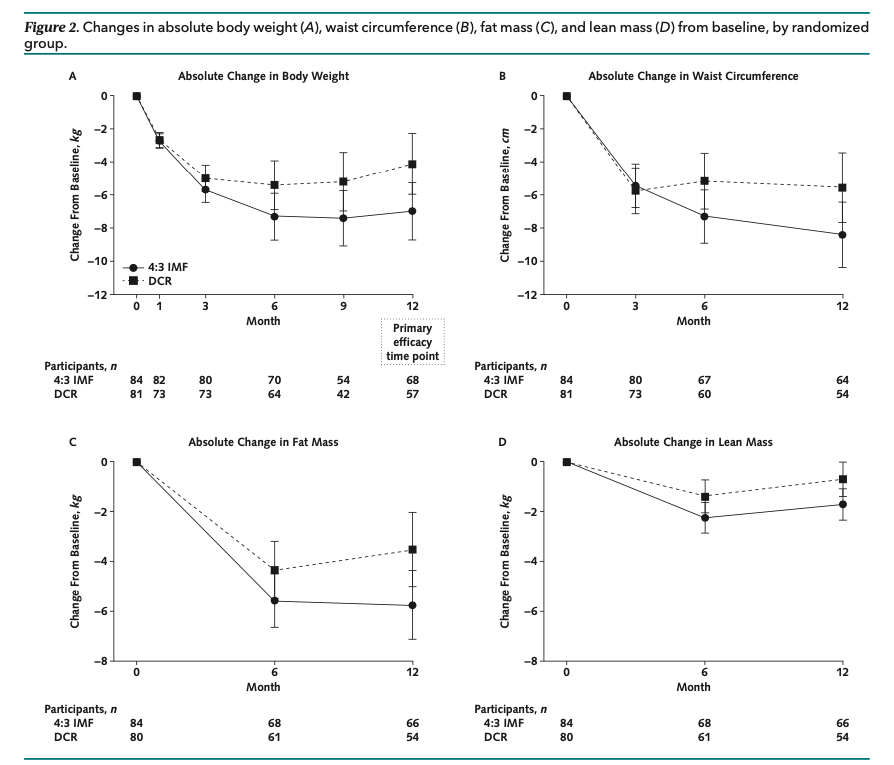
While body weight and cardiometabolic risk factors improved in both groups, intermittent fasting was more effective for improving body weight, BMI, insulin sensitivity, and fat mass than daily calorie restriction.
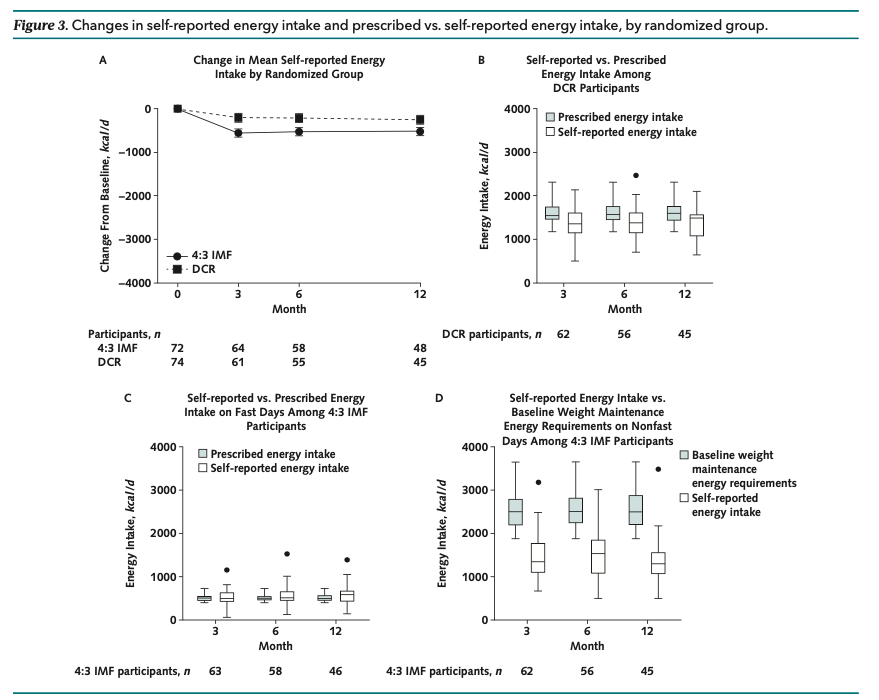
There was one caveat: The modified fasting group reduced their daily energy intake more—cutting their calories by around 160 per day compared to 90 in the daily calorie restriction group.
These findings suggest that modified forms of intermittent fasting can be more effective than daily calorie restriction, especially for weight management and metabolic health—challenging the notion that intermittent fasting strategies are merely trendy or unsustainable.
Structured fasting protocols appear not only effective but potentially optimal for meaningful long-term health improvements, likely due to their high adherence rate.
But fasting is just one approach to weight loss and health, and while beneficial, it's not for everyone. In today’s email, we’ll explore the science of fasting and what this new study means for how we think about approaching weight loss and metabolic health.
You just missed this in your inbox
Every week, Dr. Rhonda Patrick and the FoundMyFitness team distill the latest research into clear, actionable insights on health, longevity, and performance, delivered free to your inbox.
The Benefits—and Risks—of Intermittent Fasting
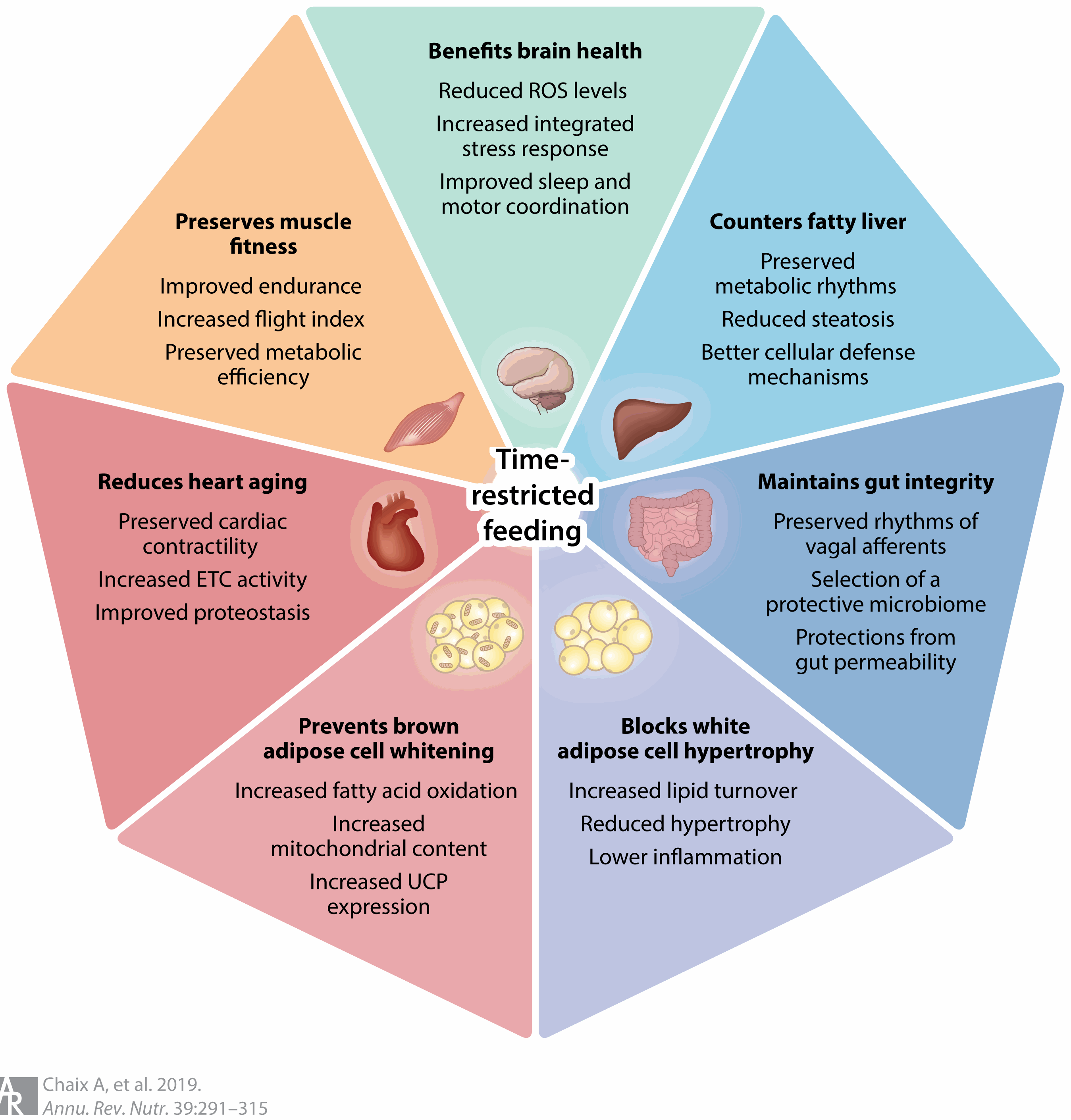
My thoughts on fasting—and those of the health space in general—have evolved over the years. I've chatted extensively about the benefits of fasting with previous podcast guests like Valter Longo (who appeared most recently on episode #42) and Mark Mattson (who appeared on episode #66). They advocate periodic fasting for cellular rejuvenation and longevity and their research has highlighted numerous benefits of fasting, which include:
-
Extended lifespan and healthspan: Animal research demonstrates up to a 40% increase in lifespan with calorie restriction.
-
Reduced age-related diseases: Fasting reduces the risk of diabetes, cardiovascular disease, and neurodegenerative diseases; improves insulin sensitivity and overall metabolic health; and lowers cancer incidence.
-
Metabolic health: Fasting promotes a shift from glucose metabolism to fat burning, improving so-called metabolic flexibility. It also enhances glucose regulation, improves insulin sensitivity, and promotes ketone body production by the liver.
-
Neuroprotection and cognitive function: Fasting increases the production of BDNF, a neuroprotective molecule that aids in neuroplasticity, memory, and learning. The benefits of fasting also extend to protection against neuronal dysfunction and neurodegenerative diseases like Alzheimer's and Parkinson's disease.
-
Cancer prevention and treatment: Fasting makes cancer cells more vulnerable to chemotherapy while protecting healthy cells—enhancing cancer treatment efficacy and reducing side effects. It does this by exploiting cancer cells' reduced flexibility that results from mutations in growth signaling pathways like IGF-1.
-
Hormesis and cellular adaptation: Fasting activates ancient survival pathways that thrive during intermittent, mild stressors like fasting. This enhances our body's resilience to oxidative damage, metabolic stress, and toxic environmental exposure.
-
Renewal and repair: Prolonged fasting triggers autophagy (cellular recycling) and apoptosis, clearing damaged cellular components. There's also an uptick in stem cell activity and a regeneration of immune cells after fasting cycles.
There’s another benefit of fasting that doesn't get enough attention: its practicality and sustainability. Research consistently shows that fasting (and time-restricted eating) have higher adherence compared to chronic calorie restriction. This means the lifestyle (and its benefits) can persist for several years or more.
However, fasting (when it's prolonged) also carries some risks—elevating the potential for muscle mass loss, particularly in older adults and people who aren't performing resistance training. Severe caloric restriction, whether in the context of intermittent fasting or not, can cause some women to lose their menstrual cycle or stop ovulating—but this appears to happen when calories are slashed dramatically for a long period of time. Unless women (or men) are severely limiting their calorie intake and performing extreme endurance exercise simultaneously, some form of daily time-restricted eating or even the occasional 24-hour or prolonged fast is probably safe.
According to experts like Dr. Stuart Phillips, the main "downside" of fasting may be related to muscle loss—without adequate muscle reserve built when young and preserved when old, we more quickly reach a "disability threshold." Check out this clip where he shares his thoughts on the limits of extrapolating animal research on fasting to humans and why he's cautious about fasting for long-term health.
In my opinion, time-restricted eating is a good daily practice for everyone. Full-on fasting—skipping one or more meals during the day—is likely not necessary for normal weight people to do on a daily basis.
But for some people, meal skipping or simply limiting calories on just a few days per week can be an effective way to lose weight without compromising muscle mass. A new study tested this form of modified fasting and its effects on weight loss and other metabolic health outcomes. The results were promising.
 Mitochondrial bioenergetics
Yamanaka factors
Exercise intensity
Cell reprogramming
Blood-brain barrier
Epigenetic age deceleration
Stress resistance
Cardiorespiratory fitness
Nutritional ketosis
Compression of morbidity
CpG Islands
Lactate shuttle
Whole-body hyperthermia
Psychology of grit
Telomerase reverse transcriptase (TRT)
Chronic inflammation
Disease prevention
Therapeutic hyperthermia
Pathogen-host defense theory
Cell signaling
Proteostasis
Cellular senescence
CRISPR-Cas9
Aging
PGC1α
Overcoming adversity
Increased healthspan
Gene–diet interaction
Biology of resilience
Immune-brain interaction
Neuroendocrine effects
Heat Shock Proteins (HSPs)
Oxidative stress
Vitamin D
Omega-3 fatty acids
β-Hydroxybutyrate (BHB)
GLUT4
Pregnancy optimization
Mitochondrial bioenergetics
Yamanaka factors
Exercise intensity
Cell reprogramming
Blood-brain barrier
Epigenetic age deceleration
Stress resistance
Cardiorespiratory fitness
Nutritional ketosis
Compression of morbidity
CpG Islands
Lactate shuttle
Whole-body hyperthermia
Psychology of grit
Telomerase reverse transcriptase (TRT)
Chronic inflammation
Disease prevention
Therapeutic hyperthermia
Pathogen-host defense theory
Cell signaling
Proteostasis
Cellular senescence
CRISPR-Cas9
Aging
PGC1α
Overcoming adversity
Increased healthspan
Gene–diet interaction
Biology of resilience
Immune-brain interaction
Neuroendocrine effects
Heat Shock Proteins (HSPs)
Oxidative stress
Vitamin D
Omega-3 fatty acids
β-Hydroxybutyrate (BHB)
GLUT4
Pregnancy optimization