A growing body of research reveals that aging is more pliable than once thought. By optimizing omega-3 status, maintaining robust vitamin D levels, and engaging in regular exercise, we may shift biological aging trajectories toward better health and resilience.
What's more? The combined benefits of these interventions may rival any of them in isolation.
Having a low omega-3 index is more strongly associated with all-cause mortality than smoking. Vitamin D, which is really a hormone, plays a critical role in modulating several mechanisms associated with the "hallmarks of aging," including genomic instability, mitochondrial function, and cell senescence. And there is no doubt that being sedentary is one of the strongest predictors of an early death. Exercise is one of the most powerful ways to delay it.
What happens if we optimize all three of these important lifestyle factors?
A new study indicates that combining omega-3s, vitamin D, and regular exercise may reduce biological aging far beyond the impacts of these interventions in isolation.
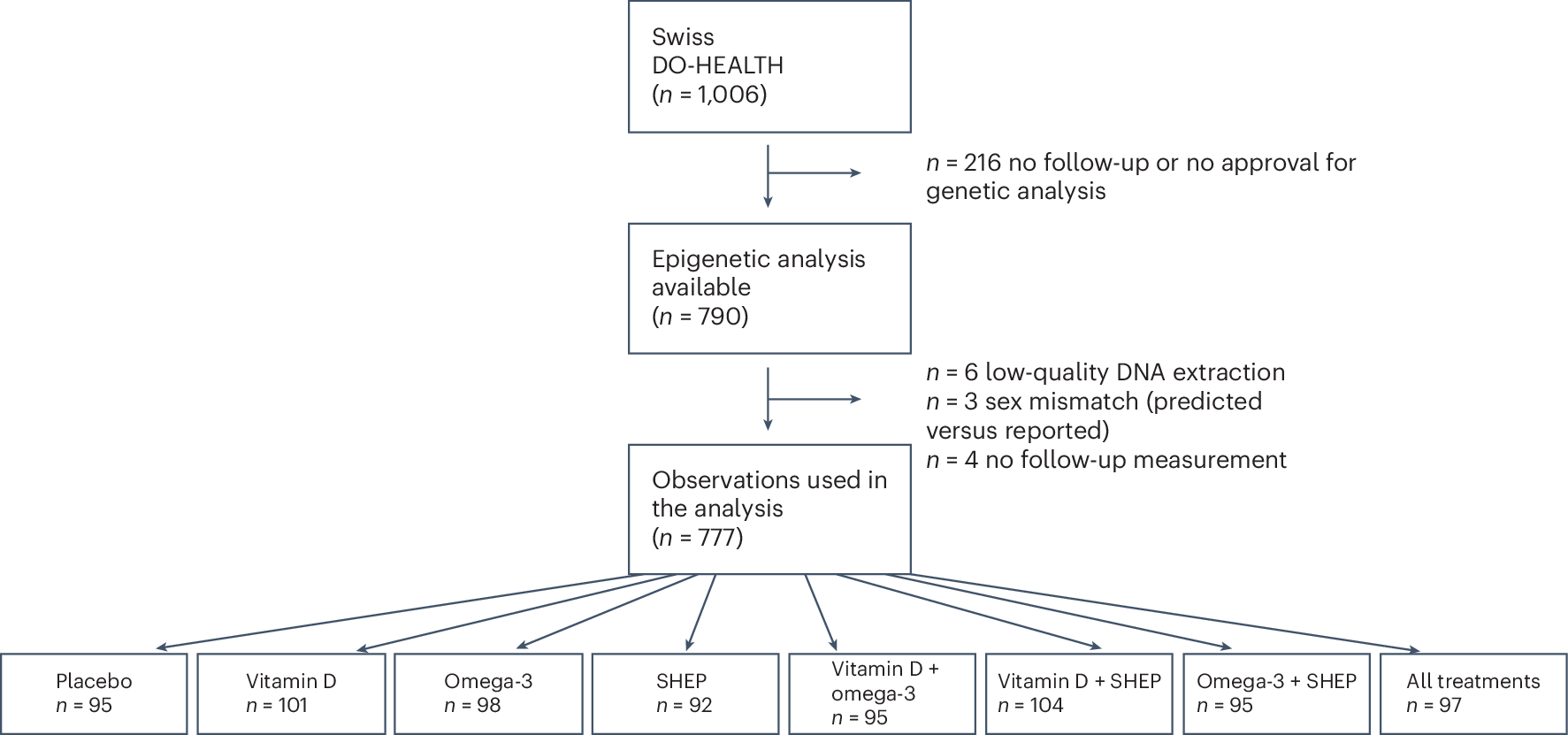
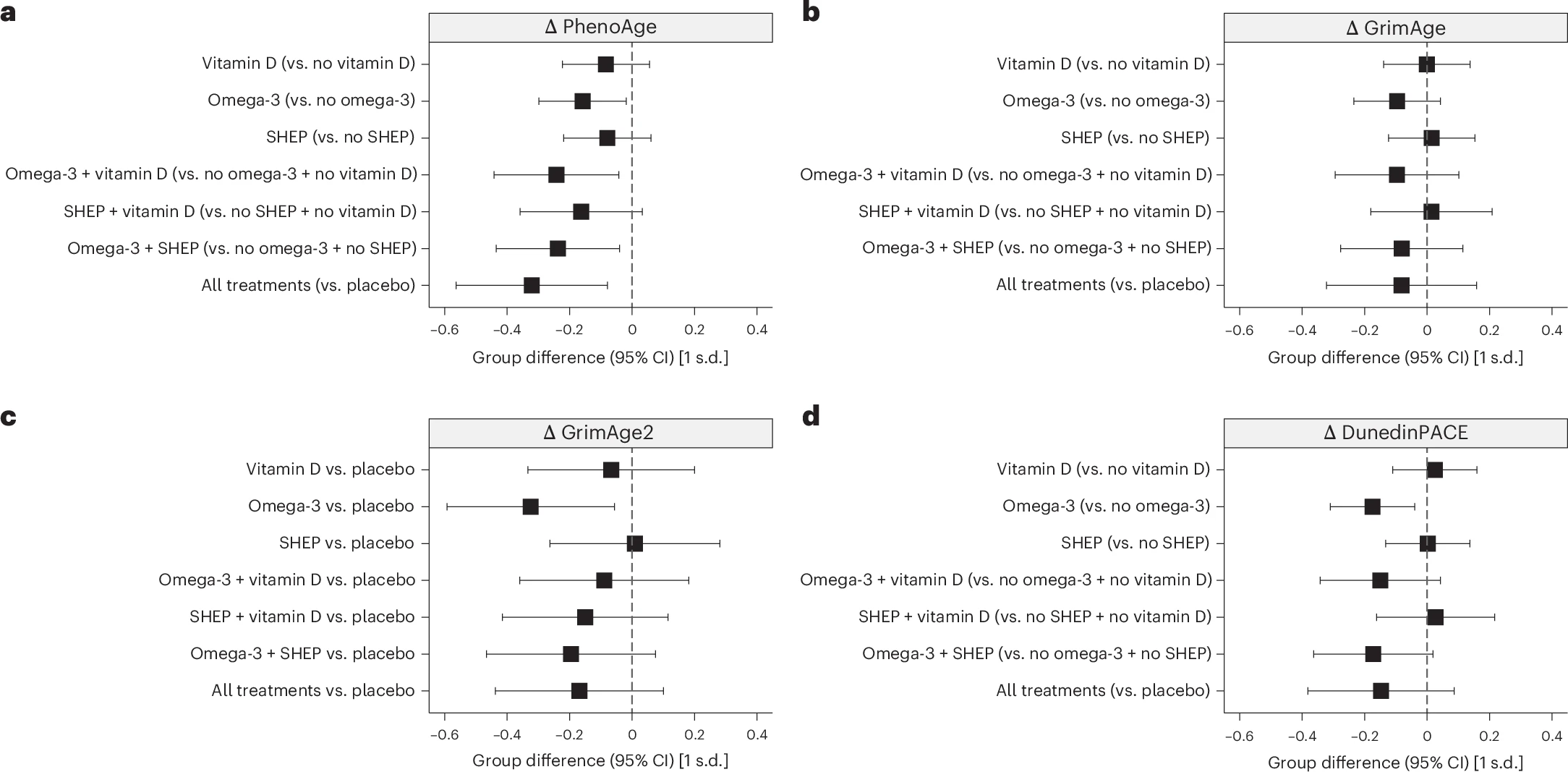
Specifically, supplementing with omega-3 alone reduced biological age on several next-generation epigenetic clocks during the 3-year study. It also slowed the pace of biological aging in the study participants (adults age 70 and older).
Omega-3s combined with vitamin D or exercise had an even greater benefit on phenotypic age when compared to any single intervention. Furthermore, the greatest benefit for phenotypic age reduction was observed when omega-3s, vitamin D, and exercise were combined!
This suggests that while omega-3s have powerful anti-aging effects, they also enhance the benefits of supplementing with vitamin D and engaging in regular exercise. In today's email, we'll explore just how much these interventions reduce biological age and what this means for you.
Biological age matters more than chronological age
Everyone gets older—their chronological age increases by one year each calendar year.
But not everyone ages in the same way—their physiological, functional, and mental aging trajectories vary widely in rate and magnitude.
That's why instead of chronological age, researchers prefer to use epigenetic or biological age as a more accurate representation of how people get older. Two people with the same chronological age might be very different in their epigenetic or biological age.
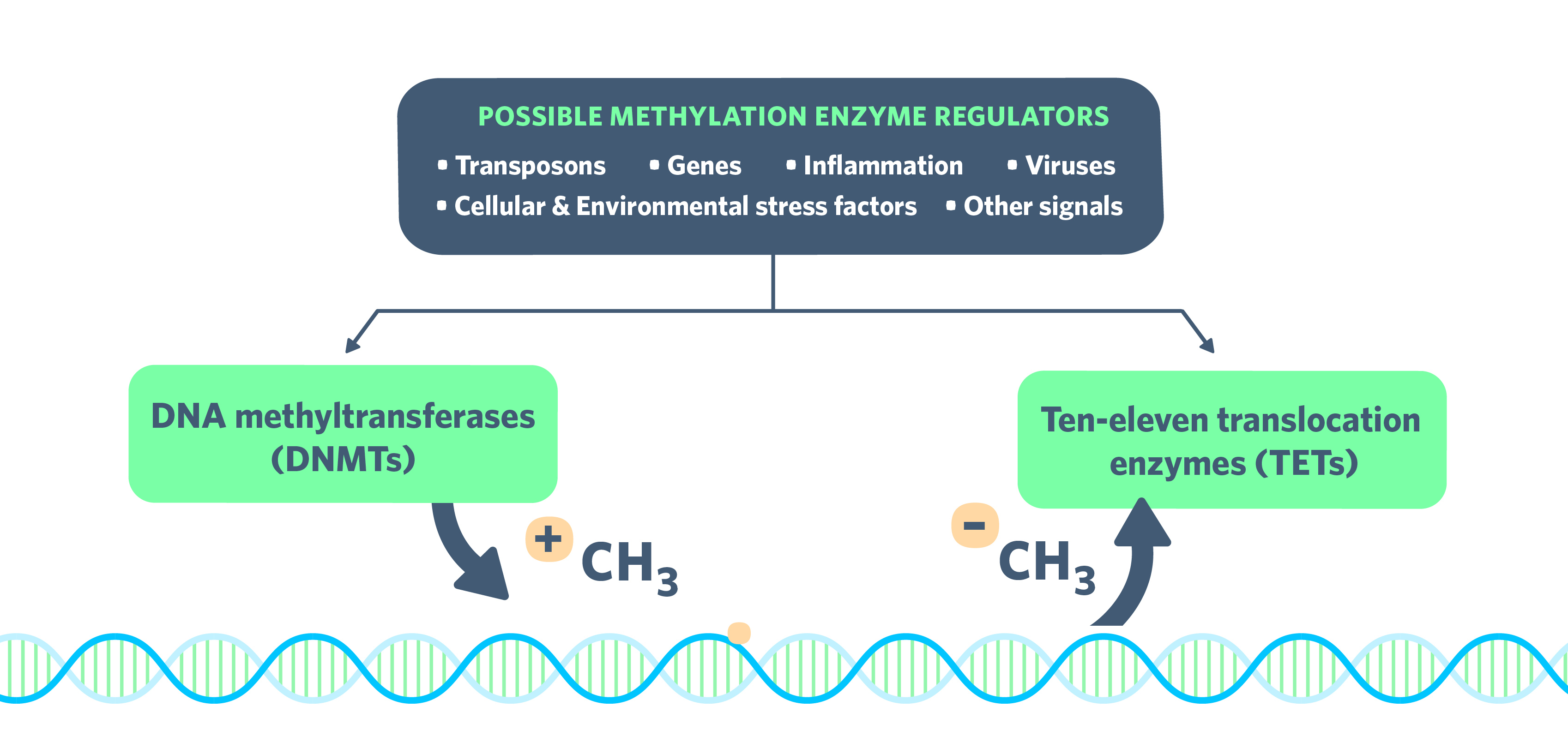
Epigenetic age reflects a person's profile of DNA methylation—a process by which the activity of a DNA segment is modified while its sequence is kept intact. Methylation happens naturally, regulates gene expression, and controls processes related to growth, development, and aging. Methylation status can therefore be used as an "aging clock."
Biological age (sometimes referred to as phenotypic age) is a measure of someone's physiological and functional state—it represents their risk for disease and death based on biochemical measures of inflammation, metabolic function, and immune function.
How do we gauge if someone is aging slower or faster than normal? That's determined by something called age acceleration or the pace of aging. If one's epigenetic or biological age exceeds their chronological age, then age acceleration is positive and they're aging quicker than normal. A negative age acceleration, on the other hand, means that one's epigenetic clock is ticking slower than their chronological one—an indicator that they're aging more slowly and presumably at a lower risk for death and disease.
It's our epigenetic and biological age that we should really care about and seek to improve with lifestyle. Age is just a number. How our body performs at the functional, phenotypic, and cellular level…that's what really matters for health and longevity.
 Mitochondrial bioenergetics
Yamanaka factors
Exercise intensity
Cell reprogramming
Blood-brain barrier
Epigenetic age deceleration
Stress resistance
Cardiorespiratory fitness
Nutritional ketosis
Compression of morbidity
CpG Islands
Lactate shuttle
Whole-body hyperthermia
Psychology of grit
Telomerase reverse transcriptase (TRT)
Chronic inflammation
Disease prevention
Therapeutic hyperthermia
Pathogen-host defense theory
Cell signaling
Proteostasis
Cellular senescence
CRISPR-Cas9
Aging
PGC1α
Overcoming adversity
Increased healthspan
Gene–diet interaction
Biology of resilience
Immune-brain interaction
Neuroendocrine effects
Heat Shock Proteins (HSPs)
Oxidative stress
Vitamin D
Omega-3 fatty acids
β-Hydroxybutyrate (BHB)
GLUT4
Pregnancy optimization
Mitochondrial bioenergetics
Yamanaka factors
Exercise intensity
Cell reprogramming
Blood-brain barrier
Epigenetic age deceleration
Stress resistance
Cardiorespiratory fitness
Nutritional ketosis
Compression of morbidity
CpG Islands
Lactate shuttle
Whole-body hyperthermia
Psychology of grit
Telomerase reverse transcriptase (TRT)
Chronic inflammation
Disease prevention
Therapeutic hyperthermia
Pathogen-host defense theory
Cell signaling
Proteostasis
Cellular senescence
CRISPR-Cas9
Aging
PGC1α
Overcoming adversity
Increased healthspan
Gene–diet interaction
Biology of resilience
Immune-brain interaction
Neuroendocrine effects
Heat Shock Proteins (HSPs)
Oxidative stress
Vitamin D
Omega-3 fatty acids
β-Hydroxybutyrate (BHB)
GLUT4
Pregnancy optimization