How to Measure Blood Pressure and Interpret Lifestyle Effects
Get the full length version of this episode as a podcast.
This episode will make a great companion for a long drive.
The Omega-3 Supplementation Guide
A blueprint for choosing the right fish oil supplement — filled with specific recommendations, guidelines for interpreting testing data, and dosage protocols.
You'll also receive updates from Rhonda & FoundMyFitness
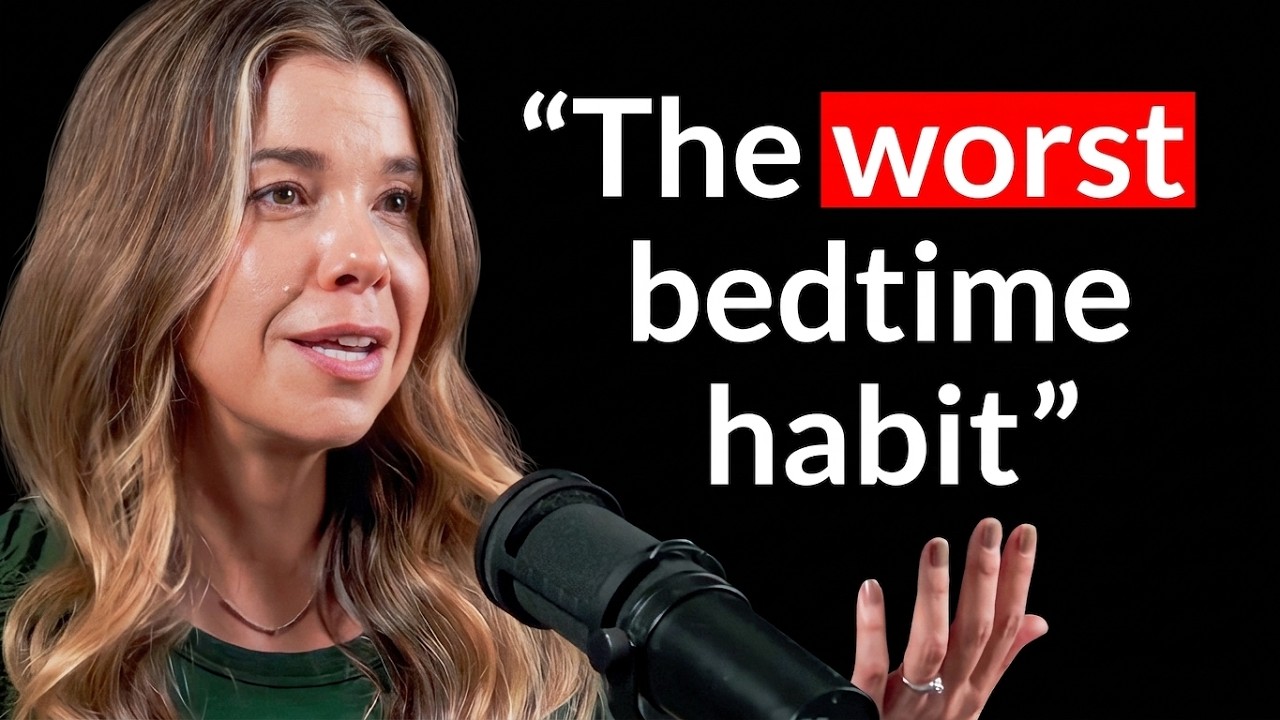
In this FoundMyFitness interview clip, Dr. Peter Attia treats blood pressure as a major cardiovascular risk factor and emphasizes measurement before intervention. SPRINT found fewer cardiovascular events and deaths with an intensive systolic target in high-risk adults without diabetes, but also more treatment-related adverse events. It does not make one target correct for everyone. [1]
Dr. Attia’s home protocol uses an automated cuff with its lower edge about two inches above the elbow and the arm supported at right-atrial level. Sit quietly for five minutes without talking or a phone, then measure. His practice collects early- and late-day readings for two weeks and uses the average; the full SPRINT research protocol measured at five, ten, and fifteen minutes. One office reading is not equivalent.
Multicomponent lifestyle programs combining physical activity, weight loss, sodium reduction, limited alcohol, and dietary changes lowered blood pressure more than advice alone, although the PREMIER trial cannot isolate one component’s effect. [2] Small trials also found lower mean arterial pressure after repeated hot-water immersion and lower ambulatory blood pressure after flavanol-rich dark chocolate. [3] [4] Dr. Attia describes elevated homocysteine impairing clearance of ADMA and SDMA, which inhibit nitric-oxide synthase; Dr. Patrick’s family examples remain personal observations rather than general treatments.
- ^ The Sprint Research Group (2015). A Randomized Trial Of Intensive Versus Standard Blood-Pressure Control New England Journal Of Medicine 373, 22.
- ^ Appel LJ; Champagne CM; Harsha DW; Cooper LS; Obarzanek E; Elmer PJ, et al. (2003). Effects of comprehensive lifestyle modification on blood pressure control: main results of the PREMIER clinical trial. JAMA 289, 16.
- ^ Brunt, Vienna E.; Howard, Matthew J.; Francisco, Michael A.; Ely, Brett R; Minson, Christopher T. (2016). Passive Heat Therapy Improves Endothelial Function, Arterial Stiffness And Blood Pressure In Sedentary Humans The Journal Of Physiology 594, 18.
- ^ Grassi D; Necozione S; Lippi C; Croce G; Valeri L; Pasqualetti P, et al. (2005). Cocoa reduces blood pressure and insulin resistance and improves endothelium-dependent vasodilation in hypertensives. Hypertension 46, 2.
Dr. Rhonda Patrick: What sort of blood pressure levels do you like to see?
Dr. Peter Attia: We're very aggressive, right? I mean, if you look at the SPRINT trial, I think it's very clear that 120 over 80 or better is the place to be. And that's better than 130 over 85, which used to be the standard.
Dr. Rhonda Patrick: For hypertension, right?
Dr. Peter Attia: That's right.
Dr. Rhonda Patrick: Okay.
Dr. Peter Attia: So we're very aggressive. The good news with blood pressure, unlike lipids—you know, we spent a lot of time talking about lipids, and a listener may come away from that thinking, okay, there's some dietary stuff, but you guys didn't talk about exercise. And you're right, exercise doesn't move lipids that much. You're heading down the path of pharmacology much sooner on the lipid front. But blood pressure is just as big a risk factor for cardiovascular disease as lipids.
Dr. Peter Attia: And it's way more amenable to—I hate the word—but lifestyle intervention. You know, losing weight and exercising will fix a lot of people's blood pressure. Not everybody. We have some very lean, fit, healthy people in our practice who still have essential hypertension, and it has to be lowered pharmacologically. But for many people, losing 20 pounds and exercising, especially cardio, is going to do amazing things for their blood pressure.
Dr. Rhonda Patrick: Have you looked at—so I have a relative who exercises, has a good diet, and the only thing that lowers her blood pressure is hot tubs.
Dr. Peter Attia: Interesting.
Dr. Rhonda Patrick: In addition to the exercise.
Dr. Peter Attia: Interesting.
Dr. Rhonda Patrick: And she's also very high-stress, so she's—
Dr. Peter Attia: Which is obviously—I wonder if it's the impact of, you know, whether it be sauna or hot tub, on hypercortisolemia that might be having the indirect effect on blood pressure.
Dr. Rhonda Patrick: Because she is absolutely prone to high cortisol. She's very high-stress. And the other thing is, you know, Dan also exercises a lot, and we have the same diet. My blood pressure is phenomenal, always really low. I'm actually on the side where I need to make sure I'm not too low. But he, at times, when measuring it at home—by the way, people at home should just get an automated cuff, right? I mean, like—
Dr. Peter Attia: Absolutely. I mean, it's just—
Dr. Rhonda Patrick: Yeah.
Dr. Peter Attia: And when you finish this story, I'll walk through how to make sure everybody is measuring correctly, because it's very important.
Dr. Rhonda Patrick: Yes, please do. He has hemochromatosis.
Dr. Peter Attia: Okay.
Dr. Rhonda Patrick: And there are some other relatives who had it and noticed that their blood pressure was high. We're talking about people who are doing lots of—
Dr. Peter Attia: Super healthy.
Dr. Rhonda Patrick: These are people running marathons. They're very healthy. And donating blood seemed to help normalize the blood pressure for whatever reason. I don't know.
Dr. Peter Attia: Which is important for obviously getting rid of the iron in hemochromatosis.
Dr. Rhonda Patrick: Right.
Dr. Rhonda Patrick: But the other thing that's really helped—so Dan is doing that now—but the other thing that seems to really help him, I mean, he does sauna, hot tubs, and exercise, and there will be times when he's in his office working and he's at 135 systolic. And it's like, what in the world? That's crazy, right? Green shakes help him. So, tons of nitrates, a bunch of green vegetables. And these are nasty-tasting shakes. These aren't good-tasting ones.
Dr. Peter Attia: That's not AG1.
Dr. Rhonda Patrick: No. And that will help him as well. So, yeah, exercise is very important. But there are also—
Dr. Peter Attia: Has he tried cocoa flavanols, things like that?
Dr. Rhonda Patrick: I give that to him. So, another story. No, I wasn't doing that. We haven't been doing that because we take a lot of our vitamins at night. We do take some fish oil in the morning. I did mention that to him because—another story—my mother, who is sedentary, has lost a lot of weight, but she's still overweight. Losing the weight was great. I mean, she's lost like 75 pounds. You look at the pictures, and it's like years have been added to her life just by that alone. I can get her in the sauna sometimes, but it's still a little bit more of an effort. But one thing about her is she will take the vitamins I give her. And she's homozygous for MTHFR.
Dr. Rhonda Patrick: If she's not taking a high-dose B-vitamin supplement along with methylfolate, her homocysteine will go high and her blood pressure goes up. And she had stopped taking all those because she wasn't at my house all the time, when I was giving them to her every day. And so I got her this battery of supplements, including methylfolate and other things that were lowering her homocysteine, along with magnesium and cocoa flavanols. So I was giving her CocoaVia. She gets four of those pills, and she still takes them. Her blood pressure went from about 155 to 125. Her doctors wanted to get her on antihypertensive treatment before she came to me, and this has been months now.
Dr. Rhonda Patrick: It's happening. She measures it at home and keeps logs. So I'm very happy that she's been able to do that. But again, it shows that there definitely are lifestyle factors—I know you hate that word—with exercise being one of the main ones. But there are also people who, in addition to being very physically active, still get high blood pressure.
Dr. Peter Attia: Yeah. And, you know, I don't think we have the outcome data to look at the direct impact of cocoa flavanols or the suite of B vitamins necessary to lower homocysteine and their impact on blood pressure. But here's what we do know. Again, this is mechanistic, and it's a very strong mechanism, but that doesn't necessarily equate to outcomes. We know that as homocysteine is elevated, it impairs the clearance of asymmetric dimethylarginine (ADMA) and symmetric dimethylarginine (SDMA). ADMA and SDMA directly and indirectly inhibit nitric oxide synthase. So we know that homocysteine is associated with poor outcomes in cardiovascular disease.
Dr. Peter Attia: And I think this mechanism of homocysteine impairing the clearance of ADMA and SDMA is the mechanistic link, because when you directly inhibit nitric oxide synthase in the endothelium, you are preventing the creation of nitric oxide. And of course, cocoa flavanols do the opposite of that. So I think the one-two punch of lowering homocysteine and raising nitric oxide synthase activity via cocoa flavanols could certainly explain a reduction in blood pressure.
Dr. Rhonda Patrick: That's really interesting. I was giving her the cocoa flavanols just because I had seen the studies on increased blood flow. And I'm like, okay, we need that. Measuring blood pressure—
Dr. Peter Attia: Yeah.
Dr. Peter Attia: So this was established really clearly through the SPRINT trial. And this has basically become the gold standard for how we use an automated cuff. That trial was done by having individuals sit for five minutes, check their blood pressure with no stimulation during that time—no talking, no looking at a phone, not doing anything—and then repeat that two more times. So it's a 15-minute protocol. I'm not suggesting this is what Dan does or what anybody does. But just so you understand how the trials are done, you're sitting for 15 minutes, having a check at five, 10, and 15 minutes. You're sitting like this. The cuff is two inches above the elbow, and the cuff is right at the level of the right atrium. By the way, if anybody wants to do this experiment at home, it's really interesting. Put an automated cuff on your arm and put your arm here. Put your arm above your head, and then put your arm in the right spot.
Dr. Peter Attia: And look at how big a difference you get. Measurement errors are a huge problem. Being overstimulated is a huge problem. So you really want to make sure you're getting an accurate reading of that blood pressure. We have our patients do that twice a day, an early-in-the-day and a late-in-the-day check. We have everybody do that for two weeks to start, and that's what's considered your blood pressure. The idea that you're going to walk into the doctor's office and get a blood pressure is not valuable for most people. So when someone says, what's your blood pressure, it should be: what's the average of those two weeks of twice-daily checks, done where you take the five-minute protocol and test perfectly? I think everybody listening to this should know that number.
Supporting our work
If you enjoy the fruits of
 , you can participate in helping us to keep improving it. Creating a premium subscription does just that! Plus, we throw in occasional member perks and, more importantly, churn out the best possible content without concerning ourselves with the wishes of any dark overlords.
Blood pressure News
- Moderate zinc intake – less than 11 milligrams – reduces the risk of developing hypertension by 7 percent, but higher intake increases the risk by 14 percent per additional milligram.
- People who ate 1 serving of leafy, green vegetables showed an equivalent of being 11 years younger cognitively than people who rarely ate them.
- Weight loss and health improvements with Mediterranean, intermittent fasting, and Paleo diets
- Why high blood pressure and diabetes often coincide: glucagon-like peptide-1 couples the body's control of blood sugar and blood pressure