How Exercise Supports Metabolic Health, Blood Pressure, and Mood
The BDNF Protocol Guide
An essential checklist for cognitive longevity — filled with specific exercise, heat stress, and omega-3 protocols for boosting BDNF. Enter your email, and we'll deliver it straight to your inbox.
You'll also receive updates from Rhonda & FoundMyFitness
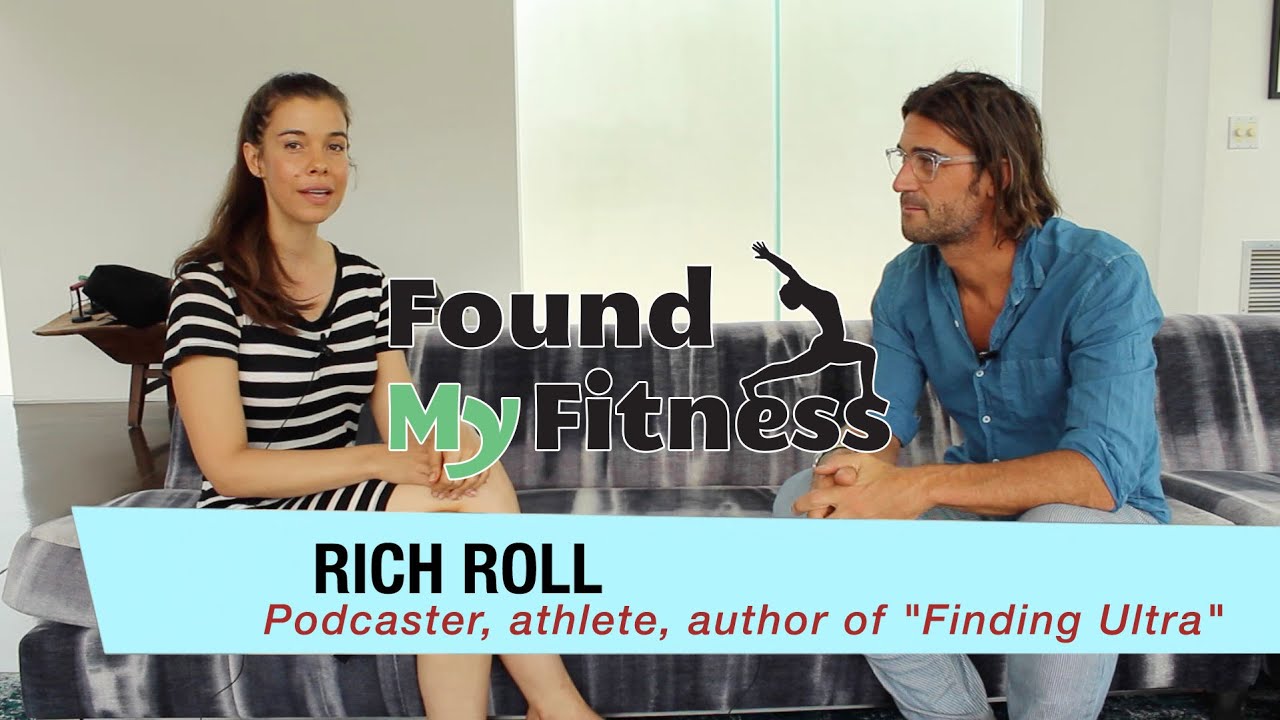
In this clip from Dr. Rhonda Patrick's appearance on The Rich Roll Podcast, she presents exercise as a treatment-sized tool for metabolic health. In the Diabetes Prevention Program, an intensive lifestyle intervention that included physical activity reduced progression to type 2 diabetes more than metformin among adults at high risk. The result shows how movement and weight-related behavior can change the course of prediabetes. [1]
Dr. Patrick also explains how regular aerobic and vigorous exercise improves insulin sensitivity, glucose disposal, vascular function, and blood pressure. These effects come from repeated adaptation rather than one heroic workout. A realistic program can begin with brisk walking and progress toward intervals or sustained vigorous work as fitness improves.
Exercise does not replace dietary treatment for elevated ApoB or LDL cholesterol. Dr. Patrick emphasizes reducing saturated fat, especially in a pattern also high in refined carbohydrates, and improving overall food quality. Exercise can improve blood pressure, insulin sensitivity, triglycerides, and fitness, but someone with high ApoB or LDL may still need targeted diet changes and clinician-guided lipid-lowering treatment.
Mood is another major benefit. A large network meta-analysis found that walking or jogging, strength training, yoga, and other exercise modes reduced depressive symptoms, with intensity and support influencing adherence. Dr. Patrick treats exercise as a powerful treatment or adjunct while recognizing that severe depression can require professional care and medication. [2]
This clip is excerpted, with permission, from Dr. Rhonda Patrick's appearance on The Rich Roll Podcast. Thank you to The Rich Roll Podcast for allowing us to share it.
- ^ Knowler WC; Barrett-Connor E; Fowler SE; Hamman RF; Lachin JM; Walker EA, et al. (2002). Reduction in the incidence of type 2 diabetes with lifestyle intervention or metformin. N Engl J Med 346, 6.
- ^ Noetel, Michael; Sanders, Taren; Gallardo-Gómez, Daniel; Taylor, Paul; Del Pozo Cruz, Borja; Van Den Hoek, Daniel, et al. (2024). Effect Of Exercise For Depression: Systematic Review And Network Meta-Analysis Of Randomised Controlled Trials Bmj , .
Rich Roll: But I'm curious, uh, before we kind of move on to the next topic, um, or aspect of fitness, if somebody is extremely metabolically dysregulated, they have type 2 diabetes or they're pre-diabetic, what do we know about the impact of exercise, in particular vigorous exercise, on not just managing that condition, but, but reversing it? Like, if somebody's in full-blown type 2, you know, can they move that backwards? And if so, like, how much?
Dr. Rhonda Patrick: Yeah, great question. So, I'll start with prediabetes, because I love talking about this study. There was, like, probably one of the largest studies done looking at the effect of exercise versus metformin on the progression of prediabetes into diabetes, and the reason I like this study is because there's so many people on metformin.
Rich Roll: I mean, it's pretty common. You talk to someone with type 2 diabetes and they're on some generic drug. Well, now it's a longevity drug, like people that are perfectly healthy are taking it.
Dr. Rhonda Patrick: Yeah, yeah, and I disagree with that, but yes, so then this is why I like talking about this study, because exercise outperformed, and this was, people were doing moderate intensity exercise, but it outperformed metformin by almost 30 to 40%, maybe it was closer to 40%. It outperformed it, in other words, it stopped the progression of prediabetes to type 2 diabetes much, much better than metformin did, exercise, right? So, I like that study because it really shows the power of exercise and how, no, you're not going to pill it up. You're not going to pill it up. It's not the same.
There are, of course, a lot of other studies that have shown that people that have type 2 diabetes can reverse their type 2 diabetes with exercise. I don't know by the magnitude, 'Cause, you know, it's been so many years since I've looked at any of those studies. It's not something I've looked at recently, but I do think it is a powerful tool that we all have at our disposal that we should be using. And I'm saying we, I mean, I personally don't have type 2 diabetes, but like we as people, right? I mean, people with type 2 diabetes that think that they're sort of, you know, cursed with this disease that they can never escape, it's not necessarily true. You know, there are lifestyle modifications, including exercise, probably being the most important.
Rich Roll: Mm-hmm.
Dr. Rhonda Patrick: I don't think that anything, anything is more important than exercise in, in terms of health, but also in reverse— reversing type 2 diabetes. I think that's one of the biggest, the biggest factors. And again, um, the more vigorous the intensity, it is better. Like, so for example, there's been studies that have shown, you know, if you take people that walk at a, you know, a brisk walk, and then you take those brisk walkers and then make them do intervals where they're really going fast, and then, you know, and then brisk walking again, and then really going, like, almost jogging, and then brisk walking, they, again, have improved markers of insulin sensitivity, of glucose regulation, all those things, if they're doing the intervals, right?
Rich Roll: Mm-hmm.
Dr. Rhonda Patrick: So vigorous exercise is really important with respect to, I would say, preventing the progression of diabetes, protecting you against getting diabetes, and also in terms of helping reverse type 2 diabetes, all of the above. Very, very important.
Rich Roll: Yeah, yeah, yeah.
Um, when you think about what people suffer from the most, it's, you know, being metabolically dysregulated, pre-diabetic, diabetic. It's cardiovascular disease, it's stroke, which is just a circulatory, you know, condition, disease, right? Um, and hypertension, like high blood pressure. So high blood pressure, I mean, obviously exercise is going to lower your blood pressure. Um, are there things about that aspect of this that are worth kind of highlighting?
Dr. Rhonda Patrick: With respect to comparing different things?
Rich Roll: Like a sedentary person and their risk, you know, who is sort of teetering on hypertension and what exercise can do to move the needle on that.
Dr. Rhonda Patrick: Yes, yeah, there's been quite a few studies. There's one in particular, I think it was a meta-analysis of multiple different randomized controlled trials showing that it was like 30 minutes a day or something, don't quote me on this, maybe about 30 minutes, 3 times a week, I think, and it was moderate to vigorous-intensity exercise. Again, I think it was about 3 times a week over the course of, I don't know, a month or so. These people had improvements in their blood pressure that were comparable to antihypertensive treatments, antihypertensive drugs.
So, yeah, it can have druggable-size effects if you are committed to improving your health, improving your blood pressure, you know, without taking medication, you have to be committed to it. Like, you— it's not going to happen unless you put in the effort. But if you're willing to go 3 times a week, do 30 minutes of, you know, 80% of max heart rate, let's say, you know, then, then studies have shown that can have an effect on your blood pressure that's comparable to taking an antihypertensive drug.
Rich Roll: Wow.
Dr. Rhonda Patrick: And I think that's profound, you know, when you're talking about druggable-size effects here. And it's not just hypertension that's been shown, depression as well. It's been compared to a lot of different SSRIs.
So there have been studies that have compared, like, running to people taking SSRIs, and it was as good, if not better, at improving a variety of depressive symptoms in people with depression.
Rich Roll: Running was.
Dr. Rhonda Patrick: Yeah.
Rich Roll: Compared to SSRIs.
Dr. Rhonda Patrick: So again, no,
Rich Roll: It's wild.
Dr. Rhonda Patrick: It is. It's, you know, you know, some people have, like, depression where they just can't even, like, get out of bed and do that run. I mean, I— that's like a whole other, you know, category. But there are people that, that are— have depressive symptoms. Maybe they don't have full-blown, like, major depressive disorder, but, you know, they have anxiety or bouts of depression, or, you know, and, and they can move, like, they can get enough willpower to. And so, I mean, it's really important.
It's, it's, it's such an amazing tool that we have to improve so many aspects of our health. I did a lot of research in nutrition. And so, it's something that I've always thought as the most important thing, and I'm not saying I don't think nutrition is important, but I think exercise is the most, I think it's the most important thing.
Rich Roll: It seems to be the consensus.
Dr. Rhonda Patrick: Yeah, I think, I mean, you can get—
Rich Roll: Across the board, and in particular, with respect to healthspan extension.
Dr. Rhonda Patrick: Right, and just even all-cause mortality.
I mean, I think you can get away with some other bad behaviors, like I said, like the sleep, if you're not getting enough good sleep. There are also studies showing that people that are getting fewer than 7 hours of sleep a night, they have a higher all-cause mortality than people that are getting greater than 7, like 7 to 9 hours a night. But if they're physically active and getting fewer than 7 hours, guess what? They have the same all-cause mortality. Again, so exercise, I think, really does forgive some of the sins. And that's where, if you're going to cheat, make sure you're physically active.
Rich Roll: But they do say you can't, exercise your way out of a bad diet, which makes me think about elevated cholesterol.
So, if somebody has a high ApoB or their LDL is out of whack, maybe they're on a statin or their doctor has told them they should be, what is the impact of exercise versus making changes in your diet to deal with that specific thing?
Dr. Rhonda Patrick: Yeah, you're absolutely right. I mean, dietary changes for ApoB, LDL, I mean, that's a big one for sure. I mean, because we know saturated fat, especially in combination with refined sugars, make a disaster for ApoB, and also for small dense LDL particles, which kind of are more prone to lodging into the arterial wall. And so, yes, diet is important, and you can't exercise your way out of a bad diet in that regard. So, you do need to care for both, for sure, but I do think, like, if someone held a gun to my head and said, choose one, what's the most important thing? I would say exercise.
Rich Roll: Yeah.
Attend Monthly Q&As with Rhonda
Support our work

The FoundMyFitness Q&A happens monthly for premium members. Attend live or listen in our exclusive member-only podcast The Aliquot.
Exercise News
- Six 30-second cycling sprints triggered a broader and faster wave of blood signals than 90 minutes of moderate exercise.
- Physical activity is linked to later menopause in women and a preserved ovarian egg reserve in female animals.
- A blood marker of bone renewal rose after high-intensity training but not after lower-intensity programs.
- Standing for 30 minutes each hour during the workday improved insulin responses better than an evening workout in sedentary adults.
- The health benefits associated with meeting physical activity guidelines may vary with the length of individual activity sessions.