What the Evidence Says About Hangover Remedies
Get the full length version of this episode as a podcast.
This episode will make a great companion for a long drive.
The BDNF Protocol Guide
An essential checklist for cognitive longevity — filled with specific exercise, heat stress, and omega-3 protocols for boosting BDNF. Enter your email, and we'll deliver it straight to your inbox.
You'll also receive updates from Rhonda & FoundMyFitness
In this excerpt from the FoundMyFitness alcohol episode, Dr. Rhonda Patrick explains that a hangover begins as blood alcohol approaches zero, after intoxication has passed. Symptoms reflect several overlapping processes, including immune activation, acetaldehyde exposure, sleep disruption, and individual differences in alcohol metabolism. In a controlled crossover study, both vodka and bourbon impaired sleep and next-day performance, while the higher-congener bourbon produced a more severe subjective hangover. [1]
Dr. Patrick also discusses fruit as a possible adjunct. Dr. Patrick reviews preliminary work suggesting that consuming fruit or fruit juice while drinking might support alcohol metabolism, then later includes eating a meal with fruit among the options that may help symptoms. She emphasizes that the evidence is limited, especially in humans, so this remains a tentative strategy rather than an established hangover treatment.
The clip also examines N-acetylcysteine, glutathione, sulforaphane-rich foods, fructose, probiotics, and other proposed strategies. Dr. Patrick separates plausible metabolism or antioxidant mechanisms from proven symptom relief and closes with a practical hierarchy: reduce the alcohol dose, eat a meal, hydrate according to need, and protect sleep. Supplements remain secondary to lowering the exposure that causes the hangover.
- ^ Rohsenow, Damaris J.; Howland, Jonathan; Arnedt, J. Todd; Almeida, Alissa B.; Greece, Jacey; Minsky, Sara, et al. (2010). Intoxication With Bourbon Versus Vodka: Effects On Hangover, Sleep, And Next-Day Neurocognitive Performance In Young Adults Perspectives In Psychiatric Care 34, 3.
So let's talk about hangovers. An alcohol hangover is defined as the combination of negative mental and physical symptoms, which can be experienced after a single episode of alcohol consumption, starting when blood alcohol concentrations approach zero. Hangover symptoms are not due to alcohol intoxication. In other words, because they often occur the next day or after alcohol has been fully metabolized. We also need to distinguish alcohol hangover from alcohol withdrawal. Hangover is an acute phenomenon that appears after a night of drinking, but alcohol withdrawal occurs when someone who regularly drinks alcohol stops drinking and is due to several different neurochemical changes in the brain.
Only people who've developed a tolerance to alcohol can experience withdrawal, but anyone can experience a hangover. Withdrawal symptoms are also more severe and can include anxiety, shaking, tremors, and sleeplessness. Traditional views on alcohol hangovers suggested that they only occur when blood alcohol levels reach a certain threshold. Specifically around 0.11%, which is higher than the legal intoxication limit in many places of 0.08%. However, recent findings challenge this notion, indicating that hangovers can occur at much lower levels of alcohol consumption. The key factor isn't just the numerical value of blood alcohol concentration.
Rather, it's about how intoxicated you feel, what we call the subjective level of intoxication and how this amount compares to what you normally consume. The subjective experience can be more predictive of whether you're going to have a hangover than the actual amount of alcohol in your blood. This variation is due to several factors, including genetic differences in how we metabolize alcohol, variations in our body size, and differences in our usual drinking habits. For instance, someone who rarely drinks might experience a hangover after consuming just 1 or 2 drinks, whereas someone who drinks regularly might not feel the same effects.
There does seem to be a genetic component to hangovers, and while the specific genes haven't been identified, it appears that genetic factors may account for up to 43% of being hangover resistant, which is defined as being able to consume alcohol without having a hangover. More than 47 symptoms of a hangover have been identified. But some of the most common are fatigue, thirst, drowsiness, headache, and problems with memory and concentration. People will also often experience an elevated heart rate, light and noise sensitivity, and muscle cramps during a hangover. Hangovers are a subject of much debate, particularly regarding their causes. Many people attribute hangovers to dehydration or electrolyte imbalances due to alcohol's diuretic effects.
But recent studies suggest these aren't the primary culprits. While it's true that alcohol suppresses antidiuretic hormone or ADH, leading to an increased urine production, the volume of fluids typically consumed with alcohol often compensates for this increase. So despite common beliefs, total body water balance might not be significantly impacted. And therefore just drinking more water might not help with a hangover. When it comes to electrolytes, the evidence also suggests that alcohol intoxication only somewhat disrupts overall electrolyte balance. And it's likely contributing to the symptoms of a hangover, but it's not the primary cause. However, what does occur is metabolic acidosis, a decrease in blood pH due to alcohol metabolism.
Hangovers appear to be primarily driven by the metabolism of ethanol itself, which increases the production of reactive oxygen species. These molecules can cause oxidative stress in the mitochondria and the central nervous system, leading to an inflammatory immune response. This inflammation can manifest as nausea, vomiting, headaches, and cognitive impairments. Symptoms commonly associated with hangovers. Indeed, levels of inflammatory markers such as IL-6, TNF-alpha, and C-reactive protein, as well as markers of oxidative stress, have been found to correlate with the severity of hangover symptoms. Hangovers also seem to be caused by the alterations in hormones and neurotransmitters, including GABA, glutamate, dopamine, and serotonin.
Poor sleep quality probably contributes to some hangover symptoms as well, especially drowsiness, confusion, and trouble concentrating. Alcoholic drinks not only vary in their alcohol content, but also in their congener content. Congeners are chemical byproducts of the fermentation and distillation processes. They contribute to the taste, aroma, and color of alcoholic beverages. These substances include compounds like methanol, esters, tannins, histamines, and aldehydes. Drinks that are rich in congeners, such as brandy, red wine, rum, and whiskey, tend to produce more severe hangovers compared to drinks with fewer congeners like gin, vodka, tequila, and beer. The reason for this is partly biological. Congeners can enhance the inflammatory response in the body.
They can compete with the metabolism of ethanol and prolong the processing of alcohol in the system, leading to longer and more intense hangover symptoms. This inflammation can affect the brain and other systems, exacerbating the typical symptoms of a hangover, such as headaches, nausea, and overall malaise. However, it's important to understand that while congeners can influence hangover severity, the primary driver of a hangover is still the total amount of alcohol consumed. Drinking large amounts of any type of alcohol can lead to inflammation, dehydration, disturbances in electrolyte balance, and disruptions in sleep architecture, all of which contribute significantly to how you feel the next day.
Sugar content in drinks often thought to worsen hangovers doesn't seem to play any significant role according to current evidence. So lastly, I'll talk about a topic that you probably all want to know about, and that is how to relieve hangover symptoms or prevent hangovers in the first place. I need to begin by saying that there is not a lot of good research here. Very few supplements or other strategies are effective for hangovers, and most of what I talk about is either anecdotal or speculative. No treatments have undergone systematic evaluation. There is fascinating research exploring how certain fruits might influence the metabolism of alcohol.
This involves primarily the enzymes alcohol dehydrogenase and aldehyde dehydrogenase, which are crucial for breaking down ethanol and its byproduct acetaldehyde in the body. Studies conducted in vitro, which is in the lab, and in vivo, which is in living organisms, have shown that fruits such as pear, sweet lime, and coconut water can enhance the activity of these enzymes significantly by about 20 to 90%. This suggests that these fruits could potentially speed up the breakdown of alcohol, thereby reducing hangover duration and severity. The authors proposed that these fruits and their combination could represent an effective hangover product, but there is no human evidence to back this up.
Further research has examined a variety of fruits for their effects on alcohol levels and liver health in animal models. For instance, fruits like the star fruit, the Chinese quince, yellow lemon, pear, and Java apple have demonstrated the ability to reduce ethanol levels in the blood. Interestingly, fruits such as yellow lemon, melon, the star fruit, and banana also showed protective effects against liver damage by reducing levels of liver enzymes AST and ALT, which are indicators of liver stress. The underlying mechanism for these effects appears to be linked to fructose, a type of sugar found in fruits. Fructose has been shown to accelerate the elimination of alcohol from the body by increasing metabolic activity.
In human studies, consuming fructose was found to reduce the duration of intoxication by nearly 30% and enhance alcohol elimination by up to 44.7%. These findings suggest that consuming fruit or even some fruit juice, think cranberry and vodka, while drinking alcohol could theoretically help mitigate hangover symptoms or even some of the effects on sleep by enhancing the body's ability to process and eliminate alcohol more quickly, however, it is crucial to note that while these results are promising, they are preliminary, and more research, especially in humans, is needed to confirm these effects and to understand the optimal types and amounts of fruit that would be beneficial. Let's talk about vitamins and minerals.
Understanding the relationship between micronutrient intake and hangovers reveals fascinating insights into how our body handles alcohol. Zinc and vitamin B3, also known as nicotinic acid, are 2 micronutrients that appear to have a significant impact on how we metabolize alcohol. Zinc is crucial for the function of several enzymes involved in alcohol metabolism, helping to break down alcohol more efficiently and potentially reducing the severity of hangovers. Similarly, vitamin B3 plays an important role in the enzymatic processes that convert alcohol into less harmful substances before they are cleared from the body. So therefore, higher intakes of these nutrients might correlate with less severe hangover symptoms. At least that is the correlation that has been found.
Also remember that alcohol increases zinc excretion by up to twofold. So this is another reason to make sure you are replenishing your zinc stores while consuming alcohol. Let's now shift gears and talk about NSAIDs. So when it comes to managing hangover symptoms, not all common practices are advisable. For example, taking nonsteroidal anti-inflammatory drugs known as NSAIDs like ibuprofen to prevent hangovers or to help with headaches can actually be counterproductive. These medications might slow down the enzymes that metabolize alcohol and its byproducts, potentially worsening hangover symptoms. More critically, acetaminophen, commonly found in Tylenol, should be avoided with alcohol as it can lead to increased liver toxicity due to enhanced metabolism when alcohol is present.
As for the old adage, hair of the dog, or drinking more alcohol to cure a hangover, this is a myth that does not hold up under scientific scrutiny. Consuming more alcohol in the morning only delays the inevitable hangover symptoms and can increase overall toxicity in the body. This approach should be avoided because it can exacerbate the negative effects of alcohol. Many of you had questions about 2 supplements, liposomal glutathione and N-acetylcysteine. So let's talk about them. Alcohol consumption has a well-documented impact on reducing glutathione levels in various organs, including the liver, which is crucial for detoxifying harmful substances in the body. Glutathione is a potent antioxidant that helps neutralize free radicals, thereby protecting cells from damage.
When you drink alcohol, the demand for glutathione in the liver goes up as the body works hard to metabolize alcohol and combat the oxidative stress alcohol generates. However, chronic or excessive drinking can deplete glutathione, leaving cells more vulnerable to damage from free radicals and other toxic byproducts of alcohol metabolism like acetaldehyde. This depletion might contribute to the increased oxidative stress and inflammation observed after heavy alcohol consumption, which are key factors in the development of hangover symptoms. Some animal studies and preliminary research have suggested that boosting glutathione levels either through direct supplementation or via precursors like N-acetylcysteine or NAC for short could help mitigate these effects.
For example, studies in rats have shown that glutathione supplementation can reduce blood concentrations of alcohol and acetaldehyde, potentially easing hangover symptoms by enhancing the activity of alcohol-metabolizing enzymes and exerting antioxidant effects. However, translating these findings to human applications has been challenging. While there is theoretical support that increasing glutathione levels could help manage alcohol-induced damage and hangovers, clinical evidence in humans remains sparse. A placebo-controlled study that tested N-acetylcysteine supplementation in humans found mixed results. Overall, N-acetylcysteine did not significantly reduce hangover symptoms.
Though some subgroup analysis did suggest potential benefits for women in terms of reducing symptoms like nausea and weakness. So N-acetylcysteine is the drug of choice for the treatment of acetaminophen overdose. It is thought to provide cysteine for glutathione synthesis and possibly to form an adduct directly with the toxic metabolite of acetaminophen. N-acetylcysteine might also reduce the toxicity of alcohol metabolites. Similar to its interaction with acetaminophen toxic metabolites, N-acetylcysteine could theoretically react with it— with acetaldehyde. It's the primary harmful metabolite of alcohol, and this reaction could form less harmful substances that are easier for the body to eliminate.
But there is not a lot of direct evidence that this happens, so it really does remain speculative. Glutathione is another substance that might help with alcohol metabolism. So like N-acetylcysteine, it's intended to increase glutathione levels in the body. The liposomal formulation could potentially enhance the absorption and efficacy of glutathione, providing better support for detoxification processes in the liver. But again, this is largely based on speculation and not solid evidence. Another possible way to increase glutathione is through sulforaphane supplementation, which has been shown in clinical studies to increase both plasma and brain glutathione levels.
Several FoundMyFitness members brought up a product called ZBiotics, which is marketed as a pre-alcohol probiotic drink that is supposed to reduce hangover symptoms after a night of drinking. ZBiotics is a genetically engineered probiotic bacteria that once consumed produces the enzyme acetaldehyde dehydrogenase, or ALDH, in your gut. You remember from our discussion on alcohol metabolism that our liver naturally produces ALDH, which can metabolize most of the acetaldehyde generated during alcohol consumption. About 80 to 90% of alcohol metabolism occurs in the liver.
However, before alcohol is absorbed in the bloodstream and metabolized into the liver, gut bacteria process some of it, about 10 to 20%, into acetaldehyde, which then stays in the gut. Our gut cannot process acetaldehyde like our liver can, and this can contribute to some of the negative symptoms associated with alcohol metabolism. With more ALDH enzyme in the gut, more acetaldehyde can be metabolized. Remember that acetaldehyde is one of the toxic byproducts of alcohol metabolism. So the hypothesis is that less acetaldehyde or faster acetaldehyde metabolism should result in fewer hangover symptoms. But this doesn't appear to be entirely true.
Although a faster metabolism of ethanol into acetaldehyde is associated with having less severe hangover symptoms, there's no evidence that a faster elimination of acetaldehyde, which hangover products like ZBiotics claim to promote, is effective for reducing hangover severity. Now, this doesn't mean that ZBiotics doesn't work. I'm just not aware of any randomized controlled trials that have tested ZBiotics or other similar products. However, some people who possess an alternative form of a gene known as aldehyde dehydrogenase 2, which makes them slower at metabolizing acetaldehyde, report experiencing worse hangover symptoms and experience hangovers at a lower level of alcohol consumption which is some indirect evidence that modifying the activity of acetaldehyde metabolizing enzymes could affect hangover symptom severity.
I do not have any affiliation with ZBiotics, and I haven't even tried the product personally, so it's hard for me to give a recommendation here, especially since there's no published evidence. All I'll say is that it seems like something worth trying if you're willing to spend the money on a pre-alcohol probiotic drink that may or may not work for you. A few FoundMyFitness members also mentioned a supplement called dihydromyricetin, or DHM, which is a flavonoid compound that's derived from the Chinese herbal medicine. And it's something that has been used as an anti-hangover remedy for centuries, and it's a very common ingredient in commercial hangover remedies.
Originally, it was thought that DHM reduced hangover severity by increasing the rate of alcohol metabolism, but some newer evidence in rodents suggests another mechanism might be at play. DHM does reduce alcohol intoxication and also decreases signs of alcohol withdrawal and reduces voluntary alcohol consumption. The mechanism seems to involve the ability of DHM to counteract the effects of alcohol on GABA receptors in the brain, which are known to play a role in the development of alcohol tolerance and alcohol use disorder. For this reason, DHM has actually been proposed as a treatment for alcohol use disorders, even though there's not currently any strong human evidence to support its use.
2 other strategies that I think should at least help people feel better after consuming alcohol are exercise and sauna, though I'll mention that I do not think either of these negates the toxic effects of alcohol on the body. Anecdotally, exercise and sauna can help you feel more energized and less lethargic if you're hungover, but not because you're sweating out the alcohol. But hydration and electrolyte replenishment are important here as you lose water and electrolytes via sweat. Though you might not feel like exerting yourself much after a night of drinking, breaking a sweat may lift your mood by increasing endorphins, enhancing blood flow and metabolism, and overall promoting relaxation and reducing anxiety that you might be experiencing during a hangover.
Let's summarize the evidence on hangover remedies. Currently, there is no strong human evidence to support any one hangover cure. The most important thing seems to be to moderate your alcohol intake or avoid it altogether. But if you want to try out some hangover remedies, I think there's at least some support that liposomal glutathione, N-acetylcysteine, sulforaphane, eating a meal with fruit, and hydrating with electrolytes may help mitigate some symptoms.
Member only extras:
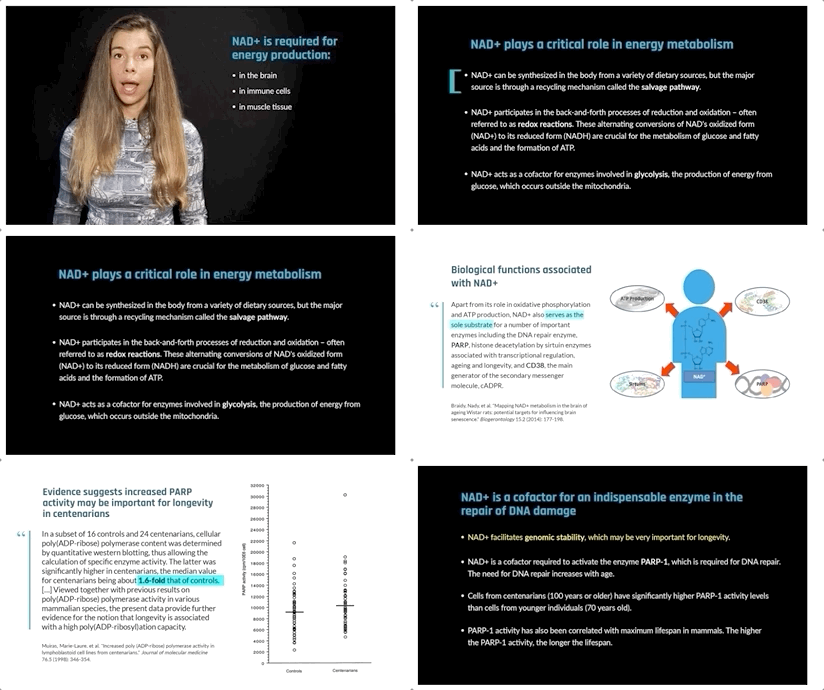
Learn more about the advantages of a premium membership by clicking below.
Hear new content from Rhonda on The Aliquot, our member's only podcast
Listen in on our regularly curated interview segments called "Aliquots" released every week on our premium podcast The Aliquot. Aliquots come in two flavors: features and mashups.
- Hours of deep dive on topics like fasting, sauna, child development surfaced from our enormous collection of members-only Q&A episodes.
- Important conversational highlights from our interviews with extra commentary and value. Short but salient.
Alcohol News
- Parenting style can soften the impact of parents' drinking and drug use on teens.
- Sunburns remain common, with younger adults and higher-income individuals more likely to experience multiple episodes each year, particularly when consuming alcohol.
- Low medication use may promote longevity, according to a study in centenarians.
- Nearly half of all cancer deaths could be prevented with lifestyle changes.
- Smoking accelerates cognitive decline by 17% over a decade.