How Brief Vigorous Activity Fits Into an Active Day
The BDNF Protocol Guide
An essential checklist for cognitive longevity — filled with specific exercise, heat stress, and omega-3 protocols for boosting BDNF. Enter your email, and we'll deliver it straight to your inbox.
You'll also receive updates from Rhonda & FoundMyFitness
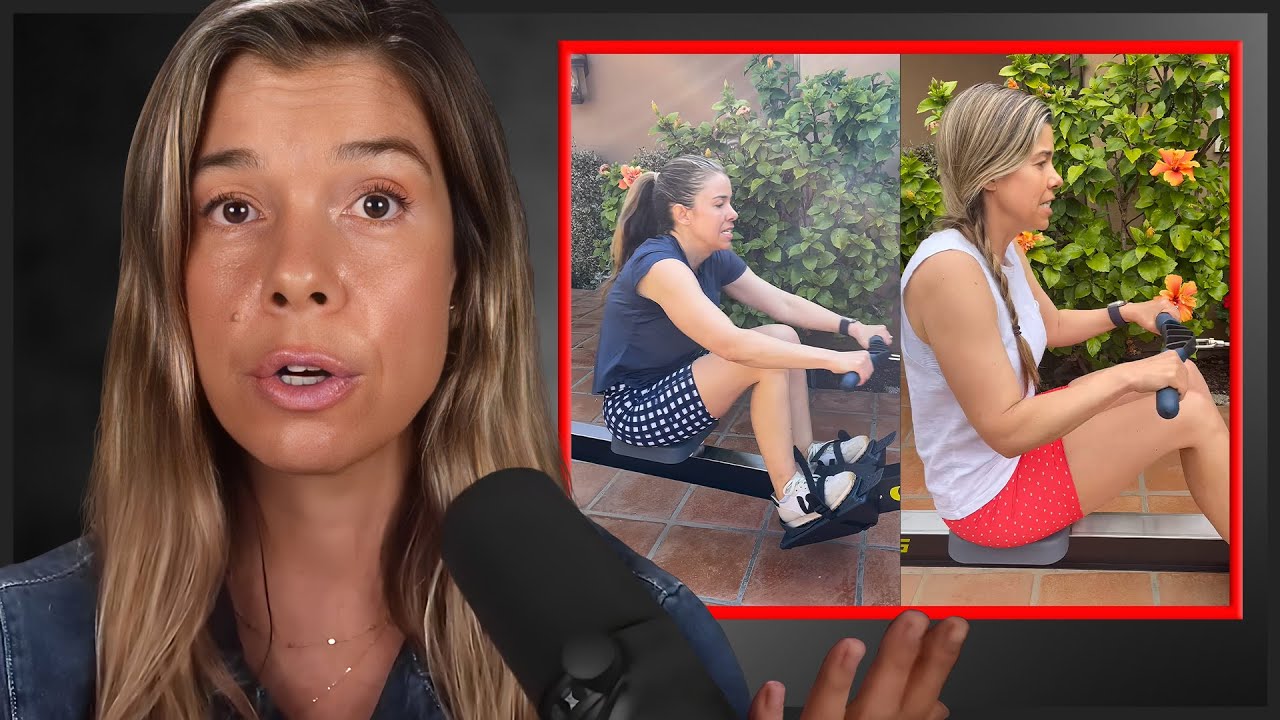
Brief vigorous activity can add meaningful movement to an ordinary day. In this clip from Dr. Rhonda Patrick's appearance on Huberman Lab, she describes vigorous intermittent lifestyle physical activity, or VILPA, such as quickly climbing stairs, running for a bus, or active play. In more than 25,000 adults who reported no leisure-time exercise, several one-to-two-minute bouts per day were associated with lower all-cause, cardiovascular, and cancer mortality. [1]
Short activity breaks can also interrupt prolonged sitting. In a randomized crossover study of 18 young men with overweight or obesity, ten three-minute walking or squat breaks spread across 8.5 hours reduced post-meal glucose exposure more than uninterrupted sitting or one continuous 30-minute walk. These distributed bouts offer a practical way to support acute glucose control during otherwise sedentary days. [2]
Cardiorespiratory fitness remains an important part of long-term health. Large treadmill cohorts associate higher measured fitness with lower mortality, while a long-running study of middle-aged Danish men linked higher baseline fitness categories with roughly two to five additional years of life compared with very low fitness. Brief vigorous bouts and movement breaks can complement regular aerobic and strength training when long workouts are difficult to schedule. [3] [4]
This clip is excerpted, with permission, from Dr. Rhonda Patrick's appearance on Huberman Lab. Thank you to Huberman Lab for allowing us to share it.
- ^ Ahmadi, Matthew N; Doherty, Aiden; Gibala, Martin J.; Gill, Jason M. R.; Hamer, Mark; Stamatakis, Emmanuel, et al. (2022). Association Of Wearable Device-Measured Vigorous Intermittent Lifestyle Physical Activity With Mortality Public Health Nutrition 28, 12.
- ^ Gao Y; Li QY; Finni T; Pesola AJ (2024). Enhanced muscle activity during interrupted sitting improves glycemic control in overweight and obese men. Scand J Med Sci Sports 34, 4.
- ^ Lotta LA; Stewart ID; Sharp SJ; Day FR; Burgess S; Luan J, et al. (2018). Association of Genetically Enhanced Lipoprotein Lipase-Mediated Lipolysis and Low-Density Lipoprotein Cholesterol-Lowering Alleles With Risk of Coronary Disease and Type 2 Diabetes. JAMA Cardiol 3, 10.
- ^ Clausen JSR; Marott JL; Holtermann A; Gyntelberg F; Jensen MT (2018). Midlife Cardiorespiratory Fitness and the Long-Term Risk of Mortality: 46 Years of Follow-Up. J Am Coll Cardiol 72, 9.
Dr. Rhonda Patrick: Not everyone has the time or motivation for a one-hour workout. Short bursts of physical activity can still count toward an active day.
One type is vigorous intermittent lifestyle physical activity, or VILPA. This is vigorous movement that happens during daily life rather than a planned workout. Examples include climbing stairs, running for a bus, or active play.
In one UK Biobank cohort of adults who reported no formal exercise, about three brief vigorous bouts per day were associated with lower mortality than no VILPA. The bouts were standardized to one or two minutes. Median total VILPA was 4.4 minutes per day.
The study was observational. It did not test a prescribed routine of three 3-minute bouts, and it did not prove that nine minutes causes a 40-to-50-percent reduction in mortality. Separate VILPA studies examined mortality, cancer incidence, and cardiovascular events. These endpoints should not be combined into one result.
Structured movement breaks can also interrupt long periods of sitting. In a small laboratory crossover study, 18 young men with overweight or obesity completed three-minute walking or squat bouts every 45 minutes. Ten distributed bouts reduced same-day post-meal glucose more than one continuous 30-minute walk. This was not a study of ten quick squats, and it did not test long-term diabetes outcomes.
Long periods of sitting are associated with higher health risks, especially at high exposure. Sedentary behavior is a risk exposure, not a disease diagnosis. Regular activity can attenuate much of the association, and movement breaks should complement normal aerobic and strength training.
Cardiorespiratory fitness is also strongly associated with health and longevity. Laboratory cardiopulmonary exercise testing directly measures peak oxygen uptake. The Cooper 12-minute run and consumer wearables only estimate fitness and are not interchangeable with a clinical test.
Very low measured fitness predicts higher mortality in observational cohorts. In one long-running cohort of middle-aged Danish men, higher baseline fitness categories predicted about two to five more years of life than very low fitness. These were population estimates, not guaranteed years gained by moving between categories.
Fitness responses vary with training dose, adherence, measurement, and the outcome tested. Adding duration, frequency, or intensity can help when progress stalls. HIIT can improve fitness efficiently, but it is not required for everyone. A vigorous minute of stairs or active play can be useful lifestyle movement, but it is not a complete structured HIIT session.
Brief vigorous bouts and regular movement breaks are useful additions to an active life. They do not replace guideline-level aerobic exercise, strength training, or medical care.
Attend Monthly Q&As with Rhonda
Support our work
The FoundMyFitness Q&A happens monthly for premium members. Attend live or listen in our exclusive member-only podcast The Aliquot.