How Dr. Rhonda Patrick Structures Her Daily Meals
The BDNF Protocol Guide
An essential checklist for cognitive longevity — filled with specific exercise, heat stress, and omega-3 protocols for boosting BDNF. Enter your email, and we'll deliver it straight to your inbox.
You'll also receive updates from Rhonda & FoundMyFitness
In this member Q&A clip, Dr. Rhonda Patrick describes the personal eating pattern she was following in 2022. She usually ate breakfast near 8 a.m., finished dinner near 5:30 or 6 p.m., and fit three ordinary meals into that window rather than treating time-restricted eating as a reason to skip meals.
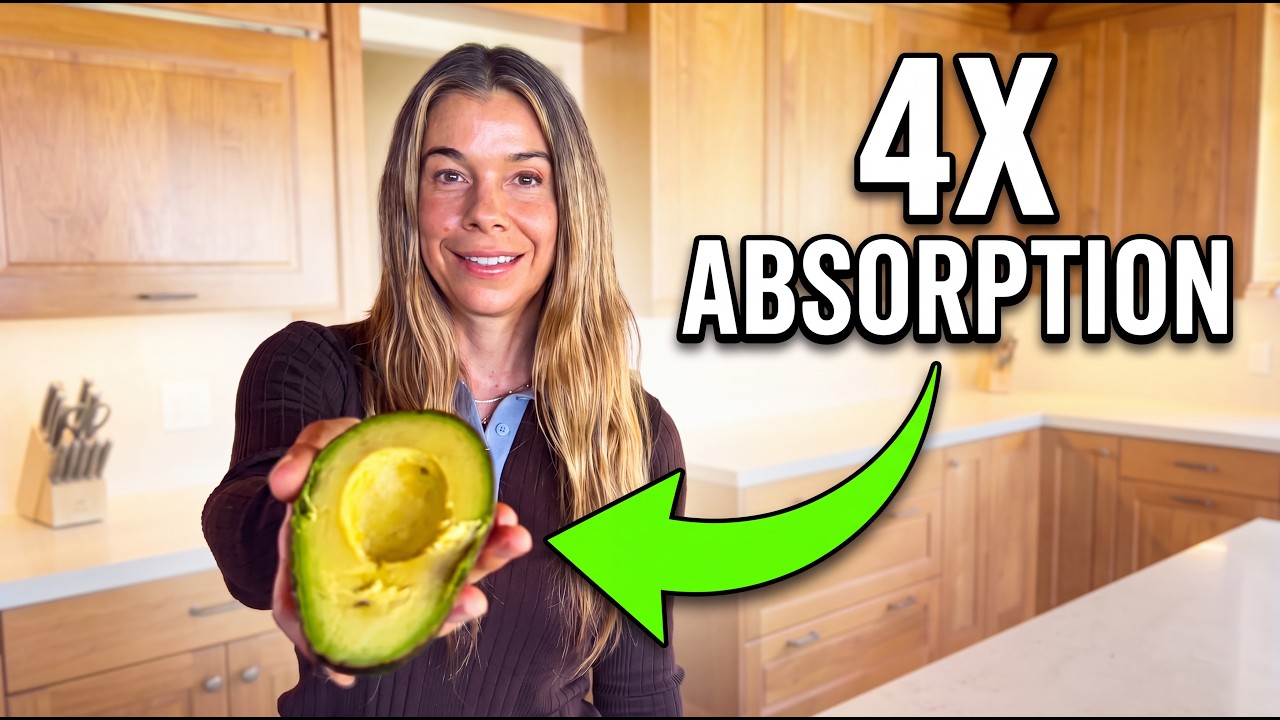
Breakfast often combined eggs with sautéed greens, feta, and a berry-kefir bowl or a kale-and-avocado smoothie. Lunch varied among sardines, mackerel, wild salmon, avocado, nuts, fruit, cheese, and quinoa salad, giving her flexible sources of protein, marine fats, fiber, and fermented foods.
Dinner typically paired fish, chicken, or occasional beef with vegetables or salad. Dr. Patrick presents the menu as a snapshot of what worked for her household, not as a universal diet. The useful structure is consistent meal timing, nutrient-dense foods, and enough flexibility to make the pattern sustainable.
Okay. Jessica says, Aloha, Rhonda. Could you share what a day's worth of meals look like for you? I'd love to know some examples of breakfast, lunch, dinner, snacks, desserts that you have on a typical day. I'd also love to know some of your favorite recipes that you haven't yet shared online. I've seen your smoothie recipes, salmon roe stacks, etc. What are some other go-tos that provide optimal nutrition? Okay. So, like I said, I do time-restricted eating, and I don't— a lot of people that do time-restricted eating, for whatever reason, decide that they're going to skip meals. So they'll skip breakfast to increase their fasting window. I don't do that. I eat breakfast. I don't skip dinner. I don't skip meals for the most part.
I have done that, and I occasionally, if I'm trying to do more of a You know, let my organs rest kind of deal, then I will do like a one meal a day. But that's not something I do every day. I mean, it's one of those things where like, it's, you know, I do that occasionally. And it's more of the trying to have more of a repair rejuvenation process happen. So it's not like a daily routine. Typically for my breakfast, I always try to go high protein. High protein, and I combine that with something that I would consider gut health promoting. So examples are, I usually do either boiled eggs or I'll do scrambled eggs, and I'll do my scrambled eggs with some arugula and a little bit of feta cheese, or I'll do some scrambled eggs with some spinach and cheddar cheese.
But I usually try to do high protein, and then I'll combine the eggs with either a kefir. Smoothie with some berries, or I'll combine it with a kale berry avocado smoothie. So most of the time I'm having eggs and some kind of smoothie, either kefir or a kale berry. And the kefir one also has berries, so the berries are in both of the smoothies. So that's it. Like this morning I had scrambled eggs with a little bit of cheddar cheese, and then I had some kale blueberry strawberry avocado collagen powder smoothie. So that's my breakfast. Like I said, mostly I focus on the high protein, so I'm doing the eggs. Lunch, lunch I sometimes do high protein or sometimes it's kind of low protein and it's a little more of a snack kind of thing. So it depends on like what I'm doing.
Sometimes I'll do lunch, I'll have like sardines and an avocado. I definitely, if I'm doing like a keto round, I do sardines and avocado for lunch. I also— or mackerel. I do mackerel as well, or sometimes I'll do like that canned wild Alaskan salmon. So I'll do that with some lemon, or I'll do some nuts and apple slices and like a little bit of cheese with the apple slices, or sometimes I'll do quinoa salad with some spinach and some, you know, maybe some like broccoli or something in there. And then for dinner. Dinner is also protein and veggies. So for dinner, if I had a salad for lunch, then I'll do grilled veggies for dinner. If I didn't have a salad for lunch, then I'll probably do a big salad for dinner. But I always have either grilled veggies or a salad on the side.
And then my protein examples include, I'll bake some salmon in the oven. I usually do wild Alaskan salmon, or I'll do some cod sometimes, or mahi-mahi sometimes. Most of the time I do salmon. And then I also do chicken kebabs. I'll do some chicken kebabs or chicken thighs for my protein source for dinner. Or I'll do— sometimes I'll do a filet mignon. So, or, you know, sometimes I'll stir fry my chicken with the veggies if I'm doing the grilled veggies. But again, it's mostly like a protein veggie combination for dinner for me. Paul's asking, how many eggs in a breakfast? For myself, it really depends. Like, if I'm not— if I'm going to also do my lunch and stuff, I usually just— I'll do like 3. 3 eggs is good for me. Now, my husband does 4. He's bigger than me.
Jane's asking, if you do 3 meals, how do you do TRE? Like, this is my point. Like, this is my point. Like, you don't have to skip meals to do time-restricted eating. It's not like that. I think somehow on the internet that got popularized, and I guess it's just easier because you don't have to then think about timing. And so it's like you know like if you get up at like the same time every morning and you know eat breakfast at the same time every morning, then you know figure out when you know if you want to eat within an eight hour or ten hour window. Figure out when you have to eat your last meal, and then you can eat three meals within that time window. You don't have to skip meals. Time restricted eating does not mean skipping meals.
It does not mean skipping meals. That means that's caloric restriction. When you skip meals, that's caloric restriction. You're restricting your calories. You're not eating enough food. So I really, I think that you know you have to you have to kind of keep that in mind that time restricted eating does not mean. You have to skip a meal. Maybe people do that for convenience. You know, I like I just don't I don't quite know. For me, I usually eat. I usually eat breakfast at eight o'clock in the morning, and then I have dinner at six. Like I'm I'm a little bit like five thirty. It's like five thirty to six. I'm usually done around six. You know, there are times that I cheat, and I am you know. I eat a little bit later than that for social reasons, and that's just fine.
But that's my— that works for me. And if you're eating from 8 to 6, like, there's plenty of times to eat 3 meals. I mean, there's no reason you have to cut out, you know, 3 meals for that, right? So I really think that please, please keep in mind, time-restricted eating does not mean meal skipping. It does not. Meal skipping is more equivalent to caloric restriction because you're restricting your calories. You're not— you're skipping a whole meal. You know, it's not like time-restricted eating has to do with eating your food in a restricted time window so that you give your body time repair, so that you're eating more in line with the circadian rhythm of your metabolism, those sorts of things.
Hear new content from Rhonda on The Aliquot, our member's only podcast

Listen in on our regularly curated interview segments called "Aliquots" released every week on our premium podcast The Aliquot. Aliquots come in two flavors: features and mashups.
- Hours of deep dive on topics like fasting, sauna, child development surfaced from our enormous collection of members-only Q&A episodes.
- Important conversational highlights from our interviews with extra commentary and value. Short but salient.
Diet News
- Tyrosine, found in things like fruit, spinach, and eggs improves mental speed in a "stopping" task
- Dietary AGEs linked to overeating and 30 percent shorter lifespan in worms.
- Animals fed meat from old animals had a 10% shorter lifespan compared to animals fed meat from young animals.
- Low medication use may promote longevity, according to a study in centenarians.