Rhonda Patrick's Pre-Podcast Strategies for Focus Under Stress
The Omega-3 Supplementation Guide
A blueprint for choosing the right fish oil supplement — filled with specific recommendations, guidelines for interpreting testing data, and dosage protocols.
You'll also receive updates from Rhonda & FoundMyFitness
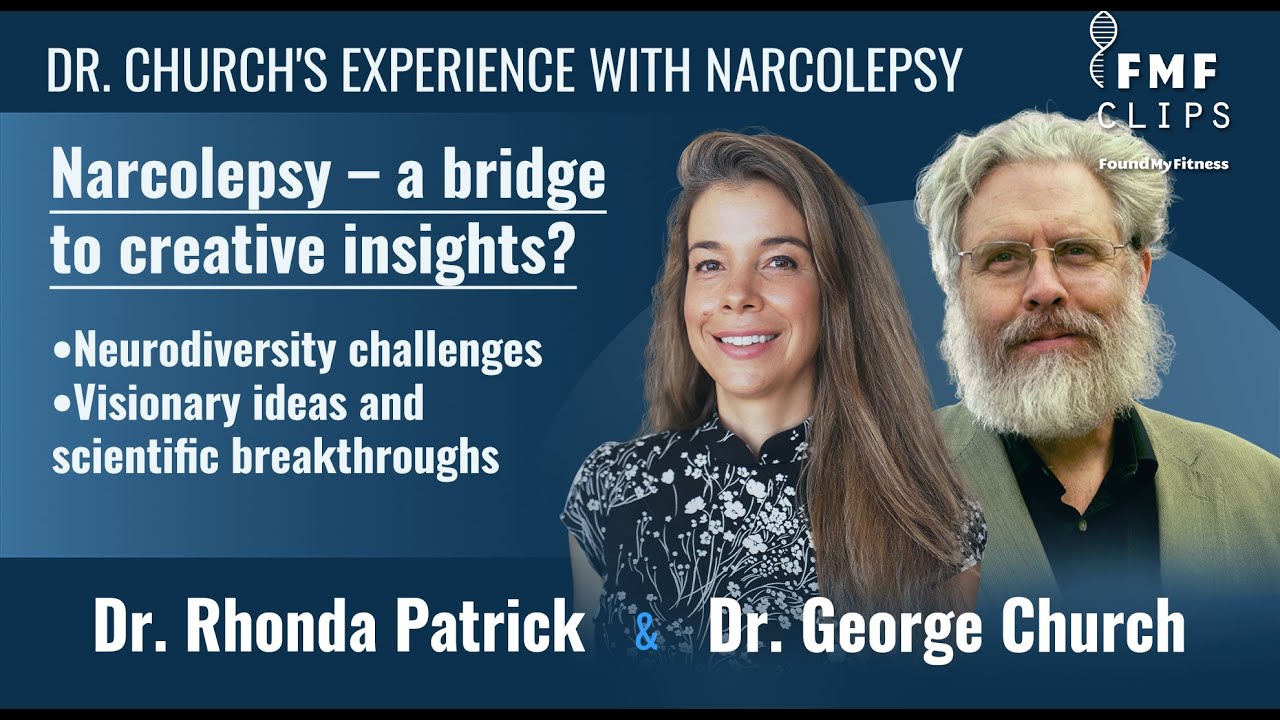
In this clip from Dr. Rhonda Patrick's appearance on PBD Podcast #740, she shares strategies she has used to prepare for focused work under pressure. Brief exercise has the strongest direct support. In a study of 14 healthy young adults, 10 minutes of moderate-to-vigorous cycling improved reaction time on an executive-function eye-movement task. Broader analyses also find small average benefits from acute exercise on selected cognitive tasks, with moderate exercise offering a practical option that does not require an exhausting workout. [1] [2] [3]
Fasting and exogenous ketones offer two different ways to influence energy metabolism. An overnight fast gradually increases fatty-acid use and ketone production, while ketone esters and salts can raise circulating beta-hydroxybutyrate more rapidly. A large analysis found similar short-term cognitive performance in healthy adults whether they were fasted or fed. In a small trial involving adults with obesity, a ketone monoester improved one processing-speed task and selected brain blood-flow measures, providing an early signal for further research. [4] [5]
Temperature can also shape alertness and sleep preparation. Cold water produces a strong sympathetic response that some people find energizing, while the effects depend on the temperature, exposure time, health status, and individual response. For sleep, passive heating has more direct support: a warm bath or shower one to two hours before bed can improve subjective sleep quality and shorten sleep-onset latency. Cold immersion requires a gradual approach, supervision, a safe exit, and extra caution for people with cardiovascular or pulmonary conditions. [6] [7]
This clip is excerpted, with permission, from Dr. Rhonda Patrick's appearance on PBD Podcast #740. Thank you to PBD Podcast for allowing us to share it.
- ^ Samani, Ashna; Heath, Matthew (2018). Executive-related Oculomotor Control Is Improved Following A 10-Min Single-Bout Of Aerobic Exercise: Evidence From The Antisaccade Task Neuropsychologia 108, .
- ^ Chang YK; Labban JD; Gapin JI; Etnier JL (2012). The effects of acute exercise on cognitive performance: a meta-analysis. Brain Res 1453, .
- ^ Moreau D; Chou E (2019). The Acute Effect of High-Intensity Exercise on Executive Function: A Meta-Analysis. Perspect Psychol Sci 14, 5.
- ^ Bamberg C; Moreau D (2025). Acute effects of fasting on cognitive performance: A systematic review and meta-analysis. Psychol Bull 151, 9.
- ^ Walsh JJ; Caldwell HG; Neudorf H; Ainslie PN; Little JP (2021). Short-term ketone monoester supplementation improves cerebral blood flow and cognition in obesity: A randomized cross-over trial. J Physiol 599, 21.
- ^ Cain T; Brinsley J; Bennett H; Nelson M; Maher C; Singh B (2025). Effects of cold-water immersion on health and wellbeing: A systematic review and meta-analysis. PLoS One 20, 1.
- ^ Haghayegh, Shahab; Khoshnevis, Sepideh; Smolensky, Michael H.; Diller, Kenneth R.; Castriotta, Richard (2019). Before-bedtime Passive Body Heating By Warm Shower Or Bath To Improve Sleep: A Systematic Review And Meta-Analysis Sleep Medicine Reviews 46, .
Patrick Bet-David: What helps you stay calm and focused in a high-pressure setting such as public speaking?
Dr. Rhonda Patrick: Brief exercise is the best-supported tactic in this discussion. One study in 14 young adults found that 10 minutes of moderate-to-vigorous cycling improved reaction time on an antisaccade eye-movement task by up to about 50 milliseconds. The result was described as approximately 14 percent, but it was not a 14-percent improvement in overall cognition, memory, intelligence, or debate performance.
Broader meta-analyses find small average benefits from an acute exercise bout on selected executive-function tasks. High intensity is not clearly better than moderate intensity. Exercise can also produce a small reduction in state anxiety for some people, but responses vary and exhausting exercise can temporarily impair performance.
I also sometimes fast before an interview. Fat use occurs in both fed and fasted states. Fasting gradually increases fatty acids and ketone production, but there is no universal 12-hour switch. After an overnight fast, glucose remains an important brain fuel and the ketone increase varies with diet, activity, glycogen, age, and insulin sensitivity.
Beta-hydroxybutyrate is both a fuel and a signaling metabolite. Rodent and cell research links ketone metabolism with BDNF, neuroplasticity, and neurotransmitter pathways. Human evidence does not show that a 12-hour fast acutely raises brain BDNF, creates new neurons, increases GABA, or reliably improves situational anxiety. A large experimental meta-analysis found no meaningful cognitive difference between short-term fasted and fed states in healthy adults.
I have also used exogenous ketones before public speaking. Ketone esters and salts can rapidly raise blood BHB and temporarily suppress lipolysis. They do not reproduce all effects of fasting. Small human studies report mixed cognitive results, and no validated dose has been shown to prevent public-speaking anxiety in healthy people.
Exogenous ketones add energy and can reduce endogenous fat use during the dosing window. They do not automatically stop long-term fat loss, which depends on sustained energy balance. Products differ by ester, salt, dose, mineral load, and stereoisomer content. Nausea, reflux, cramps, diarrhea, taste, glucose lowering, and electrolyte load can matter.
Another practice is deliberate cold exposure. Cold water creates a strong sympathetic and catecholamine response that many people find alerting afterward. Controlled evidence does not show that two minutes at 49 degrees Fahrenheit reliably improves focus or lowers anxiety. Immersion can initially cause gasping, hyperventilation, panic, rapid heart rate, and a blood-pressure spike.
Cold immersion is not appropriate for everyone. Never plunge alone or combine breath-holding with water exposure. Cardiovascular disease, arrhythmia, uncontrolled hypertension, fainting or seizure history, cold urticaria, Raynaud disease, pregnancy, pulmonary disease, and medicines that affect temperature control require extra caution or clinical guidance.
PBD co-host: What about cold exposure or sauna before sleep?
Dr. Rhonda Patrick: A warm bath or shower one to two hours before bed has better evidence than a bedtime cold plunge. Passive heating can improve subjective sleep quality and shorten sleep-onset latency by increasing skin blood flow and supporting the later decline in core temperature. Evidence for deeper sleep is less certain.
Claims that sauna improves sleep through “somnogenic cytokines” are mechanistic speculation. Cold exposure close to bed can be alerting. Temperature, humidity, session length, hydration, health status, and individual response matter more than one fixed sauna temperature or a universal heat-cold sequence.
Get email updates with the latest curated healthspan research
Support our work
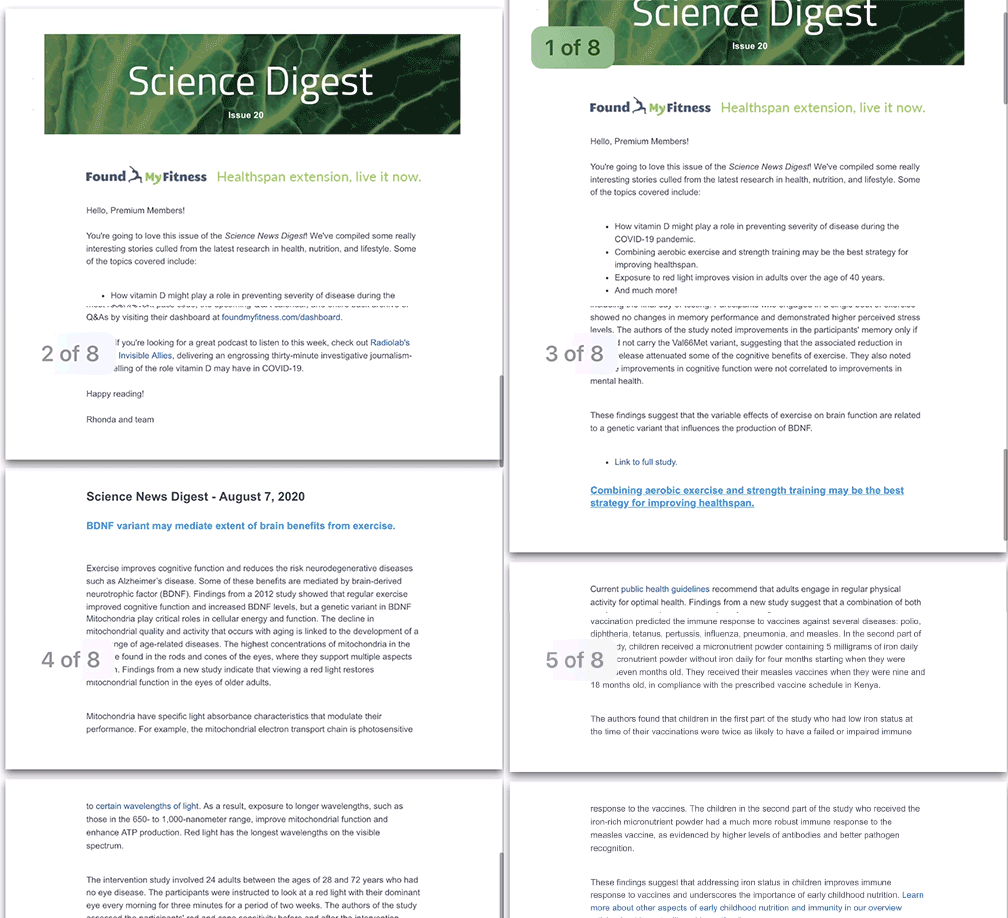
Every other week premium members receive a special edition newsletter that summarizes all of the latest healthspan research.
Cognition News
- Late-life treatment with the GLP-1 receptor agonist semaglutide extended lifespan, preserved physical function, and improved memory in female mice.
- Three midlife vascular risk factors were linked to nearly 13 fewer dementia-free years.
- Omega-3 supplementation during pregnancy altered children's brain metabolism a decade later.
- Hormone replacement therapy may be linked to better cognitive performance in aging women.
- Parenthood may be linked to better cognitive performance and younger-looking brains.