Why Looking Lean Does Not Rule Out Visceral Fat
The Omega-3 Supplementation Guide
A blueprint for choosing the right fish oil supplement — filled with specific recommendations, guidelines for interpreting testing data, and dosage protocols.
You'll also receive updates from Rhonda & FoundMyFitness
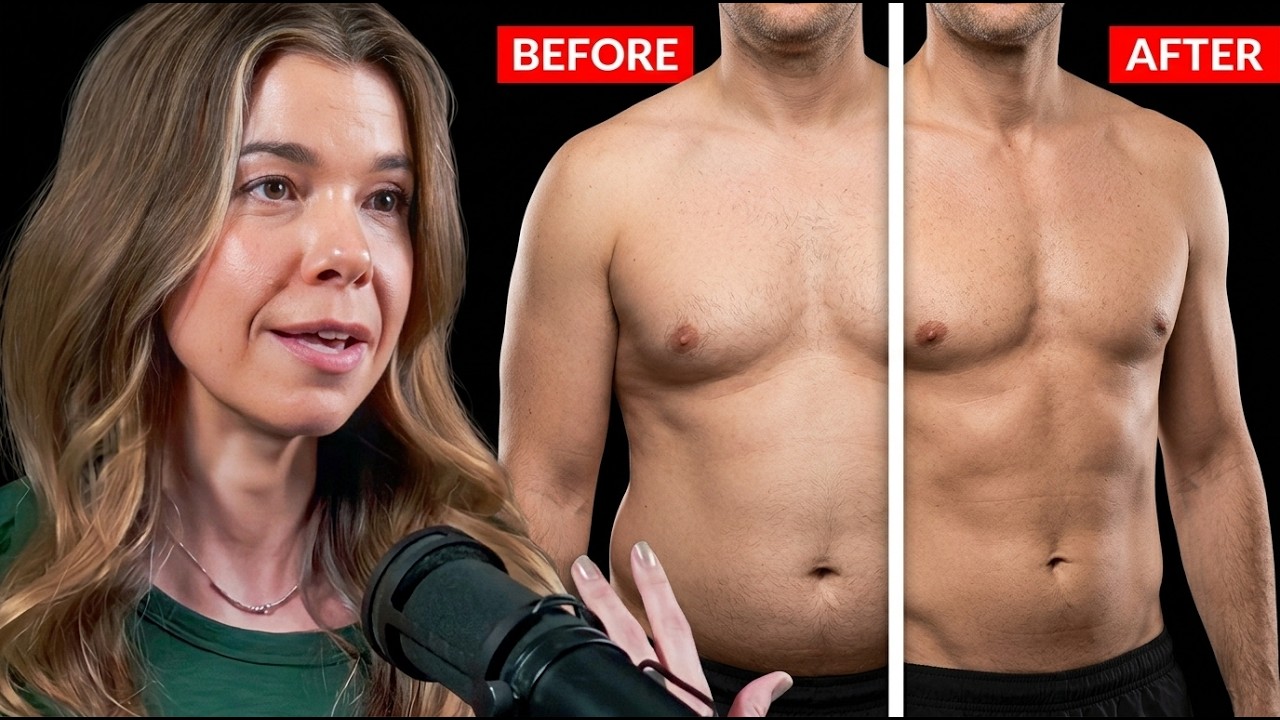
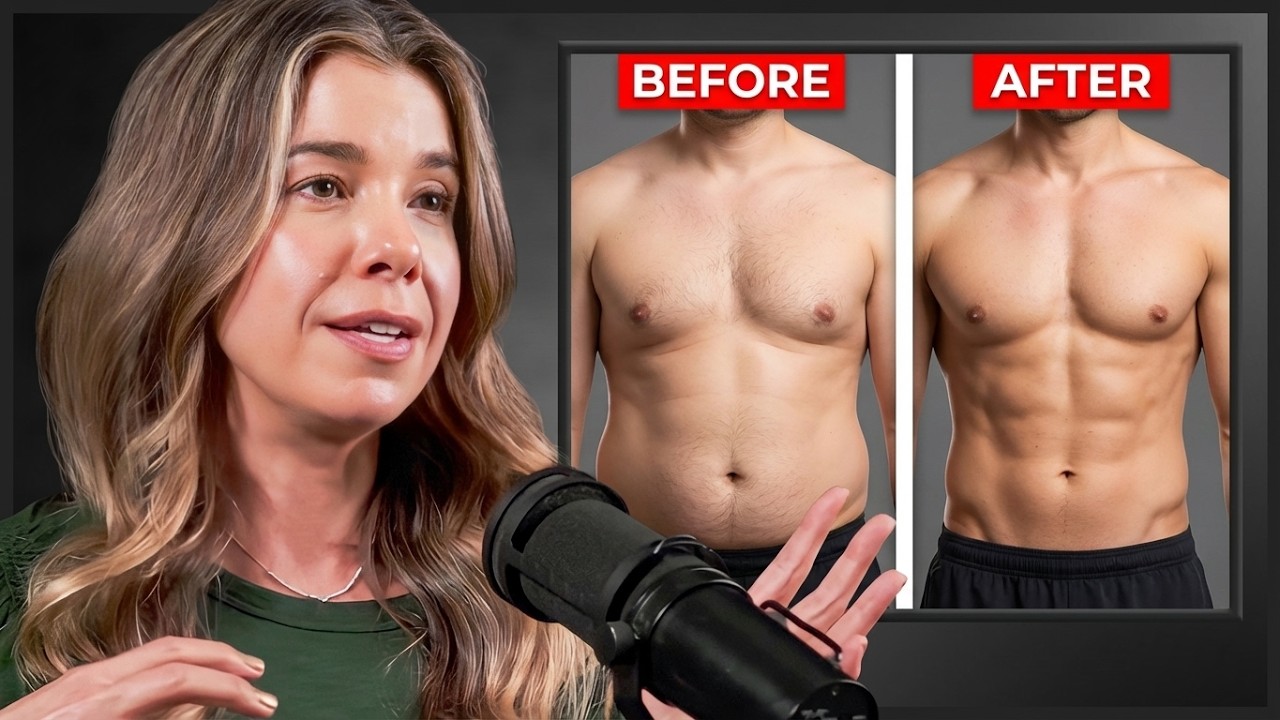
In this clip from a conversation between Dr. Rhonda Patrick and Thomas DeLauer, she explains why body weight and appearance alone cannot reveal visceral-fat risk. Visceral fat is stored inside the abdomen around internal organs, while the fat that can be pinched beneath the skin is subcutaneous. A person at a normal body weight can still have increased visceral fat, liver fat, low muscle mass, insulin resistance, abnormal lipids, hypertension, or diabetes. [1]
Excess visceral fat is metabolically active. It is associated with altered adipokine signaling, immune-cell infiltration, inflammation, and fatty-acid delivery to the liver. These processes can contribute to impaired insulin signaling, increased liver glucose production, and reduced muscle glucose uptake. Imaging studies also associate higher visceral fat with increased cancer incidence in some populations, while large cohort analyses link greater waist circumference with higher all-cause mortality. [2] [3]
Waist circumference offers an inexpensive way to screen for central adiposity and track change over time. Common U.S. action thresholds are 35 inches for women and 40 inches for men, although suitable thresholds vary with ancestry, sex, age, height, and guideline. A consistent waist measurement is most useful alongside blood pressure, fasting lipids, glucose or A1c, family history, and clinical context. Regular aerobic and resistance exercise, sustainable nutrition, adequate sleep, and reduced excess alcohol support metabolic health across body sizes.
This clip is excerpted, with permission, from Dr. Rhonda Patrick's appearance on Thomas DeLauer's podcast. Thank you to Thomas DeLauer for allowing us to share it.
- ^ Gómez-Zorita S; Queralt M; Vicente MA; González M; Portillo MP (2021). Metabolically healthy obesity and metabolically obese normal weight: a review. J Physiol Biochem 77, 1.
- ^ Britton KA; Massaro JM; Murabito JM; Kreger BE; Hoffmann U; Fox CS (2013). Body fat distribution, incident cardiovascular disease, cancer, and all-cause mortality. J Am Coll Cardiol 62, 10.
- ^ Kammerlander AA; Lyass A; Mahoney TF; Massaro JM; Long MT; Vasan RS, et al. (2021). Sex Differences in the Associations of Visceral Adipose Tissue and Cardiometabolic and Cardiovascular Disease Risk: The Framingham Heart Study. J Am Heart Assoc 10, 11.
Thomas DeLauer: If someone does not have access to imaging, how can they assess visceral-fat risk?
Dr. Rhonda Patrick: Waist circumference is a practical screening measure for central adiposity and cardiometabolic risk. Common U.S. action thresholds are 35 inches for women and 40 inches for men, but the appropriate threshold varies by ancestry, sex, age, height, and guideline. Risk also rises below those cutoffs. A waist measurement cannot directly quantify visceral fat.
Visceral adipose tissue is intra-abdominal fat around internal organs. It differs from the pinchable subcutaneous fat under the skin. Not all visible belly fat is visceral, and fat stored inside the liver or pancreas is a separate ectopic-fat compartment. CT and MRI are the reference imaging methods. DXA provides an estimate and is not usually needed for routine risk assessment.
Thomas DeLauer: Can a person look lean and still have increased visceral fat or metabolic problems?
Dr. Rhonda Patrick: Yes. Normal body weight does not exclude increased visceral fat, liver fat, low muscle mass, insulin resistance, abnormal lipids, hypertension, or diabetes. Definitions of metabolically unhealthy normal weight vary, and not every person in that category has excess visceral fat. Waist, blood pressure, fasting lipids, glucose or A1c, family history, and clinical context are more useful than appearance alone.
Excess visceral fat is metabolically active. It is associated with higher lipolysis, altered adipokine signaling, immune-cell infiltration, and low-grade inflammation. Some visceral-fat drainage reaches the liver through the portal circulation. However, upper-body subcutaneous fat supplies much of the body's free fatty acids, and visceral fat is only one contributor to insulin resistance.
Fatty-acid oversupply and lipid intermediates can impair insulin signaling, increase liver glucose production, and reduce muscle glucose uptake. This is not simple blockage of insulin receptors. Liver fat, muscle lipid, adipose dysfunction, sleep, medicines, genetics, diet, and physical activity also affect insulin sensitivity.
Insulin resistance can lead to larger glucose and insulin excursions after meals. It does not routinely cause true hypoglycemia. Post-meal fatigue and cravings are nonspecific and cannot diagnose visceral fat or insulin resistance. Recurrent symptoms with measured low glucose need medical evaluation.
Excess adiposity and metabolic disease are associated with fatigue, but visceral fat is often clinically silent. Poor sleep, sleep apnea, anemia, thyroid disease, depression, infection, medicines, and diabetes are among the many other causes of fatigue.
Higher imaging-measured visceral fat is associated with greater cancer incidence in some observational cohorts. In one Framingham analysis, each one-standard-deviation increase in CT-measured visceral fat was associated with a 43 percent higher overall cancer hazard. That was not a binary comparison of people with and without high visceral fat. The study had 141 cancers, could not establish the same increase for each cancer type, adjusted for BMI rather than proving independence from waist circumference, and did not find a significant all-cause-mortality association.
Inflammatory signaling, insulin and IGF pathways, sex hormones, oxidative stress, and tumor-adipose interactions may help explain associations between obesity and some cancers. These mechanisms do not show that visceral-fat cytokines directly or inevitably transform a normal human cell into cancer.
Central adiposity is also associated with higher mortality in large observational cohorts. The magnitude varies by sex, BMI, measurement, and comparison group. A broad dose-response meta-analysis found about an 11 percent higher all-cause-mortality hazard per 10-centimeter larger waist, not a universal doubling of risk.
Waist circumference is useful because it is inexpensive and easy to track. Measure it consistently with a nonstretch tape on bare skin after a normal exhalation. Use it with other health measures rather than as a diagnosis or an explanation for nonspecific symptoms.
Supporting our work
If you enjoy the fruits of
 , you can participate in helping us to keep improving it. Creating a premium subscription does just that! Plus, we throw in occasional member perks and, more importantly, churn out the best possible content without concerning ourselves with the wishes of any dark overlords.