Why Mushrooms Are a Rich Source of Ergothioneine
The BDNF Protocol Guide
An essential checklist for cognitive longevity — filled with specific exercise, heat stress, and omega-3 protocols for boosting BDNF. Enter your email, and we'll deliver it straight to your inbox.
You'll also receive updates from Rhonda & FoundMyFitness
Mushrooms are a distinctive dietary source of ergothioneine, a sulfur-containing compound made by fungi and certain bacteria. In this clip from Q&A #53, Dr. Rhonda Patrick discusses why her mentor Dr. Bruce Ames considered it a candidate longevity vitamin. She focuses on its potential to help cells manage oxidative stress, especially around mitochondria, where energy production also generates reactive oxygen species. In cell experiments, reducing the ergothioneine transporter increased oxidative damage, including damage to mitochondrial DNA, providing a mechanistic basis for studying this compound. [1]
Human research shows that ingested ergothioneine reaches the bloodstream and is retained by the body. In a small placebo-controlled study using 5- and 25-milligram doses, supplementation raised plasma and whole-blood ergothioneine, while urinary loss remained low. Several oxidative-damage and inflammation markers moved downward, although most changes were not statistically significant. Dr. Patrick uses this early work to explain why tissue accumulation, transport, and longer-term studies matter when evaluating a possible benefit. [2]
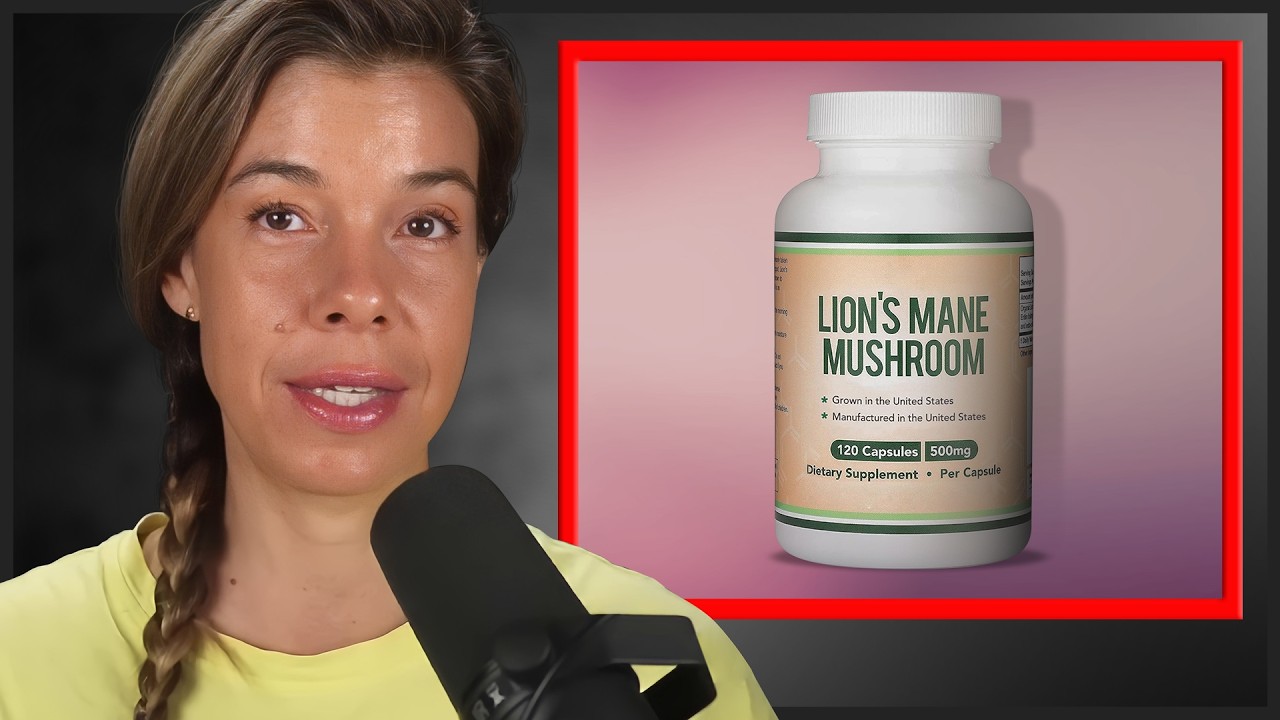
Her practical focus is on eating mushrooms, particularly oyster mushrooms and king boletes, rather than treating one supplement as a substitute for food. An analysis of mushroom species found large differences in ergothioneine and glutathione content, with some varieties providing much more of these antioxidants than others. Mushrooms also contribute nutrients and beta-glucans, which Dr. Patrick discusses in relation to the gut microbiome and immune function. She closes by considering supplement quality and an open question about how cooking affects ergothioneine, keeping food choice, preparation, and the developing research connected. [3]
- ^ Paul BD; Snyder SH (2010). The unusual amino acid L-ergothioneine is a physiologic cytoprotectant. Cell Death Differ 17, 7.
- ^ Cheah IK; Tang RM; Yew TS; Lim KH; Halliwell B (2017). Administration of Pure Ergothioneine to Healthy Human Subjects: Uptake, Metabolism, and Effects on Biomarkers of Oxidative Damage and Inflammation. Antioxid Redox Signal 26, 5.
- ^ Kalaras, Michael D.; Richie, John P.; Calcagnotto, Ana; Beelman, Robert B. (2017). Mushrooms: A Rich Source Of The Antioxidants Ergothioneine And Glutathione Food Chemistry 233, .
This transcript is reserved for members.
FoundMyFitness Members get access to exclusive content not available anywhere else, including a transcript of this episode.
You wouldn't believe how cool being a premium member of the world's best cross-disciplinary science-focused website and podcast really is.
Hear new content from Rhonda on The Aliquot, our member's only podcast
Listen in on our regularly curated interview segments called "Aliquots" released every week on our premium podcast The Aliquot. Aliquots come in two flavors: features and mashups.
- Hours of deep dive on topics like fasting, sauna, child development surfaced from our enormous collection of members-only Q&A episodes.
- Important conversational highlights from our interviews with extra commentary and value. Short but salient.