The 'Big Mac effect:' the unhealthy combination of refined carbohydrates and saturated fat
Get the full length version of this episode as a podcast.
This episode will make a great companion for a long drive.

The Omega-3 Supplementation Guide
A blueprint for choosing the right fish oil supplement — filled with specific recommendations, guidelines for interpreting testing data, and dosage protocols.
You'll also receive updates from Rhonda & FoundMyFitness
What if someone told you the burger combo meal ordered ubiquitously from dive-thru windows around the world may have a worse effect on cardiovascular health than previously expected? The “Big Mac effect”, a colloquial term coined by Ronald Krauss, refers to this negative impact, which may become the focus of a full-fledged nutritional research study once funding is available. In this clip, Ronald Krauss discusses the negative combinative effect of consuming added sugars and saturated fat together.
This transcript is reserved for members.
FoundMyFitness Members get access to exclusive content not available anywhere else, including a transcript of this episode.
You wouldn't believe how cool being a premium member of the world's best cross-disciplinary science-focused website and podcast really is.
Get email updates with the latest curated healthspan research
Support our work
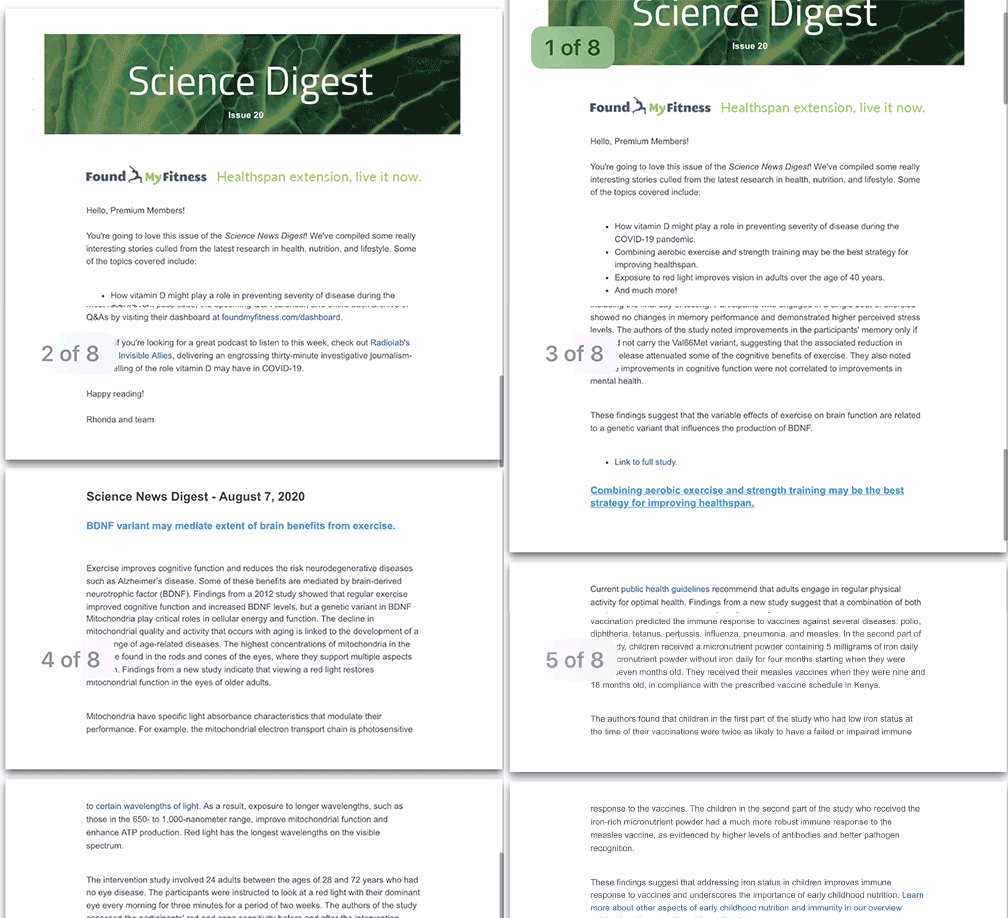
Every other week premium members receive a special edition newsletter that summarizes all of the latest healthspan research.