Breast milk contains stem cells, which can be passed to the infant | The Biology of Breast Milk
Get the full length version of this episode as a podcast.
This episode will make a great companion for a long drive.

The BDNF Protocol Guide
An essential checklist for cognitive longevity — filled with specific exercise, heat stress, and omega-3 protocols for boosting BDNF. Enter your email, and we'll deliver it straight to your inbox.
You'll also receive updates from Rhonda & FoundMyFitness
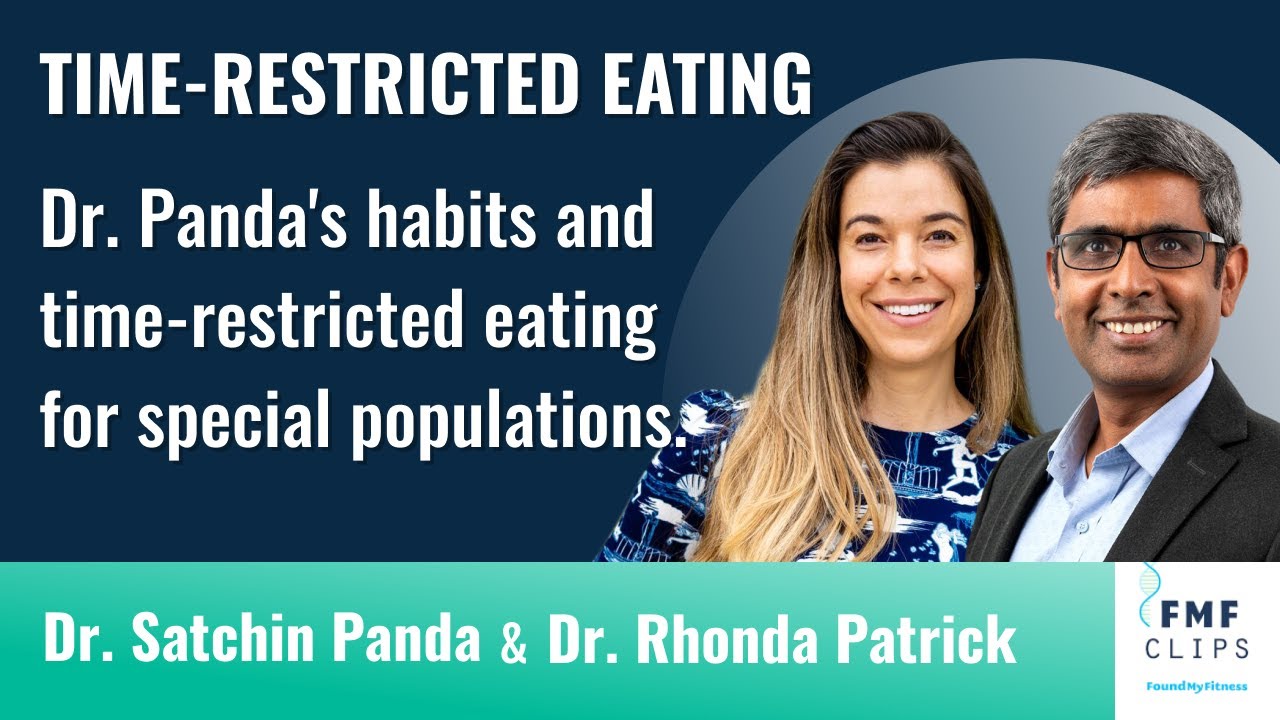
Stem cells have the potential to develop into different types of cells in the body. These cells are undifferentiated, so they cannot do specific functions in the body. Instead, they have the potential to become specialized cells, such as muscle, blood, or brain cells. Human breast milk contains mammary stem cells – precursor cells from the mother that may help establish organs like the liver, kidneys, pancreas, and brain, a phenomenon known as microchimerism. In this clip, Dr. Rhonda Patrick describes the strange phenomenon and role of mammary stem cells in breast milk.
This transcript is reserved for members.
FoundMyFitness Members get access to exclusive content not available anywhere else, including a transcript of this episode.
You wouldn't believe how cool being a premium member of the world's best cross-disciplinary science-focused website and podcast really is.
Attend Monthly Q&As with Rhonda
Support our work

The FoundMyFitness Q&A happens monthly for premium members. Attend live or listen in our exclusive member-only podcast The Aliquot.
Breast milk News
- Breastfeeding for 12 months or more linked to higher math and English test scores in 16-year-olds.
- Breastfeeding for six months or more appears to reduce the risk of cardiovascular problems developing in mothers for at least three years after delivery, according to new study.
- Maternal dietary intake of omega-3 fatty acids has beneficial effects on infant brain development
- High maternal sugar intake during lactation impairs cognitive development in breastfed infants.