How Two Years of Exercise Improved Heart Stiffness in Midlife
The BDNF Protocol Guide
An essential checklist for cognitive longevity — filled with specific exercise, heat stress, and omega-3 protocols for boosting BDNF. Enter your email, and we'll deliver it straight to your inbox.
You'll also receive updates from Rhonda & FoundMyFitness
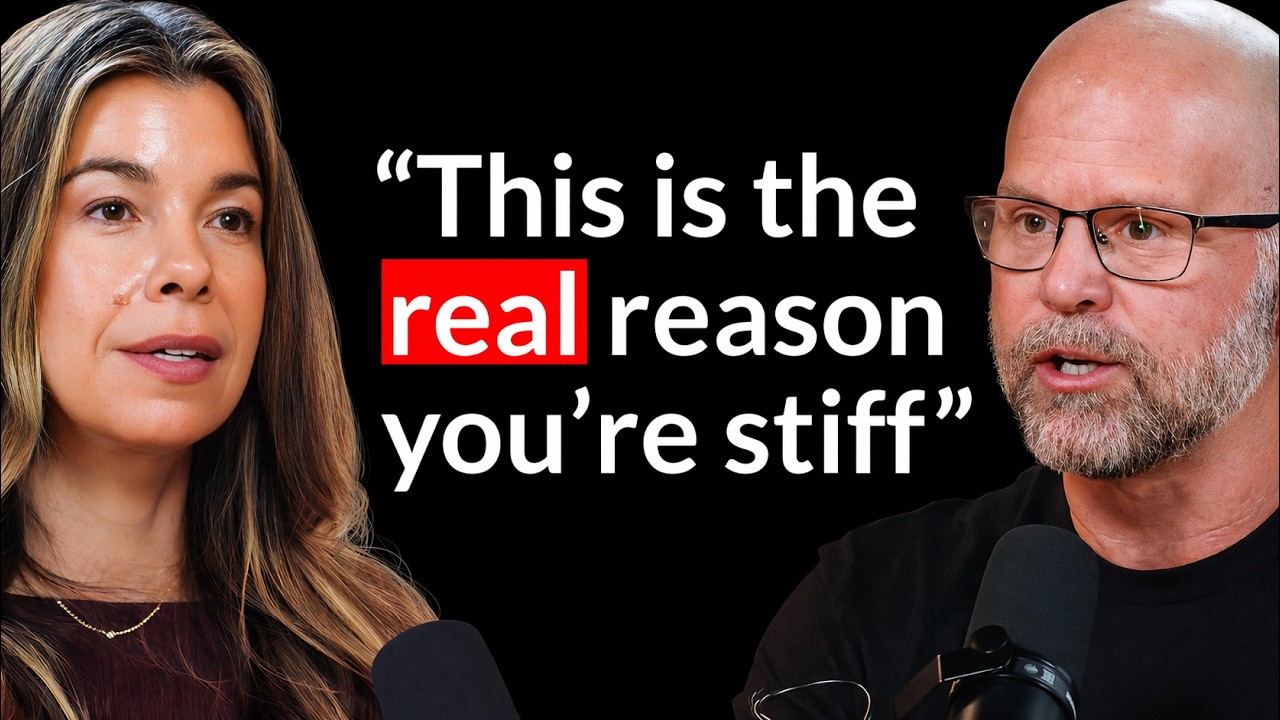
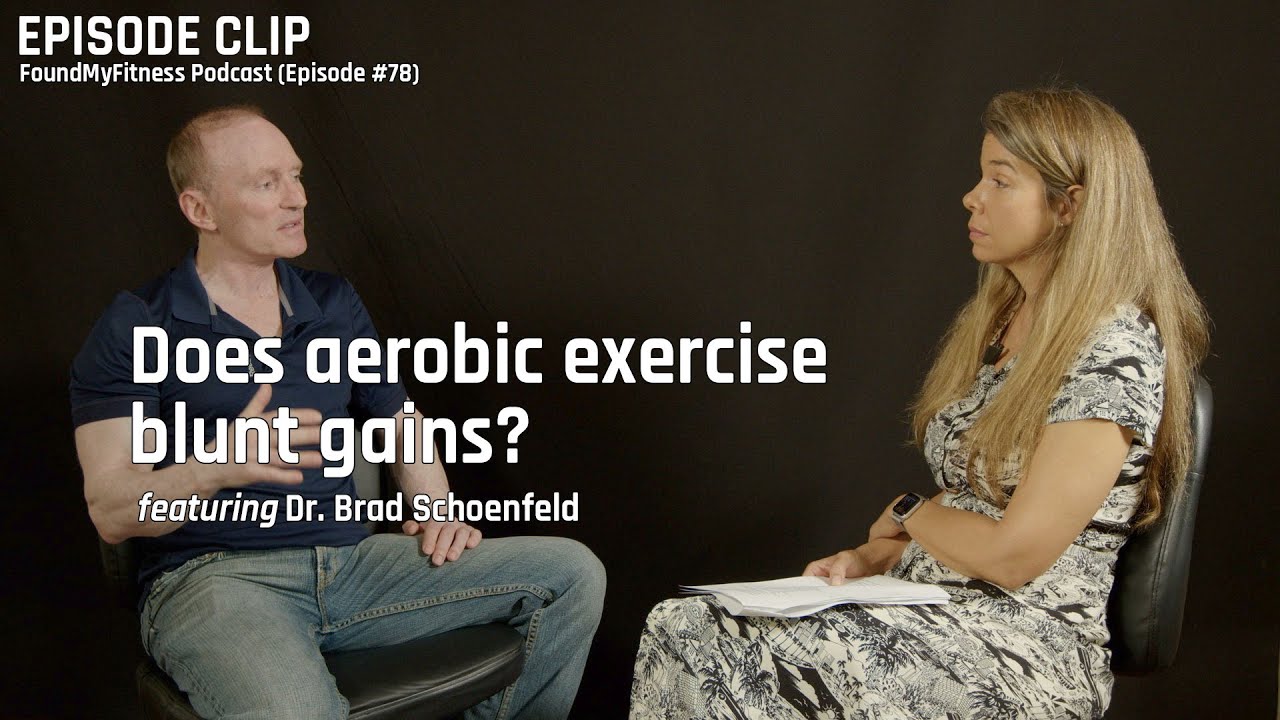
In this clip from Dr. Rhonda Patrick's appearance on Next Question with Katie Couric, she explains how sustained exercise can improve cardiovascular fitness and the heart's ability to fill efficiently during middle age. A randomized trial enrolled healthy sedentary adults ages 45 to 64 in two years of progressive supervised training or an attention-control program. Among the 53 participants who completed the study, exercise increased VO2 max by 18 percent, increased left-ventricular end-diastolic volume, and reduced left-ventricular stiffness. [1]
The program gradually progressed toward four to five sessions each week. It combined aerobic intervals, continuous moderate exercise, recovery sessions, and strength training, with average adherence of approximately 88 percent. This full progression is important because the cardiac changes followed two years of consistent, varied training rather than one workout type. The results show that previously sedentary adults in midlife can make meaningful improvements in cardiorespiratory fitness and cardiac compliance through structured exercise. [1]
Cardiovascular health also supports the brain by maintaining the circulation that delivers oxygen, fuel, and nutrients. Blood-brain-barrier dysfunction has been observed with aging, vascular risk, APOE4, and early cognitive impairment, which reinforces the value of managing cardiovascular risk across the lifespan. A related exercise trial in adults around age 67 improved fitness without changing left-ventricular stiffness, suggesting that age and starting health can influence structural adaptation. A practical prevention plan combines gradual aerobic and resistance exercise with blood-pressure monitoring, lipid and diabetes assessment, smoking avoidance, sufficient sleep, and clinician-guided treatment when indicated. [2] [3]
This clip is excerpted, with permission, from Dr. Rhonda Patrick's appearance on Katie Couric's Next Question. Thank you to Katie Couric and Next Question for allowing us to share it.
- ^ a b Howden, Erin J.; Sarma, Satyam; Lawley, Justin S; Opondo, Mildred; Cornwell, William; Stoller, Douglas, et al. (2018). Reversing The Cardiac Effects Of Sedentary Aging In Middle Age—A Randomized Controlled Trial Circulation 137, 15.
- ^ Fujimoto N; Hastings JL; Carrick-Ranson G; Shafer KM; Shibata S; Bhella PS, et al. (2013). Cardiovascular effects of 1 year of alagebrium and endurance exercise training in healthy older individuals. Circ Heart Fail 6, 6.
- ^ Montagne A; Nation DA; Sagare AP; Barisano G; Sweeney MD; Chakhoyan A, et al. (2020). APOE4 leads to blood-brain barrier dysfunction predicting cognitive decline. Nature 581, 7806.
Katie Couric: Is a healthy heart the key to healthy aging?
Dr. Rhonda Patrick: Heart and vascular health are major parts of healthy aging because circulation supplies oxygen, fuel, and nutrients to every organ, including the brain.
A randomized trial from Dr. Benjamin Levine's group enrolled healthy sedentary adults aged 45 to 64. Fifty-three people completed two years of progressive supervised training or an attention-control program.
The exercise program built gradually toward four to five sessions per week. It included aerobic intervals, continuous moderate work, recovery sessions, and strength training. Adherence averaged about 88 percent.
The program increased VO2 max by about 18 percent, increased left-ventricular end-diastolic volume, and reduced left-ventricular stiffness. These are meaningful improvements in fitness and cardiac compliance.
The study did not measure a validated heart age or show that hearts literally became 20 years younger. That phrase is an analogy based on comparisons with prior cross-sectional work. Stiffness decreased; it was not eliminated. The trial also did not test heart attacks, heart failure, dementia, or mortality.
Middle age is not too late to improve cardiovascular fitness and cardiac function. The exact structural response may differ in older adults or people with established disease. A related trial in adults around age 67 improved fitness but did not improve left-ventricular stiffness.
Cardiovascular health also supports brain health. Blood-brain-barrier dysfunction can accompany aging, vascular risk, APOE4, and early cognitive impairment. Human evidence does not show that inactivity makes brain capillaries fall off or that exercise prevents Alzheimer disease by repairing the blood-brain barrier.
Katie Couric: What happens when people do not care for their heart?
Dr. Rhonda Patrick: Poor cardiovascular risk control raises the chance of hypertension, atherosclerosis, coronary disease, and heart failure. These outcomes are not inevitable, and risk depends on genetics, health conditions, behavior, and environment.
Exercise, blood-pressure measurement, lipid and diabetes assessment, smoking avoidance, sleep, and clinician-guided prevention can reduce risk. Medication is also an evidence-based preventive tool when indicated.
Hear new content from Rhonda on The Aliquot, our member's only podcast
Listen in on our regularly curated interview segments called "Aliquots" released every week on our premium podcast The Aliquot. Aliquots come in two flavors: features and mashups.
- Hours of deep dive on topics like fasting, sauna, child development surfaced from our enormous collection of members-only Q&A episodes.
- Important conversational highlights from our interviews with extra commentary and value. Short but salient.