What Five Days of High-Calorie Snack Overeating Did to Brain Insulin Signaling
The Omega-3 Supplementation Guide
A blueprint for choosing the right fish oil supplement — filled with specific recommendations, guidelines for interpreting testing data, and dosage protocols.
You'll also receive updates from Rhonda & FoundMyFitness
A small 2025 study examined how five days of sweet and fatty snack overfeeding affected 29 healthy young men. Participants recorded consuming approximately 1,200 extra calories per day. Average liver fat increased from 1.55 to 2.54 percent, and regional brain responses to intranasal insulin changed. Body weight, MRI-measured visceral fat, peripheral insulin sensitivity, inflammatory markers, hypothalamic response, and fasting cravings remained stable over the short intervention. [1]
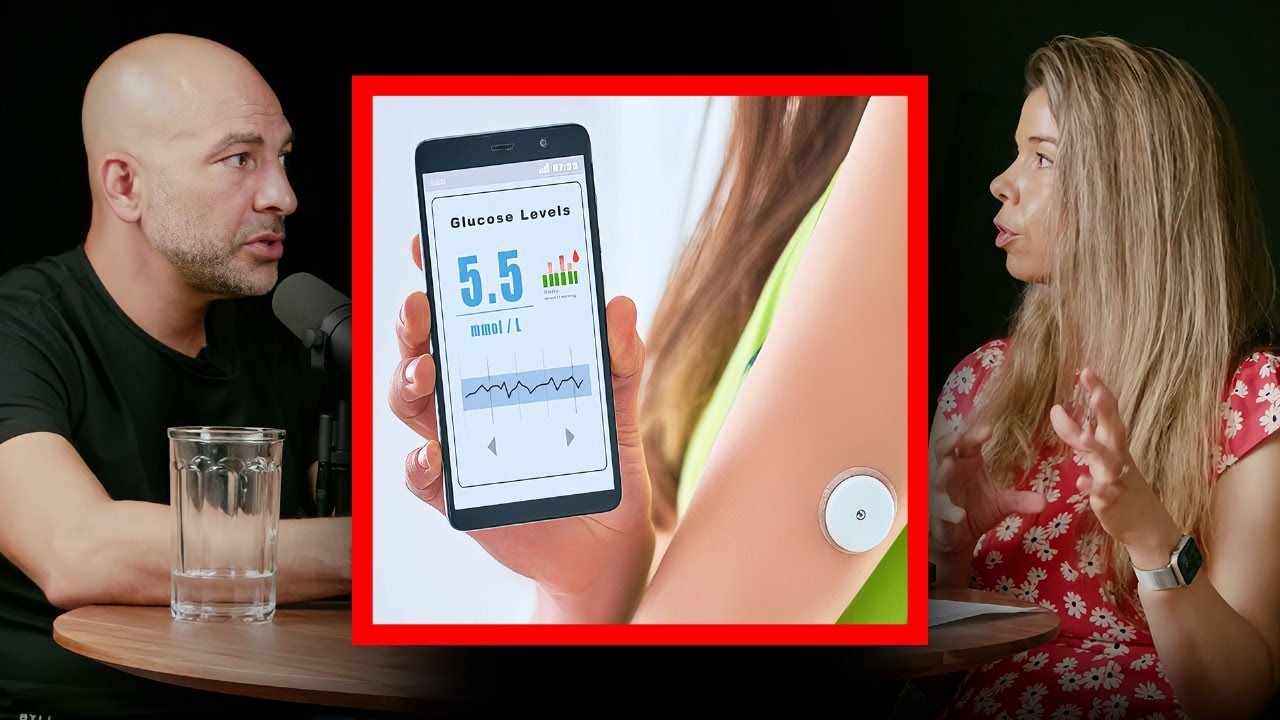
In this clip from a conversation between Dr. Rhonda Patrick and Thomas DeLauer, she explains how liver fat, visceral fat, and brain insulin signaling relate to metabolic health. These are distinct but connected systems. Brain insulin signaling participates in appetite and energy regulation, while visceral fat can deliver fatty acids and inflammatory signals toward the liver. Human imaging research associates stronger hypothalamic insulin responsiveness with less visceral fat and better long-term weight-loss maintenance. [2]
A separate randomized inpatient trial helps place the five-day experiment in a broader dietary context. Twenty adults ate about 508 more calories per day and gained approximately 0.9 kilograms during two weeks on an ultra-processed diet compared with a minimally processed diet. Regular exercise can improve insulin sensitivity and reduce visceral and liver fat, making sustainable food quality, energy balance, physical activity, and sleep practical long-term targets for metabolic health. [3] [4] [5] [6]
This clip is excerpted, with permission, from Dr. Rhonda Patrick's appearance on Thomas DeLauer's podcast. Thank you to Thomas DeLauer for allowing us to share it.
- ^ Kullmann S; Wagner L; Hauffe R; Kühnel A; Sandforth L; Veit R, et al. (2025). A short-term, high-caloric diet has prolonged effects on brain insulin action in men. Nat Metab 7, 3.
- ^ Kullmann S; Valenta V; Wagner R; Tschritter O; Machann J; Häring HU, et al. (2020). Brain insulin sensitivity is linked to adiposity and body fat distribution. Nat Commun 11, 1.
- ^ Ahmed M. Gharib; Alexis Ayuketah; Amber B. Courville; Ciarán G. Forde; Elise Costa; Hongyi Cai, et al. (2019). Ultra-Processed Diets Cause Excess Calorie Intake And Weight Gain: An Inpatient Randomized Controlled Trial Of Ad Libitum Food Intake Cell Metabolism 30, 1.
- ^ Recchia F; Leung CK; Yu AP; Leung W; Yu DJ; Fong DY, et al. (2023). Dose-response effects of exercise and caloric restriction on visceral adiposity in overweight and obese adults: a systematic review and meta-analysis of randomised controlled trials. Br J Sports Med 57, 16.
- ^ Nam H; Yoo JJ; Cho Y; Kang SH; Ahn SB; Lee HW, et al. (2023). Effect of exercise-based interventions in nonalcoholic fatty liver disease: A systematic review with meta-analysis. Dig Liver Dis 55, 9.
- ^ Rinella ME; Neuschwander-Tetri BA; Siddiqui MS; Abdelmalek MF; Caldwell S; Barb D, et al. (2023). AASLD Practice Guidance on the clinical assessment and management of nonalcoholic fatty liver disease. Hepatology 77, 5.
Thomas DeLauer: Are visceral fat and liver fat proxies for each other?
Dr. Rhonda Patrick: Liver fat and visceral fat often occur together, but they are different compartments and can be discordant. Visceral fat drains signals and free fatty acids toward the liver through the portal circulation. Liver fat does not simply spread through the portal vein to the intestines or pancreas.
Brain insulin signaling participates in appetite and energy regulation, and lower measured responsiveness is associated with less favorable fat distribution. However, “brain insulin resistance” is a research construct without a routine clinical test. It does not mean the brain mechanically routes one meal to the abdomen.
Rapidly absorbed carbohydrates can produce larger glucose and insulin excursions than intact, fiber-rich foods. A glucose crash is not inevitable, and fatigue or cravings do not diagnose reactive hypoglycemia or brain insulin resistance.
Thomas DeLauer: It may help to explain how quickly a high-calorie diet can affect the brain and fat distribution.
Dr. Rhonda Patrick: A small 2025 study asked healthy young men to add about 1,500 calories per day of supplied sweet and fatty ultra-processed snacks for five days. Food records suggested that they actually consumed about 1,200 extra calories per day.
The study found that average liver fat increased and regional brain blood-flow responses to intranasal insulin changed. Average body weight, visceral fat, peripheral insulin-sensitivity measures, inflammatory markers, and hypothalamic insulin response did not change significantly. The study also found no group difference in fasting desire to eat or cravings.
This does not show that five days of snacks caused visceral-fat gain, brain inflammation, neuron death, or Alzheimer's disease. It also cannot separate the effects of excess calories, sugar, saturated fat, processing, and palatability because all changed together.
A separate controlled inpatient trial found that 20 adults ate about 500 more calories per day on an ultra-processed diet than on a minimally processed diet and gained weight during the two-week ultra-processed phase. That experiment did not prove that disrupted brain insulin signaling was the mechanism or that every ultra-processed food has the same effect.
Exercise improves insulin sensitivity and can reduce visceral and liver fat. It is not a cure or permission slip that erases all effects of frequent energy-dense foods. Long-term risk reduction depends on sustained diet quality, energy balance, physical activity, sleep, and clinical care when metabolic or liver disease is present.
Get email updates with the latest curated healthspan research
Support our work
Every other week premium members receive a special edition newsletter that summarizes all of the latest healthspan research.