Why Vigorous Exercise Is So Time-Efficient for Health
The BDNF Protocol Guide
An essential checklist for cognitive longevity — filled with specific exercise, heat stress, and omega-3 protocols for boosting BDNF. Enter your email, and we'll deliver it straight to your inbox.
You'll also receive updates from Rhonda & FoundMyFitness
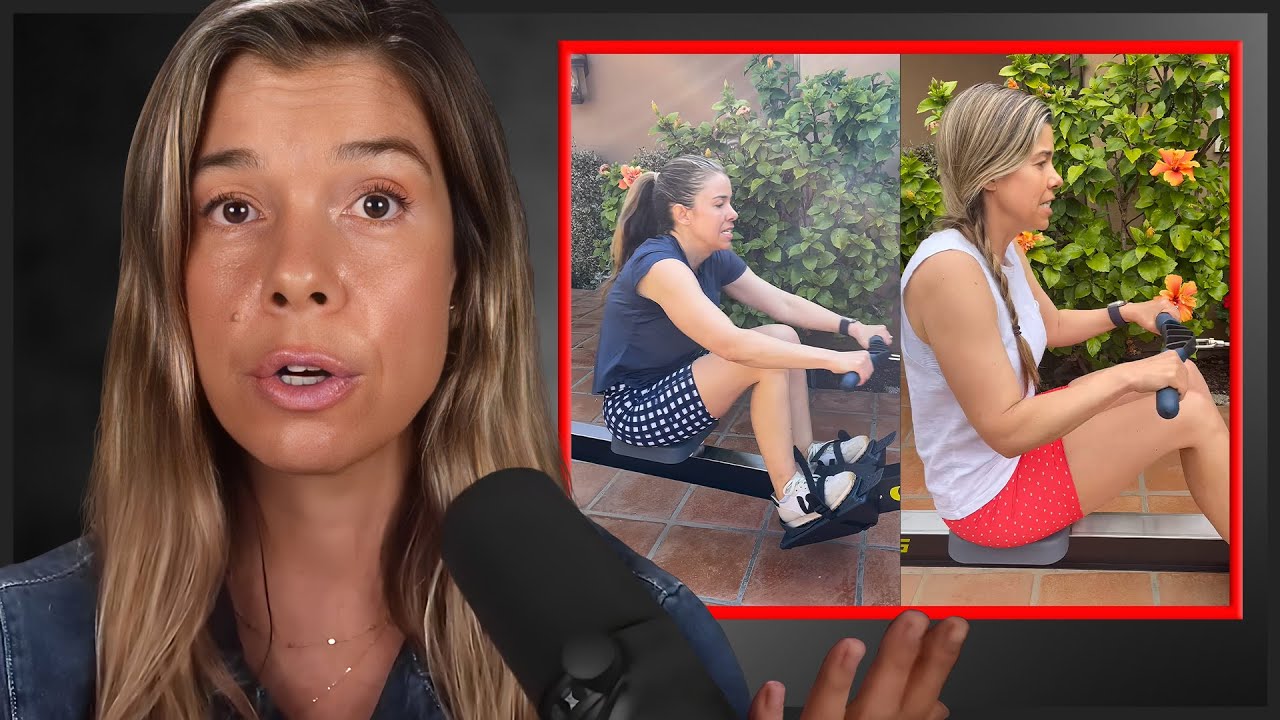
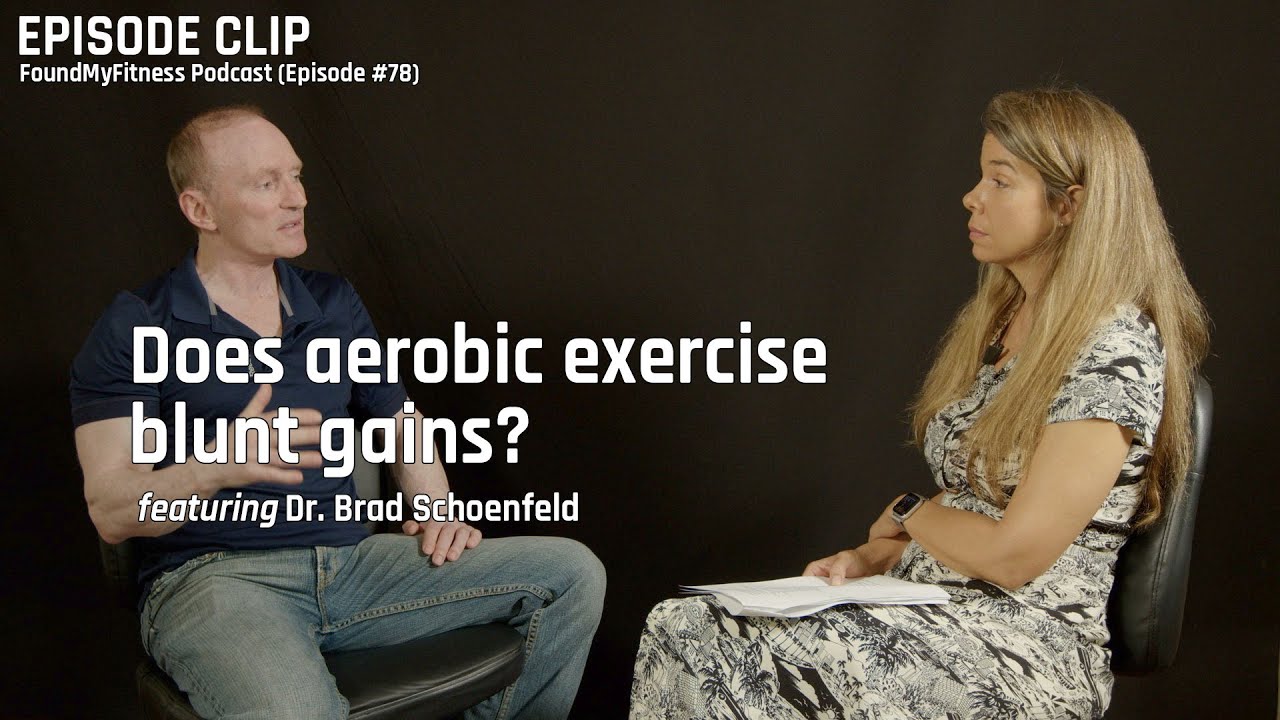
Brief aerobic exercise can support attention and executive function. In this clip from Dr. Rhonda Patrick's appearance on The Jordan Harbinger Show, she explains how short, vigorous sessions can provide a time-efficient cognitive stimulus. In a study of 17 older adults, reaction time on an executive-control task improved after 10 minutes of aerobic exercise, while broader reviews find small, task-specific cognitive benefits across different exercise protocols. [1] [2]
Brief vigorous movement can also be incorporated into daily life. Vigorous intermittent lifestyle physical activity, or VILPA, includes short bursts such as quickly climbing stairs, cycling for transportation, or doing demanding household tasks. In more than 25,000 adults who reported no structured exercise, several short daily VILPA bouts were associated with lower all-cause, cardiovascular, and cancer mortality. A later wearable analysis found that vigorous activity was especially time-efficient, although the modeled relationship varied by health outcome. [3] [4]
Regular aerobic exercise supports longer-term brain health as well. In a randomized trial of 120 older adults, a walking program that progressed to about 40 minutes three times per week increased anterior hippocampal volume by approximately 2 percent and improved spatial memory over one year. Higher serum BDNF was associated with the volume change, consistent with a role for exercise-related signaling in brain plasticity. Together, brief vigorous bouts and sustained aerobic training offer complementary ways to support health across different schedules and fitness levels. [5]
This clip is excerpted, with permission, from Dr. Rhonda Patrick's appearance on The Jordan Harbinger Show. Thank you to The Jordan Harbinger Show for allowing us to share it.
- ^ Petrella AFM; Belfry G; Heath M (2019). Older adults elicit a single-bout post-exercise executive benefit across a continuum of aerobically supported metabolic intensities. Brain Res 1712, .
- ^ Moreau D; Chou E (2019). The Acute Effect of High-Intensity Exercise on Executive Function: A Meta-Analysis. Perspect Psychol Sci 14, 5.
- ^ Ahmadi, Matthew N; Doherty, Aiden; Gibala, Martin J.; Gill, Jason M. R.; Hamer, Mark; Stamatakis, Emmanuel, et al. (2022). Association Of Wearable Device-Measured Vigorous Intermittent Lifestyle Physical Activity With Mortality Public Health Nutrition 28, 12.
- ^ Biswas, Raaj Kishore; Ahmadi, Matthew; Bauman, Adrian; Milton, Karen; Koemel, Nicholas A.; Stamatakis, Emmanuel (2025). Wearable Device-Based Health Equivalence Of Different Physical Activity Intensities Against Mortality, Cardiometabolic Disease, And Cancer Nature Communications 16, 1.
- ^ Erickson, Kirk I.; Voss, Michelle W.; Prakash, Ruchika Shaurya; Basak, Chandramallika; Szabo-Reed, Amanda N.; Chaddock, Laura, et al. (2011). Exercise Training Increases Size Of Hippocampus And Improves Memory Proceedings Of The National Academy Of Sciences 108, 7.
Jordan Harbinger: You mentioned high-intensity interval training and said that you do a quick 10 minutes. Is 10 minutes the minimum effective dose?
Dr. Rhonda Patrick: I think about 10 minutes can improve executive function, reaction time, and processing speed. The exercise needs to be hard enough to raise intensity. Definitions vary between studies, but vigorous exercise generally makes conversation difficult. Heart rate may reach roughly 80 percent of maximum, although a high-intensity interval session alternates hard work with recovery rather than maintaining that effort continuously.
HIIT is one tool for an immediate cognitive effect. Short exercise snacks are another option. A person can do one or two minutes of an intense movement, such as burpees, and feel more alert afterward.
Physical-activity guidelines usually pair 150 to 300 minutes per week of moderate activity with 75 to 150 minutes of vigorous activity. Moderate activity permits a breathy conversation. Vigorous activity makes conversation difficult.
Wearable studies have also examined vigorous intermittent lifestyle physical activity, or VILPA. These are one- to three-minute bursts embedded in daily life. Examples include moving quickly up stairs, riding a bicycle for transportation, walking briskly, or doing demanding housework.
In one observational study, people who reported no structured exercise but accumulated several short VILPA bouts had lower all-cause, cancer, and cardiovascular mortality than people who did not. The reported associations were approximately 40 percent lower all-cause and cancer mortality and approximately 50 percent lower cardiovascular mortality.
A newer UK Biobank analysis compared modeled health associations across light, moderate, and vigorous activity. Its ratios varied by outcome. One vigorous minute corresponded to approximately four moderate minutes for the same modeled all-cause-mortality association. The cardiovascular-mortality comparison was larger. Some light-activity comparisons required much more time to reach the same modeled association.
Vigorous activity is therefore time-efficient, but any activity is better than none. Brief bouts can be useful for people who do not go to a gym or follow a structured training plan.
Jordan Harbinger: I work out with a trainer three times per week. We finish with a very hard circuit after weight training. I hope that balance is enough.
Dr. Rhonda Patrick: The low entry point is important. Even short, one- to two-minute bursts several times per day can raise heart rate in people who identify as non-exercisers.
Hard aerobic exercise also produces lactate. Lactate can enter the brain and participate in signaling pathways that include brain-derived neurotrophic factor, or BDNF. BDNF is involved in neuronal health and plasticity, which support learning, memory, mood, and the brain's ability to adapt.
The hippocampus is especially important for learning and memory, and its volume often declines with age. A randomized trial assigned older adults to aerobic walking or a stretching control for one year. The aerobic program progressed to approximately 40 minutes per session, three days per week.
The walking group increased anterior hippocampal volume by about 2 percent and improved spatial memory, while the stretching group showed a decline. Higher serum BDNF was associated with the hippocampal-volume change. Regular aerobic exercise can therefore support the aging brain, although an MRI volume change does not by itself prove that new human neurons caused the result.
Attend Monthly Q&As with Rhonda
Support our work

The FoundMyFitness Q&A happens monthly for premium members. Attend live or listen in our exclusive member-only podcast The Aliquot.