Topic
Urolithin A
Contents
Urolithin A is a postbiotic—a compound our gut microbes can form from ellagitannins and ellagic acid, polyphenols found in foods such as pomegranates, strawberries, and walnuts.
Because production depends on the presence of specific gut microbes, people fall into distinct "metabotypes" (A = good UA producers, B = partial producers, 0 = non-producers), and only a minority make large amounts from diet alone. Therefore, purified UA supplements bypass that microbiome variability.[1]
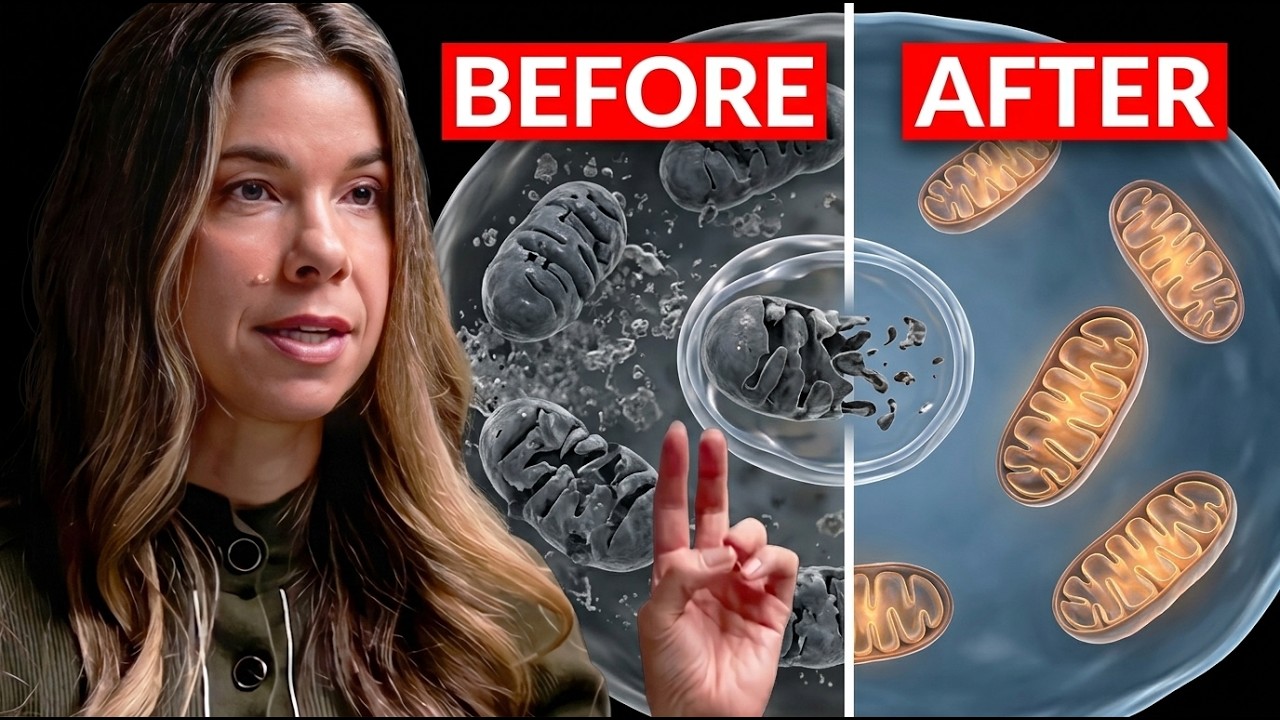
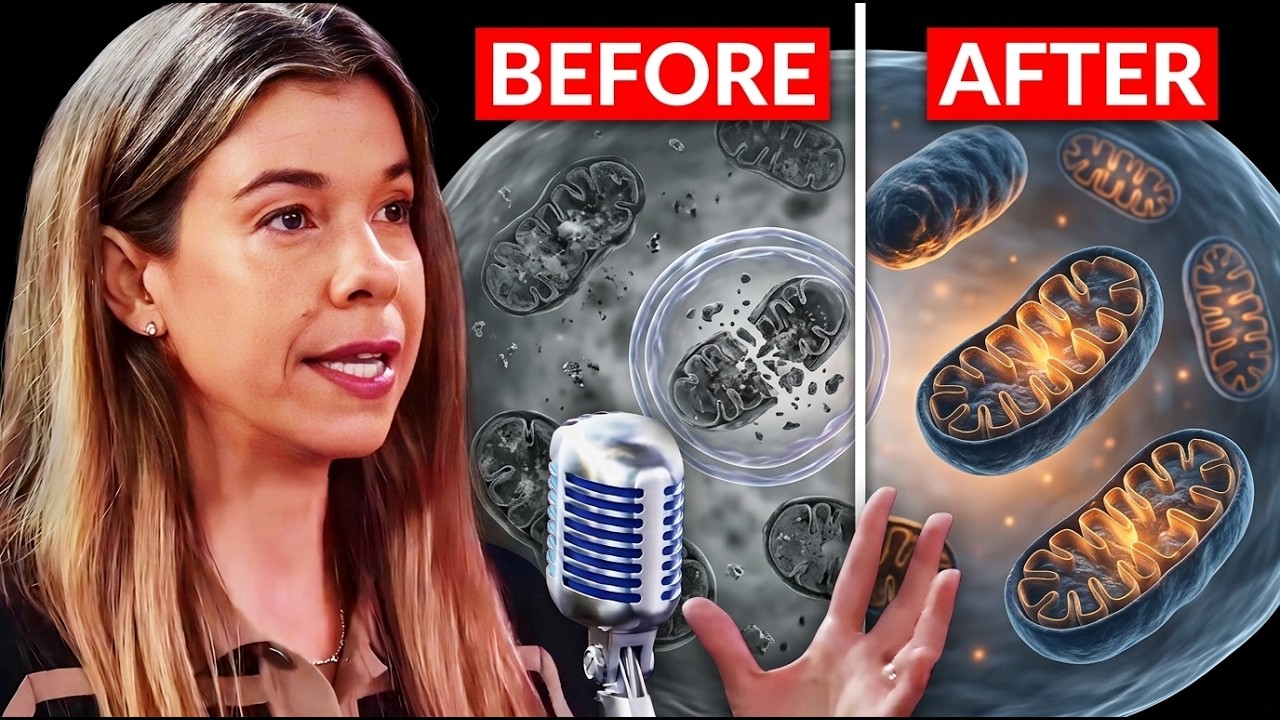
Mechanistically UA is best known as an inducer of mitophagy—the selective autophagic clearance of damaged mitochondria—which is frequently followed by mitochondrial renewal/biogenesis. In humans, randomized trials have shown that oral UA is bioavailable and raises circulating UA (and conjugates), and that supplementation produces hallmarks of improved mitochondrial quality control in target tissues. For example, muscle biopsies after UA dosing show higher levels of mitophagy-related and mitochondrial metabolism proteins and improvements in muscle ATP production, and circulating biomarkers of mitochondrial dysfunction (acylcarnitines and ceramides) fall alongside reductions in C-reactive protein.
These mitophagy/biogenesis and metabolic-rewiring signals map directly to the most robust human outcomes to date: improvements in muscle strength (~10–12%), local muscle endurance, gains in VO₂ metrics and timed-walk performance in middle-aged/older adults, plus immune-remodeling after brief supplementation.
Urolithin A Improves Physical Performance
The most reliable wins from UA supplementation are for strength and endurance at the muscle level:


Toney AM, et al. Biomedicines (2021). doi:10.3390/biomedicines9020192.
- A month-long study in older adults (average age of 71), 1,000 mg/day of urolithin A improved muscle endurance and biomarkers of mitochondrial health.[2]
- In a trial of middle-aged, low-fitness adults, urolithin A supplementation led to a 10–12% increase in lower-body muscle strength, a 10–15% increase in VO2 peak, and better performance on a 6-minute walk test, even when participants didn't engage in structured exercise training over the 4-month study.[3]
Athlete data are more mixed:
- In highly trained distance runners completing a month-long altitude camp, urolithin A did not improve their time trial performance but was associated with lower perceived exertion and reduced creatine kinase (a marker of muscle damage) after hard efforts. And while VO₂max rose more within the urolithin A group, the change wasn't different compared to a placebo. This suggests recovery benefits rather than a direct performance boost in more trained populations.[4]
- For resistance training, a small 8-week trial in trained men reported improvements in strength and muscular endurance with 1,000 mg/day of urolithin A alongside reductions in inflammation and oxidative stress markers, but the sample was tiny and needs confirmation.[5]
So, it's not "exercise in a pill," but urolithin A certainly has a signal that (ideally when combined with exercise training) it may be a strategy to counteract age-associated declines in muscle quality or enhance adaptations to strength or endurance training in fit people. It all comes back to better mitochondrial quality control and lower systemic inflammation.
Urolithin A Rejuvenates the Aging Immune System
Mitochondria are central to healthy immune system aging; specifically, the ability to recycle old, dysfunctional mitochondria and replace them with new ones, termed "mitophagy" (mitochondrial autophagy). Unfortunately, mitochondrial "quality control" also declines with age.
In a month-long study, urolithin A supplementation promoted a more "youthful" immune system environment characterized by a robust immune response and a lower inflammatory burden, alongside improved mitochondrial efficiency.[6]
Researchers tested whether four weeks of daily urolithin A (1,000 mg of Mitopure) could shift markers of immune aging in a group of 50 healthy adults aged 45–70. Participants took urolithin A (or a placebo) for 28 days, then had deep immune phenotyping tests to see whether their immune cells behaved more "youthfully."
Urolithin A promotes T cell remodeling
Over four weeks, the intake of urolithin A led to high plasma concentrations of both the parent compound (urolithin A) and its conjugated form, urolithin A glucuronide. This confirmed its oral bioavailability. Adverse events were rare and similar to placebo—no significant changes were observed in kidney function parameters or liver enzymes after 28 days in either group.
The headline result was a remodeling of CD8+ T cells. As we age, a critical subpopulation of immune cells called naive-like CD8+ cells declines—contributing to the loss of responsiveness to novel pathogens and a vulnerability to infectious diseases.
After 4 weeks, the participants taking urolithin A had more naive-like CD8+ cells and fewer exhausted CD8+ cells—more fresh ones ready to respond. Urolithin A also increased a marker of cell proliferation known as Ki-67, and reduced TOX (a transcription factor linked to T-cell exhaustion). These changes are opposite to those typically occurring in aging.
Energy handling inside immune cells shifted too. CD8+ T cells—especially the naive subset—became less dependent on glucose and more capable of oxidizing fats and amino acids. Instead of relying on quick sugar, urolithin A pushed cells toward steadier, mitochondria-driven fuel, a sign of better metabolic fitness and resilience. Natural killer cells showed a similar pattern of reduced glucose dependence and enhanced fat/amino acid metabolism, while CD4+ T cells and B cells changed little.
Urolithin A enhances innate immunity
Urolithin A increased a mature, cytotoxic subset of natural killer cells and shifted monocytes (the largest type of white blood cells) toward a less inflammatory state. Functionally, these monocytes "ate up" more E. coli when challenged, hinting at better first-line surveillance.
What about the mitochondria themselves? Although overall mitochondrial mass didn't change, CD8+ T cells did upregulate PGC-1α (the master switch for mitochondrial biogenesis). Results also showed hallmarks of mitophagy (clearing damaged mitochondria) followed by enhanced signs of renewal. The mitochondria that were being cleared were simultaneously being replaced.


Denk, D. et al. Nature Aging (2025). doi:10.1038/s43587-025-01012-y.
Across several arms of the immune system the signal was that of a heightened immune response (when needed) without raising levels of baseline or chronic inflammation. When activated in the lab, CD8+ T cells from the urolithin A group released more of a key defense signal (TNF), showing a stronger on-demand response. At rest, one signaling molecule (IL-2) was slightly lower, and there was no broad increase in inflammatory cytokines. The immune system wasn't more inflamed at baseline after urolithin A supplementation, but it was more primed to respond.
Gene-level readouts pointed in the same direction. In CD8+ T cells, activity shifted toward programs linked to fresher, more ready-to-respond cells and away from programs tied to fatigue or dysfunction. By improving mitochondrial quality control and rerouting cellular fuel toward oxidation, urolithin A pushes aging-prone immune cells toward a more youthful phenotype and function—more naive, less exhausted, and better at responding when needed, without promoting systemic inflammation. If replicated in larger, longer trials with clinical outcomes, this supplement could emerge as a mitochondrial-centric strategy to counter certain aspects of immunosenescence and bolster vaccine or infection responses in midlife and beyond.
Conclusions
Multiple randomized human trials (and a growing preclinical literature) support UA's ability to improve mitochondrial quality control, muscle function and certain aspects of immune cell health. Typical research doses have been in the 500–1,000 mg/day range, with many of the clearer endurance/strength signals appearing at ~1,000 mg/day; short trials report good tolerability and clear oral bioavailability. At the same time, effects are not uniform — benefit magnitude depends on baseline fitness, age, and study population (athlete versus untrained), and long-term safety beyond the available months-long trials is less well characterized. Finally, because most people don't make clinically meaningful UA from diet alone, supplementation is the practical way to reproduce the doses used in human studies.
- ^ Victoria Selma, María; Beltrán, David; Luna, María C.; Romo-Vaquero, María; García-Villalba, Rocío; Mira, Alex, et al. (2017). Isolation Of Human Intestinal Bacteria Capable Of Producing The Bioactive Metabolite Isourolithin A From Ellagic Acid Frontiers In Microbiology 8, .
- ^ Liu, Sophia; D’Amico, Davide; Shankland, Eric; Bhayana, Saakshi; Garcia, Jose M.; Aebischer, Patrick, et al. (2022). Effect Of Urolithin A Supplementation On Muscle Endurance And Mitochondrial Health In Older Adults JAMA Network Open 5, 1.
- ^ Singh, Anurag; D’Amico, Davide; Andreux, Pénélope A.; Fouassier, Andréane M.; Blanco-Bose, William; Evans, Mal, et al. (2022). Urolithin A Improves Muscle Strength, Exercise Performance, And Biomarkers Of Mitochondrial Health In A Randomized Trial In Middle-Aged Adults Cell Reports Medicine 3, 5.
- ^ Whitfield, Jamie; McKay, Alannah K.A.; Tee, Nicolin; McCormick, Rachel; Morabito, Aimee; Karagounis, Leonidas G., et al. (2025). Evaluating The Impact Of Urolithin A Supplementation On Running Performance, Recovery, And Mitochondrial Biomarkers In Highly Trained Male Distance Runners Sports Medicine 55, 12.
- ^ Zhao, Haotian; Zhu, Hongkang; Yun, Hezhang; Liu, Jingqi; Song, Ge; Teng, Jin, et al. (2024). Assessment Of Urolithin A Effects On Muscle Endurance, Strength, Inflammation, Oxidative Stress, And Protein Metabolism In Male Athletes With Resistance Training: An 8-Week Randomized, Double-Blind, Placebo-Controlled Study Journal Of The International Society Of Sports Nutrition 21, 1.
- ^ Denk, Dominic; Singh, Anurag; Kasler, Herbert G.; D’Amico, Davide; Rey, Julia; Alcober-Boquet, Lucía, et al. (2025). Effect Of The Mitophagy Inducer Urolithin A On Age-Related Immune Decline: A Randomized, Placebo-Controlled Trial Nature Aging 5, 11.
Related Episodes