#104 Dr. Ben Bikman: How To Reverse Insulin Resistance Through Diet, Exercise, & Sleep
This episode is available in a convenient podcast format.
These episodes make great companion listening for a long drive.
The Omega-3 Supplementation Guide
A blueprint for choosing the right fish oil supplement — filled with specific recommendations, guidelines for interpreting testing data, and dosage protocols.
You'll also receive updates from Rhonda & FoundMyFitness
Is insulin the key to modern health? Dr. Ben Bikman thinks so—and he has the science to prove it.
As a leading metabolic scientist and professor at Brigham Young University, Dr. Ben Bikman has spent his career unraveling the complex role of insulin in chronic disease. His bold stance? That insulin resistance sits at the root of most modern health problems—and it's a condition we can do something about.
In this episode, Dr. Bikman breaks down why metabolic health matters more than most people realize, how insulin affects nearly every system in the body, and what practical strategies you can use to take control of your blood sugar and long-term health. His research-driven approach is refreshingly actionable.
-
What your skin reveals about insulin resistance
-
Why is insulin resistance behind so many chronic diseases?
-
Do saturated fats cause insulin resistance?
-
Is nighttime snacking giving you insomnia?
-
How to reverse insulin resistance in 90 days
-
Does apple cider vinegar really lower blood sugar?
-
Do seed oils silently promote insulin resistance?
-
Are drugs like Ozempic a shortcut or solution for obesity?
-
Microdosing GLP-1 drugs—a solution for carb cravings?
-
The dark side of GLP-1 drugs—can they trigger depression?
-
Which biomarkers best predict biological aging?
-
One simple breakfast change to lower insulin
What is Insulin Resistance and Why It's Often Overlooked
Ben Bikman has a provocative suggestion for modern medicine: insulin levels should be routinely measured in clinical settings.
Modern medicine has a "glucose-centric" approach to disease management, often measuring and prioritizing blood glucose levels at the expense of other potentially more relevant biomarkers.
The problem is that normal blood sugar levels can mask the more sinister and debilitating problem of insulin resistance.
Insulin is a peptide hormone produced and secreted by the beta cells (β-cell) of the pancreas (islets of Langerhans). It plays a central role in glucose homeostasis by facilitating cellular uptake of glucose, particularly in skeletal muscle and adipose (fat) tissue, and by suppressing liver glucose production (gluconeogenesis and glycogenolysis).
There are few cells and tissues in the body that insulin doesn't affect. In addition to regulating glucose metabolism, insulin has wide-ranging anabolic effects across multiple systems. Among its many actions are:
- Stimulating glycogen synthesis in liver and muscle.
- Promoting lipogenesis (fat storage) by increasing fatty acid and triglyceride synthesis, while inhibiting lipolysis (fat breakdown).
- Stimulating amino acid uptake and protein synthesis in muscle and inhibiting protein breakdown.
- Regulating electrolyte balance and ion concentrations within our cells.
- Stimulating growth and proliferation (especially during fetal development and puberty).
- Promoting nitric oxide (NO) production to support endothelial health and function.
- Modulating appetite, neurotransmission, and cognitive processes through its actions on the central nervous system.
The secretion of insulin is tightly regulated, primarily in response to elevated blood glucose, but also by amino acids, incretin hormones (GLP-1, GIP), neural inputs, and other circulating factors.
Dr. Ben Bikman is primarily interested in what happens when the body stops responding to insulin—what's known as insulin resistance. Insulin resistance occurs when the body requires higher-than-normal levels of insulin to maintain blood glucose. This means that normal blood glucose levels can mask insulin resistance. A person can maintain seemingly normal blood glucose levels because the body compensates by producing higher levels of insulin.
Without measuring insulin directly, clinicians can miss early warning signs and, by prescribing more insulin to treat high glucose levels, make insulin resistance worse instead of better!


General representation of the insulin and blood glucose response in someone with normal insulin sensitivity and someone with insulin resistance.
How to Detect Early Signs of Insulin Resistance
Ben Bikman is an advocate of continuous glucose monitoring or CGM. He believes that democratizing access to these devices can put people in a position to be their own coach and understand their metabolic health by seeing how the body is responding to what they eat.
What makes CGMs useful is that they measure dynamic glucose levels rather than a static snapshot. Unlike fasting glucose measures, dynamic glucose responses such as those after meals provide immediate insight into how the body manages glucose after carbohydrate intake.
For example, a healthy, insulin-sensitive person's glucose levels typically return to normal within 2 hours of eating a carbohydrate-containing meal. If glucose levels remain elevated beyond this window, it could indicate potential insulin resistance.
Can Our Skin Provide a Window Into Metabolic Health?
In addition to monitoring glucose, the skin can often be a "window into the metabolic soul." Specifically, there are two skin conditions that indicate underlying insulin resistance.
- Acanthosis nigricans: Acanthosis nigricans is a skin condition characterized by dark, velvety, thickened patches of skin, most often appearing in body folds like the neck, armpits, groin, and under the breasts
What causes it?
It results from overstimulation of skin cells (keratinocytes and dermal fibroblasts) by high levels of circulating insulin. Excess insulin can bind to insulin-like growth factor (IGF) receptors in the skin, triggering abnormal skin growth and pigmentation.
- Skin tags: Skin tags are small, soft, flesh-colored or slightly darker growths commonly found on the neck, armpits, eyelids, groin, and under the breasts
What causes it?
People with multiple skin tags—especially if they appear suddenly or in large numbers—often show signs of insulin resistance or metabolic syndrome. As with acanthosis nigricans, high insulin levels seem to stimulate skin cell growth and possibly promote collagen overproduction in certain areas.
Both conditions are benign, meaning they are not dangerous themselves, but they can serve as clinical red flags for underlying insulin resistance and other metabolic issues. Indeed, the prevalence of acanthosis nigricans and skin tags is higher in people with obesity, high fasting insulin, and type 2 diabetes—some studies report that 60–75% of adults with obesity also have acanthosis nigricans, for example. However, when insulin levels fall after weight loss, better nutrition, and exercise, these skin conditions regress or reverse completely.


Acanthosis nigricans and the insulin pathway. Eggiman, E., et al. DOI: 10.1007/s44337-024-00017-7. Used under Creative Commons license 4.0 (CC BY 4.0)
The Connection Between Insulin Resistance and Chronic Disease
-
Detecting Insulin Resistance
-
People can have normal blood glucose levels even with insulin resistance because the body compensates by producing extra insulin. This keeps blood sugar normal, so insulin resistance often goes unnoticed unless insulin levels themselves are measured. 1
-
With a continuous glucose monitor (CGM), early signs of insulin resistance can appear as prolonged or elevated blood glucose after meals, especially if levels stay high beyond two hours after eating. Sharp spikes and slow returns to baseline may also indicate impaired glucose handling. 1
-
Skin changes can signal insulin resistance. Darkened skin (acanthosis nigricans) and skin tags, especially on the neck or armpits, are common signs linked to high insulin levels. 1
-
Why Insulin Resistance Drives Chronic Disease
-
Dr. Bikman asserts that insulin resistance may be a common root cause of many chronic diseases. Because insulin affects nearly every organ, impaired signaling can lead to under- or overstimulation of different tissues, contributing to conditions like type 2 diabetes, PCOS, cardiovascular disease, and Alzheimer's. 1
-
Insulin regulates more than blood sugar. It affects fat storage, protein synthesis, appetite, and immune function. Disrupted insulin signaling can lead to conditions like fatty liver, PCOS, and heart disease. 1
-
Is elevated insulin a cause or a consequence of ectopic fat accumulation in insulin-sensitive tissues such as the liver and muscle?
-
Insulin resistance can develop rapidly from short-term triggers like stress, inflammation, or infections, and usually resolves once the trigger is gone. In contrast, slow-developing insulin resistance is linked to long-term factors like obesity and fat buildup. 1
-
-
Insulin's surprising roles beyond blood sugar control
-
Fat cells grow mainly in response to excess nutrients and hormonal signals, especially insulin, which promotes the storage of glucose and fatty acids as triglycerides. While fat can also accumulate without insulin, insulin speeds up and coordinates fat storage after eating. 1
-
When insulin drops, the body switches from storing fat to burning it. Fat cells release fatty acids, which the liver converts into acetyl-CoA. With low insulin and fewer carbs, acetyl-CoA builds up and is turned into ketones, an alternative fuel for the brain and body that signals a shift to fat metabolism. 1
-
Saturated Fats & Refinded Carbs
-
Refined carbs and saturated fats, especially in excess, contribute to insulin resistance. Refined carbs cause rapid blood sugar and insulin spikes, while saturated fats like palmitate raise ceramide levels that block insulin signaling. These effects are most harmful in the context of caloric excess but can still impact metabolic health even without obesity. 1
-
Evidence suggests seed oils may not directly cause insulin resistance, but repeated heating can produce harmful compounds that promote inflammation and impair insulin signaling, especially in fried or processed foods. 1
-
Linoleic-acid-rich foods like nuts and seeds are associated with a lower risk of cardiovascular disease, particularly coronary heart disease, possibly due to beneficial effects on blood lipids. 1
-
-
Saturated fats may be harmful in the context of a high-carbohydrate diet, especially when combined with refined or processed carbs. This combination can worsen insulin resistance and negatively affect cardiometabolic health. It's important to distinguish between complex carbs like fruits, vegetables, and whole grains, and simple or processed carbs like sugar, soda, and cookies.
-
Fructose vs. refined sugar—which spikes insulin more?
-
A short-term study comparing a high-carb, plant-based diet to a ketogenic diet found that participants on the high-carb diet ate about 700 fewer calories per day and showed a slight trend toward more fat loss. 1
-
Why low-carb diets might provide a metabolic advantage
-
Exercise
-
Does exercise give you metabolic 'wiggle room'?
-
Muscle is the body's primary site for glucose disposal, helping stabilize blood sugar after meals. More muscle mass generally leads to smaller blood sugar spikes and lower insulin needs. However, muscle quality, or how well it responds to insulin, is equally important. 1
-
In adults with type 2 diabetes, just six 1-minute HIIT cycling bouts over two weeks increased muscle mitochondrial enzymes and GLUT4 while lowering 24-hour blood glucose. 1
-
Why strength training beats cardio for insulin sensitivity
-
It's important to recognize that there are many paths to metabolic health. While low-carb diets can improve insulin sensitivity, people can also remain metabolically healthy on higher-carb diets if they avoid refined carbs, stay active, and don't overeat. Biology is complex, and there's no one-size-fits-all approach.
-
Insulin First, Calories Second
-
Should you lower insulin before cutting calories?
-
To lose body fat, a sustained calorie deficit is essential. High insulin levels can limit fat burning, while lowering insulin may improve fat mobilization and help control hunger. 1
-
Does meal frequency drive insulin resistance?
-
Night and early-morning shift drivers showed higher HOMA-IR and greater metabolic-syndrome risk than daytime drivers, suggesting that shift work independently promotes insulin resistance. 1
-
Avoiding Late-Night Snacking & Optimizing Breakfast
-
Is nighttime snacking giving you insomnia?
-
Can a sugary breakfast lead to overeating later?
-
How fiber in complex carbs impacts glucose response
-
Eating too close to bedtime can disrupt sleep by delaying the body's shift into a restful state. Ongoing digestion, higher body temperature, and elevated cortisol may interfere with the natural wind-down needed for sleep. 1
-
Poor or misaligned sleep can activate the stress response and raise cortisol levels, disrupting glucose metabolism. This increases liver glucose production and reduces insulin sensitivity, raising the risk of obesity and type 2 diabetes. 1
-
-
Hidden Causes of Weight Gain
-
Environmental pollutants like BPA in plastics are linked to increased body fat, but their effects are minor compared to diet, exercise, and sleep. While reducing exposure may help, lifestyle habits have a much greater impact on metabolic health. 1
-
Studies in cell cultures suggest that e-cigarette aerosols increase harmful reactive oxygen species and disrupt normal mitochondrial function, potentially leading to cellular stress and damage. 1
-
-
Statin use in postmenopausal women is linked to an increased risk of developing new-onset diabetes. 1
-
How to Reverse Insulin Resistance
-
Reversing diabetes markers like HbA1c may be possible in as little as 90 days, as shown in a pilot study of women with type 2 diabetes following a ketogenic diet. 1
-
Does apple cider vinegar really lower blood sugar?
-
Supplementing with ketones shows promise in conditions like PCOS by improving insulin sensitivity, reducing inflammation, balancing hormones, enhancing mitochondrial function, and influencing gene expression. 1
-
Two Types of Fat Growth — Hyperplasia vs. Hypertrophy
-
White fat stores energy by enlarging existing cells (hypertrophy) or making new ones (hyperplasia). Hypertrophy is linked to insulin resistance, while hyperplasia may help but isn't always protective. When fat storage fails, excess fat can build up in other organs and impair insulin sensitivity. 1
-
When fat cells can no longer expand, they become insulin resistant and release excess fatty acids into the bloodstream, leading to fat buildup in organs like the liver and pancreas. This spillover, especially from visceral fat, can trigger ceramide production and contribute to insulin resistance.
-
Seed Oils
-
Is there a role of linoleic acid in insulin resistance?
-
Higher proportion of dietary omega-6 fats, prevalent in nuts and seeds, may lower the risk of developing metabolic syndrome, a major factor in heart disease and type 2 diabetes. 1
-
The difference between unheated vs heated seed oils 1
-
Unraveling Insulin Resistance
-
Fat, muscle, or liver—where does insulin resistance start?
-
-
Are shrunken fat cells still insulin resistant?
-
-
Some bodybuilders use insulin to boost muscle growth, but its direct effect on muscle protein synthesis is minimal without increased amino acid intake. Instead, it mainly prevents muscle breakdown and promotes fat storage, especially visceral fat. This can lead to unwanted effects like abdominal distension and serious metabolic risks, making insulin a poor and unsafe muscle-building strategy. 1
-
GLP-1 Agonists
-
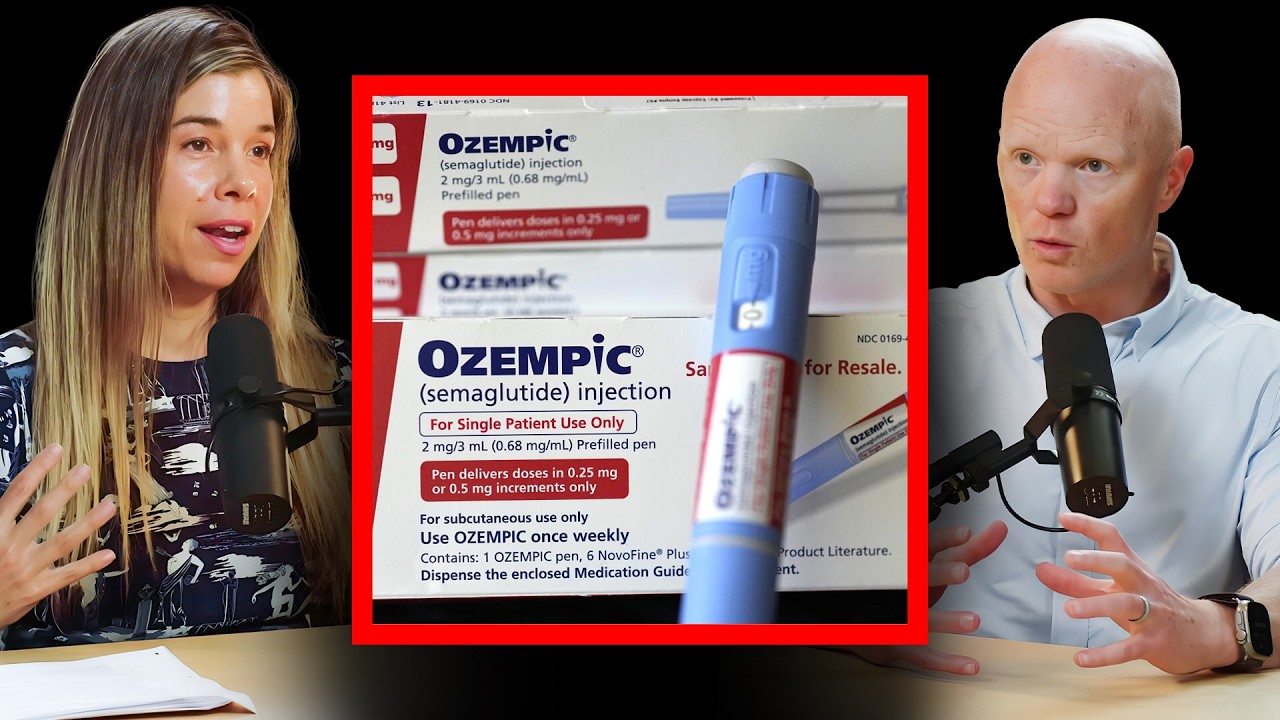
GLP-1 agonists like Ozempic and Wegovy mimic a gut hormone to reduce appetite and slow stomach emptying, leading to lower calorie intake. They help with weight loss but can cause side effects like nausea, especially early on. 1
-
Are current GLP-1 agonist doses too high?
-
Microdosing GLP-1 drugs—a solution for carb cravings?
-
Rapid weight loss from GLP-1 drugs like Ozempic often includes some lean mass loss, but this is similar to other weight loss methods. These drugs may also improve muscle quality. Protein intake and resistance training are important to help preserve muscle. 1
-
GLP-1 agonists may benefit conditions like heart disease, Alzheimer's, osteoarthritis, and addiction. These effects could come from both direct receptor action and indirect benefits like better metabolism and reduced inflammation. 1
-
Could these treatments actually promote longevity?
-
The dark side of GLP-1 drugs—can they trigger depression?
-
Insulin vs. Glcuose—What Really Drives Aging?
-
Chronically high insulin suppresses protective cellular processes like autophagy through prolonged activation of the PI3K–Akt–mTOR pathway. At the same time, high glucose promotes AGEs, which drive inflammation and oxidative stress. Together, these effects can damage cells, impair tissue function, and accelerate aging. 1 2
-
The damaging effects of high glucose
-
How high glucose levels damage cells—from glycolysis to sorbitol
-
How insulin shuts down your body's stress defenses
-
Biomarkers for Metabolic Health
-
What are the key biomarkers for aging according to Dr. Bikman?
-
Practical Takeaways
-
One simple breakfast change to lower insulin
-
Does eating dinner early improve insulin sensitivity?


Rhonda Patrick: Welcome back to the podcast. I'm very excited to be sitting here with Dr. Ben Bikman, who is a professor of cell biology at Brigham Young University and he specializes in all things metabolic disorders and metabolism. So I'm pretty excited to have a very well-rounded discussion today. Ben, yes, this has been a while. I've been following your research for some time now. So I'm excited to have this conversation with you.
Ben Bikman: I'm too, yeah, thanks. This will be great.
Rhonda Patrick: I kind of wanted to start out with something a little provocative. And I don't want to say surprising. This question for you is: a lot of people that have normal blood glucose levels, quote unquote, can actually be insulin resistant. Why is that? And what is this state of like pre, pre diabetes? And why is it something that is not caught sooner?
Ben Bikman: Yeah. And yet so common? Right. I mean, that adds an extra layer of reason to talk about this because it's become the most common problem. Much of modern clinical care has what I call a glucocentric paradigm when it comes to monitoring metabolic health or even cardiometabolic health, given how relevant diabetes and metabolic problems are to cardiovascular disease. But the consequence of the glucose centric paradigm, and there's reasons for it, so I don't mean to state this in any kind of incriminating way — they have their own justification for the glucose centric paradigm — but it's increasingly harder to overlook because of what we know with regards to insulin. So insulin resistance is the state where insulin levels are higher. The body's having to use more and more insulin in order to keep glucose in check. But because it is able to keep glucose at that normal range, it flies under the clinical radar because of our glucose centric paradigm. The conventional clinician is only measuring glucose every time the patient's coming in for an annual visit, with no regard to the patient's insulin levels. If we were able to broaden the paradigm a little bit and include insulin, then all of a sudden we are measuring the earliest signs of insulin resistance, because it is insulin itself that ought to be measured when we're trying to get that view of the patient's not only metabolic health, but insulin resistance.
So to state all that another way, type 2 diabetes is when both insulin is high, but it's starting to really lose the war and now glucose rises as well. Then the conventionally trained clinician says, "Oh, the glucose is elevated, so you have diabetes or pre diabetes." But in its earliest stages, the glucose is still normal, but there's this cold war happening in the body, where the insulin levels are still two or three or four times higher than they used to be. It needs to be that high, and it's working well enough to keep the glucose in check. And so the glucocentric paradigm has us miss the earliest metabolic canary in the coal mine, which is insulin. So the sooner our paradigm with modern medicine includes insulin, then the earlier we can detect these metabolic problems in a person who's progressing towards type 2 diabetes. But also it changes the treatment protocol too, because not to go off on a tangent too soon off the very first question here, but the longer we ignore the insulin, the more the clinician may be tempted to push the insulin up even higher by giving, say, a type 2 diabetic an insulin therapy. Now they're pushing the insulin from high to super physiological, all in an effort to control the glucose, little realizing that in the process you're actually killing them faster, because so much of what kills the type 2 diabetic is not the hyperglycemia, it's the hyperinsulinemia and the insulin resistance.
Rhonda Patrick: Oh, I definitely want to get into that. Well, just sort of as a follow up question, in this world we live in now where continuous glucose monitors are so becoming very popular, many people have them without a prescription. You can get them. Is there any signs or tests using those that people can do to kind of look for this potential problem with having perhaps high insulin? In fact, they're not measuring insulin, but glucose.
Ben Bikman: Yeah, right. Yeah, so to answer the first question very directly, I'm an enormous advocate of CGM use. The more we democratize access to CGMs, I think the better we put individuals in a position to be their own coach. You know, they don't need to have someone like me or you berating them and telling them to change their habits and eat a little better. When you see how your body's responding to what you're eating, and the CGM enables that, you end up making your own lifestyle changes. So, with the use of the CGM, fasting glucose isn't going to be the best indicator. It's going to be the dynamic glucose. So, if you've eaten a carbohydrate heavy meal or a simple carbohydrate — I shouldn't call it a big meal, but a simple carbohydrate like two pieces of bread — if your glucose levels aren't back down to normal by about two hours, that suggests a problem. So, in my mind, the greatest utility of the CGM is to monitor the dynamic changes rather than the static, "Where am I at every morning?" That has less value. The dynamic changes are what has value.
But beyond the use of the CGM, if a person's curious about their insulin resistance, in many instances you don't even need to get a blood test. The skin is a window to the metabolic soul, where if there are two things you can observe just on your skin, and they're both generally going to be right around the neck, one of them is a condition called acanthosis nigricans, which is when, around the little skin fold that most people have around their neck, the skin will get darker pigmented — which can be harder to tell depending on the pigment of the person's skin — but what is obvious regardless of pigment is the kind of crinkled tissue paper texture of the skin. So, the skin will be very sort of roughed, like crinkled tissue paper. So that's acanthosis nigricans around the neck.
And then the other one people know is called skin tags. And that is those little — it's not like a rounded little mole, but rather a distinct little kind of mushroom stalk column of skin. People probably know what I'm talking about. You can see them around the neck; sometimes you can see them around the armpits. But again, it's just a teeny little, like a little mushroom stalk almost, of skin. Skin tags. Both of those are very, very strong evidence of insulin resistance. And the nice thing is as the insulin sensitivity improves, those problems go away just like everything else will.
Rhonda Patrick: So many researchers, including yourself, do view insulin resistance as a sort of root of causing many different types of chronic diseases, age-related diseases, obviously type 2 diabetes, obesity is in there, cardiovascular disease.
Ben Bikman: Alzheimer's, fatty liver disease, infertility.
Rhonda Patrick: So why is that something that people think is the root cause of so many chronic diseases? And again, you're talking about insulin resistance being common, and certainly like this pre, pre diabetic state being pretty common. What do you think the reason for that is?
Ben Bikman: Yeah. Yeah. So, the first part of the question: I unapologetically embrace the view that to some degree — that's italicized wording there — to some degree, insulin resistance is a common root cause for most chronic diseases. So, I'm not claiming that it's the singular cause. For example, the connection between insulin resistance and breast and prostate cancers, the two most common cancers in women and men respectively, I'm not saying insulin resistance is the singular contributor. Not at all. But it is absolutely a contributor.
With regards to Alzheimer's disease, insulin is not probably the singular contributor, but it is one, undeniably. And the same goes for polycystic ovary syndrome, the most common infertility in women, or erectile dysfunction in men, and fatty liver disease, and hypertension. In fact, this question is the question I asked myself as an academic at my university. When I got tenure, I looked at my future career, and I thought, do I want my career to be defined by the number of peer-reviewed papers I publish in science journals? And I thought, no, that's not enough, because most people will never read those articles. No one will ever get a direct benefit from them. And I thought, what would be the one message as a biomedical metabolic scientist that I would want to convey to people? And it was this one: it was that, to some degree, most of chronic disease can be attributed to one common origin.
And so, rather than trimming at the branches of this sick tree, where we're giving the patient a drug for their Alzheimer's disease, we're giving them a drug for their hypertension, we're giving them a drug for their infertility, what if all of those were actually just branches coming off of one tree? Let's just cut down the tree. So when we can acknowledge a sort of common soil hypothesis, it starts to simplify the clinical approach. So all of this, in my mind, is a reflection of just how powerful the hormone insulin is. Most individuals only think about insulin as being a hormone that controls blood sugar, which is fantastically unfair. Insulin is one of the few peptide hormones that will literally affect every single cell of the body, from brain cells to bone cells, lung cells to liver cells, and every cell in between. There's no exception. Insulin will have an effect at every cell of the body.
And the particular pathology with insulin resistance is unique, because you have some cells that aren't responding very well to insulin — like in the case of erectile dysfunction, insulin is less capable at producing nitric oxide in the endothelium of the blood vessels, so there's less vasodilation. Less vasodilation means compromised erectile function. So on one hand, you have some cells that suffer because they're not responding, but on the other hand, you have some cells that are overstimulated, because insulin resistance is insulin not working the same at all cells of the body, and blood insulin levels are higher. So there's too much insulin. Some cells are responding too much to that insulin. So with polycystic ovary syndrome, for example, that's not a problem of the insulin signal not working well; that's a problem of there being too much insulin stimulating the ovary to inhibit the conversion of testosterone into estrogens, and thus she manifests with polycystic ovaries. So to some degree, most chronic diseases can be connected back to insulin resistance, and to me, that has a tremendous power. That's a reason to focus on that disorder.
Rhonda Patrick: So some researchers think that the high insulin is more of a response to ectopic fat accumulation, obesity sort of being the underlying cause of the high insulin. So how do you kind of differentiate between this cause and effect? What role does ectopic fat accumulation have in insulin resistance causing high insulin?
Ben Bikman: Yeah, that's a great question. In fact, that's a big question, and I already am too long winded with my answers, so I'm going to try to be concise here. I look at the origins of insulin resistance as being one of two origins, where you have what I call "fast insulin resistance" and then "slow insulin resistance." And what you're touching on is the slow insulin resistance, which I'll come to in just a second. Within the fast insulin resistance side, there are three what I call primary stimuli that in humans have been confirmed — and in rodents, and in isolated cell cultures — that can cause insulin resistance quickly, like within hours, but at the same time, if the stimulus is removed, the insulin resistance is resolved in short order. And that is stress. So elevated stress hormones, whether it's cortisol or epinephrine (adrenaline), will cause acute insulin resistance in humans. As that stimulus goes away, the problem resolves.
Next is inflammation. If you increase the levels of inflammatory cytokines in cells or rodents or humans, they will be insulin resistant very quickly. In fact, people wearing CGMs may notice this, that the CGM may reveal that they're starting to get a cold or a flu because they notice that their glucose levels — they're having a much harder time controlling them, even though their habits haven't changed. That's often a sign of inflammation. But even with autoimmune diseases, where the autoimmune disease will ebb and flow, so too will the insulin resistance; it will track very well with how active the disease is.
And then lastly, of the primary fast causes of insulin resistance, is too much insulin itself. So we know in humans, rodents, and cells — I've published my own work on this topic — that too much insulin will result in a resistance to the stimulus. So too much insulin can cause insulin resistance.
Now, none of those touch on what you had mentioned, which is the ectopic idea. That idea is very important, and there's a lot of nuance to it, where we have to define the fat, first of all. And by that I mean, what of the hundreds of thousands of types of molecules that we call a lipid or a fat within a cell, which are the ones that actually matter to insulin resistance? Some people will think of just triglycerides, which is the main form of storing fat, and yet triglycerides are totally inert metabolically.
There was a case in point: Bret Goodpaster and David Kelly 30 years ago described this phenomenon of the "athlete's paradox," where they noted that in obesity with type 2 diabetes and insulin resistance, if you pull a muscle biopsy, there's really high levels of fat in the muscle in the form of triglycerides, and they're very insulin resistant. And so some people would say, and did at the time, "Well, high muscle triglycerides causes insulin resistance." And yet when they did muscle biopsies from very lean, exceptionally insulin-sensitive marathon runners, they had just as much fat in their muscle in the form of triglycerides as the obese type 2 diabetics did. And again, those athletes were very insulin sensitive. So it couldn't be the fat that was being stored in the muscle. The same could be said of the liver. If the liver has triglycerides, it's not the triglycerides that are causing insulin resistance. So what is it? If there is any lipid that's to blame, it's going to be a lipid called ceramides, and those do not track the same across these — say, these lean marathon runners and the obese type 2 diabetics.
When you start measuring levels of tissue ceramides or its precursor dihydroceramides — there's still some debate as to which of the two matters most, I'm very strongly just saying it's one of them, and so I'll just say ceramides as a family — you can, in any biological model, cause very strong, robust insulin resistance just by increasing the ceramides, because ceramides will block the insulin signal. When insulin binds to its receptor, then you have a series of phosph…
If the liver has triglycerides, it's not the triglycerides that are causing insulin resistance. So what is it? If there is any lipid that's to blame, it's going to be a lipid called ceramides. And those do not track the same across the lean marathon runner and the obese type 2 diabetic. When you start measuring levels of tissue ceramides or its precursor dihydroceramides, there's still some debate as to which of the two matters most. I'm very strongly just saying it's one of them, so I'll just say ceramides as a family. You can, in any biological model, cause very strong, robust insulin resistance just by increasing ceramides, because ceramides will block the insulin signal. When insulin binds to its receptor, then you have a series of phosphorylation events. Ceramides block that very well. It's a very well defined pathway. And if you can just do one thing and just resolve the ceramides, you correct the insulin signaling. So when it comes to ectopic fat, it's not a matter of how much triglycerides you're storing. But rather, what is the entire metabolic milieu to be promoting ceramides in various tissues throughout the body? Interestingly, all of those primary stimuli, the quick insulin resistance, all induce ceramide biosynthesis and accrual. But with the slow insulin resistance, I still think it's appropriate to invoke fat. But by that it's the fat tissue. And I don't want to get ahead of us, but my view is that among. If you look at tissue level, insulin resistance, is it starting in the muscle or the liver or the fat? I'm very much an advocate of the fat first focus when it comes to insulin resistance. From that slow progressive. It settles in over years and it may take, you know, weeks to months in order to reverse.
Rhonda Patrick: Yeah, well, this is. We've got a lot to dive into here. I mean, it's funny, I remember my. One of my first projects as a budding young scientist was to look at insulin resistance like, like free fatty acids. And, and, and can you make like a little nematode worm insulin resistant? And you know, it, it, it from my understanding, had to do with the adipocyte cell and this sort of spillover of ceramides that are then attacked. And it all had to do with the AKT signaling pathway.
Ben Bikman: Yes.
Rhonda Patrick: You know, stopping basically the insulin receptors.
Ben Bikman: Yeah, that's exactly. And that's where. That's where ceramides act.
Rhonda Patrick: Right.
Ben Bikman: You mentioned AKT. That's what we would measure, and you must have too. We would measure a particular protein in AKT or an amino acid residue for phosphorylation, and then look at one other downstream signal. And then we could do some other more complicated metrics. But that was always the absolute baseline. In fact, I've run so many Western blots measuring phospho AKT that next time I. If I have to have. If I ever have to run another, I'm gonna like, shove the pipette in my eyeball. I'm so tired of it.
Rhonda Patrick: Well, it's just one of those things that, you know, when you do experiments and especially when it's like something. One of your first projects, you kind of remember it. And so, you know, as I became interested in nutrition, you know, later on down the line, and it's like. Well, it always stuck with me, like there's. There's a role for fatty acids in causing insulin resistance.
Ben Bikman: Oh, there is.
Rhonda Patrick: So, so that was something that kind of stuck in my head. But I, um. And I think we're gonna get. We're gonna get into some of the dietary causes in just a minute. But like, beyond, you know, we're talking about. You kind of hinted at this earlier. Insulin has many roles and oftentimes the general public thinks about its role in just regulating blood glucose levels. But maybe you could just talk about some of the other roles insulin plays, for example, in fat accumulation.
Ben Bikman: Oh, yeah, for sure. Yeah. In fact, we've. I've already touched on a few. Like, for example, who would have imagine that insulin regulates the enzyme that's responsible for the conversion of testosterone to estrogens, for goodness sakes. And yet it does. Insulin has a direct inhibitory role on aromatase, that enzyme that mediates the conversion and the synthesis of estrogens in men and women. It also regulates nitric oxide production, regulating dilation of blood vessels and other hormones throughout the body that affect water retention, salt signaling, neuron conducting of signals, and more. But when at the fat cell, insulin probably has its most powerful effect where you cannot under. Now we're touching on a broader topic of why do we get fat here? And I welcome that topic. In fact, of all the human tissue I've studied the most in my lab, it's fat tissue that we've. When we started doing fat biopsies in my lab a few years ago, and that's the tissue we study the most. So I'm very comfortable talking about adipose tissue. Physiology. There is as much as there is the debate in two camps of what makes fat cells grow. It's just purely a matter of thermodynamics or. No, it's purely a matter of endocrinology. The truth is, of course, you actually have to have both. You cannot under any circumstance make a fat cell get big unless you have both. Just to put a fine point on that, if you have all the calories in the world. So I grow fat cells in petri dishes in my lab right now. Back at BYU, I got students growing fat cells in. They are swimming in a culture medium filled with calories. Everything the fat cell needs is all the calories that fat cell could ever want are around it right now. And yet they're teeny little cells. They're not getting big at all until we add one thing. And the moment we add insulin into that culture, now the fat cells start to get big. If we check them, six hours later, there's a big lipid droplet. Six hours still later, it's even bigger. So in other words, the fat cell knows what to do with the energy that it has access to. A cell doesn't have any kind of intuitive intellect to think, okay, there's calories here, or more accurately, carbons that I can turn into triglycerides, and I'm going to take them in and store them. But in the context of the body, the fat cell needs to know, am I playing nice with the rest of the body? How stupid would it be if we got up and we go out on a jog outside, our fat cells are breaking down TR as free fatty acids by activating lipolysis, and yet at the same time, they're pulling them right back in to store them? That would be stupid. The fat cell wants to cooperate well, and be part of the orchestra of the. Of the body. And so it will be releasing its fat so that the muscle can take it up. But if insulin were elevated. So insulin acts as the signal, basically telling the fat cell when it's time to eat and when it's time to share. So. And then if we flip it, in fact, actually, I'll stay there for one more second, we even see this, Someone could say, well, Ben, that's just in fat cells. What about humans? In fact, humans provide the most convincing evidence of all that you cannot get fat unless insulin is elevated. Because one of the more common eating disorders among young people with type 1 diabetes is a condition called diabulemia, which is this terrible, tragic scenario where the person feels such pressure to be lean, and they have learned that that little syringe of insulin is the absolute gatekeeper of the fat cell. So they will deliberately underdose their insulin in order to stay as thin as they want. They can eat as much as they want, and as long as they underdose their insulin, and it's not even at zero, they're just doing a deliberately lower dose. They will be as skinny as they want. Now, there's metabolic hell to pay, right? They're hyperglycemic. They're getting into ketoacidosis, so they're dying, but they'll be as thin as they want. So as much as people want to say, no, it's just calories, we have a human case study that absolutely proves that wrong, that it's not just calories. Now, having said all that, I'm not claiming calories don't matter, because on the other hand, if you just have high insulin, in the absence of sufficient calories coming in, that's also incompatible with life, and the person will die. Because if you and I were fasting, in fact, Dr. George Cahill did these studies about 40 years ago, you could never get IRB approval to do it. Now, he would fast men for days and then give them an insulin dose and drive their glucose levels down to about 20 milligrams per deciliter just to see how low could the glucose get. And the person maintains consciousness, and they did. But suffice it to say, if you spike insulin, which is telling the body to store energy, but there's not energy coming in, then the total energy available in the blood drops to essentially zero. Glucose goes down to zero, ketones go to zero, fatty acids go to zero. Because you're, you're inhibiting lipolysis, you're inhibiting ketogenesis, you're stimulating glucose uptake. Now, the brain has no energy because it doesn't have a reserve of energy like the liver or the fat cells or the muscle. And so as blood energy goes to essentially zero, the brain shuts off. So coming back to the fat cell, you have to have both. You have to have elevated insulin sufficient to tell the fat cell to store that energy, but then you have to have the energy to store. So calories matter, but so too does the insulin stimulus. Because in the absence of the insulin stimulus, there is no such thing as fat storage. And indeed, the body can't stop breaking down the fat. And in fact, that's what ketones are. Ketones are nothing more than sign, a sign of the liver burning a lot of fat. Where it's burning so much fat, it has such an abundance of acetyl CoA that it can no longer feed the acetyl CoA into the citrate cycle because it's too full. It cannot divert it to lipogenesis because insulin's low, so that pathway's inhibited or not activated. Then the only other option of all that acetyl CoA is ketogenesis. So ketones are simply sort of this overflow, this metabolic release valve of, of fat burning. But they go one step further, if you'll allow me, where, how do we then reconcile it? What is it about insulin? Like, if I'm not saying calories don't matter, I'm not trying to break the laws of thermodynamics. In fact, my PhD is bioenergetics. I have a unique appreciation for energy in organisms so that those carbons need to be accounted for. But the more insulin is low, you have two adaptations that allow the body to stay lean or to not store that excess that they're eating as fat, which is 1, a higher metabolic rate by several hundred calories a day when insulin goes down. So the body's just burning a little hotter, the engine is revving higher. So the overall energy expenditure is up again by 2 to 500 calories a day. And when you're in ketosis, you're eliminating ketones through the breath and the urine. And every ketone that a person's breathing out or urinating out has a caloric value roughly similar to glucose. So you're just excreting calories from the body. So the net effect of all of that can be up to 800 or so calories a day that the person's just wasting.
Rhonda Patrick: Okay, well, it's not, we're, we're really getting into this sort of underlying cause of what, you know, what's causing the insulin resistance. What, I mean, obviously the, what's causing the high insulin as well.
Ben Bikman: Yeah.
Rhonda Patrick: And then ultimately obesity is in that mixture as well. And I think, you know, refined carbohydrates is something that you've mentioned. And I think a lot of people think that refined carbohydrates definitely play a role in insulin resistance, perhaps the primary role. But aside from the obesity, as you're talking about obesity being that slow forming insulin resistance, what role. Can we talk a little bit deeper about carbohydrates, refined carbohydrates, saturated fats is also something you touched on the ceramide as well. We know palmitate kind of plays into that pathway. And so what role do dietary carbs refined versus maybe complex saturated fats play? And then is this all in the background of caloric excess or being in a deficit? Does that matter as well, the mixture of the two? Sort of like. Because there's nuance here. Oh yeah, there is kind of get into it.
Ben Bikman: In fact, a big nuance is the calories. And this is where I need to be careful because the degree of studies that have looked at these interventions that you're alluding to, and I'll touch on more now, in low calorie or hyper calorie, it's not been fully fleshed out. But I would think it's safe to say if there is a caloric deficit, then it becomes less relevant. Which of the balance of saturated fats to refined carbs. Now then someone would say, well then let's just always live in a caloric deficit. Yeah, good luck with that. I mean, if it were that easy, then people would just shrug their shoulders and say, okay, I'm just going to be on a low calorie diet for the rest of my life. So.
Rhonda Patrick: So if you're in a, if you're in a caloric deficit and you're eating, you know, some refined carbs, then it's not necessary.
Ben Bikman: Wiggle room.
Rhonda Patrick: You have more wiggle room.
Ben Bikman: I think you do. Yeah. Yeah, I'm. I'm comfortable saying that. And then again, I just have to counter that by saying that's not really feasible long term. You know, people get hungry or hungry. Hunger always wins. Yeah, you've got to, you got to eat. Yeah, you got to eat. You got to fuel the body so you can't be in that kind of chronic low calorie state. So my view on. So saturated fats is one of the more polarizing topics. And I'm comfortable talking about it because my entire postdoctoral fellowship was looking at. I shouldn't say entire. My biggest paper ever published was looking at the degree to which different fatty acids are capable of causing insulin resistance through the conversion into ceramides. And I'm going to upset some people, but in cell cultures, if you treat cells with saturated fat, palmitate, which is the main saturated fat in the body, you get insulin resistance very quickly. Now, if you block ceramides, you resolve that insulin resistance. If you treat those cells with monounsaturated fatty acid, no insulin resistance. If you treat those cells with polyunsaturated fatty acid, no insulin resistance. So as much as there is, and I believe it's justified, a very heavy focus on seed oils. I approve of that focus. I think they're pathogenic. But I grimace when people invoke them as a primary cause of insulin resistance because the data do not support it. Again, I think they're very harmful, but not within.
Ben Bikman: I believe it's justified, a very heavy focus on seed oils, I approve of that focus. I think they're pathogenic. But I grimace when people invoke them as a primary cause of insulin resistance because the data do not support it. Again, I do not mean to give seed oils a pass. I think they're highly pathogenic, but not within… Well, there's other dietary sources of linoleic acid. There are, and you can't even avoid them, really. Yeah, yeah, in meat. I mean, literally any animal source of fat, any animal food has some linoleic acid in it. It's ubiquitous. You would just want to control it, I guess.
So with regards to saturated fat, my own work, when I published that paper in 2010, maybe, I left that project with this idea that saturated fats are thus a cause of insulin resistance. And I had to challenge my own assumptions when I saw the work of Dr. Jeff Volek, a friend and a legend in the realm of low-carbohydrate studies, because he published some incredibly compelling papers. Over a few papers, he found that I had to sort of challenge the model where I thought, all right, I was treating cells with saturated fat. Is that the same as a human eating it? And of course, it's not.
Ben Bikman: Now to touch on his work, you can have humans that if the carbohydrate levels are going down, they can eat two or three or four times more saturated fat than a high carb group and then their circulating levels of saturated fat. So the saturated fat in some, in the plasma, is significantly lower. That's because most of the saturated fat that's flowing through our veins is coming from the liver. When the liver is told to make fat through de novo lipogenesis, the fat that it makes is palmitate. So most of the fat, most of the saturated fat we have flowing through our blood that's going to get to a cell is going to be coming from what the liver is making, not from what we're eating. He showed this very, very well.
Rhonda Patrick: But that's only in the background of low carb.
Ben Bikman: Exactly. Yeah. So in fact, I won't even elaborate more on that if that point's clear. So the lower carbs are getting, the more you can eat saturated fat and appear to have no deficit. I'm very comfortable with that.
Rhonda Patrick: No deficit in.
Ben Bikman: No problem with insulin resistance.
Rhonda Patrick: Insulin resistance, okay.
Ben Bikman: And indeed.
Rhonda Patrick: But calories aren't an issue in that context. Really.
Ben Bikman: I don't recall whether they had it in a low calorie context or not. I would suspect because insulin is low. Once again, you probably have a little more of that metabolic wiggle room with the higher metabolic rate and then the ketone wasting, so it starts to get a little cloudy. Okay.
Rhonda Patrick: So the saturated fat scenario is they. That there is definitely a pathway to insulin resistance. However, it seems as though if you're more of a ketogenic type of eater, low carb, ketogenic type of eater, that pathway doesn't seem to be relevant. Relevant.
Ben Bikman: I, I'm very comfortable with that. Yeah. In fact, that's a great way of stating it, that the lower the carbs are getting, the less the dietary saturated fat matters. Now, in the context of a higher carb diet, as much as it pains me to admit because I'm such a defender of saturated fats, there are a couple studies that are very well done. If I recall, it was some groups in Europe in the European journal of clinical nutrition, where they had in the context of a high carb diet and then manipulating the saturation of fats, the high carb and high saturated fat was the worst for insulin resistance and insulin signaling. And so when it comes to, again, the background of high carb, then I, as much as it pains me to admit, because I'm such a defender of saturated fats from natural sources, which is where they come from, that begins to be problematic.
Rhonda Patrick: I think it's problematic and not just for metabolic health, but cardio metabolic health. I mean, that's where you get small, dense LDL particles. Again, it's the combination of the saturated fat and the refined carbohydrates. Now, are we talking about when you're having a high saturated fat diet in combination with what you call carbohydrate high carb? I mean, is this. What if you're eating fruits and vegetables and maybe some oats? Is that the same as eating cookies and rice?
Ben Bikman: Fruits? Yeah. No. Of course the easy answer would be no, but I can't recall the specifics of that study. And anytime I can't cite a study, I want to be careful in the answer. But. But my view would be, what is the underlying insulin effect of those carbs? So if these are low glycemic load type carbs where the insulin response is going to be very modest, insulin itself causes insulin resistance and again, rapidly. And so what I think is if you take the context of an insulin spike with a saturated fat load that's uniquely harmful with regards to insulin resistance. So back to the idea of what are the carbs? I think if you're talking about the low glycemic load carbs, like cruciferous vegetables and berries and citrus fruits, for example, no, there's almost nothing. And then you chase that down with a tablespoon of coconut oil, the most, the most concentrated form of saturated fat on the planet, I think you're fine. Well, coconut oil is a bit of an outlier because so much of it's mct, which doesn't follow, which is not a substrate for ceramides. So it doesn't quite fit. But. But in that case, no, I think that would be perfectly fine. But you are touching on what is, to me, the obvious villain. As much as we have increasingly two camps of people saying, no, it's the seed oils. And I'm generally more just because I'm an insulin resistance guy in the no, it's refined starches and sugars. The fact is they always come together. And so the more a person has a dietary ideology that's just simply based on the idea of don't get your carbs or don't get your food from bags and boxes with barcodes. You're getting rid of both the refined starches and sugars and the refined oils. Anything else is going to be fine for the average, for most people.
Rhonda Patrick: Right?
Ben Bikman: Less bags and boxes with barcodes, more whole foods, you're fine.
Rhonda Patrick: And, but what about like fructose versus glucose? If you're having more fructose in the fruit, is that really causing the same insulin response as a refined.
Ben Bikman: No, it's not. No, it absolutely is not. Fructose itself will not elicit an insulin response whatsoever. Now the body will convert some of that fructose to glucose, which is why the diabetic who's gone hypoglycemic can just drink a cup of orange juice and within minutes it'll start to, you know, that's such a concentrated load of fructose that they will see a glycemic excursion. But no, fructose isn't the same. But even still, depending on the person, you know, you and I were two lean, healthy people, we could get away with it. If I'm talking to an overweight type 2 diabetic, then I say, all right, well the most sugary of the fruits, just be more careful with like say mango or a banana. Then I would say, all right, you maybe want to be a little more careful because your disorder is you don't burn glucose, you don't burn sugar very well. And so you just be careful with the most sugary of the fruits. But then everything else, enjoy liberally.
Rhonda Patrick: So with respect to insulin resistance and weight loss and obesity and what's causing like the cause of these things, right. I mean, this is where we get into. There's also this sort of war between saturated fat versus sort of a high carb diet and can you lose weight on one or the other better? And that's where Kevin Hall's study was kind of interesting. I'd love to get your thoughts because. So he's published a study back in 2021, NIH did a pretty well controlled study where people were on a high, higher carb diet or they were on a ketogenic diet, they were isocaloric, so same calories. But if I recall the.
Ben Bikman: No, in fact they were, they were able, it was ad libitum. And then they found, they found that the plant based group just spontaneously ate less. So yeah. So the 2021 study, they. One of the powers of that study, and it's not a perfect one, which I can articulate, was that they allowed them to just eat freely. But you got to follow these kinds of balance and you follow this pattern. You follow that pattern. And if I recall the plant based, he rejoiced in the fact that it challenged the carbohydrate insulin theory of obesity, which I can articulate in a moment because they found that the higher carb group spontaneously ate about 700 calories a day less. Does that sound right? I think that's right. So they, they just spontaneously were eating less because they could eat freely. They just ate. And 700 calories a day is a meaningful amount to just spontaneously eat less of. That did challenge the idea because one view I actually don't like.
Rhonda Patrick: But did they lose more fat as well?
Ben Bikman: Yeah, they did. They did, yeah. But it was, this is modest. I mean, to be fair to the study, they did a good job controlling it. To be a little critical of the study, the findings were exceptionally modest. This is the kind of thing where it was like £1 versus £2 and it was two weeks. And it was a very small study. And a lot of what Kevin has done is a lot of these kind of mathematical modeling outcomes where they sort of speculate or extrapolate beyond the data that they get. So they, they found that they spontaneously ate 700 calories a day less. That challenged one of the central ideas of the carbohydrate insulin model, which is if you spike insulin, you get hungry. And he was saying, well, they ate all these carbs. Mind you, it was mostly plant based, complex carbs. Exactly. So that's right. And so it's almost, it's a little unfair because that's not how most people are getting their carbs these days. And just to put a fine point on that point, 70% of all calories consumed globally, it's about 60% in the US are carbohydrates. And they're not coming from leafy greens and berries and, you know, citrus fruits. It's coming from bags and boxes with barcodes. But nevertheless, that's an interesting finding. My criticism of that is one, it's an extremely short term study and there are longer studies that we ought to highlight just to offset this very short study. But at the same time, when you're eating so much fruits and vegetables, you're putting a lot of bulk in your stomach. And it didn't surprise me that these may be people who within just two weeks on this diet were just probably having a lot of bloating and gas from eating a lot of plants when they probably weren't eating that many plants before they started the diet. So it didn't entirely surprise me that they were spontaneously eating less. I would personally enjoy eating more meat than I would big leafy greens and other fruits and vegetables. So I would probably eat more calories. The fact at the end of the two weeks, in fact, what's funny is I looked at the outcome and thought, okay, the low carb group was eating 700 calories more per day, and you're telling me they only gained, like, one more. They only had one more pound of fat. If anything, you could have looked at all that data and said, wow, there is a metabolic advantage to a low carb diet. In fact, some of the studies, Kevin hall, of his own work, that he's tried to distance himself from, is finding that in a ketogenic state, people have a significantly higher metabolic rate. And so perhaps one outcome of that study is that when a person gets to ketosis, they were able to eat 700 calories more per day and only had one more pound of fat than the other group did. That, to me, is a pretty big win. And that touches on something that's become a theme for my lab, where, if you'll allow me very briefly, I will try to be brief. I'm not very good at that. But over 100 years ago, two famous legendary scientists, Francis Benedict, who you and I may recall, wrote, created what's called the Benedict equation, which is an equation that is still used to this day to try to assess metabolic rate based on someone's body size. So the Benedict equation, this legend of energy expenditure, he collaborated with Elliot P. Joslin, the most famous endocrinology clinic in the world, the Joslin Diabetes center, is named after him. So you had these two legends in their own realm who tried to understand the metabolism of people in what they called severe diabetes, which we would call type one, they found that their metabolic rate was about 20% too high. And then years later, when insulin began to be a therapy, a group at Minnesota, the first authors, Nair SRI Nair N A I R, they not only confirmed the findings from 60 or 70 years earlier that in type 1 diabetes, the metabolic rate is too high, like something's broken, they're burning too hot. But when you gave them insulin, within minutes, the metabolic rate began to slow down. And so all of this back to that study from 2021, the reason I even brought all of this up is, to me, that's further evidence of the lower Insulin gets. Like with a low carb diet, the more metabolic wiggle room a person has, where energy expenditure's up by several hundred calories a day. And we found in human work that part of it is because the fat tissue starts having a much higher metabolic rate. When insulin comes down, there's much more mitochondrial uncoupling. So the engine is just revving and revving and burning energy just to create heat. But at the same time, the more you're making ketones, the more you're expelling those ketones. And ketones are calories. And so maybe those 700 calories a day that the low carb group was eating in excess, the fact that they only had one other pound of fat could be that they were just burning the rest off because of these metabolic advantages.
Rhonda Patrick: Well, speaking of wiggle room, I mean, we're talking about a variety of scenarios here where people can have wiggle room. We talked about, you know, being in caloric deficit gives you a little more wiggle room. Being in a ketogenic or, you know, close to a ketogenic state seems to give you more wiggle room. But what about being like highly physically active?
Ben Bikman: Absolutely. Yeah. Good. I love how you're framing that with this context. These themes of wiggle room. Where do you have a little bit of margin to work with? Yeah, absolutely. Exercise is one of those other outlet, if you will, where if you have energy that you need to account for, exercise is going to be a wonderful way to do it. I often don't focus so much on exercise because I don't want to convey to people that it can outdo the diet. There was a paper published in Women where they looked at a very structured and intense exercise program with just, I think it was just low carb diet. And the low carb diet had better metabolic improvements than the strength training did. And so diet is going to generally smart, smartly done diet. So changing nutrition is going to yield better long term benefits. With metabolic health, however, I'm an enormous advocate of exercise and to me you are not going to go. It's one thing to be metabolically healthy and lean, but then it's something else to be lean and sick or weak or frail. And that's where to me the exercise comes in. So my view is you eat smart to be lean and metabolically sound, you exercise to be strong and capable and metabolically sound. So muscle, of course, is the great glucose consumer. When if someone's wearing their CGM and they see the glucose come up and down, 80% of that coming down is what's going in to fuel the muscle. The muscle is just by mass, so big and so hungry that the more muscle you have, the more you're going to have this big buffer, or what we're calling wiggle room, where you're going to clear, you're going to clear that glucose much, much faster. So if you had two people of equal body mass, but one having more fat, one having more muscle, but otherwise the same, and that's a big difference, though. I know they eat the same amount of carbs. The guy with more muscle is going to have his glucose curve come up and down and it'll be back down to normal in an hour, maybe 90 minutes. The person who has less muscle, even more fat, so same body mass there, it's going to take much, much longer for that glucose to come down, and thus it takes longer for the insulin to come down, because muscle is the main place where insulin's going to escort the glucose to, and it does so very well
Ben Bikman: One is going to yield better long-term benefits with metabolic health however the exercise I'm an enormous advocate of exercise and to me you are not going to go it's one thing to be metabolically healthy and lean but then it's something else to be lean and sick or weak or frail and that's where to me the exercise comes in so my view is you eat smart to be lean and metabolically sound you exercise to be strong and capable and metabolically sound so muscle of course is the great glucose consumer when if someone's wearing their CGM and they see the glucose come up and down 80% of that coming down is what's going into fuel the muscle the muscle is just by mass so big and so hungry that the more muscle you have the more you're going to have this big buffer or what we're calling wiggle room where you're going to clear you're going to clear that glucose much much faster so if you had two people of equal body mass but one having more fat one having more muscle but otherwise the same and that's a big difference though I know they eat the same amount of carbs the guy with more muscle is going to have his glucose curve come up and down and it'll be back down to normal in an hour maybe 90 minutes the person who has less muscle even more fat so same body mass it's going to take much much longer for that glucose to come down and thus take longer for the insulin to come down because muscle is the main place where insulin is going to escort the glucose to and it does so very well so the more muscle mass a person has the more sort of metabolic wiggle room they have to clear that glucose and then the more carbs they can eat as much as I really point the finger at carbs as a primary problem the more they can eat and even to the point where if a person's very active I knew a guy who was training for a marathon he would eat over 200 grams of carbs per day and still be in deep ketosis the next morning you'd think well normally a ketogenic diet is no more than 50 grams well unless you're just burning that glucose right
Rhonda Patrick: Right. And also you, you mentioned this, the study that was comparing strength training to the, you know. Right. Well, I think also high intensity interval training, when you're doing, you know, there's, there's a lot of work on. So we're talking about how exercise can improve metabolic health. And I think it is a really important lever to pull here because you, you're, you're activating these glute 4 transporters and it does that. Like that activation happens through lactate, the generation of lactate, which is happening when you're really pushing yourself hard.
Ben Bikman: Yeah.
Rhonda Patrick: And, and so at that point, you know, you're, you're becoming insulin sensitive too. Right. So you're, you're really kind of changing the, the scenario in some ways. It doesn't, I don't personally think it should give people the justification to go and eat a bunch of pizzas and, you know, ice cream and all that stuff. All, you know, cheating once in a while is fine. But like, I, I, I think that people, you can't, you definitely can, you can't out, you can out eat exercise, in other words, so, but you cannot exercise bad, right? Exactly. You cannot exercise bad diet. But, but I do think exercise is extremely important, especially like there's different types of exercises. That was kind of another question. You know, the strength training versus like really going hard or, or the long endurance training. Right. So high intensity interval training, you can kind of get away with doing less time, but you're going really hard. Right. You're pushing that.
Ben Bikman: And I am unapologetically an advocate of that. As much as people may look at their day and say, I have one hour. I would say everyone, man, woman, old, young, strength train, strength train. Maybe someone. I sometimes question my own motivations where I just think, if I were in a crisis situation, would my ability to run away from the challenge be better than my ability to face the challenge? No, I don't think so. Because I'm going to be with my wife and kids and the fact that I can outrun them isn't going to solve the problem. And so I want to be ready to do something if I need to. But even beyond that silly, dramatic scenario, the bigger the muscle, the hungrier the muscle. And given the time constraints that most people have, but even then, there are studies to show that minute for minute, at that shorter end, if a person spending, I think it was like 30 minutes a day, the strength training group had better improvements in insulin sensitivity than the aerobic training group. So if you have constrained time, and let's face it, everybody does default to strength training, whatever degree of strength training you can get. And just your, to touch on your point about intensity, just try to go to failure, at least at some point during that overall muscle or that movement. Get to, it doesn't have to be a high weight, low rep, even if you're doing a lower weight, higher rep, just get to failure.
Rhonda Patrick: Fatigue yourself.
Ben Bikman: Yeah, fatigue yourself. Yeah, yeah.
Rhonda Patrick: And that's where, like, if you're in the context of aerobic training, I think that's also like there's a spectrum, right? Like, well, what were they doing? Were they able to talk? You know, if they're really going hard.
Ben Bikman: Which zone are they in?
Rhonda Patrick: Right? You know, it really, it does make a difference with respect to your, how you're pushing that lever for, for, you know, insulin sensitivity and your glute transporters and them sort of translocating up to the muscle and opening the floodgates and so, yeah, it's nice to know, in other words, there's. There's many roads to Rome. And so I do. I'm just trying to, you know, there's. There's definitely a lot of diet wars out there. And I do think it's important to keep in mind that biology is complicated. There's a lot of things going on here. And yes, having a low carb diet can be very beneficial for insulin sensitivity, for staving off insulin resistance. But there's also people that are not going to eat a low carb diet, and they can still be very metabolically healthy, particularly if they're avoiding refined carbohydrates, they're exercising, they're not overeating, they're not in a caloric surplus. And then there's people that hear saturated fats, okay. And they don't quite understand the whole context of it, and they'll eat a lot of carbs with it. And that's the worst case scenario where you're combining the two.
Ben Bikman: Yeah, well, to me, high fat, high carb is the worst combination for every outcome. You'd mentioned cardiometabolic with regards to adverse changes in lipoprotein profile. Absolutely, I agree with that. But high carb and high fat, just bringing it back to the fat cell, you are now giving it a stimulus of insulin, which is telling the fat cell to get big. And the fat cell wants to get big most easily just by pulling in fat, which, if you're eating fat, it's going to pull in very happily, but it won't if insulin's low. And so, you know, that's why you can sort of pick which variable you're going to play around with. Not that you've asked this, but then having touched on what causes the growth of the fat cell naturally, that begs the question, what shrinks the fat cell? Well, you look at those two levers, the high insulin and the high calorie. You have to pick one. My only worry is, as much as people are so ardently defending the caloric view, which they have for a century now, if you just cut calories without addressing someone's underlying high insulin, you're going to make them hungry very quickly. And that's one of the reasons why I speak to the insulin side as much as I acknowledge the calorie side. I think that is a step to take. It just shouldn't be the first step. What I like to see as the first step is control your insulin. Okay, how do I do that? Well, reduce your consumption of refined carbs. So make sure you're getting a lot of good protein and fat, and then fruits and vegetables. That's going to help your insulin come down. Don't worry about your calories yet, we'll get there later. And just by focusing on the lowering insulin aspect, you have the metabolic advantages come into place, which is metabolic rate goes up, calorie wasting through ketone excretion goes up. And so you're going to start to lose weight. And then if you get, when you get to that next sort of plateau. All right, now we can look at that calorie side, because with lower insulin, your brain is more accustomed to using ketones now and you're more accustomed to mobilizing fat. You have more mitochondria because you've been burning more fat with low insulin, now you can start cutting calories and not have to worry about hunger kicking you out. The most obvious example of the problem with just going after calories without addressing a high insulin would be perhaps like the Biggest Loser, where you never see a reunion tour with those poor contestants because they gain everything back.
Rhonda Patrick: Right.
Ben Bikman: Hunger always wins.
Rhonda Patrick: It's true. I definitely, we're gonna, I wanna get more into some of what you touched on, but I kind of wanna just complete this, you know, talk about a little bit more about what's the underlying cause of insulin resistance. We've talked about diet composition, that's a big one. What about meal frequency? So how often you're eating, if you're a snacker, if you're, when you're eating, if you're late night eating or if you're a shift worker.
Ben Bikman: Yeah.
Rhonda Patrick: How does that play a role?
Ben Bikman: Yeah, well, we pity the shift workers and bless them for everything they're doing for community, but that's the worst way to do it. So with regards to meal frequency, I think that the advice that we've been giving since the 19, unofficially, since the 1960s, officially since the late 1970s of high carb diet. And then what transitioned into, with the food guide pyramid, and then what transitioned into eating multiple small meals per day? I think the proof is in the pudding, which is that's how most people eat. They eat a starchy, sugary, terrible breakfast, then they need a mid morning snack and then they need a lunch, then they need an afternoon snack and then dinner, then an evening snack. We can see the consequences, which is insulin resistance and obesity are the most common problems. Even where obesity is not common, insulin resistance is still common. Not to go on a tangent too much, but even countries like Japan or Singapore, my second home. One of my kids was born there. I did my fellowship in Singapore. Why would the beautiful little island of Singapore care so much about diabetes when the average Singaporean is incredibly lean? Because their rates of diabetes are higher than ours by a lot. We're not even close to the most diabetic country. And that actually comes back to how we store fat. So with regards to meal frequency and what we eat, I think high carb diet with abundant calories, eating multiple times a day is the worst way to do it. So I would think it'd be better to have fewer meals, two to three meals a day, where you are controlling carbs. So whole fruits and vegetables, enjoy them and then good proteins and fats enjoy them liberally. But this isn't convenient in social or family situations. But the more you can stack your meals to be earlier in the day, the better. So studies that have looked at humans finding where they do the kind of intermittent fasting or time restricted eating of you have one group eat breakfast and lunch, one group eat lunch and supper. The lunch and supper group has worse outcomes. Not that they're not better. I mean, any one of those is better than the standard. But when you compare the two, the outcomes are better for the meals being earlier in the day. Now, you and I are parents. How awkward would it be for me to come home and just sit around the dinner table and look at my darling wife and kids eat dinner while I'm not, I'm not going to do that. And so as much as me as a scientist knowing that it would be better for me to have breakfast and lunch and fast through later part of the day, including supper, I'm not going to do that because I care more about being a husband and father than I do about having a six pack or whatever. So I'm going to my own way of doing it is. Well, maybe without. I don't need to explain my own situation. But I think that intermittent finding one meal of the day, or at a minimum just have three meals a day and try to have about four hours between those meals. And then the most important thing I would say, and this is where we pity the shift workers and thank them, it would be evening. Do not snack in the evening especially. One of the things I think that people don't appreciate is as much as they're monitoring their sleep and they're wondering why they have night after night terrible sleep habits. The most common cause of insomnia is elevated body temperature. So they're too hot. And one of the Most common causes of being too hot is hyperglycemia. Most people don't appreciate that when your blood glucose levels spike, you activate your sympathetic nervous system. And of all the times of the day when your sympathetic nervous system is activated, you don't want it to be turned on. When you're trying to go to bed, that's when you want the parasympathetic to dominate. So when someone eats that evening snack of spiking their blood sugar, then they go to bed in a hyperglycemic state, they're going to have all of the signs and symptoms of anxiety. They're going to be laying there hot, their heart is going to be beating hard and fast, and they're going to feel that pulse pounding and wonder, what am I anxious about? Why can't I just sleep? Well, it's not because you have anxiety, it's because you went to bed hyperglycemic. But unfortunately, that is the one time of day where people are at their weakest. And I'm very sympathetic to that because I feel the same thing. People can walk past treats and junk food all day and deny themselves that, knowing that it's not good for them. But the moment 6 o'clock comes around, or 7 o'clock, then all of a sudden the temptation starts to take on a new form and they indulge. And that is the worst time. It would be better for them to indulge in that at lunch, for example, than it would be at that point of the day, not only metabolically and in maintaining good insulin sensitivity, but not to mention sleep. And then the compounding consequences of poor sleep just creates this vicious cycle.
Rhonda Patrick: Yeah. Okay. So the meal frequency, it sounds like, you know, the more you're. Each time you're elevating, each time you're having an insulin response that insulin is. Then you're getting into the fat storage.
Ben Bikman: Yeah. And you will get hungry. Yeah. So as much as we highlighted that 20, 21 study, what I ought to have done is highlight the work of Dr. David Ludwig, Cara Ebbeling and others, and Shy et al in New England Journal of Medicine in 2012, where there are so many decades worth of evidence showing that as much as we had that one study suggesting, well, the insulin. Higher insulin group didn't have less hunger. Yeah. There's a lot of evidence showing the opposite. So you end up creating this roller coaster of glycemia and hunger where the person eats a starchy, sugary breakfast, which let's face it, most breakfasts are these days. They have this big spike. And then when you go high, you inevitably go low. And then when you go low, hunger comes again, even though you may still literally have food in your stomach. And yet your brain is starting to sense, well, I'm hungry because the overall amount of energy in the blood has gone down, even though there's plenty of stuff still in the stomach. But it stimulates hunger. That's David Ludwig's main contributions. So anyway, it puts the person on this roller coaster of glycemia. And every time it comes down, hunger wants to push it back up again. And so that puts them in a position to eat six or seven times a day. And if they're not eating, they're drinking something sugary, either a soda or a sugary fruit juice.
Rhonda Patrick: Right. And, and the difference between, you know, this sugary type of like breakfast you're talking about and perhaps like some, something that's more of a complex carbohydrate would be the fiber is slowing that glucose response and causing some satiety as well. So that would be something that you would contrast.
Ben Bikman: Not to mention even perhaps in that.
Ben Bikman: They were, yeah, and it was plant-based. And that's again another reason why I thought we need to be careful. I don't mean to sound overly critical of the study. I appreciate it. But at the same time I think we need to elaborate on the limitations, which is most people aren't starting with a breakfast of a big leafy green salad. But there is a group that found that when you have a breakfast and they looked at breakfast and the name of the article was something like More Rapid Return to Hunger. It was something like Return to Hunger was in the title. And if the breakfast, isocaloric breakfast, so same number of calories, protein was clamped, and it just differed in the ratio of fats to carbs, the high-carb group was hungrier much sooner and then ate more for their next meal than the low-carb group. And so I would say, as much as we want to be sort of fair with whole plants, if that breakfast is a mix of whole plants with good proteins and fats, that's going to be a winning combination of satiety. And then have a nice lunch. And in my view, for me personally, I don't eat breakfast as much as I said I wouldn't elaborate on my own approach. I eat a big lunch. That's my main meal of the day. And then I find if I have a big filling lunch, it's easy for me to taper through dinner and then easy to not snack in the evening. But as much as I know, one of the great ironies of being a metabolic scientist and yet a fallible human with bad habits sometimes is that evening time is still my weakest time of the day. And my kids think that I'm the best dad in the world and I want them to be healthy and I don't really bring a lot of cereal into the home. I make breakfast for the kids every morning for the most part and it's a mix of various meals that I make. And they think, wow, my dad just loves me so much. Yes, I do. I love you all, my little darling babies. But I do it because I don't want cereal in the home. Because if there's cereal in the home, Daddy is a meth addict when it comes to cereal. And if it's there, as much as I know, I will go through this. I can almost script it out where I'll help get the kids to bed, I'll clean the house, straighten things up, and then everything's quiet. And then I think, I need six bowls of cereal right now. And so then I will eat myself sick. And like a true addict, I will tell myself, I'll just have one bowl. What's the problem with one bowl? And then yet there's this little shoulder angel telling me, but you know you're not going to stop at one bowl. But then there's the addiction side of me saying, yeah, I am, I want this, I'm just going to have one bowl. I never. My wife can though. My wife has this uncanny alien-like ability to eat something like this, something sweet like an ice cream or a cereal, and just have a little bit of it and be done. I can't do that. She is a moderator and I am an addict when it comes to these kinds of things, which is one of the reasons why I don't love a lot of the most popular modern mantra when it comes to nutrition is moderation in all things. What if you can't moderate? Then it would be better not to even start.
Rhonda Patrick: Right. I want to talk about. You talked. You sort of alluded to this. And this has to do with the other contributing factors to insulin resistance. And you're talking about this in the context of if you're, if you're late night eating, it can disrupt your sleep.
Ben Bikman: Yeah.
Rhonda Patrick: And you know, for many reasons. You're also, you talked about some very interesting stuff that I hadn't really thought about before. But also you're digesting, you know, when your, your systems are all active. Thermic effect of food. So I mean it makes, it makes perfect sense. And in fact, I remember a friend of mine, Dr. Sachin Panda, he's done a lot of research on time-restricted eating and he's got this app, My Circadian Clock, where people were, you know, uploading pictures of their meals and it was timestamped and they're putting comments and like the most, one of the most common comments he was getting was disrupting sleep. Eating later was disrupting sleep. And finally it was like, he's like, gotta look into this. I mean there's dozens of people talking about this. And it's kind of funny when you kind of get that reverse thing that you're looking at when you're getting the data and then something else kind of pops.
Ben Bikman: Yeah. Yeah.
Rhonda Patrick: Wow. So eating late at night seems to be disrupting people's sleep. And that's, that's, that's a real thing.
Ben Bikman: I'm convinced, I'm convinced that given that the natural temptation and inclination people have to indulge before bed and the sleep epidemic, the poor sleep epidemic, I'm convinced that more of it isn't blue light, it isn't evening light exposure or evening activities. It's you're going to bed hyperglycemic and you're full. And so like you said, your stomach, you're bubbling, you're digesting when no, you ought to have, give yourself at least a few hours before from your last meal. Yep, before you go to bed.
Rhonda Patrick: Yeah, exactly. I mean it takes like what, five? How many hours of digestion that's going on while you're asleep? That's the one thing, sleep. So you were talking about these fast causes of insulin resistance, inflammation, the chronic stress, high cortisol, and then the last one, insulin. Insulin, right. Too much insulin. Where, where does lack of sleep come into that? Because I have seen, I've read studies and we were talking a little bit about this before, before we, you know, started the podcast. And that is first of all, when I became a new parent and I was, my, my sleep was entirely wrecked. I mean, just entirely wrecked. I mean I aged like 10 years and like…
Ben Bikman: But for a good cause, for a…
Rhonda Patrick: Good cause, I would do it all over again in a heartbeat. My, my postprandial glucose, which is what I was monitoring at the time with my continuous glucose monitor was. I mean, it was not my normal. I mean, I was pre-diabetic. It was unreal. And so I started looking into literature, and this was the most surprising thing. When I, when I wanted to wear a CGM, I was more like, how is watermelon gonna affect my glucose? I was more into the fruit and the, oh, look what a grape did. This is insane. And, and then, and then it was like the disrupted sleep and everything else, nothing mattered anymore. I was like, this, this is real. Like, this is the real deal here. And I started looking into the literature where sleep, you know, sleep deprivation, after one night, like half, you're getting four hours of sleep instead of eight, you can be insulin resistant the next day. And I'm like, what?
Ben Bikman: Oh, yeah.
Rhonda Patrick: So I'd love to hear about that and how that's contributing to this, you know, fast cause of insulin.
Ben Bikman: Yes. Well, everything you just said, I am nodding to because I can relate. When I've worn CGMs, I absolutely see that the single most predictive variable of my glycemia in any given day is how did I sleep? Nothing that I've played around with, nothing has even come close. So when you get one bad night of sleep, the stress. So it fits under the stress category, to make it very succinct. So of the three primary causes of quick insulin resistance, it's stress when it comes to sleep deprivation. One bad night of sleep will result in a much higher and disrupted rhythm of cortisol. And so cortisol will cause insulin resistance in every biological model very quickly. So too will epinephrine. And epinephrine is another stress hormone, sort of the faster stress hormone, the cortisol being a little more delayed, but both of them are higher with regards to sleep deprivation. And even, even epinephrine, even adrenaline can cause insulin resistance in humans. If you do a steady little drip in a human of adrenaline, they're going to be insulin resistant, demonstrably insulin resistant, within just an hour or two. So that's how sleep deprivation causes insulin resistance. And to make matters even worse, what is the most common intervention to try to offset the negative consequences of sleep deprivation? Well, it's more caffeine. Well, more caffeine is going to increase epinephrine even more. Epinephrine causes insulin resistance. So even the solution to the sleep deprivation ends up inadvertently compounding the metabolic consequences of the sleep deprivation. Now, that's not to say epinephrine, it's not to say caffeine doesn't have some metabolic benefits. It can when used correctly, like I would say when used in the context of performance. But for someone who's trying to offset the consequences of their sleep deprivation, you may have some increased alertness. Yes. But the metabolic consequences of the sleep have now just been added on.
Rhonda Patrick: What about… So we're talking about other causes of insulin resistance. You've also kind of looked into some of this other stuff that's very interesting with respect to environmental toxins.
Ben Bikman: Yeah.
Rhonda Patrick: And how air particulate matter from air pollution, perhaps even plastic-associated chemicals or microplastics, how those can contribute. Is that something that's meaningful like the sleep deprivation, the cortisol. Sounds pretty meaningful. Are these other… yeah, talk about it and whether or not they're pretty meaningful in the context.
Ben Bikman: Yeah, super question and really fair of you to state it that way because as much as I found that work and still do really, really cool. And we're doing more of it. So to articulate what we've done so far, we've published reports looking at PM 2.5 diesel exhaust particles, and we published another report looking at cigarette smoke. With the cigarette smoke particles, that was purely in the context of ceramides, forced mitochondrial fission, and insulin resistance. And the cigarette smoke did all of those things. The newer paper that we published about a year or two ago was, I think, the first to find that if you just have increased diesel exhaust particles, even when we calorie clamped these, we pair fed these animals and the animals that were inhaling more of the diesel particles at physiological levels, at a level that a human could be exposed to, they had much fatter fat cells. So they had much more adipocyte hypertrophy, which accounted for a higher body fat mass, even though they were eating the exact same amount of calories. Again, we pair fed them, we only let them eat as many calories as the other group was eating, and they still had more fat. So it does suggest that there are non-nutritive stimuli. You'd mentioned some others. We've not done work on microplastics or the plasticizers, those like diethylstilbestrol and BPA, but those also have been shown to promote greater fat expansion in the absence of calorie changes. That's another reason why I think that we don't do ourselves any favors when we only have a calorie-centric view of obesity because there are more variables that come into play here. Now, to answer that last part of your question, which is to what degree should the average person be worried about that? It pains me to say this because it's my own work. I think that's a lower tier concern. It's also one that some people may not literally be able to do anything about. If you are simply living in an inner-city area and there's just pollution, there's nothing you can really do. Maybe you can replace your in-home air filter more frequently and get one, but those aren't cheap either. So I'm very mindful of the financial constraints of the person who we may be fictionally talking about. But I guess that would be the only thing you could do. If you could have a better in-home purifier, great. But for the vast majority of people who couldn't even quantify their pollution exposure, let alone afford an intervention to reduce it, the good news is that's going to have a much lower effect than just changing your nutritional and exercise habits.
Rhonda Patrick: Yeah, there are some more affordable HEPA filters now that do seem to kind of make a dent in reducing particulate matter. But it's interesting that this air pollution is really, it seems like, pretty pervasive. Like it's not just metabolic health, but it's Alzheimer's disease. I mean, it seems like it's cardiovascular disease. I mean, it's really affecting lungs, of course, respiratory health. It's affecting so many different chronic diseases as well. And so it is important to keep the context in perspective, right? I mean, obviously diet, you know, exercise, these things are the most important when it comes to metabolic health.
Ben Bikman: These things matter.
Rhonda Patrick: They do, and not just for metabolic health, for a variety, just our overall health, right? And it's interesting avoiding smoking or vaping.
Ben Bikman: Vaping, right. In fact, that's the new project that we're starting. We have just what's preliminary data now. When we look at the superheated particles, which is what you're inhaling, we are finding, we haven't published this yet, so this is unpublished. My master's student, this is her thesis project right now. So the data is forthcoming, but the early data suggests that it actually, at a relatively controlled dose, matching it for the cigarette smoke dose that we used previously, it's worse. So now I can't speak to the consequences of the tumorigenesis effects. Like maybe the person's going to have slightly better outcomes with cancer. But when we're looking at— the outcome we've measured so far is mitochondrial outcomes, looking at the degree to which the mitochondria can take in oxygen and convert it to ATP rather than the oxygen being converted into a superoxide radical. It's worse with the superheated particles from the vaping than from the cigarette smoke.
Rhonda Patrick: Do you think this is coming down to nicotine or, I don't know, other things in the vape?
Ben Bikman: I don't know. So we have just the whole animal data so far. And then the next step will be isolating individual particles to try to find out, all right, which culprit, if one culprit, is more to blame with regards to the e-cig exposure versus the cigarettes, because it is different chemicals.
Rhonda Patrick: Yeah, right. No, I'd be. I'm gonna, you have to let me know.
Ben Bikman: Yeah, I will. Yeah.
Rhonda Patrick: Before we get into some solutions here, I'd also love to touch on one more thing that I, you know, you've, you've also looked at with respect to other causes of insulin resistance and, and metabolic health, and that is, you know, commonly prescribed medications. And this is something, you know, that I've, I've witnessed firsthand and friends, where they're, you know, metabolically healthy, lean. Lean and metabolically healthy, and they get on an antidepressant, for example, and all of a sudden gain a bunch of weight. I mean, unbelievable amount of weight, you know, 30 to 40 pounds. And are no longer metabolically healthy. So there's a, there's a whole host of commonly prescribed medications out ther
Rhonda Patrick: I'd like to shift to other causes of insulin resistance and metabolic health, and that is commonly prescribed medication. This is something that I've witnessed firsthand in friends where they're metabolically healthy, lean, and they get on an antidepressant, for example, and all of a sudden gain a bunch of weight—30 or 40 pounds—and are no longer metabolically healthy. So there's a whole host of commonly prescribed medications out there, from lipid lowering medications like statins to antidepressants and other neuropsychiatric, you know, disorders and medications that help with those disorders. What… is that something to be concerned about?
Ben Bikman: Oh, for sure. Yeah, it absolutely is. And I'll just mention one that you just brought up, which is statins, just because of how common they are. So there's no evidence that statins that I'm aware of are going to create weight gain, but there are metabolic consequences to messing with cholesterol. Lest people forget, cholesterol is a precursor to an essential component of the electron transport system. And so it's no surprise that if people are waging war on cholesterol synthesis, the mitochondria may suffer. And in women, middle aged and older women have a 50% greater risk of developing type 2 diabetes when they get on a statin. That's a meaningful increased risk. Women appear to be much more susceptible to the metabolic consequences of statins, not to mention the increased risk of Alzheimer's and even certain cancers that come with statins. Now, I'm not intending to sound like I don't think there's ever a place for statins, but I do think they're over prescribed. Now, more heavily metabolic, any steroid that's been prescribed to control inflammation is going to be deeply problematic for weight gain. So if a person has an autoimmune disease or a chronic inflammatory condition and the clinician has prescribed a corticosteroid, they're going to gain weight very, very quickly because that starts to play on that stress pathway where the more cortisol is—that pathway is being activated, which is what that's doing—the more you're going to make the body insulin resistant. Higher insulin promotes fat gain. And then just for the sake of time, perhaps I'll just mention the atypical antipsychotics. Any drug that ends with an "apine" at the end of it, the suffix being A-P-I-N-E, is generally going to promote weight gain. That's probably through a central insulin resistance of the hypothalamus. When the hypothalamus becomes insulin resistant, you have a reduced satiety signal, and the person's just going to start eating more.
Rhonda Patrick: Right. So I guess there's the underlying theme here is just caution.
Rhonda Patrick: Okay. All right, so let's kind of shift gears and talk about some solutions here—protocols to maybe enhance insulin sensitivity. People that are… we started this conversation talking about people who are a large population of people that are actually pre-pre-diabetic. They might be on their way to insulin resistance or already insulin resistant and not even really know it. What are some of the best strategies people can do now to really make a difference—dietary strategies, stress reduction, physical activity—but also, how soon can they expect to see changes, and what should they look at to see and monitor those changes?
Ben Bikman: Yeah, well, in fact, I'll start with that last part of your question, which is how quickly can it turn around? We published a clinical report. So working—collaborating—with a local clinic in Utah, we took 11 women with newly diagnosed type 2 diabetes, and their A1C was 8.9%, so very much diabetic range. And the physician, who's very much on board, had given these patients two options. He said, you can leave the office with a prescription for an anti-diabetic drug like metformin, or you can meet with a nutritionist and go through this lifestyle nutrition counseling. And in just 90 days, their A1C went down. The average A1C—the average—was 8.9, and it went to 5.6. So no sign of diabetes whatsoever after just 90 days without a pill popped or a needle injected. So I have often taken that 90-day span as a very reasonable amount of time to reverse insulin resistance. Now, depending on the scope of the problem, it may take a little longer to get rid of all of the consequences of the insulin resistance, but I think 90 days is a very reasonable, justified timeline—again, I say justified based on our own evidence.
Now, what did we tell them? That could sort of segue into the first part of your question. We gave them, in fact, just three pieces of advice based on the three macronutrients, and I've actually kind of already alluded to this. The first one is control carbs. And that was simply this admonition to eat whole fruits and vegetables. You don't even need to count it, just whole fruits and vegetables. But in the case of these type 2 diabetics, we said try to be mindful of the most sugary fruits or the starchy fruits and vegetables. So the tropical fruits, we said please be careful with—like bananas, pineapples, mangoes—and then the starchy, if the vegetable grows in the ground, eat less of it relatively. But all other fruits and vegetables—and that's still a lot—enjoy liberally. Then prioritize protein and don't fear the fat that comes with that protein. And that was an important caveat because we didn't want them to be drinking fat, but we wanted them to acknowledge that in nature, all protein comes with fat. Don't be afraid of that fat. When humans eat fat with the protein, we digest the protein better, and it's more anabolic. There are studies in humans to show that people work out—give them protein, they'll have a certain degree of muscle protein synthesis. If you give them protein and fat, it's even higher than it was with just the protein alone. Most people don't appreciate that bile, when the gallbladder from the liver releases the bile into the intestines, we always just think of that as being relevant to fat digestion, and it's critical for that, but it also enhances proteolytic enzymes—it makes the proteolytic enzymes more active, better; they work better—so we digest the protein better. And that may be the mechanism that explains the enhanced muscle protein synthesis from the combination.
So that was the dietary advice we gave them, and I would just say that for people: manage your macros, control carbs, prioritize protein, don't fear fat. And then when it comes to eating time, I mentioned it earlier, the more you can stack your meals earlier in the day—or at least the bulk of the calories coming earlier in the day—the better, so that you can taper off through evening and, by all means, or please, don't eat within that three to four hour window before bed. As much as you can, don't eat.
And then exercise. In my view on exercise, as much as we both are… I am an enormous advocate of exercise. I was a personal trainer back in the day, during my master's degree, and I hated every minute of it, but I did it, and I appreciate the role of exercise, and I enjoy exercising every day. If people are wondering what's the best exercise, my somewhat pithy answer is: the one you'll do. Just do something. If you can do the sort of higher intense strength training that we were talking about, then please do it. But if this is, like, some 80-year-old grandma who just likes walking around with her girlfriends, just walk around with your girlfriends. Keep doing that habit. Whatever exercise you can do and you're going to do, then just do it.
But there is something to be said for timing it, where perhaps you can do your exercise session—if it is a walk around the block a few times with the gals—do that after your biggest meal, where if you just do 10 to 15 minutes of physical activity after your biggest glucose-spiking meal, you will blunt that glucose excursion by half, if not even better. So what would have been a huge, big, long glucose spike—and a commensurate insulin dose as well—you're going to cut that down substantially if you do time that little bit of physical activity. And maybe that would be one other comment: if that's not your main exercise, then have that kind of exercise snack, where you had your big meal—maybe, hopefully, it was lunch—go on a 10- or 15-minute walk. Even those of us that, you know, I'm a professor at a university, I can eat my lunch and still just go on a little walk around the campus; my building is so big that in bad weather I can walk around my building, even, like, around the hallways. And so just find a way to get up and do something in little bits—little bits of activity throughout the day. But then still, as much as a person can, try to have that concentrated time of, all right, I'm working out right now, and I'm going to sweat, and I'm going to get tired from it.
Rhonda Patrick: Yeah, I love the exercise snacks. I like to do bodyweight squats. That's something that I'll try to do after a meal, particularly when I'm on vacation and get the gelato that I never, ever, ever eat unless I'm in Rome.
Ben Bikman: Yeah, well, that's the place to do it.
Rhonda Patrick: But okay, well that's great. So many people ask about these supplements and, you know, are there these supplements that can improve insulin sensitivity? So you hear everything from magnesium, to alpha lipoic acid, to berberine, apple cider vinegar. And is there any merit to that, or taking it before a meal, or is this just like dropping a drop of water in the pool to try to fill the pool up?
Ben Bikman: Yeah, in fact, every one you just mentioned works, frankly. The one I like to talk about the most, because the evidence is so compelling and it's so easy to get… so berberine is undoubtedly effective—no doubt it works, berberine absolutely works. I love apple cider vinegar as a personal favorite. Maybe it's because of my old-man palate, where I like really tart things the older I'm getting, so I just love the taste when I dilute it in water or sparkling water. But apple cider vinegar—that's the shortest of all short-chain fats, that acetic acid. In the human diet, as much as we eat a lot of fat, most of it is from seed oils and soybean oil, but we lose out on the full spectrum of fats because we don't really eat a lot of fermented foods anymore. So we don't get the medium-chain fats, and because we don't eat much fermentation—fermented foods—we don't get any short-chain fats, for the most part. So short-chain fatty acids, which is what apple cider vinegar is, is a really—it's a small little molecule that punches well above its weight, where the acetic acid will reduce hepatic gluconeogenesis to help control glucose, which is very relevant in a person with diabetes—especially type 2: there's so much glucagon always in their bloodstream, it's constantly pushing the liver to make more glucose. Apple cider vinegar will inhibit that, and so it helps the blood glucose by just having the liver dump less glucose into the blood. But it also stimulates AMPK, and you'd mentioned GLUT4 at the muscle. The reason exercise is able to open GLUT4 or translocate it and get the glucose in without insulin is because of AMPK. So it's that interesting paradox of exercise, where insulin comes down and yet the muscle is taking in more glucose than it ever was. It's because of this kind of back door of the muscle exercising; AMPK gets turned on through a series of events that move GLUT4. Well, apple cider vinegar will do the same thing in the absence of exercise, albeit to a more modest degree. So that's a couple mechanisms among others, including mitochondrial biogenesis and a little bit of uncoupling, where apple cider vinegar is one of my favorites, where if you take a couple tablespoons before your most starchy meal, you absolutely could compare the glucose curve from one day to the next, and you'll see that it's significantly lower with just that tart little bit of drinking.
Rhonda Patrick: That's fascinating because when you're talking about the short-chain fatty acid, I'm thinking, you know, acetate—so acetate, acetic acid. We're going from acid-base. I'm thinking of lactate—lactic acid, lactate—and that's what you're generating with exercise, and lactate signaling is to AMP kinase. It's very much… and then I'm thinking, well, is this like a short-chain fatty acid? Because they're signaling molecules, right?
Ben Bikman: They are.
Rhonda Patrick: And is there—would be so interesting to look at to see if there's something going on with lactate, acetate, malate… right, that's in like a Granny Smith apple or something—like a more sour apple, right?
Ben Bikman: Yep.
Rhonda Patrick: I mean all these different short-chain fatty acids that you're getting from foods. And then there's another… malate's also in blueberries, malic acid. Yeah, malic acid's in them. And then so I just… my sort of wheels are turning here when you're mentioning that because it'd be so fascinating to see if there's…
The wheels are turning here when you're mentioning that because it would be so fascinating to see if there's a common mechanism. Why is the acetic acid working? We know lactate works too.
Ben Bikman: Yeah. And so I think acetic acid, I know beta-hydroxybutyrate, one of the ways that main ketone, not that we've talked about ketones, but some of my work is on ketones. I've wondered in the past. The ketone is unique because on one hand it's a nutrient, it's a calorie to be burned, but on the other hand it's a signaling molecule, and it is known to elicit some of its signaling like anti-inflammatory effects and antioxidant effects. Part of it is through changes elicited because of a G-protein coupled receptor where it does have a cell surface receptor that it will activate. I don't know the degree to which acetic acid may do the same thing. But with regards to beta-hydroxybutyrate, even exogenous ketones—that wasn't one you mentioned—but there are increasing studies showing that you can have. There was just a study in women with PCOS. The only intervention was to give them exogenous ketones, and every outcome related to metabolic markers and PCOS got better. And the only change was the supplementation with exogenous ketones. I don't know that that was an effect of the bioenergetics of the ketone. It was probably more of the signaling effect. And so that would be another thing if a person's becoming increasingly curious about ketones—and that's not without justification. The evidence supporting the value of ketones is growing and growing quickly, and it ought to. I have never in the past wanted to be seen as a drum-beating advocate of a ketogenic diet, simply knowing that that's not everyone's cup of tea. But increasingly, I will vigorously defend ketones as very beneficial, viable signaling molecules in the body. So even when it comes to controlling the metabolic response, you're probably going to eat less because ketones have a very satiating effect, more so than, say, glucose does. But then they also will impact mitochondrial uncoupling and help the body burn through that glucose faster.
Rhonda Patrick: No, it's interesting. Ketones are definitely signaling molecules. And I also think there's a lot of overlap between lactate and beta-hydroxybutyrate as well. I mean, they're activating a lot of the same brain-derived neurotrophic factor, you know, and, you know, I've had Dom D'Agostino on the podcast twice. We talked a lot about ketogenic diets. And, you know, Dr. Eric Verdin talked about them as well. I do think they're not the easiest diet for people to follow for several reasons, including, you know, social too, being socially.
Ben Bikman: No, no, they're not. It's restrictive.
Rhonda Patrick: It's definitely restrictive. But, you know, perhaps cycling them. I've been interested in cycling it. I've only done it a couple of times. For me, it's also very hard to do as well, but I'm interested in the brain benefits of ketones.
Ben Bikman: Well, this is where exogenous ketones, I think, become so helpful, where if you have someone who just says, I just don't want to do the ketogenic diet, but I still would like some of the benefits, there are so many good options nowadays that I think it becomes a viable approach for someone to say, I want the ketones, but I don't want ketogenic, so I'm just going to drink them.
Rhonda Patrick: Do you think the dose matters? So like, not only in respect to wanting the right dose of ketones to activate these beneficial signaling pathways, but also to make sure that you're not dipping too low, like your glucose doesn't go too low, where you're kind of like, what's going on here? You're a little bit anxious, a little bit. I can get, when I haven't eaten for many hours, I forget to eat because I'm so busy. All of a sudden I'll start to get a little anxious, and I'm like, what's going on? Oh, I haven't eaten, you know, so.
Ben Bikman: Yeah, yeah. So what's interesting actually, even earlier in our discussion, I mentioned on one of my many tangents, Dr. George Cahill's work, and he was really one of the more famous, prominent, what they called at the time starvation scientists—we would call fasting scientists. But that same study I mentioned where it made you wonder, why was it that these patients who got down to 20 milligrams per deciliter of glucose—many people will say that's lethal, like it'll kill you—and yet they not only didn't die, they had no cognitive deficit whatsoever. The speculation, I don't know whether it was him or maybe Richard Veech in a sort of follow-up commentary, a ketone scientist who's also passed away now, where if the brain has adapted to ketones, it may be more resilient to tolerate a low glucose. But most people, one, haven't adapted to ketones, and two, don't even have any ketones. That's the problem, because the same intervention for the most part that's going to drop the glucose in someone, like someone who eats a really sugary meal or drinks it, their glucose is going to come up, and the higher it goes, usually the lower it's going to go at the end, where you have a rebound hypoglycemia. You would say, well, I should be able to weather that drop because I have ketones. No, because the same thing that's helping you reverse your glucose, the high insulin, is going to inhibit ketogenesis, and so you've deprived your brain in that acute moment of its primary fuels, glucose and ketones. Although the brain does use lactate as a fuel as well, albeit to lower levels. But if glucose and ketones have started to go low, that's going to be a panic at the brain, because that is its two primary fuels. And as I mentioned earlier, the brain doesn't have a reservoir of stored energy, a very, very modest amount, but its metabolic rate is so high that it needs constant supply.
Rhonda Patrick: Right. Okay, well, let's talk a little bit more about fat. And we kind of talked about this a little earlier about not all fat being equal, and a lot of people are thinking about fat as just stored calories, but, I mean, there's much more to this picture, right? So there's different ways we store fat, and there's the subcutaneous way, there's visceral fat. These fats are not the same. Yeah, I know when you were talking about liver biopsies, you kept pointing to the abdominal region, and I was wondering if you were talking about you were getting visceral fat biopsies or probably not. But can you talk a little bit about these different types of fat and what determines whether or not you're going to store fat subcutaneously versus viscerally? Why visceral fat is so dangerous?
Ben Bikman: Yeah, yeah. So a lot of that conversation—there's so many topics I could take with this, and perhaps just to try to bring it to one common theme, I would describe the two ways in which a human can gain fat mass. So earlier I'd mentioned, and it's a perfect opportunity to bring in different ethnicities, because different ethnicities will store fat differently, and this all is underlying the earlier conversation of the slow insulin resistance, where I said it starts in the fat cell, and I very much advocate that view. So why is it that Singapore 15 years ago was recruiting young scientists to come do diabetes research, where you look at the average body weight in Singapore, and by American, U.S. standards, they're very lean people, and that's reflective of all East Asians and many South Asians as well—so India up through Japan and the Koreas. Why is it that these are people with such low body weights and even low body fat levels, and yet their diabetes rates are way higher than we have in the U.S.? And that is the difference in how people store fat. So if a human body is gaining fat mass, it will gain that fat mass through two different mechanisms. It will either be a function of multiplying the fat cells so the person will have the ability to make new fat cells—that's called hyperplasia. And when the fat is undergoing hyperplasia, the size of the fat cell is staying very modest, so the size of each individual fat cell is small; there are just a lot more of them. On the other hand, you could have someone who's storing more of their fat through hypertrophy, where the number of fat cells is not changing, but the size is. The hypertrophic fat cell is a very sick fat cell for two reasons, and then I'll explain the ethnic predispositions because of it.
Firstly, the fatter the fat cell gets, the more insulin-resistant it becomes to prevent further fat growth. So to say that all another way, a fat cell can undergo more expansion than any other cell in the body that I'm aware of. It can get 20 times bigger than its original volume, and as it starts to reach this point of maximum dimension, it has to start limiting its growth, and so it becomes insulin-resistant to stop growing. But at the same time, it starts to become hypoxic, where the fat cell has become so big that they've pushed each other too far from capillaries, and now it can't get the oxygen from the capillaries. And so it starts releasing a bunch of pro-inflammatory cytokines because some of them will work like a trail of breadcrumbs, resulting in one capillary having a little budding capillary grow off and follow the cytokines to the hypoxic or suffocating fat cell. So the hypertrophic fat cell becomes insulin-resistant to stop growth, and it becomes pro-inflammatory to try to correct blood flow, all of which results in a very insulin-resistant, on-the-course-to-cardiometabolic-disease body.
Now, back to the various ethnicities: some ethnicities, like whites and blacks, have the ability to make new fat cells. So these are ethnicities that can be a little fatter than other ethnicities and yet have lower levels of insulin resistance and type 2 diabetes, and that's what we see in the U.S.—high rates of obesity but relatively modest rates of type 2 diabetes. As much as we think the problem is bad here, I think the U.S. ranks somewhere in the 70s if you look at all the countries in the world and how diabetic they are. We're about number 70, whereas Singapore, for example, and Japan is not too far back—Singapore is, I think, number 9. And all the countries of the Middle East are actually numbers 1 through 8 are like Oman, Dubai, Jordan—these countries in the Middle East, and then the other countries sort of round out through Southeast Asia and the Middle East, and the Pacific Islands—the most diabetic places. These ethnicities especially—so India is among the highest, most diabetic countries on the planet—East Asia, Southeast Asia, their fat cells on average are significant. The one paper I'm recalling where it took Caucasian men and South Asian men and did an adipose subcutaneous biopsy, and it found that the average South Asian man had adipocytes that were about four times larger volumetrically than the fat cells in the Caucasian, at the same body size, same body fat percent. They just had much bigger fat cells. So to say all this another way, or to start to wrap it all up, what is more problematic about fat storage? It's not the mass of fat that matters most, but the size of each fat cell when it comes to slow insulin resistance and the consequences of too much fat mass. And this explains why, say, an East Asian fellow will just be moderately overweight compared to his obese Caucasian counterpart, and yet he has all of the complications of insulin resistance, and this guy just doesn't look good in his Speedo and is otherwise fine metabolically. It's because his fat cells are so few but they're much larger. And so he has a lower body fat mass, but it's more harmful because his fat cells are bigger.
And that is the problem with visceral fat. There's nothing inherently pathogenic about visceral fat. Those fat cells aren't mystically harmful; it's just that that visceral cavity is so limited in volume that it only allows fat growth through hypertrophy, because that is a way to limit the total amount of fat you can grow. If our visceral fat was able to grow through hyperplasia, then it may expand so much that it starts to compress our tissues—it starts to squeeze the liver or squeeze the intestines or squeeze the kidneys. And so by only allowing visceral fat to grow through hypertrophy, you do limit how much it can grow, but it also becomes much more pro-inflammatory, because hypertrophic fat cells release a lot more pro-inflammatory cytokines than smaller hyperplastic fat cells. So there's very much a genetic ethnic component to this that influences how ethnicities are able to stimulate the growth of new fat cells. And then there's absolutely a sex component to it as well, which of course is still genetic, where women, because of the effects of estrogens, are able to stimulate a higher degree of hyperplasia than her male counterparts are. And so women will have that ability to—and this explains why the average woman both has higher fat than her male counterpart and yet is healthier in every single cardiometabolic metric. If it was just a matter of fat mass, then women should be dying more from all these cardiometabolic diseases, and yet they're not. It's men, because women will have more fat cells but smaller because of estrogens. Men have relatively lower levels of estrogens, so we don't have that hyperplasia as much as the females do. So if we're getting fatter, it's more through hypertrophy relative to the ladies.
Rhonda Patrick: So with respect to these hyperplasia versus, like, hypertrophy fat cells—and I probably should have mentioned the visceral fat, the fat lining the organs—you mentioned the visceral cavity. So this fat is usually like the lining the organs, and you usually find it around the midsection as well. But you mentioned the fact that the fat in the adipose tissue will become insulin resistant to basically shut down growth, like as a response, like an adaptation, like, okay, we got to stop growing. What about spillover of fat? Like is this feeding into that whole ceramide pathway that you started to talk about, where is visceral fat and is this, you know, this hypertrophy, like swollen fat cell also causing more ceramides to go into your system?
Ben Bikman: Right. I'm so happy you brought that up. I deliberately chose not to because I thought I'm already being too long-winded, but here you are, slow pitching the ball to me. Anyway, so, yeah, the problem with that hypertrophic fat cell is that it's becoming—insulin is trying to still force feed it to store more fat. And insulin's main mechanism of promoting fat storage is by inhibiting lipolysis. So insulin will promote the growth of the fat cell. It does enable the feeding to some degree, but its most powerful effect is blocking the breakdown. And so the fat cell is saying, insulin, I can't keep—you keep telling me to grow, I can't. If I continue to grow, I mean, it literally gets to the point where the me
You are slow pitching the ball to me anyway. So yeah, the problem with that hypertrophic fat cell is that it's becoming insulin is trying to still force feed it to store more fat. And insulin's main mechanism of promoting fat storage is by inhibiting lipolysis. So insulin will promote the growth of the fat cell. It does enable the feeding to some degree, but its most powerful effect is blocking the breakdown. And so the fat cell is saying, insulin, you keep telling me to grow, I can't. If I continue to grow, I mean, it literally gets to the point where the membrane can start to fray. It can't hold itself together. It's like a balloon that's being filled too much, and so it becomes insulin resistant, which is manifested as insulin not being able to inhibit lipolysis. Now, we have a metabolic milieu that's quite odd where you have high insulin and high free fatty acids. That does not happen unless the fat cells are insulin resistant. So just to make that clear, in a fasted state or a low carb state, insulin is low, and so you have more lipolysis. So free fatty acids will be higher. That's a, that's a very common feature. This is the fasted state, low insulin, high free fatty acids, in contrast the fed state, especially if it has some carbs. Now insulin has gone up, it's inhibited lipolysis, and so free fatty acids will be down. This is the normal. It's one or the other unless the fat cells are insulin resistant. Now you have high insulin reflective of insulin resistance, but it can't inhibit lipolysis. Thus we have high free fatty acids. This is a problem. Back to the ectopic aspect that you'd mentioned earlier, where normally if free fatty acids are high, the muscle will just burn it, and the muscle will happily burn free fatty acids. Or any tissue, any cell with the mitochondria would burn it. But if insulin is elevated, you can't burn fat. Then fat burning beta oxidation has been inhibited at virtually every single step with high insulin. So now we are storing more fat as triglycerides, which is the ectopic fat deposition. So that's where you start to have fatty liver. In fact, the main cause of fatty liver is spillover from fat from fat cells, especially visceral fat. That's the main origin of all that fat. As much as we talk about fructose and other nutritional variables and those matters, the majority of it is fat that's leaking out from the fat cell. And because insulin's high, it can't burn it. Normally the liver would take those fatty acids and just say, well, I'm going to burn it into ketones. But if insulin's elevated, it can't happen. The liver has to store it. The pancreas starts to store it. But as I mentioned earlier, the triglycerides are not the cause of insulin resistance. But now we have the high insulin, which is an acute cause of insulin resistance, and a lot of free fatty acids. And where some of those are going to be palmitate, because palmitate is some of the stored triglycerides. You have palmitate coming out that will directly be activating TLR4, the receptor that's going to then drive ceramides to be synthesized. So you have a lot, and not to mention the inflammatory cytokines that are also being released from the hypertrophic fat cell at the same time, also stimulating ceramide accrual. Thus we end up having the perfect metabolic milieu to promote insulin resistance, and it all started because the fat cells got too big.
Rhonda Patrick: And not to mention with the cytokine signaling you're talking about now, the chronic inflammation.
Ben Bikman: Yes.
Rhonda Patrick: I mean, there's studies now linking visceral fat to cancer.
Ben Bikman: Yeah, that's right.
Rhonda Patrick: And so it's the brain, the cancer incidence, it's all atherosclerosis.
Ben Bikman: C reactive protein is a better predictor of heart disease than LDL cholesterol is. And the fat cell is the main source of a protein called plasminogen activator inhibitor 1, PAI1, whose main job is to erode clots as they form. So why is it that bigger fat cells relate so well with stroke and cardiovascular disease? Because you are producing a protein that's inhibiting the breakdown of clots, making it just more likely that someone's going to have a stroke.
Rhonda Patrick: So you talked about genetics and, you know, someone's sex in terms of like male or female and how that affects whether or not they're going to have this predisposition. Predisposition to forming more, more fat cells or taking that fat cell and just expanding. What, what other factors play a role? Because, I mean, you know, is there a dietary. Is there, you know, some other. Some other factors that are. That are also contributing to that?
Ben Bikman: There is, yeah. I'll just mention one just for the sake of time, which actually is linoleic acid. So my view on seed oils is that they can contribute to insulin resistance through a secondary route by influencing the dynamics of the fat cells. Specifically, when linoleic acid is taken into the cell, one of its peroxide metabolites that it can turn into is a molecule called 4-HNE. And 4-HNE has been shown to inhibit the fat cell's potential for hyperplasia, thus forcing the fat cell to only go down hypertrophy. So if there is some nutritional link that can drive fat cell storage into one versus the other, linoleic acid does have that effect. Linoleic acid being converted to 4-HNE will inhibit the adipogenic hyperplastic signaling and only enable the hypertrophic signal of the cell.
Rhonda Patrick: Is that dose dependent? Like, are you going to get that if you're eating? I don't want people to be scared to eat like walnuts.
Ben Bikman: Yeah, for sure it would be. I don't know. I can't quantify the dose. But yeah, in general, my view, you and I were chatting earlier, linoleic acid is ubiquitous in nature, you need it. You need it. It's your cell membrane. Yes, yes. You have to have it. So as much as I'm talking about it and invoking it as a problem, I think it's very appropriate for you to say, yeah, but it also... it's in mother's milk, for goodness sakes, it's in every meat source. And I'm a huge defender of meat. I think meat is very healthy, and yet you're going to have linoleic acid in it. I would maybe counter, or not counter, by just stating that those also, in nature, when you have the omega-6 linoleic acid, you often also have an omega-3 that comes with it. That, to me, is key. That if you're... and often it'll have some degree, even minuscule levels of vitamin E. Vitamin E will help that linoleic acid not go down the pathway of peroxidation. It'll help it just go down the pathway of oxidation even. Dr. Stephen Cunane, this incredible man, just a delightful individual, he's done a lot of work documenting the fact that linoleic acid, when it's allowed to just be burned for fuel, burns so high and so rapid that it allows the brain to create its own ketones. He has a fascinating area of research on this. So I've always tried to have a little bit of a nuanced view of linoleic acid in that it's everywhere. But when we get it in nature, it'll come with an omega-3 and it'll come with some amount of often vitamin E, which will help prevent the linoleic acid from going down the pathway of becoming a villain, which it can. Linoleic acid will undergo peroxidation very readily and become a very harmful series of metabolites that are harmful to cell membranes and mitochondrial membranes.
Rhonda Patrick: Is that though more? Because I, you know, I've looked a lot at the literature here and I remember I first was, I was submitting a paper and I was going off about how terrible omega 6 high omega 6. And you know, it wasn't necessarily from seed oil, but it was kind of going that way and, and a reviewer just kind of just got me hard and I started to really have to look at this with a different perspective and go into the literature. And I really was shocked by how much of the literature is showing with these, you know, linoleic acid and even switching saturated fat with these polyunsaturated fat seed oils were either neutral or beneficial, with the exception of like maybe one study, but like the bulk of them were not showing that. And it wasn't until I started to really dive deep and see like, okay, it's like this heated seed oils. And when you start to heat them, especially if you're like heating them very, very high temperatures or you're heating them over again, where they're becoming problematic, at least, at least with respect to some of the biomarkers that were being looked at like inflammatory biomarkers. So I'm wondering, like, is the heating the seed oils the bigger problem that consuming them in this really concentrated form and heating them and the whole package that they're, you know, the friends that they're, they're bringing along. Right. People are consuming these seed oils in processed foods. Right, right. They're all in processed foods versus eating some, like you said, meats, you know, walnut. I mentioned nuts because they have a higher ratio. But they also, you know, have omega 3s as well. So I do think it's a nuanced topic as well. But I don't want people to like be so scared of just anything with linoleic acid.
Ben Bikman: Right. No, and I totally agree. I would also just say I'm also not the person to tackle the seed oil topic. There would be other people who would be way more articulate on both sides, attacking and defending. I've only tried to view that, I've tried to kind of stay in my lane, which is I'm an insulin mitochondria guy. And that's why I've tried to be a little cautious because as much as people will invoke linoleic acid for causing all heart disease, all fatty liver disease, et cetera, I just sort of say, okay, great. That's not my forte. I'm looking at it in the context here of I'm looking at metabolic outcomes. So having said all of that, I think what you just said is what I would agree with, in that I think it's appropriate to scrutinize seed oils because of how we eat them. We eat them from refined seed oil sources. Dr. Christopher Ramsden at the NIH a number of years ago published a report finding that soybean oil has become the number one consumed source of fat calories in the human diet. That's not good. And so I think it's appropriate for us to call them seed oils rather than linoleic acid coming from all natural animal sourced foods, which I'm always an advocate of. Dairy has linoleic acid in it, meat has linoleic acid in it, they all do. Seeds have linoleic acid in it, but they also come with other things like a degree of vitamin E and an omega-3 to some degree. And those help, to varying degrees, reduce the pathogenicity. Even if the linoleic acid had the potential to be harmful, which it does through peroxidation more than the other fats do, these other characters that are coming along with it help it behave and act in a way that we want it to act because it is everywhere, it is ubiquitous. And so I think where you and I would agree, and maybe others would disagree, I don't have a fear of linoleic acid per se as an omega-6 insofar as it's going to come in every natural source of fat that I'm eating. But where earlier I'd said control carbs, if you're controlling your carbs by, and pardon me for repeating again, not getting your carbs from bags and boxes with barcodes, you've also eliminated essentially all of those refined seed oils from your diet too. And that's why I also don't like getting caught up in the, is it seed oil or carbs? They always, these refined carbs, they always come together. So as much as I am the guy who's saying, well, refined starches and sugars are a real problem and someone else would say, no, it's the seed oils. And I'd say, you know what? Fine. They're coming together anyway, because it's you opening up that pack of chips or treats or some refined snack that's going to have, the first ingredient is going to be a starch. It's the potato chip as it's been fried. But what's it been fried in? It's been fried in corn oil or whatever. So you not only have a concentrated source of omega-6, but it's undergone this superheating and now it's absolutely gone through some peroxidation. So if the person's just eating whole fruits and vegetables and natural sources of fats and proteins, you're going to get linoleic acid, and I would say there's no reason to fear it.
Rhonda Patrick: Yeah, I think also it can be a distraction if you're not focusing on, like, avoiding the refined carbohydrates, avoiding the refined sugars, making sure you're getting exercise, making sure you're not overeating, like all those things. And then, like, look, full disclosure, I don't cook with seed oils. I don't cook with them, I don't use them. But I will say that an unbiased look at the literature, I still think, I think cooking them, I think heating them, I, I would stay away from that for sure. But if someone wants to put a little bit of, you know, of this uncooked oil on their salad, do I think it's like the worst thing in the world? I'm not sure that it is based on the current evidence. But, you know, at the end of the day, I think that that person's probably already doing things right, and that's really what matters. So that's kind of where I'm at.
Ben Bikman: Well, you'll get someone else on here who can articulate the seed oil point much more eloquently than I can.
Rhonda Patrick: Yeah. If there's, if there's a researcher doing that, I'll look into that. But kind of going back to this, fat cells and shrinking. And you were talking about the adipocytes kind of becoming insulin resistant first. And that kind of leads into something that I forgot I wanted to ask you about as we were talking about some of this before, and that is, you know, insulin resistance doesn't happen at the same time in all tissues. And so it'd be kind of nice to just talk about that briefly before we continue on in terms of like the muscle, the adipose tissue, the liver, what happens when each of those become insulin resistance? Insulin resistant. And you also talked about adipose tissue maybe first. Is that then contributing to the other ones, then becoming insulin resistant?
Ben Bikman: Yeah, yeah. So I absolutely. So there are people who would say, no, the fat is first when it becomes. So what is the first domino if it's a sequence of tissues, which is the first to fall when it comes to here's the person healthy here, they're progressing through insulin resistance with type 2 diabetes being the most obvious outcome at the end of it. What's the progression? Some would say it's the liver, some would say it's muscle. Some would say it's fat. It's the fat. In my view, very strongly, it's the fat tissue. So insulin resistance in its earliest stages is high insulin but normal glucose. The problem with invoking a muscle centric view or a liver centric view, or I need to add one, an alpha cell centric view, because that's also relevant of the pancreas for a reason I'll touch on in a moment. The moment those become insulin resistant, glucose is not going to be controlled anymore. And so then you skip a step, because insulin resistance, if you look at the progression of the person towards type 2 diabetes, the insulin has come up first a
And if you skip a step because insulin resistance, if you look at the progression of the person towards type 2 diabetes, the insulin has come up first and then the glucose is normal and the glucose will start to climb, and that's when we detect the problem. So my view is the fat cell falls first, it's the first tissue to become insulin resistant, as it starts to experience some degree of hypertrophy that then starts to facilitate the other tissues becoming insulin resistant. And at that point there's no order in my mind. It'd be hard to distinguish if there's another order. But I actually, when I teach this very idea to my students, one of my undergraduate assignments is a class called pathophysiology. And these kids are fortunate enough to learn the true origins of type 2 diabetes from an expert. But I actually show the fat cell first and then the next step, I say I teach it in this concept of all right, well, what flips the switch from prediabetes insulin resistance to type 2 diabetes? What is it that makes the glucose go up? That is then when the muscle becomes insulin resistant, you have lost access of the main glucose consumer, so you are, you're clearing the glucose out far of the blood, far worse, less readily than you were before, resulting in a hyperglycemia. When the liver becomes insulin resistant, insulin can no longer inhibit glycogenolysis. So normally one of the mechanisms whereby the liver works with insulin is by storing glucose as glycogen. Insulin inhibits the breakdown of that glycogen, unless the liver has become insulin resistant. Now the liver is breaking down glycogen and releasing it as glucose, even when insulin is attempting to tell it not to, thereby further compounding the hyperglycemia. Then the last one is the most overlooked but absolutely relevant, which is the alpha cell. The alpha cell is the yin to the beta cell's yang, where the beta cell releases insulin and insulin's most famous job is to lower blood glucose. The alpha cell releases glucagon, and its most famous job is to increase blood glucose. So it's very important for fasting and exercise. The opposite of when insulin would be up, basically. But the alpha cell knows when to not release glucagon, when the beta cell is releasing a lot of insulin. Because insulin and their next door neighbors within the islets of the pancreas, insulin will flood the beta cell with, or rather the beta cell will flood the alpha cell with insulin and insulin will inhibit the production of glucagon, which is good because then that helps insulin overall affect blood glucose to bring it down. But the alpha cell can become insulin resistant. Dr. Roger Unger at UT Southwestern over years published a series of mind blowingly cool papers finding that in type 1 diabetes, if you just control the glucagon excess, you don't even need to give the patient insulin, that you could correct all hyperglycemia by just inhibiting the glucagon. So that's just a weird little feature of the fact that, that when the alpha cell becomes insulin resistant, and it does, it starts releasing uncontrolled glucagon, which comes to the liver and once again is telling the liver to make glucose and release it into the bloodstream. So the fat tissue becomes insulin resistant first. That facilitates the insulin resistance of the glucose controlling tissues, muscle, liver and the alpha cells. And when those start to become insulin resistant in any particular order, that's when you start to see the glucose start to climb. But we know decades, potentially before the person ever starts to have hyperglycemia, they have hyperinsulinemia. That's why I think the fat cell is subtle enough in its metabolic demands that it doesn't really need a lot of glucose. Its metabolic rate is so modest, so it can become insulin resistant without really affecting fasting glucose levels. So the person's fasting glucose levels can stay normal, but once the glucose handling tissues like the three I've already articulated, become insulin resistant, now glucose is uncontrolled.
Rhonda Patrick: Going back to the, this fat cell hyperplasia, like a lot of, you know, forming lots of different fat cells versus this, you know, swelling of it, that hypertrophy. If a person loses weight, like let's, let's say they're, they're on a weight loss diet, they're, you know, doing, restricting their calories, they're doing low carb, they're exercising. Any of the combination of those. What happens to the fat cells? Do they shrink?
Ben Bikman: They shrink.
Rhonda Patrick: They shrink. Do you ever, do they ever die?
Ben Bikman: They do, yeah, they do, yeah, but they shrink. So I actually say, when I talk about this in my class, I say the patient's on a fat cell shrinking journey. That's exactly how I describe it, because that is weight loss. All weight loss is shrinking of the fat cells. Now, however, a fat cell has a lifespan of about 10 years. And so depending on the utility of that fat cell, it may not be replaced or it may be replaced. And so you can over Time lose fat cell number. And indeed you do at around 60 years old, 60 to 70 a person. So during infancy, childhood, puberty, we're making fat cells and then for the most part, the number of fat cells we have is set. Now, women have a little buffer, like I said earlier. But even then you could have a person who gains 100 more pounds or 200 more pounds in adulthood. For the, for the average individual, that's hypertrophy, not a result of hyperplasia. But then when we get to older age, then the number of fat cells stop turning over. So as they start dying at their 10 year lifespan, we don't replace them. And so at the end of life, we have a little drop off in the number of fat cells. So no. So weight loss is shrinking the size, not changing the number. And in fact, if you force artificial weight loss by sucking out fat cells, where you are just sucking out the fat cells and reducing fat cell number, then you don't improve any cardiometabolic outcome whatsoever. So there's many studies that show that you can have people lose a significant amount of fat through liposuction and not a single outcome has improved. Whereas if that same person had lost that 20 pounds of fat through normal lifestyle interventions like you'd mentioned, they would have had improvements in every cardio metabolic outcome. But you don't do that with liposuction because you haven't changed the size of the fat cell. The size of your fat cells is the same. You've just sucked out a lot, but the remaining ones are still there. And now, in fact, you've put a greater pressure on them because a person, an adult, doesn't make new fat cells very readily. So what will happen is the remaining fat cells will be forced to grow through size because they can't share the burden with their other neighbors that you've sucked out already. So when a person starts to regain weight, the cardiometabolic outcomes are amplified.
Rhonda Patrick: When, when people do lose weight and they're shrinking their fat cell size, are those fat cells like, let's say someone was even insulin resistant, right? And there's a problematic fat cell and it shrinks in size, they lose weight, it shrinks in size. I mean, is it still problematic?
Ben Bikman: No, no, no. In fact, that's why with the slow insulin resistance, the reversal of that, like over the 90 days in the type 2 diabetic patients that we had in our published case series, that would have been, not that we measured this, but it would have been because of a shrinking of the fat cell. Now let's say they grow those fat cells again. The same problems will come back. So whatever intervention, one of the problems I have with diet, whatever the intervention is, low carb or, you know, calorie restricted, whatever. People will complain and they'll say, well, but it's only short term. Yeah, of course it is. Whatever a person has done to reverse their metabolic problems will only persist as long as they adhere to those changes. The more they go back to their old habits, the more the same consequences will return, because it was those old habits that caused it.
Rhonda Patrick: With respect to the visceral fat, and I mean particularly the visceral fat, since it's the fat that's really got that expansion of the fat.
Ben Bikman: Cells only go through hypertrophy. Right.
Rhonda Patrick: Only going through hypertrophy. What, what sort of targeted diet lifestyle interventions would be you suggested or evidence based to, to actually decrease the visceral fat?
Ben Bikman: Yeah, that's a great question. So visceral adipocytes are more responsive to the lipolytic signal, the fat breakdown signal of epinephrine. So anything that increases epinephrine will have sort of pound for pound or site for site. Visceral versus subcutaneous is going to have a better visceral response. So the more the epinephrine is being targeted. So that's going to be things like exercise and like cold therapy, for example, cold immersion. Talk about an epinephrine spike. So anytime you're really activating the sympathetic nervous system, you're going to be sort of molecule for molecule cell for cell targeting the visceral more than the subcutaneous. So it is more responsive to that sympathetic tone than subcutaneous fat is.
Rhonda Patrick: Interesting. So epinephrine high intensity interval training is really like more intense exercise. Again, back to that. And then. Yeah. Deliberate cold exposure is another one. Great.
Ben Bikman: And I'm a big advocate of cold immersion.
Rhonda Patrick: Great. Yeah. Okay. Well, that's interesting. I didn't know about the, the fact that epinephrine was, was linked to that as a, as a mechanism. Okay. So a little bit about, we talked a little bit about the, the muscle mass and I think just the, the one thing that was kind of on my mind was that sort of anabolic paradox of insulin.
Ben Bikman: Yeah.
Rhonda Patrick: And, and kind of what your thoughts are with respect to, like, you know, some bodybuilders are injecting.
Ben Bikman: I know, right? Yeah.
Rhonda Patrick: So how. Yeah, like let's, let's talk about a little bit like reconciling insulin's role as being this, you know, anabolic versus you know, storing fat being metabolically problematic.
Ben Bikman: Yeah, yeah. So I want to be careful in answering this because I'm an insulin guy, but I'm not a muscle cell guy, but because I'm familiar with insulin, I'm comfortable enough answering this question. So there was a group, in fact, I think it was the same guy I mentioned earlier, Sri Nair N A I R at Minnesota. @ the time, they published a paper finding that insulin wasn't necessary for muscle protein synthesis. So you have the. Here we have the muscle, and we have the protein formed, giving the bulk of the muscle. You have to look at both the stimulus building it and the signals that are breaking it down. They documented that insulin was not necessary for muscle protein synthesis, but it was very helpful for inhibiting the breakdown. So they suggested that insulin's main effect on muscle is an antiproteolytic effect rather than a stimulating effect. So that my general view is that that's where insulin is going to be favorable. But it also didn't take a lot of insulin to inhibit the proteolysis. So I do not think it's at all justified to take insulin as an intervention to try to promote muscle growth. And in fact, just as a very unscientific observer, when I compared the physiques of Arnold and Louis, from the old 1980s bodybuilders to the modern day bodybuilders, and the almost bizarre phenotype of this, like, bubble belly, you know what I'm talking about. Anyone listening probably knows what I'm talking about. But I want to be polite. You know, these are real guys, but we can all agree that there's an odd physique. You know, whereas Arnold and Lou were extremely tapered, very, very narrow waist modern bodybuilders, yes, they're more jacked, but they're also oddly distended with their abdomen. I can't help but wonder whether insulin has been somehow facilitative to promoting some degree of visceral growth. Because insulin wants to promote fat growth. It wants to, no matter. It's like a fertilizer for fat cells. And so someone who's wanting to overdose on insulin in an effort to promote muscle, when you're just maybe enhancing some proteolytic, antiproteolytic effect, I'd say there are better ways to do it. Like, not that I'm endorsing any intervention like this, but you'd be better off just focusing on growth hormone than you would injecting yourself with insulin. So I am not a fan. Now, I appreciate some big yoked bodybuilder looking at relatively svelte, small Ben Bikman and saying well what do you know? Maybe I don't know a lot.
Rhonda Patrick: No, I think that was, that's a really good, those are great points that you made for sure. For sure. I think we covered a lot of the muscle effects on insulin and how exercise is so important. Growing muscle tissue and exercise is important, important for, you know, allowing the muscle to be that, you know, site of glucose disposal. But let's kind of then shift gears and talk about this weight loss. And obviously I think right now there's a big trend in rapid weight loss and, and weight loss that's made very easy by taking GLP-1 agonist drugs, things like Ozembic and Wegovy. And I, I'd love to, to, to know what your thoughts are on. Maybe first you can explain just you know, generally how these GLP-1 agonists work and why they're causing weight loss and how they affect metabolic health, but also whether they're addressing the underlying root cause of obesity.
Ben Bikman: Yeah.
Rhonda Patrick: And you know, if, if, or if there's sort of shortcutting around that.
Ben Bikman: Right. Well there's now no, no question it's, it's a bit of a shortcut and I'm worried about the long term effects. So with GLP-1 I have had my finger on the pulse of GLP-1 probably since, well not since its inception but since the late 90s, early 2000s. My PhD lab was one of the first labs funded in the US looking at the study of incretins by a drug company. And so I've long been familiar with GLP-1 and the other incretins, incretin being a word to describe these gut derived hormones that have metabolic effects. But it's been interesting for me to note the evolution in their use because originally they were only used as anti diabetic drugs and then the, what was considered kind of an off target effect of controlling satiety is now the mechanism of action at these much higher doses as the dose has been multiplied up, up to the kind of current wegovy weight loss dose. So it's really just been an evolution in the dose of this, of semaglutide for the most part. Although there are other glutides that fit in this as well. But semaglutide is the main one. So at the lower dose originally used these GLP-1 activators worked actually by inhibiting glucagon. So back to the alpha cell that I mentioned earlier, we come back to them. Now, where in type 2 diabetes, the insulin resistance of the alpha cell results in a chronic elevation of glucagon, chronically, then telling the liver to be releasing glucose, leading to the hyperglycemia that defines the diabetic state. At this low dose, semaglutide inhibits the alpha cell, it inhibits glucagon, and by inhibiting glucagon you're helping correct blood glucose. So it was an effective antidiabetic. Now, some people have the very mistaken view that semaglutide or G
Ben Bikman: At that low dose, semaglutide inhibits the alpha cell by inhibiting glucagon. So, back to the alpha cell that I mentioned earlier: in type 2 diabetes, the insulin resistance of the alpha cell results in a chronic elevation of glucagon, chronically then telling the liver to release glucose, leading to the hyperglycemia that defines the diabetic state. By inhibiting glucagon, you're helping correct blood glucose. So it was an effective antidiabetic.
Now, some people have the very mistaken view that semaglutide or GLP-1 activators also release insulin. That is not true. That has been shown to happen in isolated cell cultures, but in humans there's no evidence. And the authority on the subject is a guy named Arne A-R-N-E Astrup, A-S-T-R-U-P. Arne Astrup in Denmark. He's one of the absolute authorities on this topic. He's published multiple papers in humans showing that no amount of GLP-1 elicits an insulin release. So we need to put that idea to bed. In humans, that does not happen. GLP-1 does not act as what's called an insulin secretagogue or a drug that forces the beta cell to make insulin. GLP-1 inhibits glucagon, which helps correct blood glucose.
Now, as the dose starts to go up higher, just, I guess just for the sake of time, I'd mention two effects, which is one in the guts and then one central. Within the intestines, GLP-1 will act to delay gastric emptying and slow peristalsis. So that has the effect of a person eating and having that bulk sit in their stomach much longer, which is going to generally discourage them from wanting to eat more. At the same time, it's going to take a lot longer to get through the intestines. Now, that is good for weight loss because it forces them to eat less. A consequence of that is it ranges from the uncomfortable to the problematic. So on the uncomfortable side, the person will have food that's sitting in their stomach for up to 20 hours, and so they will start burping a lot. And they will have, like people who go through general surgery and have to be put under for general anesthesia, they found that normally you tell the person don't eat for 24 hours and their stomach's empty, so they're not going to vomit food up while they're asleep. But when they found that if people were on semaglutide, the food was still there, and they would still have food in their stomach even though they hadn't eaten for 24 hours. So this results in what people colloquially just call "Ozempic burps," where they just have putrid breath and burping and just stomach nausea. But because of the change in gastric emptying, even some medications—like birth control medications—don't work anymore, for example, because you've so changed how long it takes that drug to get from the stomach into the small intestine where it would have been absorbed. So it starts to change the absorption of certain compounds and drugs, as well as potentially affecting the absorption of nutrients, which may be part of what the person is observing with regards to other changes in, say, muscle mass. Maybe that's a result of just poor nutrition, because even though they're eating, they may not be getting—they might not be digesting and absorbing—everything they're eating anymore because of how the rate of peristalsis has changed so much. So anyway, numerous changes of the guts, and then there's a central nervous system effect to activate satiety centers. Now the combination of those two is powerful: where you have the "I'm full" signal here, and "I have a lot of stuff in my stomach" here, resulting in a person who has a much better control over their appetite, I guess to say that a polite way, or to say that another way, they just don't have as much of an interest in eating. So that's the main mechanism of action. And GLP-1 is a normal hormone. I didn't mention this: GLP-1 is a naturally produced hormone from the gut. We have it. We know that we can change its levels based on what we eat, and that might explain why some people eat more or some people eat less. But still, my concern is that the dose of GLP-1 that we're using now has gone—it's just a little too much of a good thing.
Rhonda Patrick: What is the dose range that you were referring to, talking about?
Ben Bikman: Yeah, yeah. So I think that the commonly used doses are going to be in the order of—actually in this case I know it in milligrams—I think it's about five milligrams or so, two and a half plus milligrams in a once-weekly injection. And if people are thinking of that in units, I think that's going to correspond to units of about 25 to 30 units of GLP-1. So that, to me, is too high.
Rhonda Patrick: And two and a half milligrams being the low dose.
Ben Bikman: That is the—yeah, that's the low dose of what is used now.
Rhonda Patrick: Right. And the underlying—the addressing—obviously these were used for, like you mentioned, this was a diabetes drug, right? I mean, this wasn't necessarily meant to treat obesity.
Ben Bikman: Yeah, right.
Rhonda Patrick: But I guess that it all depends on, you know, the cause of obesity. Overeating is partly a cause of obesity, so...
Ben Bikman: Oh, no, for sure it is. Yeah. In fact, as much as people will hear me describe this and think that I'm being just universally opposed, I actually do think there's a place for these GLP-1 drugs. A paper was published in 1996 that looked at the changes in GLP-1 in two populations. They took otherwise healthy humans and split them up, and they noticed changes in the obese group and the lean group. So when they gave both groups a high-fat meal, they looked at the GLP-1 response, and it was roughly similar in both groups, that whether they were obese or lean, they ate a high-fat meal and GLP-1 was the same, heavy overlap, suggesting that the satiety effect of that meal would be roughly equal. Now, I'm speculating a little bit there; I'm adding that last part in. So, if you look at the GLP-1 response, given GLP-1's effects on satiety—which is very meaningful—the high-fat meal elicited a similar response regardless of body fat mass.
However, when they gave them a high-carb meal, the lean group had a huge increase in GLP-1. The obese group had no statistically significant response whatsoever. There was a little noise, but the error bars were big enough that there was no statistical difference. Again, it wiggled around a little bit, but at no point did it reach a significant increase, suggesting that you may now have two people who sit down to eat a meal. One person eats that carbohydrate-heavy meal, and they have a big GLP-1 response—they pat their tummy and slide the plate away. The other person eats that same amount and asks for seconds or even thirds because they aren't getting that GLP-1 response.
So to me, the best use of these drugs in the context of weight loss isn't for weight loss per se, but it's rather to acknowledge some people aren't going to get that off switch when they eat carbs in particular. Apparently, people responded the same way to fat, but there are differences in how people respond to carbohydrates with GLP-1. This study made it very, very clear. It was published in the journal Gut in 1996. To me, that's the best use of the drug—to say the physician or the clinician, the expert, would be talking with the overweight patient, and they would say, "You know what? You need to control carbs—these refined sugars and starches—you've got to eat less of them." Then the person says, "Yeah, but that's the problem. I can't eat less of them. I'm addicted to them." "All right, let's use a low dose." And this gets into that range of, you know, five to ten units or 0.05 to one milligram per week. That is going to be like kind of a microdose level.
To me, that's the best use, where the physician, the expert, the clinician is saying, "Let's just give you a low, low dose of this drug, and I want you to think of it as helping you control your cravings. Because what do people crave? People don't crave a plate of bacon and eggs. They don't crave a handful of walnuts. They crave something sweet and gooey or salty and crunchy. And usually it's going to be potato chips, crackers, cereal, ice cream. And that's what we want to help them control. Rather than saying this is a weight-loss drug, what if we change the conversation and said this is a drug that is designed to help you change your eating habits? While you're on this low dose—we're going to put you on this low dose for three months, and I'm going to see you again in three months—I want you to be thinking about your evening cravings and these refined foods that you're always eating." And then you get them back three months later. Ideally, they say, "Boy, for the first time, I can control my cravings, and I'm doing better, and I'm losing weight." Then I would say, "Let's see what happens when you cycle them off and say, 'All right, you've learned what it looks like and what it feels like to eat differently. Let's see whether you need to still be on this microdose.' Maybe they're done. I know people who've done this, and they say it changed me, and it's been a year, and I've not gone back to my old habits. It just helps them rewire their habits." And 90 days is a good length of time to change your habits. So at 90 days, let's do a check-in. "How are you doing? It's not really working. All right, well, let's keep it going. Maybe we increase it from 0.05 to one," or something. But basically, my view—without having it outlined as a specific protocol—would be microdose and cycling. "Let's put you on it with the intention of helping you change your habits. Let's take you off it to see whether the habits have stuck. If they haven't, let's cycle you back on, but always using these very, very low doses, not for weight loss but for changing habits."
Rhonda Patrick: That's interesting that in your experience people can do this microdose, and after about 90 days, they can keep the appetite regulation under control. Because when you look at studies with people using the clinically relevant doses that they're using now of these different GLP-1 agonists, a lot of—most of—the people end up gaining weight back because they go back to their old habits.
Ben Bikman: Yeah, and I think that's because they're not framing—I think a part of it's the narrative or the story, which is, let's frame the conversation in the context of helping you change your dietary habits rather than this is just a magic bullet and you're going to lose weight. I think in that instance, the person's changed the way they're eating, but maybe they're not—this—I know I'm kind of getting into this hokey pseudo area of science perhaps, but when the conversation is focused on the habit, I think it helps change habits.
Rhonda Patrick: Oh, I mean, absolutely. The way you're thinking about something can change the outcome, for sure. I want to kind of go back to something that you mentioned that was very interesting to me, and it has to do with the way, you know, this food is sitting in your gut and the way digestion's kind of changed and perhaps, you know, nutrient absorption. I hadn't really thought about it in that way because what I'm sort of alluding to is, you know, I guess it's pretty well known now is that when people are rapidly losing weight, whether it's on a GLP-1 agonist or it's from caloric restriction, they can lose a lot of muscle along with the fat. It's not just all fat, particularly if people are not getting enough dietary protein, which is a big signal for muscle protein synthesis, and if they're not engaging in resistance training, which is the other very important signal for growing muscle mass. So my question to you was going to be, you know, is there kind of a way around this muscle loss by increasing dietary protein? Obviously, the resistance training would be key, perhaps even more key now because, you know, for one, if people aren't eating—I mean, I don't know how many meals a day people are eating; it probably varies depending on the person and what their side effects and stuff are—but eating the protein, and then, like, are they absorbing all the protein? I don't know if anyone's even looked at that, but that's interesting.
Ben Bikman: Yeah, I haven't seen it either. Yeah. But it does beg the question: is the use of semaglutide—so it's very real. The evidence is very real. One of the best papers in the New England Journal of Medicine about two, three years ago found that about almost 40% of the weight loss that a person was losing was fat-free mass. Now, that is itself a big pool, but some of it would be muscle and bone mass. But I have not seen data that has determined whether it is a direct effect of the semaglutide. In other words, is the drug actually harming muscle and bone, or is it just an artifact of the poor nutrition? It might be a little bit of both, but it also might matter in the dose, where I've heard reports—in fact, my lab is doing a muscle cell culture now looking at varying doses of the drug—where it's possible at a lower dose it's facilitative, and at a higher dose it may be more catabolic when it comes to muscle mass and the dynamics of muscle protein synthesis. But even still, as far as I'm aware, it's unknown. Is it a direct effect of the drug, or is it an artifact of just poor nutrition because the person's not eating, and what they are eating, they're not absorbing very well?
Rhonda Patrick: They're certainly not eating enough protein. Yeah, this is the—this kind of—there's another interesting point here, and that is like GLP-1 receptors, and I mean they're all over many different organs.
Ben Bikman: The muscle has them, and so does bone.
Rhonda Patrick: Bone, yeah. Right. Yeah, so that is an interesting—
Ben Bikman: Neurons do.
Rhonda Patrick: Yeah, I mean—and it also starts to touch on the broader use of GLP-1 drugs, where you and I both know people are using them well beyond—as much as I bemoan the fact that it's now an obesity drug, where it was once just a diabetic drug—now people are saying, well, it's a blood pressure drug, it's an Alzheimer's drug, it's a fertility drug, I just don't know. In fact, as far as I'm aware, there's very few studies to touch on that broader mechanism. And even all of that could simply be an outcome of improving metabolic health, because back to the origins or the beginning of our conversation, because metabolic health is so foundational to chronic disease, all of this could just be a consequence of improving metabolic health, but it still is worth the pursuit of determining, well, maybe it is a direct effect. Maybe there is the direct effect of the drug at the neuron or at the muscle cell, et cetera. As far as I'm aware, that's not been elucidated yet.
Rhonda Patrick: Yeah, that was my next question for you. I mean, we do have these observational studies that have looked at, you know, people on, you know, various forms of the GLP-1 agonist—
Ben Bikman: Yeah.
Rhonda Patrick: —and reduced incidence of cardiovascular disease, obviously type 2 diabetes, Alzheimer's disease now. And you have to wonder, like, is there a direct effect of agonizing these GLP-1 receptors on different tissues, or is this just an indirect effect of weight loss and improved metabolic health?
Ben Bikman: Right, yeah, yeah. So I don't know. But what I can speak to is our unpublished results right now in muscle cells. We're treating them with varying doses of semaglutide. At the higher doses, there is catabolism of the muscle, and they're far less resilient and far more fragile. So we challenge the muscle with a chemical challenge, and they die way more readily at doses used now at the
level in which you see the dose in the drug in the plasma. So it's a physiological dose.
Rhonda Patrick: Okay, well then this gets back to the microdosing and this is kind of, you know, I feel like you were talking about microdosing GLP-1 agonists for a very different reason than I'm going to ask you about now. And you're talking about appetite regulation and I think that's super interesting, particularly for people who don't have real good control of their appetite or perhaps their hormones are out of whack. Right. But there is now this sort of growing, budding interest amongst, you know, many people about this potential GLP-1 agonist being a longevity drug because of these different outcome studies that have been observational in nature. Right. We're looking at correlation here. But the question is. Well, like, some people are now sort of starting to whisper about. We think, we think now maybe these drugs are actually affecting. They're actually pro longevity. And so microdosing, you know, these drugs in the ranges that you're discussing earlier might be a way of getting the benefits and you're also getting the side effect benefit of appetite regulation. So maybe you're not going to be eating as much as… well, maybe it's just easier to not eat as much.
Ben Bikman: Right? Yeah. Yeah. So I appreciate the way you framed that, which is, you mentioned a word that for a basic scientist is a dreaded word: correlation. I don't look favorably on correlation, because I'm a basic scientist. I want to do one thing and observe a direct effect from that one thing. So one reason I am extremely cautious and even a little chagrined with the entire realm of longevity is that it's not to disparage it necessarily, but it's entirely based on correlation. When it comes to humans, we can only speculate and predict and model these sorts of things. Now, I'm not saying there's no utility to that, but I also think it behooves us to be mindful of the limitation that comes with that. So with GLP-1, in fact, it's worth noting another paper was just published this week finding that the risk of blindness doubles, more than doubles, in people on high-dose GLP-1s. It was just… a paper was just published. So you look at the degree of blindness that occurs in adults and those using the drug; it was more than twice the risk of developing blindness. Now, that's correlational. We don't know what else they may be doing. And so I don't mean to suggest that… I truly don't mean to suggest the drug is causing blindness, no more than someone could say the drug is promoting longevity—although you actually can do a hard outcome with blindness, you can't really do the hard outcome with when does the person die very well. But there's so many variables that get worked in here that I cannot say it's because of the drug. But it is worth another reason to have some caution that, what's the point? So maybe we just come back to the dose, that maybe that's where we can find a common ground for all the enthusiasts and those who are enthusiastic, but also a little skeptical on my end, where I am enthusiastic, but I also just want to bring in a note of caution. Maybe where we do have that common ground is the dose.
So with regards to GLP-1, at the risk of seeing everything through a singular lens, one of the most common variables that predicts longevity within families—there's one paper that actually mentions the word familial longevity—and then the longevity studies like the Amoris study in Sweden, or the Honolulu aging study, or the Shanghai aging study, some of the most consistent variables is metabolic health, optimal glucose levels and insulin sensitivity. In fact, that one study, I think it was in the Mediterranean, that looked at families where you have a high number of centenarians, they found that the most common theme was that they were all very insulin sensitive. And as much as people have, over the years, there's been an ideology of villainizing protein as a villain of aging because protein activates mTOR, and when mTOR is too activated, it promotes aging. I find that view unfortunate, because for reasons you and I have mentioned, like muscle and bone mass, you have to have mTOR turned on. You have to. Or you can't have any anabolism—no retention of lean mass, let alone building it. But when you vilify protein because of mTOR, you ought to vilify insulin, because insulin activates mTOR much higher than even the most anabolic amino acids like leucine does, and it keeps it active. One dose of insulin can activate mTOR for up to 24 hours, whereas leucine, the most anabolic of the amino acids, will only activate mTOR for about an hour or two. And so, if mTOR matters for longevity, and I know I've sort of contorted the whole thing about longevity here, all the more reason to come back to these kind of metabolic first principles. And so looking at insulin sensitivity and glucose control—and I would just say the same thing with GLP-1. While we may find that GLP-1 has a direct effect of, say, activating autophagy—maybe it could, and that could be a mechanism whereby it promotes longevity—at the same time, I don't have to go that far, 'cause I could just say, does it improve insulin sensitivity? Okay, good. Then it's probably going to correlate and predict and even cause improved longevity because of the evidence we have in that realm.
Rhonda Patrick: So yeah, what you're saying essentially is that the improved metabolic health is probably what's driving the longevity benefits.
Ben Bikman: It's at least low hanging fruit.
Rhonda Patrick: Yeah, I would agree. That makes the most sense, you know, and it is important to obviously keep everything in context as well. Obviously, there's people that are obese and metabolically unhealthy that have really just changed. It's changed their lives, right?
Ben Bikman: Yep.
Rhonda Patrick: But the question is, do they have to keep taking it?
Ben Bikman: Yeah, and in fact, 70% in the US—70% of Americans—get off the drug at two years, either because of cost or nausea or whatever, 70% stop taking it. And like you said, when they stop taking it, if habits haven't changed—maybe that's an important caveat—they gain it all back. Not to mention those who stay on the drug. A paper was published within the past six months—I think it was within the past six months, definitely within the past year—the risk of suicidal behavior doubles and the risk of major depression triples in people who were on the drug for up to two years.
Rhonda Patrick: On any dose of it or the high dose?
Ben Bikman: On the currently used Wegovy dose, which is the higher dose, which is common. So not a microdose.
Rhonda Patrick: Right.
Ben Bikman: Yes. Well, my view of this is, I don't know the mechanism. I don't know what the central effect is of this drug. But, as much… one way—and this is my own kind of philosophical view—we rejoice in the fact that this drug has helped me. It's reduced my cravings for junk food, let's say. And we would say that's a wonderful outcome. What if, in the midst of reducing the cravings for junk food, it reduces their cravings for everything they enjoyed? Where you hear—this is anecdotal now—people lose interest in their old habits. The gal who used to like walking around the block with her girlfriends doesn't really want to go anymore. The guy who used to like getting on and playing video games, he doesn't want to do that anymore. They don't go play pickleball with their friends anymore, whatever. Maybe what we describe as improved eating control is actually just a reduced joy for life in general. But regardless of the mechanism or the philosophy behind it, the evidence is extremely clear: the major depression risk—people were three times more likely to have clinically diagnosed major depression, and again, twice more likely for suicidal behavior, and twice as likely—it was like 106% increased risk—of anxiety.
Rhonda Patrick: And this is after the weight loss and after being given the drug.
Ben Bikman: And… yeah, that's right. It was two years on the drug. So this is part of why I'm cautious, where I respect the power of this tool. It is extremely powerful. Because it's so powerful, I think we should be mindful of going too far with it, which is why I am such an advocate: if it's going to be used at all, let's use it in a very specific context, at a very specific dosing regiment, with a cycling protocol, where we want them to have in their mind, we don't want you on this drug indefinitely. This is not a lifetime solution. It is a crutch until you've learned how to walk on your own, if you will, and change your habits. That, to me, is so—microdose cycling with the conversation surrounding eating habits.
Rhonda Patrick: I mean, that's a pretty balanced view.
Ben Bikman: I think so too. Yeah.
Rhonda Patrick: Yeah. I mean, there's definitely more to discuss here, but we'd have to have another three-hour conversation. So I kind of want to just circle back and end on, you know, this. You were talking about metabolic health being a predictor of longevity, and, you know, there's metabolic health and inflammation is another one that I've seen where it predicts—which they're linked, right?
Ben Bikman: They are.
Rhonda Patrick: They're very much linked. So if metabolic health is so important for longevity, and the opposite is true, right, where you're metabolically unhealthy and that is essentially accelerating aging, you mentioned something that kind of surprised me early on, and that is you were kind of talking about mechanisms by which insulin is so damaging independent of glucose. And I was sitting here thinking, one of the main reasons why being metabolically unhealthy, being insulin resistant, is so unhealthy is because you're having high levels of glucose.
Ben Bikman: Yeah.
Rhonda Patrick: Which is glycating everything from your endothelial cells lining your blood vessels to your myocardium, your skin, proteins, DNA, lipids—everything's getting stiffer and damaged. What are the mechanisms that are involved here with, you know, accelerating aging and—
Ben Bikman: Just the glucose alone.
Rhonda Patrick: Well, yeah, in general, is it the glucose alone, or what else?
Ben Bikman: Yeah, yeah. Well, so insulin will promote aging by a persistent chronic mTOR activation. So, I mean, insulin inhibits autophagy. If autophagy is a mechanism for aging that we want to leverage, I'm unaware of any signal that will inhibit autophagy stronger than insulin will. It abhors catabolism. It only wants anabolic, which can be favorable when leveraged wisely. But when it comes to aging, if you are inhibiting that catabolic process of autophagy, that's not going to be facilitative. So I rarely—I have the benefit, having sort of staked my claim as insulin matters, I can defend that so well that I don't often need to step out of it. But when I want to, as much as some people will be here say, "Ben, it's all seed oils," I'll say, "Nah, you've got the seed oils covered. I'm going to stay where I'm at because I'm so familiar with this." But glucose is a partner in crime. I just sort of say, it's sort of—who would be the partner? So, it's sort of Joker; the main villain is the insulin, and then the glucose would be like Harley Quinn, sort of Joker's right-hand gal in this case, to invoke a comic book reference, which I am delighted to do because of a misspent childhood.
So insulin, I believe, matters most. But glucose on its own is pathogenic. But before I even defend glucose, I just want to say, because so much of modern medicine is obsessed with glucose at a cost—as I articulated earlier, that obsession not only causes us to miss the metabolic problem as early as we could by focusing on insulin, but it also leads us to unhealthy interventions where you have a hyperglycemic, hyperinsulinemic type 2 diabetic, and you're only caring about lowering the glucose, and you do so by pushing the insulin higher. If the glucose were the main pathogenic signal, this should result in improved outcomes, and nothing gets better. When you give a type 2 diabetic an insulin therapy, they get fatter and sicker and die faster, all while glucose looks good. This is well documented. Their risk of dying from heart disease triples; their risk of dying from cancer doubles when you give them insulin. So I—
Rhonda Patrick: What do you do with the type 1 diabetic?
Ben Bikman: Ah, well, that's different. Yeah, because in a type 1 diabetic, there's no insulin. And so you have to give them insulin therapy just to bring them to normal insulin. In the type 2 diabetic, they're already high insulin, and you're putting even higher. So that's the difference. They're diseases of total opposites. The only thing they have in common is that the glucose looks the same in that it goes high. Now, glucose is not benign, as much as I have an insulin-centric view, unapologetically. Glucose is a problem through multiple mechanisms. You mentioned glycation. That is a huge one, not only because of the change in the structure of that protein or that molecule itself—like skin. You can induce premature wrinkling by forcing glycation of the skin. You can result in a compromised glycocalyx of the endothelium by all that glucose compromising with glycation. So glycation itself is a way to irreversibly alter a molecule and eliminate its utility. And indeed, at the same time, when you form an advanced glycation end product, it becomes a substrate or a molecule—a ligand—for RAGE, the receptor for advanced glycation end products. And when RAGE gets activated, you have a lot of inflammation. So the glycation goes beyond the altered structure of the molecule itself, leading into some chronic subclinical inflammation.
But there's another mechanism too, where when you elevate glucose substantially, you will have cells that are taking in that glucose, but it's overwhelming its ability to undergo glycolysis. And if most cells, if you, you know, there's so much glycolysis happening that it starts to inhibit entry into the glycolytic pathway, then you divert the glucose into the sorbitol pathway. Now you have glucose turning into sorbitol, which the cell can't do anything with. And so sorbitol begins to accumulate in the cells and that starts to increase the osmotic gradient into the cell. And now you have basically a water balloon that's getting over full and you can have over full and you have this, what's called hydropic degeneration, where you basically force water into the cell because of this glucose metabolite and then the cell can burst. This is a large part of the problem with like macular degeneration and retinopathies and the nephropathies of the kidney. The main mechanism whereby the glucose is damaging, or one of the main mechanisms, is the conversion of the glucose into sorbitol. And when sorbitol accumulates in the cell, it can't go anywhere and it s
Because excess glucose is diverted into the sorbitol pathway, sorbitol accumulates in the cell, increasing the osmotic gradient. The cell swells like a water balloon – a phenomenon called hydropic degeneration – and eventually bursts. This mechanism is a major contributor to retinopathies, nephropathies, and other complications.
Rhonda Patrick: Wow. I just started thinking about prunes because prunes are like high in sorbitol.
Ben Bikman: Yeah. So what's funny though, when I teach this concept to my students, you can tell I'm the, I'm an ultimate professor here. I teach all these ideas. I actually have my students, as a funny little assignment, look up the customer reviews of sugar free gummy bears. And it's so funny because these, these derivatives of glucose like sorbitol or mannitol, they can't move across cell membranes. And so wherever they are in the body, they're doomed to stay there, including if it just comes into the intestines. So part of the humor for these 18, 19 year olds is finding these people giving customer reviews of how the, the gastrointestinal distress of these sweetened gummy bears that are like sorbitol. That all stays in the guts and it pulls a lot of water in the guts anyway, creating some socially awkward situations for these poor people, to put it politely.
Rhonda Patrick: I also like how you're talking about this insulin centric sort of model of how that's really the most damaging. And it really is. When you think about insulin, you know, shutting down. I mean, I guess I should say it another way. When you think about like insulin's role in activating akt, which then is shutting down all these stress response pathways, everything from autophagy to, you know, making stem cells to just, just everything.
Ben Bikman: Yes.
Rhonda Patrick: Being shut down by the action of this one hormone.
Ben Bikman: Yeah. A humble little peptide. Yeah. I mean, in most people, it's one thing for like a steroid hormone to have a kind of global effect, but peptide hormones don't often do that. You know, glucagon, for example, insulin's opposite, muscle doesn't have glucagon receptors. Like it's very much tissue specific, but insulin just operates at a different level. And I'm glad to see that you're, maybe you always have been, but you're converted. You can see the value of insulin.
Rhonda Patrick: I think I told you this on a phone call where again, one of my first, you know, experiments as a young biologist. I was a chemist before I was a biologist. That's so, So I previous.
Ben Bikman: You had an evolution.
Rhonda Patrick: Yeah, yeah, I was like lots and lots of chemistry and peptide synthesis and stuff. And then I was. It's funny, as a chemistry major at ucsd, there's only a little bit of biology requirements. So I didn't really have vast experience in biology until I graduated from, you know, ucsd with my degree in chemistry, biochemistry. Then decided I was kind of like, I don't know that this is really what I want. I'm going to like, like go work for a little bit. And I went to the Salk Institute in la jolla and started working in an aging lab. And again, one of my first experiments was what happens, you know, when you, when you shut down the insulin signaling pathway in these little nematode worms that share a lot of homologous genes with humans, including the insulin receptor and igf1 receptor. And it was so clear to me that when you decrease the insulin signaling in these little worms, you double their life expectancy.
Ben Bikman: Exactly.
Rhonda Patrick: Doubled it 15 days to 30 days. Boom. Like that. And their health span, I mean, you look at these worms and you get to know them after about, you know, 15 days. Name them, they're like, hey, yeah, you do you name them and you see, like, you know, as they're reaching, after a week, they start to like, move slower. And then like, they're. They get old like we do. They get old. They, like, move less. They like, like. It's very clear when you shut down insulin signaling, that doesn't happen. They are youthful. They're moving around like they're young worms when they're supposed to be dead already.
Ben Bikman: No, in fact, I love that you mention this. So you are. Most people may be, but I know you're familiar with Cynthia Kenyon's work, where when I first heard about that kind of pathway, it was further justification of this insulin centric view. Now, not to the extent, not that either of us, I am certainly not suggesting there aren't other variables. Oxidative stress is a variable. Stress is a variable. But there's one that I know. And the reason I focus on insulin so much is because of these kinds of results where you can just control one single variable, and a simple one at that. Because insulin is a signal that we can control within 24 hours. Like a person listening to this, who's thinking, okay, I have all these signs and symptoms of insulin resistance. What do I do? Control your carbs. That is the main signal. Now, I'm not. Again, I don't want to get off topic, I'm not saying don't eat them, but just be smarter about what carbs you are eating. And then focus on these good sources of protein and fat, which aren't going to have a big insulin spike. That's why these other variables, people want to invoke the mitochondria. I am extremely familiar with mitochondrial bioenergetics, and yet why don't I invoke the mitochondria as a primary source of disease? Because you can't measure it in the average person. Like, someone listening could say, well, it's my mitochondria. All right, well, good luck getting any marker of your, I could do it in my lab if you're willing to give me a sample of your muscle tissue or something, but it's not a clinically supported focus. So I don't mean to ever suggest other variables don't matter. We know insulin matters. You saw it in the work with, with the worms and aging. I've seen it in the context of neuron bioenergetics and fat cell dynamics and everything else we've been talking about. And it's just a variable, it's a lever, when you mentioned lever earlier that you can grab and immediately start to turn down.
Rhonda Patrick: Okay, so let's talk about these key biomarkers for aging. Like from a metabolic perspective, what do you think would be the most indicative of biological aging and what biomarkers are good to look at?
Ben Bikman: Yeah, my first one would be fasting insulin. If I could change healthcare policy and practice in the United States, my one thing would be to have insulin be a standard measurement on every blood test. As much as the average individual is going to go in and get their annual checkup, they're going to get their glucose, they're going to get their A1C, they're going to get all their lipids and uric acid. Those can be great, and there's some worth revisiting in a moment. But to me, the fact that we don't include insulin on that panel is an absolute travesty. It is, in my mind, the best overlooked marker. So fasting insulin, if a person can get their fasting insulin measured, do it. If that measurement is six micro units per mil or less, it's a great sign. If it's up to about the mid teens or high teens, that's maybe an okay sign because insulin can be dynamic. But then if it's in the high teens to the 20s, it's a problem. That's a warning that you're metabolically off. And then let's come back to some of the common ones. The triglyceride to HDL ratio is a great surrogate marker for not only metabolic and like insulin resistance, but also cardiometabolic, where we focus so much on LDL, for example, but the triglyceride to HDL ratio is a way better predictor for cardiovascular risk than LDL is. So triglyceride to HDL ratio, if it is, so you take your triglycerides, which you're always going to get on a blood test, and divide it by your HDL cholesterol, which you're always going to get on a blood test. If that number is less than 1.5, that's a great sign that you're doing well metabolically. And then maybe uric acid is another one, although I could go on, but I did mention uric acid. It's another one of those, that really well done longevity study, the AMORIS study from Sweden, it found that uric acid was one of the very few predictors that when they looked retrospectively at these people measuring the same markers for decades, their glucose control was a predictive variable and their uric acid was a predictive variable as to who lived the longest, healthiest lives. So lower uric acid is going to be better.
Rhonda Patrick: And just for general metabolic health, would you add in some of the HbA1C and, you know, maybe APOB. So you mentioned LDL. I mean, they don't even directly measure LDL. APOB would be obviously a more direct measure, but then looking also at particle size, which I again think is important. It's the small LDL particles.
Ben Bikman: They don't. APOB would be obviously a more direct measure, but then looking also at particle size, which I again think is important. It's the small dense LDL particles. Yeah. So I do too. Yeah. So LDL, as you mentioned, and I actually described this in my book Why We Get Sick, I talk about the, like, why is it that we have such conflicting data across LDL? Some studies say it predicts, some studies say it doesn't at all. Maybe it's because we're not accounting for the diameter differences. Even then, most people won't have had their diameter measured. The triglyceride to HDL ratio is an awesome surrogate. There's a beautiful figure of a study, I can't remember the citation, but I can recall the figure perfectly. It actually looks at the difference in population of the big LDL, the buoyant, versus the small dense LDL. And wouldn't you know it, right around that triglyceride to HDL ratio on the x-axis of 1.5 is that crossover. So as the triglyceride to HDL ratio was higher, it reflected a higher particle B, or type pattern B rather, LDL. The lower the triglyceride to HDL ratio was, the more it reflected a pattern A, the large buoyant, apparently less atherogenic. So once again, we could come back to that pretty reliable surrogate.
Rhonda Patrick: Okay, great. I think if you could leave people with just one practical takeaway about insulin, about their metabolic health, how they can improve their life, their health span in the long run, what would it be?
Ben Bikman: Yeah. So I would say the simplest strategy would just be change breakfast tomorrow. Overnight, fasting is incredibly therapeutic. Insulin will come down during a fasted state, and that sort of re-sensitizes the body to insulin. So in the morning, you've finally been fasting overnight, insulin has come down. The last thing you want to do is spike your insulin with a starchy, sugary breakfast. And of course, tragically, breakfast is almost just a dessert nowadays, all over the world, where it is just like pure dessert. It's pure sugar and starch. I would say change breakfast tomorrow. Either fast through breakfast, like a drink, I like to drink a cup of yerba mate, fast, drink some coffee or tea, which is not going to break your fasted state, even if you put a little butter. I don't consider that as breaking a fasted state because I define fast as the endocrinology, the nutrients, rather than the calories. But that's a topic for another time. Or don't consume anything. But if you do, then if you do want to eat, then let it be the low glycemic load vegetables and berries, and then more protein and fat. So do whatever you can do to keep your insulin in check for as long as possible until, say, lunch. The longer the insulin is low, the more you're improving your insulin sensitivity and the more you are allowing that metabolic flexibility, where the human hybrid burning glucose or sugar burning or fat burning, it's insulin that dictates that fuel. And most people are stuck in sugar burning mode because they never bring their insulin down long enough to shift over to fat burning. So you get to get into this fat burning state, enhancing metabolic flexibility and you're improving your insulin sensitivity. So my one piece of advice, change breakfast and change it tomorrow.
Rhonda Patrick: So you want to extend that, that state where you're basically improving insulin sensitivity.
Ben Bikman: Yes, that's right.
Rhonda Patrick: What if you eat dinner early?
Ben Bikman: Awesome way to do it too. Yeah, that would be another way to do it. It's just I don't focus on dinner so much because it's just so complicated. You know, you and I, we have families and so sometimes there are, for me personally, as a busy dad and husband, even though I'm home for breakfast, the fact that I'm not eating breakfast in the midst of the chaos, no, it doesn't disrupt the family dynamic at all. The kids are eating, we're talking, and I'm sipping on my cup of yerba mate while we're helping get lunch ready and everything else. It's not at all disruptive. And then lunch, I'm at work, I have whatever lunch I'm going to have, and that'll be my biggest meal of the day. But as much as I am absolutely a fan of being careful with dinner, because the evidence is so supportive of it, I also recognize that it's the trickiest meal because of social dynamics, family dynamics. But insofar as you can eat earlier, then just stop eating. The very best you can do, whether it's drinking some apple cider vinegar or having something bitter in your mouth to reduce the sweet cravings, because bitter tastings can reduce sweet cravings, I would say do it. Whatever tool, whatever leveraging you need in the evening to not crave or snack on junk, do it.
Rhonda Patrick: Great. Yeah, I mean I probably should have mentioned this earlier when we were talking about the late, like late night snacking, but the fact that melatonin shuts down insulin production in the pancreatic beta cells is-
Ben Bikman: Hyperglycemia disrupts melatonin too. So even back to the glucose mechanism, another reason to not go to bed hyperglycemic is it disrupts the melatonin rhythm at the same time. It's an ugly little battle.
Rhonda Patrick: Well, this has been a very enlightening conversation. Ben, thank you so much for coming on this show and talking to me about all things and getting uncomfortable at times. I really appreciate it.
Ben Bikman: My pleasure, people.
Rhonda Patrick: So you mentioned your book.
Ben Bikman: Yep, yep. Why We Get Sick. Yeah, Why We Get Sick and then a follow up companion, How Not to Get Sick.
Rhonda Patrick: How Not to Get Sick. That's to be coming soon.
Ben Bikman: No, it's out. Both of them.
Rhonda Patrick: Oh, is it out already? Oh, okay. So you're writing a third book?
Ben Bikman: I'm writing a third book. Yeah, we'll do that next time.
Rhonda Patrick: And then BenBickman.com is your website where people can find all things. You have a YouTube channel.
Ben Bikman: Yeah, yeah. So benbickman.com is kind of my education. And then I also am a partner with Insulin IQ, so we provide some coaching at InsulinIQ.com, and then just straight education at benbickman.com.
Rhonda Patrick: And you're on social media too. You're active on-
Ben Bikman: I am, yeah. And that's just BenBickmanPhD. I try to be active on social media, but you know how it is. It's like a black hole. The more I give it, the more it takes. And so I tend to have a bit of a light touch.
Rhonda Patrick: Same, same. Well, thank you so much.
Ben Bikman: My pleasure.
Member only extras:
Learn more about the advantages of a premium membership by clicking below.
Supporting our work
If you enjoy the fruits of
 , you can participate in helping us to keep improving it. Creating a premium subscription does just that! Plus, we throw in occasional member perks and, more importantly, churn out the best possible content without concerning ourselves with the wishes of any dark overlords.
Insulin News
- Late-night eating increases weight gain, raised insulin, fasting glucose, cholesterol & triglycerides in small trial.
- Probiotic diabetes solution? Probiotic reduces blood glucose by 30% by producing GLP-1, a hormone increases insulin.
- Obese adolescents have decreased white matter in a brain region that connects the right and left hemispheres of the brain (compared to healthy teens).
- Consuming diet drinks along with carbohydrates may have negative effects on the brain and metabolic health.