Curcumin, Urolithin A, and Glutamine: What Human Trials Show
The BDNF Protocol Guide
An essential checklist for cognitive longevity — filled with specific exercise, heat stress, and omega-3 protocols for boosting BDNF. Enter your email, and we'll deliver it straight to your inbox.
You'll also receive updates from Rhonda & FoundMyFitness
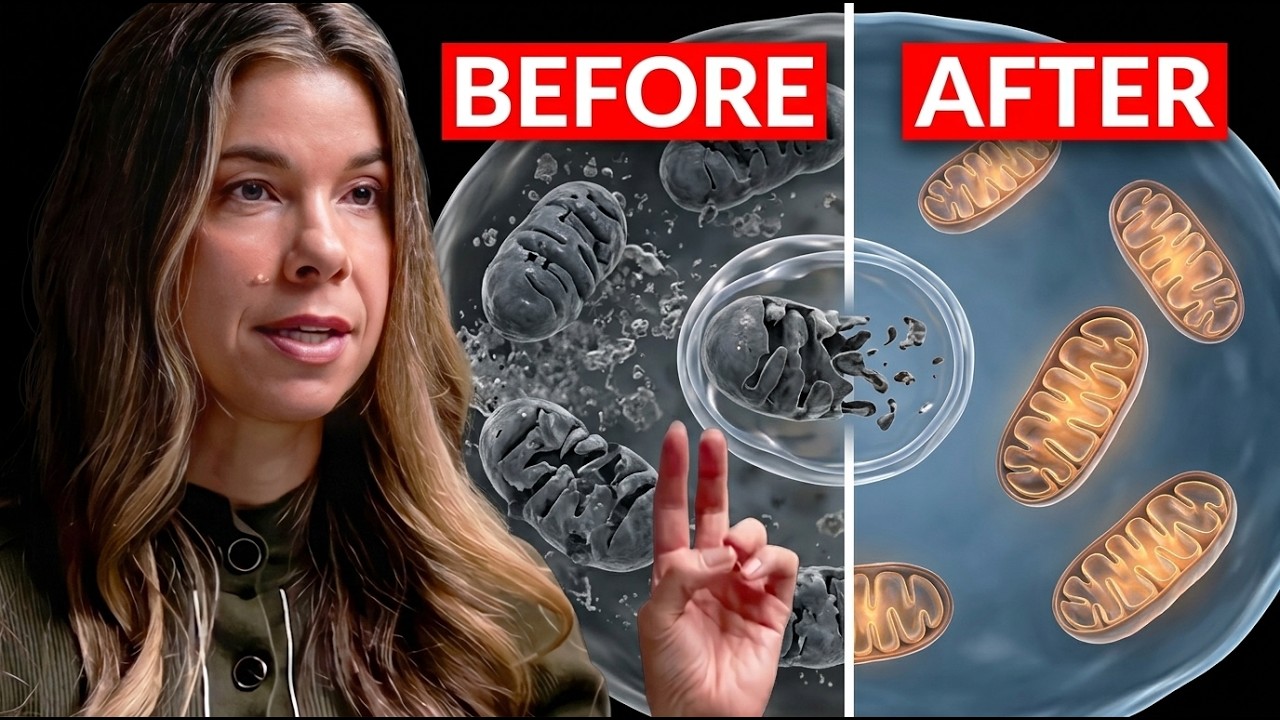
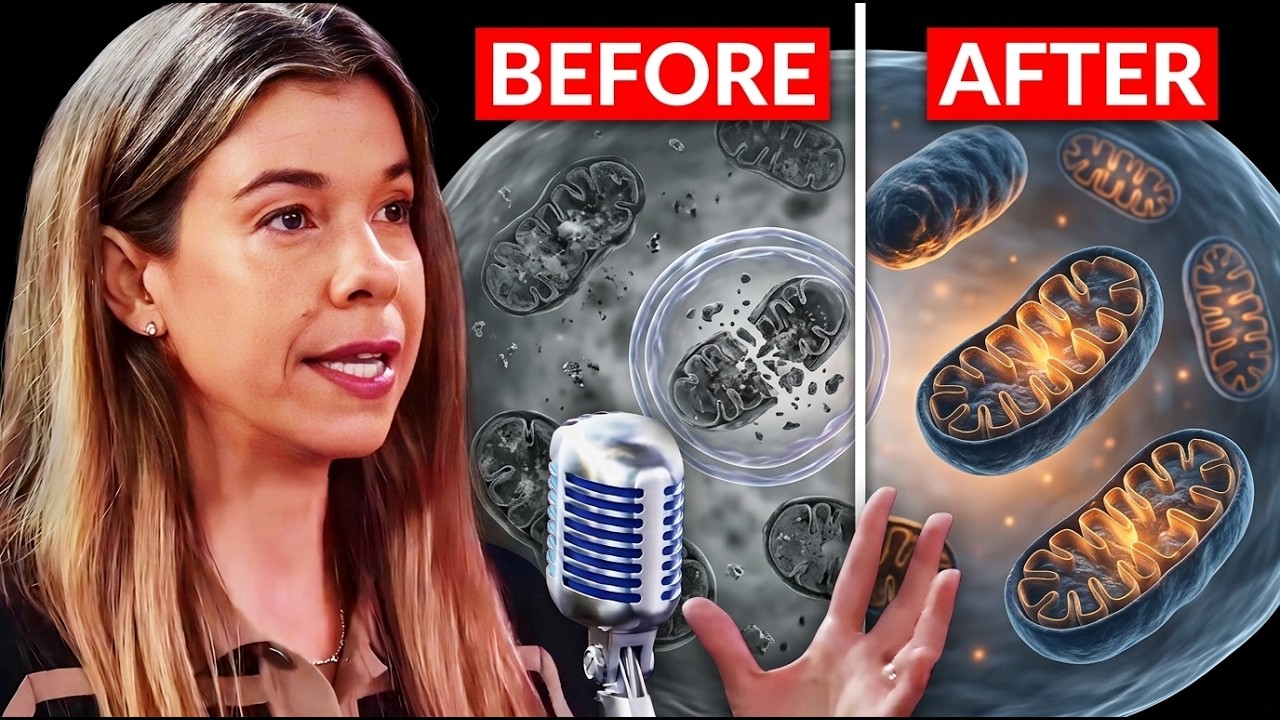
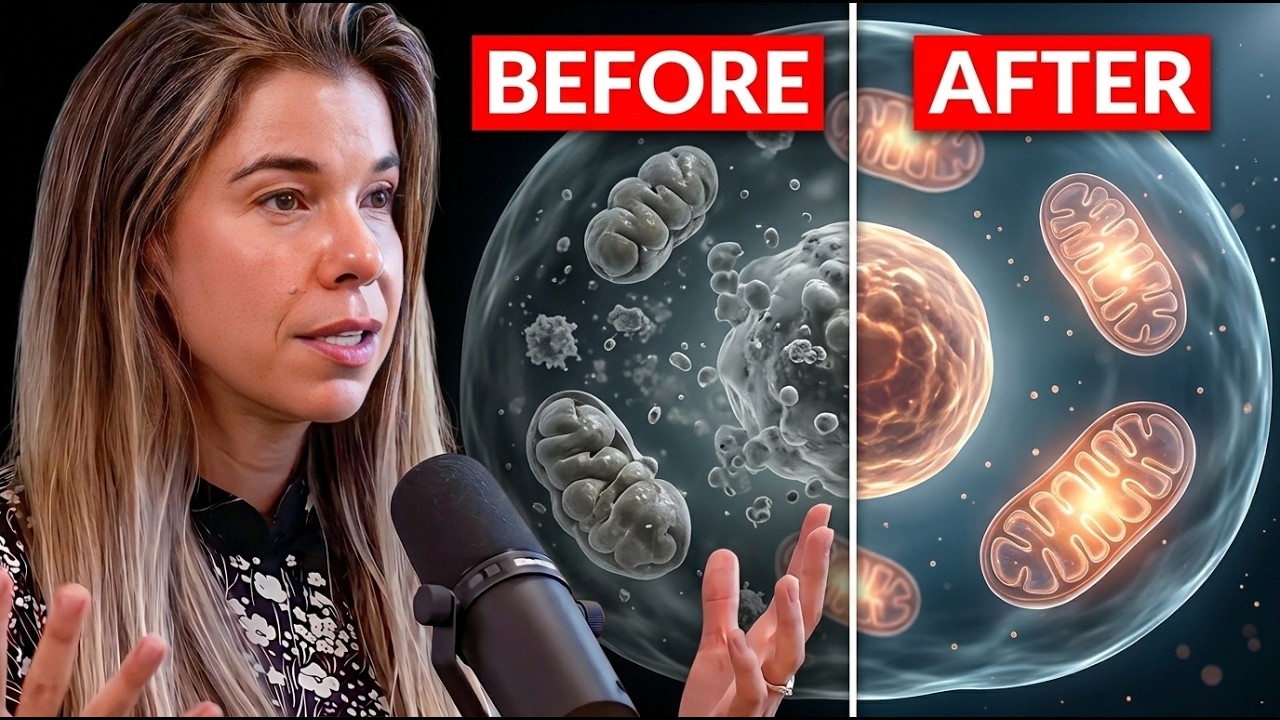
In this clip from Dr. Rhonda Patrick's appearance on The Diary Of A CEO, she discusses curcumin, urolithin A, and glutamine as supplements with distinct roles in inflammation, mitochondrial health, and immune metabolism. Curcumin, a compound in turmeric, has produced modest reductions in inflammatory biomarkers such as TNF-alpha in pooled short-term trials. Its effects can vary with the population, dose, formulation, and treatment duration. Phytosomal delivery may improve systemic exposure for some curcumin products, although formulations are not interchangeable. [1] [2]
Urolithin A is produced when certain gut microbes transform ellagitannins found in foods such as pomegranates, walnuts, and berries. Because this microbial conversion differs between people, direct supplementation offers more consistent exposure. Human trials using 500 to 1,000 milligrams per day have reported changes in acylcarnitines, muscle gene expression, endurance, strength, and other measures linked to mitochondrial function. The studies remain small and short, with mixed results across their primary outcomes, but they provide early evidence that urolithin A can affect mitochondrial and muscle biology in adults. [3] [4] [5] [6]
Glutamine is an amino acid that supplies fuel to immune and intestinal cells and contributes carbon to cellular energy metabolism through glutamate and alpha-ketoglutarate. Healthy, well-nourished adults can usually synthesize enough, and athlete trials have not found consistent improvements in immune measures, aerobic performance, body composition, or intestinal permeability from routine supplementation. Dr. Patrick presents these compounds as tools for selected goals rather than universal essentials, alongside a stronger foundation of exercise, sufficient protein and energy, sleep, vaccination, and appropriate medical care. [7] [8]
This clip is excerpted, with permission, from Dr. Rhonda Patrick's appearance on The Diary Of A CEO. Thank you to The Diary Of A CEO for allowing us to share it.
- ^ Sahebkar A; Cicero AFG; Simental-Mendía LE; Aggarwal BB; Gupta SC (2016). Curcumin downregulates human tumor necrosis factor-α levels: A systematic review and meta-analysis ofrandomized controlled trials. Pharmacol Res 107, .
- ^ Oxley RA; Peart DJ (2024). The effect of curcumin supplementation on functional strength outcomes and markers of exercise-induced muscle damage: A systematic review and meta-analysis. Nutr Health 30, 1.
- ^ Andreux PA; Blanco-Bose W; Ryu D; Burdet F; Ibberson M; Aebischer P, et al. (2019). The mitophagy activator urolithin A is safe and induces a molecular signature of improved mitochondrial and cellular health in humans. Nat Metab 1, 6.
- ^ Liu, Sophia; D’Amico, Davide; Shankland, Eric; Bhayana, Saakshi; Garcia, Jose M.; Aebischer, Patrick, et al. (2022). Effect Of Urolithin A Supplementation On Muscle Endurance And Mitochondrial Health In Older Adults JAMA Network Open 5, 1.
- ^ Singh, Anurag; D’Amico, Davide; Andreux, Pénélope A.; Fouassier, Andréane M.; Blanco-Bose, William; Evans, Mal, et al. (2022). Urolithin A Improves Muscle Strength, Exercise Performance, And Biomarkers Of Mitochondrial Health In A Randomized Trial In Middle-Aged Adults Cell Reports Medicine 3, 5.
- ^ Kuerec AH; Lim XK; Khoo AL; Sandalova E; Guan L; Feng L, et al. (2024). Targeting aging with urolithin A in humans: A systematic review. Ageing Res Rev 100, .
- ^ Ramezani Ahmadi A; Rayyani E; Bahreini M; Mansoori A (2019). The effect of glutamine supplementation on athletic performance, body composition, and immune function: A systematic review and a meta-analysis of clinical trials. Clin Nutr 38, 3.
- ^ Abbasi F; Haghighat Lari MM; Khosravi GR; Mansouri E; Payandeh N; Milajerdi A (2024). A systematic review and meta-analysis of clinical trials on the effects of glutamine supplementation on gut permeability in adults. Amino Acids 56, 1.
Dr. Rhonda Patrick: Curcumin is a compound from turmeric. Meta-analyses of short trials report modest reductions in TNF-alpha, CRP, and IL-6 in some populations. Results vary by condition, dose, formulation, and duration. A biomarker change does not prove slower aging, Alzheimer prevention, or better exercise performance.
Some high-dose or prolonged NSAID studies suggest blunted training adaptations, but the effect depends on the drug, dose, age, and protocol. No direct trial shows that curcumin preserves every adaptation or outperforms NSAIDs. Curcumin should not replace indicated pain or disease-modifying treatment.
Phytosomal delivery can improve systemic exposure for some products. Formulations are not interchangeable, and phytosome is not always superior in direct pharmacokinetic comparisons.
Steven Bartlett: What is urolithin A?
Dr. Rhonda Patrick: Gut bacteria can convert ellagitannins from pomegranate, walnuts, and some berries into urolithins. Production varies substantially by microbiome. Many people produce little or none, but this is not a fixed 50-percent rule.
Small trials of 500 to 1,000 milligrams per day have changed mitochondrial biomarkers and selected muscle outcomes. Several primary outcomes, including peak power, six-minute walking, and maximal ATP production, were null. Most pivotal trials were short and involved the product manufacturer.
One trial found a borderline placebo-adjusted VO2 peak signal. It did not compare urolithin A plus exercise with exercise alone. Another short immune study changed selected CD8 and natural-killer-cell measures. It did not test infections, vaccine response, cancer prevention, or clinical “immune rejuvenation.” Mouse lifespan findings do not establish human longevity.
Pomegranate is not equivalent to purified urolithin A. It contains many other compounds, and its performance effects cannot be assigned to urolithin A.
Steven Bartlett: What about glutamine?
Dr. Rhonda Patrick: Glutamine is an amino acid and fuel for immune and intestinal cells. It can enter metabolism through glutamate and alpha-ketoglutarate. Healthy, well-nourished adults usually synthesize enough.
Athlete trials have not consistently shown that glutamine prevents respiratory illness, improves immunity, or improves performance. A meta-analysis also found no overall effect on intestinal permeability across adult trials. My own experience of fewer illnesses is anecdotal and could be placebo.
These supplements may be useful for selected goals, but they are not universal anti-aging essentials. Exercise, adequate protein and energy, sleep, vaccination, and medical evaluation of recurrent illness remain more important.
Attend Monthly Q&As with Rhonda
Support our work
The FoundMyFitness Q&A happens monthly for premium members. Attend live or listen in our exclusive member-only podcast The Aliquot.
Urolithin a News
- A week of urolithin A injections improved memory and reduced brain inflammation after sleep loss in mice.
- Supplemental urolithin A enhances cardiac function by preserving mitochondrial function and reducing pro-inflammatory lipids.
- Pomegranate juice as a neuroprotective for infants at risk of hypoxia in the womb: differences in white matter and functional connectivity in brain
- A high-polyphenol diet is protective against age-related brain shrinkage.
- Compound derived from walnuts and pomegranates may boost mitochondrial and muscle health.