What Urolithin A May Offer for Muscle and Mitochondrial Health
The Omega-3 Supplementation Guide
A blueprint for choosing the right fish oil supplement — filled with specific recommendations, guidelines for interpreting testing data, and dosage protocols.
You'll also receive updates from Rhonda & FoundMyFitness
Urolithin A is produced when gut microbes transform compounds found in foods such as pomegranates, raspberries, and walnuts. In this clip from Q&A #73, Dr. Rhonda Patrick explains why this conversion varies between people and how direct supplementation can provide more predictable exposure. In a crossover study of 100 healthy adults, only 12 percent had detectable urolithin A at baseline. A 500-milligram supplement produced substantially greater exposure than approximately 240 milliliters of pomegranate juice. The study illustrates how the microbiome can influence the amount of an active metabolite obtained from food. [1]
Dr. Patrick focuses on mitophagy, the process through which cells remove damaged mitochondria. Human studies have examined whether urolithin A changes related biomarkers and muscle performance. In a four-month randomized trial of 88 overweight, untrained middle-aged adults, daily doses of 500 or 1,000 milligrams improved some muscle and mitochondrial measures, while the primary outcome of peak power did not significantly improve. A separate trial in adults ages 65 to 90 found improvements in selected muscle-endurance measures without significant differences in six-minute walking distance or maximal ATP production. [2] [3]
A smaller eight-week trial in 20 resistance-trained men tested 1,000 milligrams daily. Participants receiving urolithin A improved repetitions to failure and a measure of isometric strength relative to placebo, while bench-press and squat one-repetition maximums did not differ significantly. Dr. Patrick also discusses emerging interest in metabolic biomarkers such as ceramides and describes adding urolithin A back to her supplement routine. The human findings are most directly relevant to selected muscle outcomes and mitochondrial biomarkers, with longer-term effects on metabolic health and aging still under investigation. [4]
- ^ Singh, Anurag; D’Amico, Davide; Andreux, Pénélope A.; Dunngalvin, Gillian; Kern, Timo; Blanco-Bose, William, et al. (2021). Direct Supplementation With Urolithin A Overcomes Limitations Of Dietary Exposure And Gut Microbiome Variability In Healthy Adults To Achieve Consistent Levels Across The Population European Journal Of Clinical Nutrition 76, 2.
- ^ Singh, Anurag; D’Amico, Davide; Andreux, Pénélope A.; Fouassier, Andréane M.; Blanco-Bose, William; Evans, Mal, et al. (2022). Urolithin A Improves Muscle Strength, Exercise Performance, And Biomarkers Of Mitochondrial Health In A Randomized Trial In Middle-Aged Adults Cell Reports Medicine 3, 5.
- ^ Liu, Sophia; D’Amico, Davide; Shankland, Eric; Bhayana, Saakshi; Garcia, Jose M.; Aebischer, Patrick, et al. (2022). Effect Of Urolithin A Supplementation On Muscle Endurance And Mitochondrial Health In Older Adults JAMA Network Open 5, 1.
- ^ Zhao, Haotian; Zhu, Hongkang; Yun, Hezhang; Liu, Jingqi; Song, Ge; Teng, Jin, et al. (2024). Assessment Of Urolithin A Effects On Muscle Endurance, Strength, Inflammation, Oxidative Stress, And Protein Metabolism In Male Athletes With Resistance Training: An 8-Week Randomized, Double-Blind, Placebo-Controlled Study Journal Of The International Society Of Sports Nutrition 21, 1.
This next deep dive question is interesting because I recently started adding it back to my supplement routine. And this is urolithin A. I know we've talked about this before. So, Jen submitted a question about urolithin A gaining attention for its anti-aging, mitochondrial support, anti-inflammatory properties, also its benefits for cancer and just overall health benefits. Can you please do a deep dive into urolithin A, natural sources, supplementations, and all those things?
So, as Jen mentioned in her question, urolithin A is something that's a naturally occurring molecule. It has been getting a lot of attention, particularly for its effects on mitochondrial health. And then that's sort of spilling over into longevity because mitochondria are very important for longevity. But the first thing that you should know about urolithin A is that you actually can't get it directly from food. It's kind of like the sulforaphane. You get the precursor of it from food, right? And then you have to rely on your gut microbiome to convert it into the active compound.
So, what happens is there are polyphenols called ellagitannins. Those are polyphenols that are found in foods like pomegranates, they're found in raspberries, walnuts, pecans. And we have gut bacteria that then convert these ellagitannins into urolithin A. However, it all depends again. There's such huge individual variation in terms of gut microbiome composition. And so some people have a lot of these bacteria that are converting ellagic acid into urolithin A, and some people don't have hardly any. And so there's a lot of variation in terms of if you're taking pomegranate or eating raspberries, how much urolithin A you're actually making.
In fact, there was actually a study published in 2022. It was a crossover study. So, 100 people, found that only 12% of these participants, so only 12% of these 100 people, actually had detectable levels of urolithin A at baseline, so before any dietary intervention was done. And only 2% of those people were actually classified as high producers of urolithin A. But even after drinking about 240 ml of pomegranate juice, over 30% of them still showed no detectable levels. Only 40% actually had high levels. So, 70% of people were actually producing urolithin A from drinking this pomegranate juice. Of those 70%, 40% of those people actually made really high levels of the urolithin A, whereas the other 30% were just making moderate amounts. And then 30% of people made nothing, no detectable amounts.
So, again, it just comes down to having a more diverse gut microbiome. Specifically, if you have a higher Firmicutes-to-Bacteroidetes ratio, then it seems that you have better odds of actually producing higher levels of urolithin A in your gut. So, that kind of comes down to, well, do I have those levels? Have I had a microbiome test? And what kind of foods can kind of give me that sort of ratio, right? If you don't want to go there, then we can kind of talk about the supplementation studies.
So, there have been a variety of studies looking at actually just supplementing urolithin A. So, there've been some human trials. Potential benefits are usually seen between a dose range of 500 to 1,000 mg, with respect to, again, 500 being the minimum effective dose, 1,000 mg being probably where you're going to get the biggest bang for your buck. But to get 500 mg of urolithin A alone, you'd probably have to drink 1.5 L of pomegranate juice every day, even if you're a urolithin A producer at all. So, if you're one of the low producers, then you're not going to get anything from the 1.5 L of pomegranate juice a day with respect to urolithin A. So, I do think that supplementation becomes a more predictable way of getting a therapeutic dose of urolithin A.
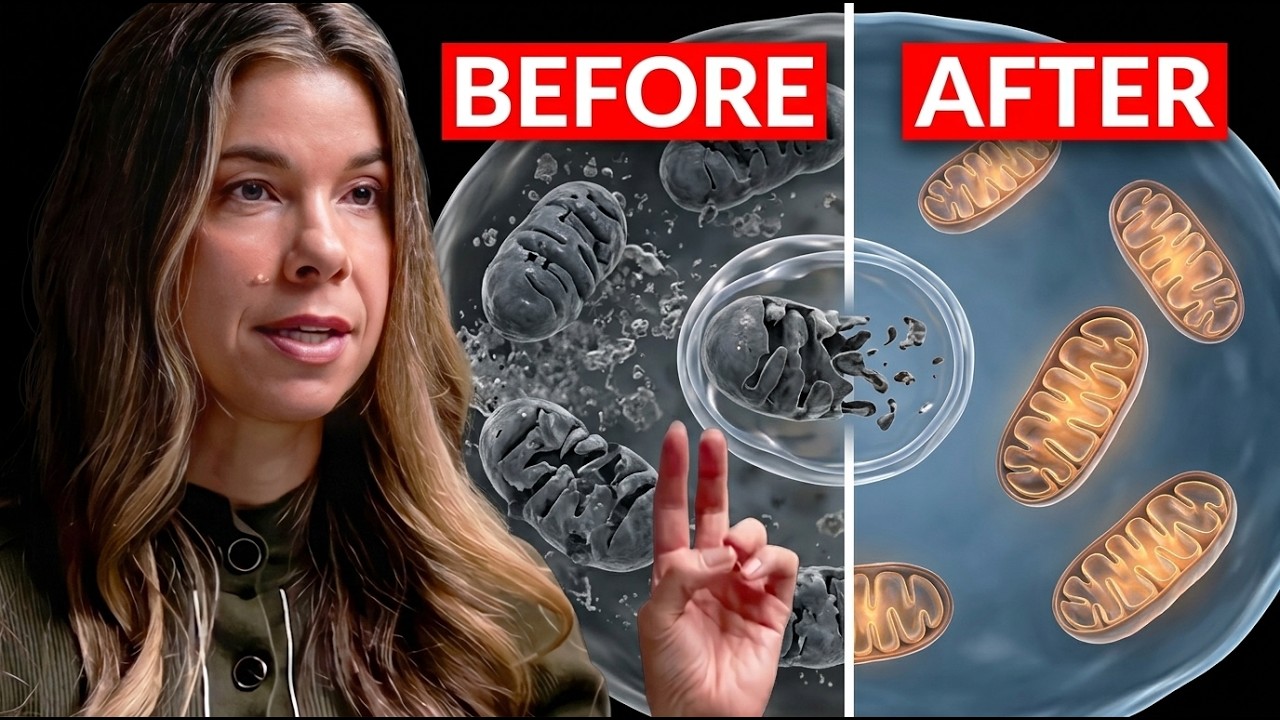
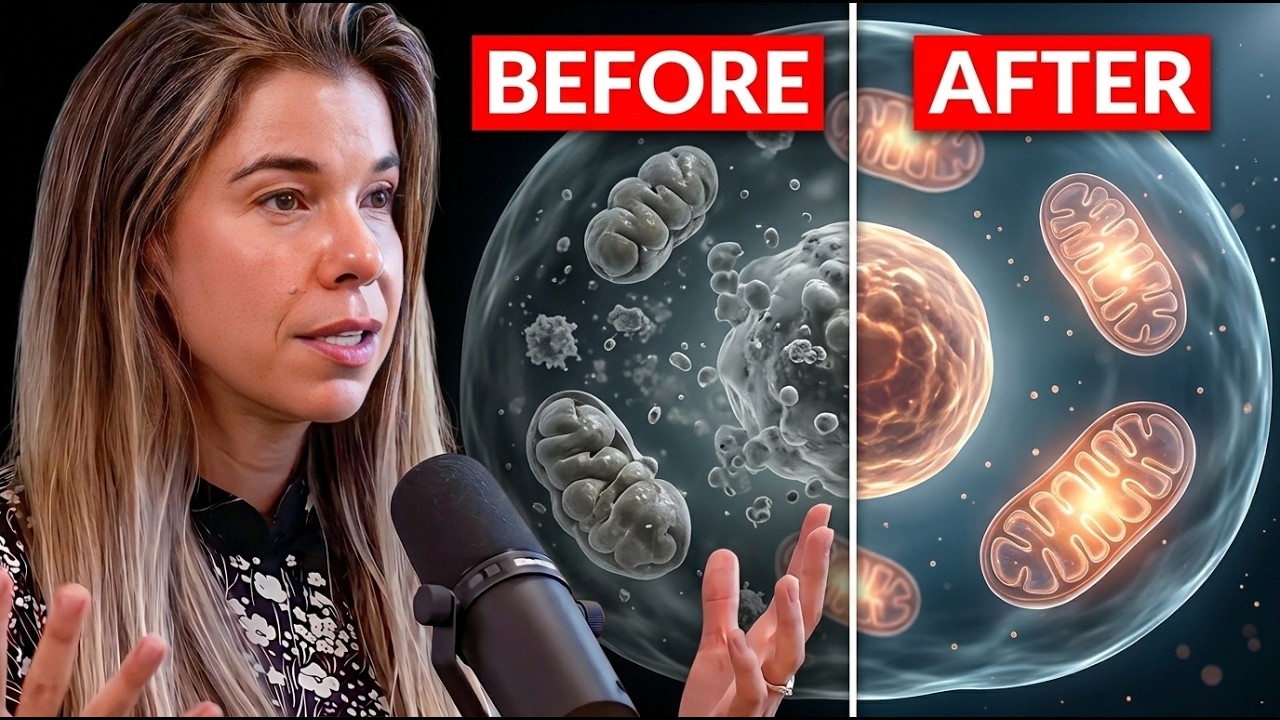
So, let's talk a little bit about that. Why are we even interested in urolithin A? And I know we've talked about this in the past, but urolithin A does affect a process inside of our cells, and it's this process called mitophagy. So, this is where mitochondria—as you guys all know, mitochondria are very important for producing energy. Mitochondrial health is very, very tightly correlated with neurological health, with muscular health, with longevity, delaying age-related neurodegenerative disease, for example.
And so, our mitochondria have to repair themselves. They accumulate damage. They're the source of energy, so they're very prone to taking hits of reactive oxygen species because that's where the reactive oxygen species are being produced, by the mitochondria. So, the mitochondria are taking a hit. And so, they do accumulate a lot of damage over their lifespan. And one of the ways that mitochondria get rid of that damage is by clearing away parts of the mitochondria, or even, in fact, the whole mitochondria if the whole mitochondria is damaged, through this process of mitophagy.
And, in fact, there are genetic pathways that are important for mitophagy, and some humans have SNPs in genes that are important for regulating this process of mitophagy that make them not work very good. And those people end up with early-onset Parkinson's disease because mitochondrial health is so, so important for preventing Parkinson's disease. So, it's been identified as this sort of quote-unquote first-class mitophagy activator.
There are some studies that we talk a little bit about, some preclinical studies in aging mice. Urolithin A has been shown to improve muscle function. It's been shown to increase running capacity. Essentially rejuvenated older muscles. And there's some early human studies that are kind of partially supporting this as well. So, in a randomized controlled trial of middle-aged adults that had low cardiorespiratory fitness, they took 500 mg of urolithin A or a placebo daily for 4 months. Then there was muscle biopsies that were done. And there was a variety of genes and proteins that are involved in mitophagy, that are involved in mitochondrial energy production, that were shown to increase in the muscle of the people that were actually given urolithin A.
Urolithin A also reduced several circulating what are called acylcarnitines. So, these are some lipid biomarkers that basically, when you reduce them, that has been correlated with improved mitochondrial function. So, that's something else to consider as well.
And then another study that was actually published last year gave athletes, again, 1,000 mg of urolithin A and found that they could push harder in static strength tests and keep going more reps before tiring during other tests compared to placebo. But it did not seem to increase the maximum weight they could lift, which is not that surprising because strength, the most important thing there would be obviously doing more strength training. So, it didn't seem to affect the strength, but it did affect pushing harder and doing more reps as well. And then it was associated with some reductions in oxidative stress and inflammation.
Okay, so let's talk a little bit about metabolism. So, if you do remember from my recent interview with Dr. Ben Bikman, we talked about ceramides playing a role in driving insulin resistance. When they build up inside the cells of muscle or liver or fat tissue, they can then disrupt insulin signaling. So, blood ceramide levels in the study that we just talked about actually can reflect somewhat of an insulin-resistant state. And so anything that's lowering blood ceramide levels is actually really good for metabolic health. So, it'd be interesting to see some more studies into this area. Most studies looking at urolithin A are looking at exercise performance or mitochondrial markers, but I think this is a new area because it has been shown that urolithin A in a couple of studies can reduce ceramides, and I do think that is significant for metabolic health. So, hopefully we'll see some more studies on that.
There's right now just preclinical studies looking at urolithin A and more, I think, more looking at the polyphenols and ellagic acid and cancer prevention, but there's a lot of things going on with polyphenols as well. And so that's not an area I'm really going to talk about because I don't think there's enough evidence to make any claims about urolithin A and cancer.
But I do think for generally just healthy people, experimenting with 500 to 1,000 mg of urolithin A a day might be something worth trying. Like I said, I am adding that back to my supplement routine as well. The brand that I'm going with is Mitopure. It's kind of expensive. So, keep that in mind. If anyone finds a cheaper brand that's quality, please let me know. But that's the brand that I've decided to go with.
Get email updates with the latest curated healthspan research
Support our work

Every other week premium members receive a special edition newsletter that summarizes all of the latest healthspan research.
Urolithin a News
- A week of urolithin A injections improved memory and reduced brain inflammation after sleep loss in mice.
- Supplemental urolithin A enhances cardiac function by preserving mitochondrial function and reducing pro-inflammatory lipids.
- Pomegranate juice as a neuroprotective for infants at risk of hypoxia in the womb: differences in white matter and functional connectivity in brain
- A high-polyphenol diet is protective against age-related brain shrinkage.
- Compound derived from walnuts and pomegranates may boost mitochondrial and muscle health.