Q&A
Q&A #9: Viral Defense—Sulforaphane, NAC, Glutathione, & Vitamin D
Dr. Rhonda Patrick answers audience questions on various health, nutrition, and science topics in this Q&A session.
FoundMyFitness library
Ranked by shared topics, with one result from each original episode.
Q&A
Dr. Rhonda Patrick answers audience questions on various health, nutrition, and science topics in this Q&A session.
Episode
“Diamandis and Robbins are a dynamic duo, having paired up with co-author Dr. Robert Hariri to write Life Force, a best-selling book that describes breakthroughs in precision medicine and health technologies that can help people live longer, healthier, more fulfilling lives – in the very near future.”
Clip
Episode
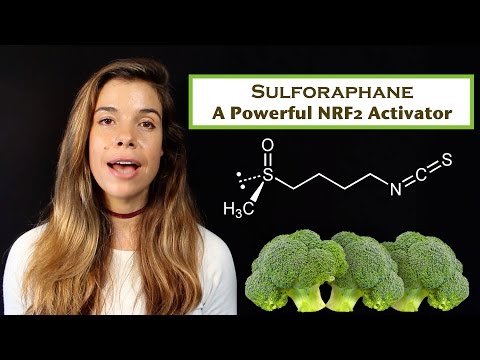
“There is so much to say when we talk about the NRF2 pathway and isothiocyanates like sulforaphane that we had to pack it into 47 minutes and break it into a few key sections. Key sections: For a more in-depth breakdown click the timeline link at the top of this page!”
Episode
“Since then, countless studies have tested Pauling's theories about vitamin C, colds, and cancer (and many others), and a substantial body of evidence has emerged, identifying critical roles for vitamin C in immune function, cardiovascular and respiratory health, cognitive development and preservation, and many other aspects of human health.”
Clip
“The modeled relationship between vigorous and moderate activity varied by outcome: one vigorous minute corresponded statistically to 4.1 moderate minutes for all-cause mortality, 7.8 for cardiovascular mortality, 3.5 for mortality from selected activity-related cancers, and 1.6 for cancer incidence.”
Clip
“Time-restricted eating, in particular, has the potential to realign the body's circadian rhythms. In this clip, Dr. Rhonda Patrick describes some of the different types of fasting and identifies the advantages associated with each.”
Clip
“Even if mRNA could enter the nucleus, two other enzymes are missing to transform RNA into DNA and insert it into the human genome. Thus, the series of steps that would result in mRNA incorporating into nuclear DNA is biologically implausible.”