1
Collection
What FoundMyFitness Has Covered
PremiumConnecting the evidence…
2
Topic
Topic
Epigenetic aging clocks
“Scientific evidence suggests that epigenetic changes can be passed from generation to generation. Three biochemical processes drive epigenetic change: DNA methylation, histone modification, and non-coding RNA-associated gene silencing.”
3
 Episode
Episode
Epigenetic Aging: How old is your DNA?
“Relevant work DNA methylation GrimAge strongly predicts lifespan and healthspan. An epigenetic biomarker of aging for lifespan and healthspan - _PhenoAge Reversal of epigenetic aging and immunosenescent trends in humans.”
4
 Episode
Episode
Morgan Levine, PhD, on PhenoAge and the Epigenetics of Age Acceleration: Can We Change the Pace?
“These are the biological aspects of aging: the molecular and biochemical changes that comprise the hallmarks of aging. One of these hallmarks involves epigenetic alterations that can accumulate over time and contribute to cellular decline.”
5

Aliquot
Premium
Aliquot #23: Altering the rate of your epigenetic clock
“Evidence suggests that drugs or other medical procedures can slow epigenetic aging, but other factors, such as diet and disease states influence it too. This Aliquot features Dr. Steve Horvath, an expert in epigenetics and biostatistics and creator of the Horvath epigenetic aging clock.”
6
 Clip
Clip
Clip
How Vegetable Intake Relates to Epigenetic Aging
“In this FoundMyFitness interview, Dr. Steve Horvath describes how an association between higher carotenoid levels and lower epigenetic-age acceleration changed his own eating habits.”
7
 Episode
Episode
Dr. Steve Horvath on epigenetic aging to predict healthspan: the DNA PhenoAge and GrimAge clocks
“Epigenetic aging appears to accelerate with obesogenic diets, contributing to metabolic dysfunction across multiple generations. Efforts to promote healthy aging center on extending healthspan, effectively rounding off the statistical curve of age-related disease and compressing the number of years spent in poor health.”
8
 Clip
Clip
Clip
Can senolytic drugs improve epigenetic aging? | Steve Horvath
“Most evidence suggests, however, that epigenetic aging is really somewhat distinct from senescence-mediated aging. In this clip, Dr. Steve Horvath discusses how epigenetic aging differs from senescence-mediated aging.”
9
 Clip
Clip
Clip
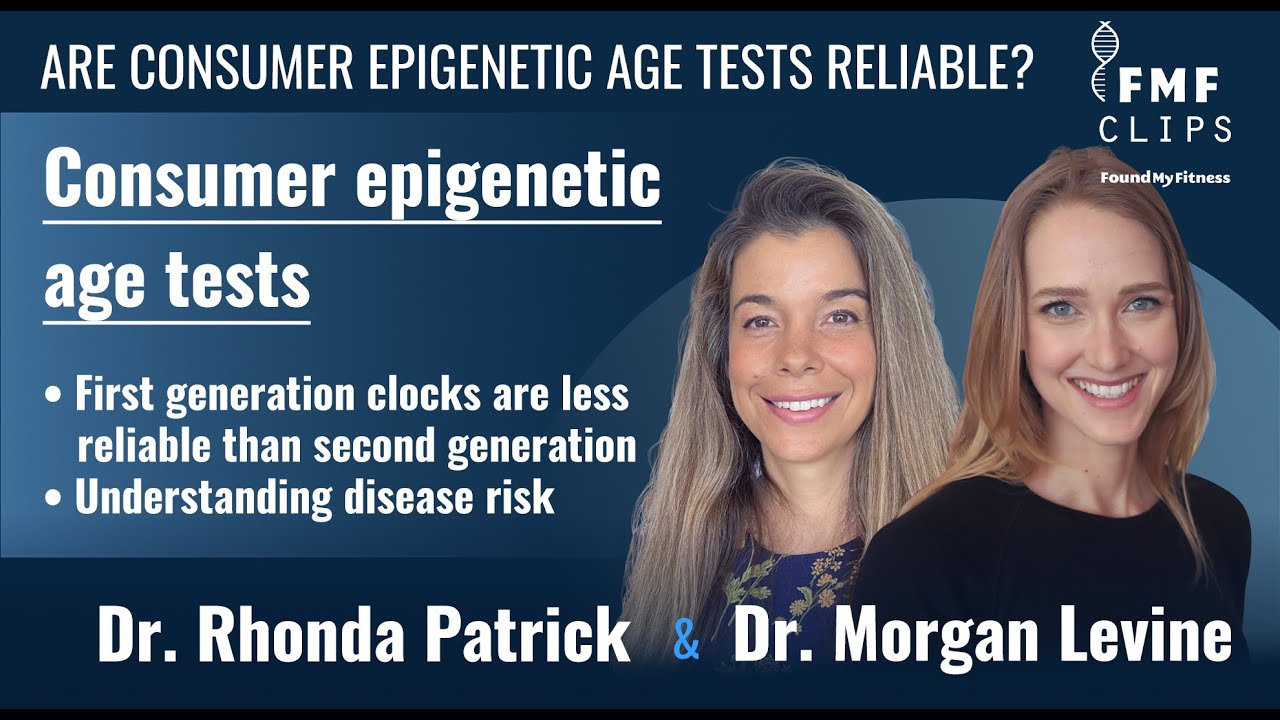
Are consumer epigenetic age tests reliable? | Dr. Morgan Levine
“In this clip, Drs. Patrick and Levine discuss the reliability of epigenetic age tests available to consumers. Do these tests provide accurate results, and how should we interpret them? Dr. Levine discusses the shortcomings of current epigenetic age testing for consumers and what measuring epigenetic age at one timepoint really means about true biological age.”
10
 Clip
Clip
Clip
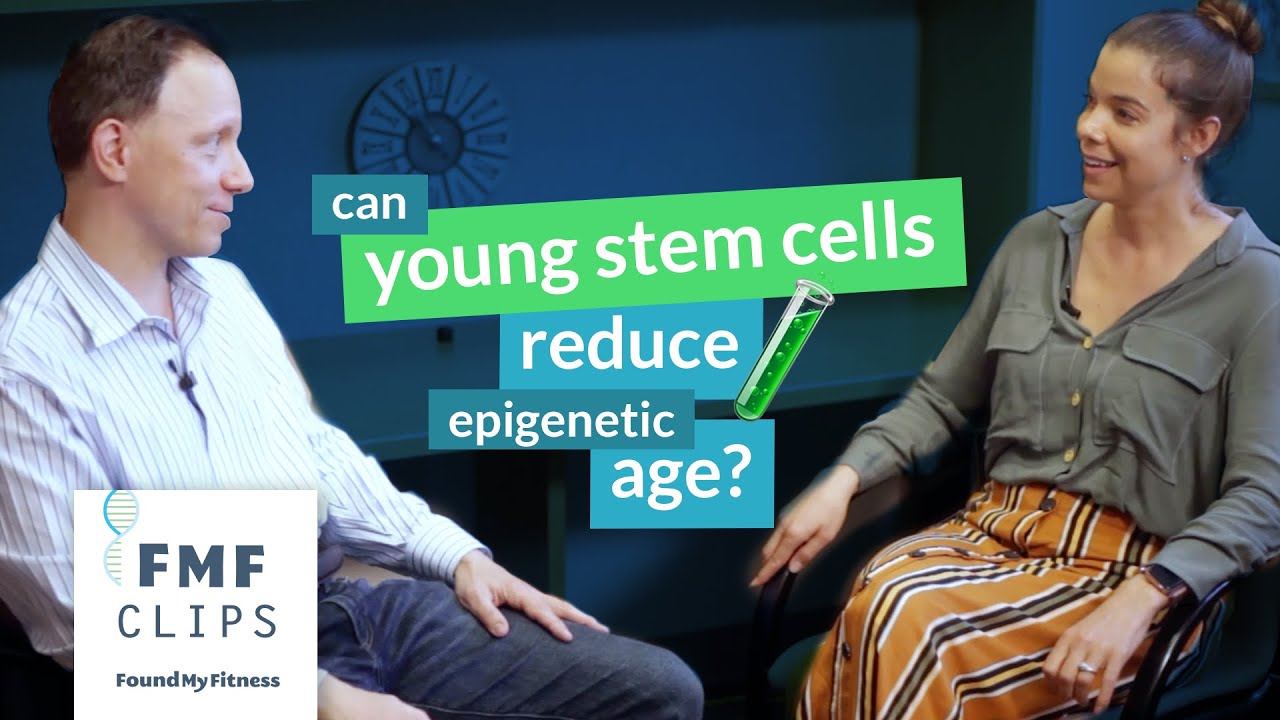
Can young stem cells reverse epigenetic age? | Steve Horvath
“Scientists have observed that the epigenetic clock of transplanted cells and their descendant lineages synchronize with the donor rather than the recipient, thus retaining the epigenetic age of the donor and remaining relatively unaffected by the cellular environment (the "niche") of the recipient.”
Results 1–10 of 242