Why muscle is important for longevity? | Dr. Stuart Phillips
Get the full length version of this episode as a podcast.
This episode will make a great companion for a long drive.
The Omega-3 Supplementation Guide
A blueprint for choosing the right fish oil supplement — filled with specific recommendations, guidelines for interpreting testing data, and dosage protocols.
You'll also receive updates from Rhonda & FoundMyFitness
Having sufficient muscle mass markedly reduces a person's risk of dying prematurely, and actively challenging those muscles, through regular physical activity and exercise, may extend a person's life several years.
As we get older, the equilibrium of the biochemical processes that maintain muscles – anabolism and catabolism – wanes, creating an imbalance in muscle protein turnover and driving sarcopenia, the loss of muscle mass and strength that accompanies aging. Many factors contribute to this imbalance, including a sedentary lifestyle and dietary insufficiencies.
Building muscle and maintaining function and strength in youth and midlife can forestall the inevitable periods of disuse and disease that occur throughout life and increase with aging. Some evidence suggests that even older adults can benefit from regular strength training to promote muscle gains. In this clip, Dr. Stuart Phillips and Dr. Rhonda Patrick discuss the importance of building and maintaining muscle mass for longevity.
This transcript is reserved for members.
FoundMyFitness Members get access to exclusive content not available anywhere else, including a transcript of this episode.
You wouldn't believe how cool being a premium member of the world's best cross-disciplinary science-focused website and podcast really is.
Get email updates with the latest curated healthspan research
Support our work
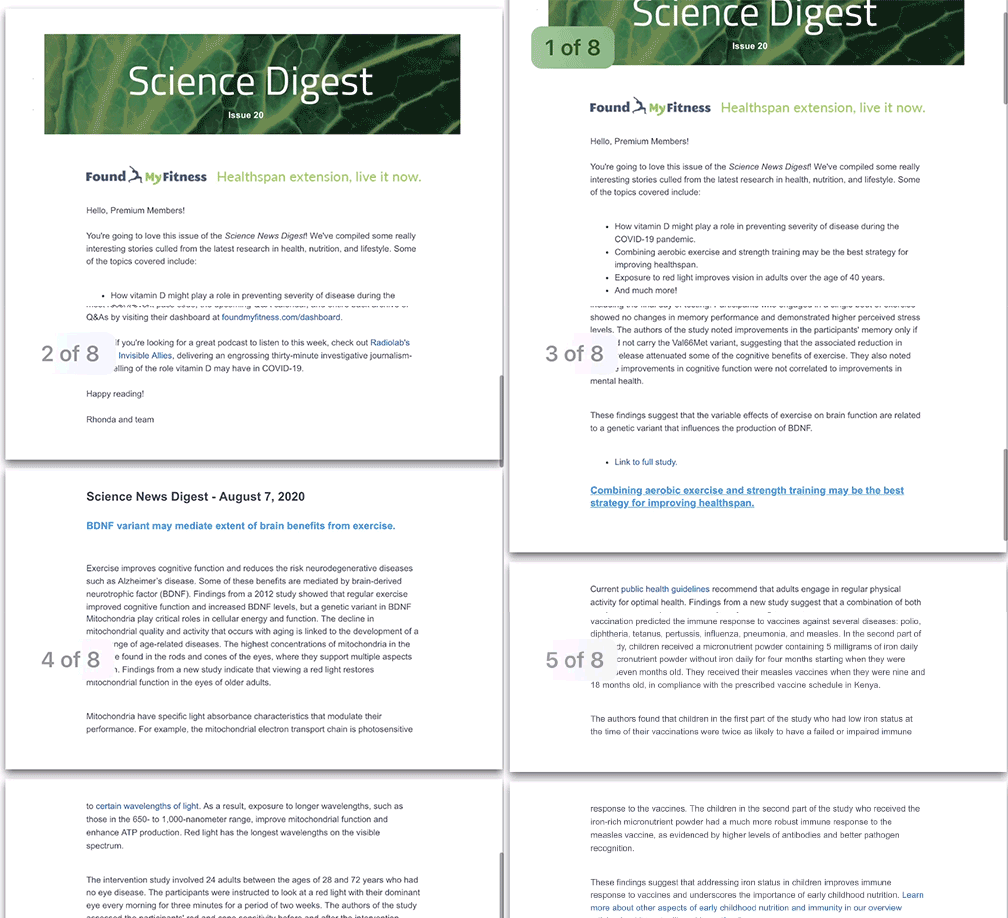
Every other week premium members receive a special edition newsletter that summarizes all of the latest healthspan research.
Muscle News
- Different forms of vitamin D have distinct impacts on muscle mass and strength.
- Study shows that high protein does not affect kidney function across a wide variety of metrics.
- Higher muscular strength and cardiorespiratory fitness can help reduce the risk of premature death in cancer patients by up to 46%.
- The effect of acute sleep deprivation on skeletal muscle protein synthesis and the hormonal environment