1
Collection
What FoundMyFitness Has Covered
PremiumTriglycerides are both an energy-carrying blood fat and a clinically useful marker of metabolic and cardiovascular risk. Elevated levels are associated with atherosclerosis and cardiovascular disease, while a higher triglyceride-to-HDL ratio can signal insulin resistance and…
Your Premium Brief connects insights across FoundMyFitness to help you see the bigger picture.
Based on available source text from 9 of the first 10 results.
2
 Clip
Clip
Clip
What Supplements Can—and Cannot—Do for High Cholesterol
“Other supplements affect different parts of the lipid profile. EPA and DHA primarily lower triglycerides, while standardized garlic and berberine preparations have produced modest LDL reductions in short trials. Product, dose, and individual response matter.”
3
 Clip
Clip
Clip
How Omega-3s Help Resolve Inflammation
“Purified prescription EPA reduced cardiovascular events in selected high-risk, statin-treated patients with elevated triglycerides, while broader EPA-DHA trials have produced different results. Prescription omega-3 also lowers very high triglycerides.”
4
 Clip
Clip
Clip
The Overlooked Blood Markers of Metabolic Aging
“The triglyceride-to-HDL cholesterol ratio combines two routine lipid values and can serve as a practical signal of insulin resistance and atherogenic dyslipidemia. Prospective studies have associated a higher ratio with coronary and cardiovascular mortality in men and with all-cause mortality in women evaluated for ischemia.”
5
 Clip
Clip
Clip
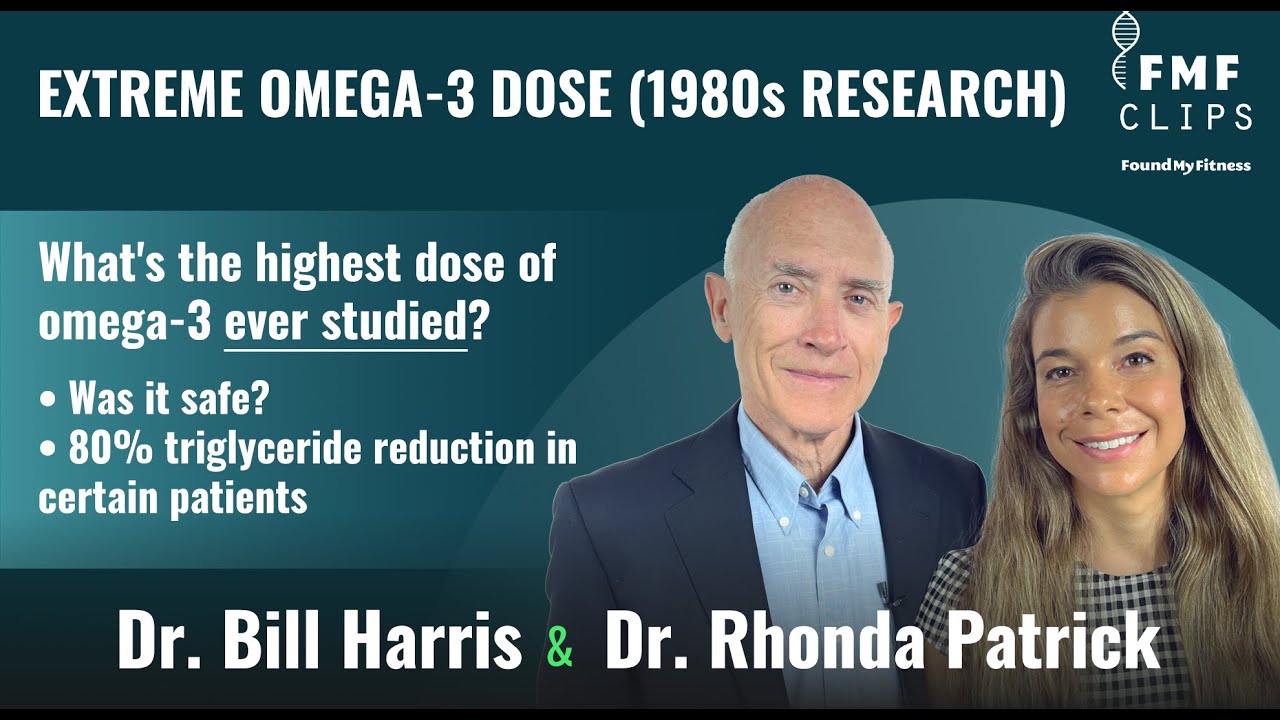
The Highest Omega-3 Dose Ever Studied (25 grams per day)
“However, rather than finding an effect on cholesterol, they found a nearly 80% drop in triglycerides among patients with Fredrickson Type V hypertriglyceridemia. While this dose is, no doubt, clinically excessive, the tolerability of even high doses used in the past provides context on just how hard it is to determine a true "tolerable upper intake level" when it comes to omega-3.”
6

Science Digest
A high dose of fish oil (4g/day) lowered triglyceride levels by 20-30% in people with high triglycerides.
“However, when the drug is given to people with very high triglyceride levels at 500 mg/dL or greater, LDL-C may increase. •The panel's review found that prescription omega-3 fish oil is effective in reducing triglyceride levels regardless of whether people are on statin therapy.”
7
Science Digest
Prescription omega-3 fatty acid drugs reduce high or very high triglyceride levels.
“Findings from a large trial investigating the use of 4 grams of EPA per day (along with a statin) to reduce triglycerides demonstrated a 25 percent reduction in major cardiovascular events. Current trials are underway investigating the effectiveness of using combined EPA and DHA in the treatment of high triglycerides.”
8
Science Digest
A new study reveals a surprising link between triglycerides and reduced risk of dementia in older adults.
“Triglycerides, the most common type of fat in the body, serve as a vital energy source and aid in absorbing fat-soluble vitamins. However, elevated levels of triglycerides, often associated with unhealthy dietary habits and certain metabolic conditions, have been linked to an increased risk of atherosclerosis, cardiovascular disease, and other metabolic disorders.”
9
Science Digest
High cholesterol & triglycerides linked to increase in prostate cancer recurrence post-surgery. 35% greater risk if 150 mg/dL triglyceride level.
“FTA: > Higher levels of total cholesterol and triglycerides, two types of fat, in the blood of men who underwent surgery for prostate cancer, were associated with increased risk for disease recurrence, according to a study”
10
Science Digest
Medium chain triglycerides (MCTs) improved cognition in patients with Alzheimer's disease.
“Findings from a recent study demonstrate that ketones derived from medium chain triglyceride metabolism may provide an alternative fuel source for the brain in the setting of Alzheimer's disease. Ketones are molecules produced by the liver during the breakdown of fatty acids.”
Results 1–10 of 314