Filter results by content type

Search results for telomeres

Found 163 matches across the FoundMyFitness library.

163 results
11
Clip

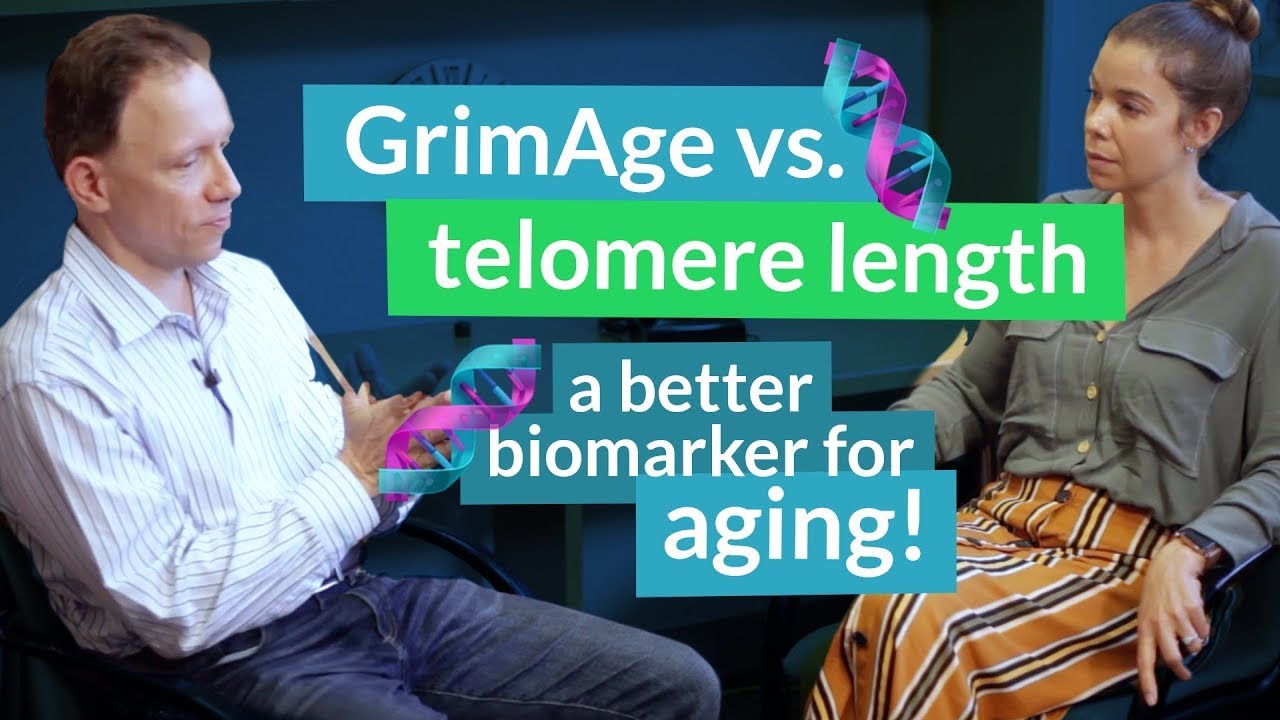
GrimAge vs. Telomere length: a better biomarker for aging | Steve Horvath

Dec 29, 2020

“However, the DNAm GrimAge epigenetic clock is a highly reliable predictor of healthspan and lifespan, based on DNAm surrogates in blood, including biomarkers of aging and alterations in blood composition. In this clip, Dr. Steve Horvath discusses the strengths and weaknesses of using telomeres versus epigenetic clocks to predict risk of disease and death.”
13
Clip

What can you do to preserve telomere length (and what to watch out for) | Elissa Epel

Jul 15, 2019

“Having longer telomeres is associated with better health and longer lifespan. Some research suggests that dietary supplements might offer a means to lengthen telomeres. Candidates include vitamin D, omega-3 fatty acids, and TA-65, a product that purportedly contains extracts of astragalus membranaceus, a plant-based compound that demonstrates anti-aging effects.”

17
Topic
Topic

Hallmarks of aging

Jul 27, 2026

“Telomerase, a reverse transcriptase enzyme, adds specific nucleotide sequences to the ends of existing chromosomes, extending the telomere. Telomerase activity is highly regulated during development, and its activity is almost undetectable in fully developed cells.”

19
Clip

Aerobic exercise lengthens telomeres and buffers against losses caused by stress | Elissa Epel

Jun 25, 2019

“A growing body of scientific evidence suggests that there's a correlation between nutrition, exercise, sleep, and stress management and having longer telomeres. Identifying the mechanisms that drive these correlations has proven challenging, but a few candidates stand out, including improvements in immune function and metabolic health.”

20
Topic
Topic

Senescence

Jul 6, 2026

“Hyperbaric oxygen trial discovered a lengthening of up to 38% of the telomeres, decrease of up to 37% in senescent cells in certain cell populations. With age, tissues lose their ability to function properly, leading to an increased risk of cancer, cardiovascular disease, Alzheimer's disease, and other chronic diseases.”

Results 11–20 of 163