Multivitamin
Multivitamins featured article
Introduction
Micronutrient deficiencies are widespread. Up to 70% of Americans don’t get enough vitamin D, nearly 50% fall short of their magnesium needs, and 35% have an insufficient intake of calcium.
These deficiencies and insufficiencies ravage our health. Inadequate vitamin D increases mortality risk. A magnesium deficiency can accelerate biological aging. Folate deficiency by itself can produce a level of DNA damage that is equivalent to or in excess of an acute exposure to radiation (although this occurs at levels uncommonly seen in human populations).
Addressing these deficiencies seems to hold a remarkable benefit. For example, correcting...
Episodes

Dr. Rhonda Patrick reviews multivitamins for cognitive aging and sulforaphane for DNA protection and detoxification.

Dr. Rhonda Patrick reviews vitamin D, omega-3s, multivitamins, magnesium, creatine, and melatonin for adults over 65.
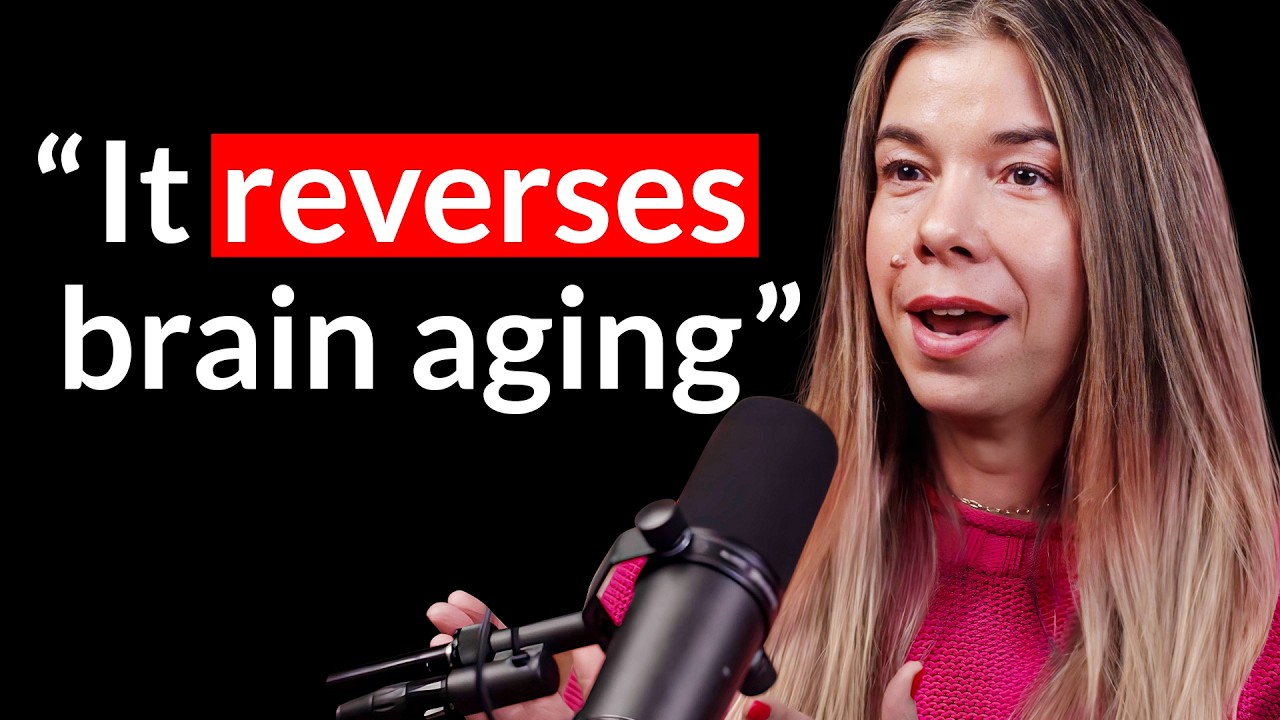
Dr. Rhonda Patrick reviews COSMOS multivitamin findings and discusses how omega-3, magnesium, and vitamin D needs vary among older adults.
-
Dr. Rhonda Patrick reviews multivitamins for cognitive aging and sulforaphane for DNA protection and detoxification.
-
Dr. Rhonda Patrick reviews vitamin D, omega-3s, multivitamins, magnesium, creatine, and melatonin for adults over 65.
-
Dr. Rhonda Patrick reviews COSMOS multivitamin findings and discusses how omega-3, magnesium, and vitamin D needs vary among older adults.
-
Dr. Rhonda Patrick discusses food-first calcium and iron, vitamin D, omega-3, multivitamins, creatine, and protein powder for children.
-
Dr. Rhonda Patrick reviews COSMOS multivitamin findings for cognition in older adults and discusses nutrient gaps, product quality, and iron needs.
-
Dr. Rhonda Patrick reviews multivitamins, CoQ10, urolithin A, and sulforaphane for cognitive and cellular health.
-
Dr. Rhonda Patrick explains how to match glutathione, vitamins, omega-3, creatine, and magnesium to individual needs.
-
Dr. Rhonda Patrick and Dr. Steve Horvath discuss COSMOS multivitamin findings for cognition and epigenetic aging in older adults.
-
Dr. Rhonda Patrick reviews how multivitamins, vitamin D, omega-3s, and magnesium address cognitive, cardiovascular, and micronutrient needs.
-
Dr. Rhonda Patrick reviews omega-3, multivitamins, vitamin D, magnesium, and creatine for nutrient gaps, exercise, and brain energy.
-
Dr. Rhonda Patrick reviews multivitamins for cognitive aging and creatine for muscle energy and cognitive performance during sleep loss.
-
Epigenetics Telomeres Genetics Stem Cells Omega-3 DNA Damage Biomarkers Aging Vitamin D Senescence MultivitaminDr. Rhonda Patrick and Dr. Steve Horvath discuss how epigenetic clocks measure biological age and which proven interventions actually slow or reverse aging.
-
Dr. Rhonda Patrick reviews multivitamins, vitamin D, omega-3s, ubiquinol, and sulforaphane in the context of her parents’ health.
-
Dr. Rhonda Patrick reviews vitamin D, omega-3s, multivitamins, magnesium, and choline for common nutrient gaps.
-
Drs. Rhonda Patrick and Mark Hyman discuss multivitamins, vitamin D, potassium, and omega-3s for brain and metabolic health.
-
Dr. Rhonda Patrick explains why omega-3, vitamin D, and sulforaphane lead her short list of essential supplements.
-
Dr. Rhonda Patrick outlines how vigorous exercise, micronutrients, berries, and omega-3s can support memory and cognitive function.
-
Drs. Rhonda Patrick and Mark Hyman discuss vitamin D, omega-3s, multivitamins, magnesium, and sulforaphane for nutrient coverage.
-
Dr. Rhonda Patrick describes why she prioritizes omega-3s, vitamin D, a multivitamin, sulforaphane, and magnesium.
-
Dr. Rhonda Patrick details her supplement routine, including omega-3s, creatine, melatonin, magnesium, and product-selection criteria.
-
Dr. Rhonda Patrick explains why AG1 is best viewed as a drinkable multivitamin, not a substitute for greens, fruit, or whole foods.
Topic Pages
-
Biological Age Clocks
Biological age clocks estimate organismal ageing by algorithmically integrating DNA methylation, transcriptomic and proteomic biomarkers into predictive models.
News & Publications
-
Multivitamins are among the most widely used dietary supplements, yet evidence that they influence biological aging remains limited. To see whether a simple daily multivitamin could affect that process, researchers tracked changes in epigenetic clocks, which are blood-based tools that estimate biological aging using chemical marks on DNA that influence how genes are used.
This randomized, double-blind, placebo-controlled trial included 958 generally healthy participants from the COSMOS study, with an average age of 70. Blood samples were collected at the start of the study, after one year, and after two years. Participants were assigned to one of four groups: a daily multivitamin–mineral supplement, a daily cocoa extract containing 500 milligrams of cocoa flavanols including 80 milligrams of epicatechin, both supplements, or matching placebos.
- Over two years, the multivitamin slowed changes in two epigenetic clocks, PCPhenoAge and PCGrimAge. This corresponded to roughly 2.7 to 5.1 fewer months of biological aging over the study period.
- The strongest effects appeared in participants who already showed faster biological aging at the start of the trial.
- The multivitamin also affected parts of the epigenetic clock GrimAge, with changes in DNA patterns linked to telomere length (the protective caps at the ends of chromosomes) as well as beta-2 microglobulin, cystatin C, and growth differentiation factor 15, which are markers associated with inflammation, kidney function, and mitochondrial dysfunction.
- However, the multivitamin did not produce clear effects on three other epigenetic clocks: PCHorvath, PCHannum, or DunedinPACE.
- An exploratory analysis of a subset of participants showed that those with lower nutrient-related biomarkers at the start of the study tended to show faster epigenetic aging, and larger improvements in those biomarkers were linked to more favorable changes in the aging clocks; in people with faster aging at baseline, the multivitamin especially increased folate and lutein.
- Cocoa extract did not slow aging on any of the five clocks.
Vitamins and minerals participate in biological processes that shape molecular aging signals, including gene regulation, antioxidant defense, and the control of cellular stress. Inadequate micronutrient availability can disrupt these systems, contributing to chronic inflammation, oxidative damage, and metabolic strain, all processes linked to accelerated biological aging. Because epigenetic clocks capture patterns across many of these physiological signals, improvements in overall nutrient status could plausibly shift them.
These clocks are still indirect markers rather than direct measures of disease or lifespan. That means the real-world health importance of these changes remains uncertain. Even so, the findings add to growing evidence from the COSMOS trial that daily multivitamin use may improve biological markers linked to aging and chronic disease risk. In this clip, the late Bruce Ames explains why taking a multivitamin-mineral supplement can serve as nutritional insurance for your diet.