Aliquot #23: Altering the rate of your epigenetic clock
Aliquot #23: Altering the rate of your epigenetic clock
Recent discoveries in the field of epigenetics suggest we might be able to slow aging, based on the realization that not everyone ages at the same rate. Evidence suggests that drugs or other medical procedures can slow epigenetic aging, but other factors, such as diet and disease states influence it too. This Aliquot features Dr. Steve Horvath, an expert in epigenetics and biostatistics and creator of the Horvath epigenetic aging clock.
Get these episodes in a convenient podcast format.
Aliquot episodes make great companion listening for a long drive. You can find these special members-only episodes alongside live recorded Q&As on The Aliquot, our official premium FoundMyFitness podcast.

Recent discoveries in the field of epigenetics suggest we might be able to slow aging, based on the realization that not everyone ages at the same rate. Evidence suggests that drugs or other medical procedures can slow epigenetic aging, but other factors, such as diet and disease states influence it too. This Aliquot features Dr. Steve Horvath, an expert in epigenetics and biostatistics and creator of the Horvath epigenetic aging clock.
-
Introduction
-
Epigenetic aging (Rhonda Patrick discussion)
-
Obesity accelerates the aging clock. (Steve Horvath discussion)
-
Vitamin D supplementation can reverse the epigenetic age
-
Omega-3 fish oil has been shown to slow down the GrimAge epigenetic clock
-
Transplanting young cells into an old body may cause slower aging of the recipient or faster aging of the transplant cells
-
DNA methyltransferases have the potential to change epigenetic age
Get email updates with the latest curated healthspan research
Support our work
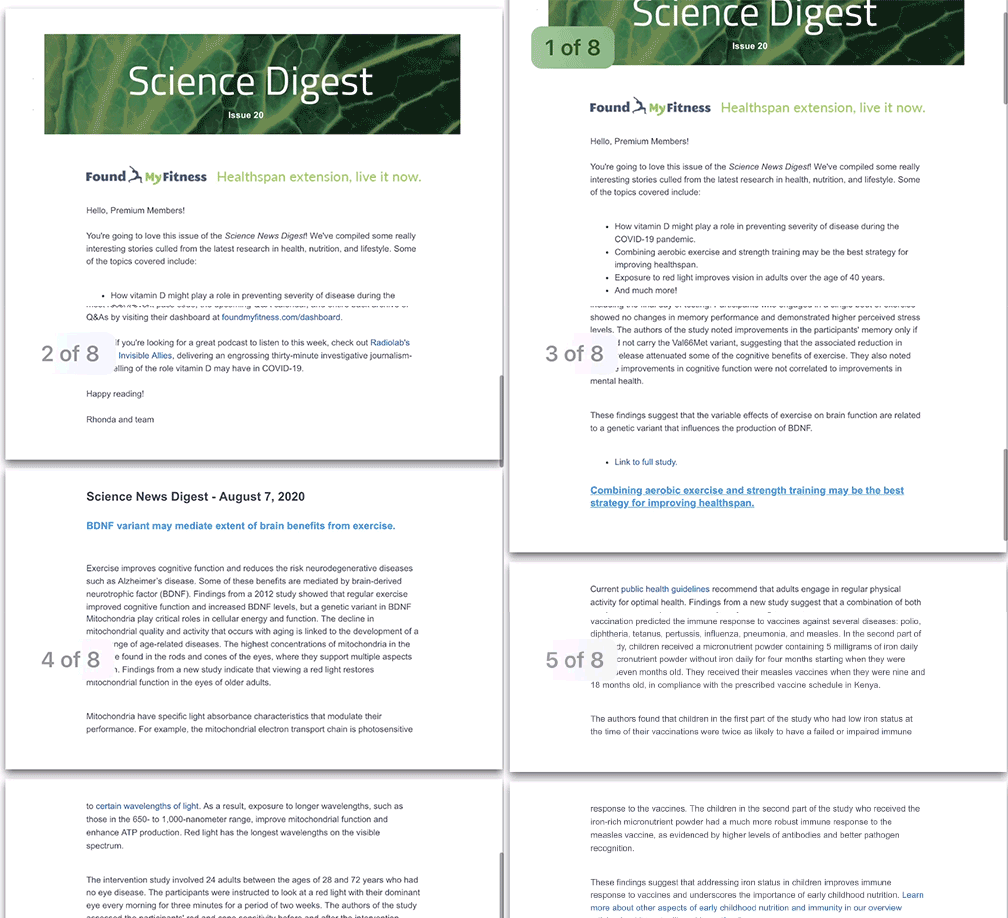
Every other week premium members receive a special edition newsletter that summarizes all of the latest healthspan research.
Recent Aliquot Episodes

Aliquot #152: How to Counteract a Sedentary Workday
Many of us spend eight or more hours a day sitting. For some people, that is not a choice. It is the...
Aliquot #151: The Fiber That May Help Clear Forever Chemicals
Beta-glucans are soluble fibers found in foods like oats and barley that are already known to lower LDL cholesterol by reducing bile-acid reabsorption...
Aliquot #150: Can Urolithin A Renew Aging Mitochondria?
Urolithin A is a compound produced by certain gut bacteria from polyphenols found in foods like pomegranates, berries, and ...
Aliquot #149: The Biology of a Better Mood
Many small habits can influence mood in ways we might not expect. Physical activity, sleep, light exposure, heat, and...
Aliquot #148: The Hype and Reality of Nicotinamide Riboside
Nicotinamide adenine dinucleotide, or NAD, is in every cell of your body and plays a central role in energy metabolism, mitochondrial...