BPA, Phthalates, and Testosterone: What Human Studies Show
The BDNF Protocol Guide
An essential checklist for cognitive longevity — filled with specific exercise, heat stress, and omega-3 protocols for boosting BDNF. Enter your email, and we'll deliver it straight to your inbox.
You'll also receive updates from Rhonda & FoundMyFitness
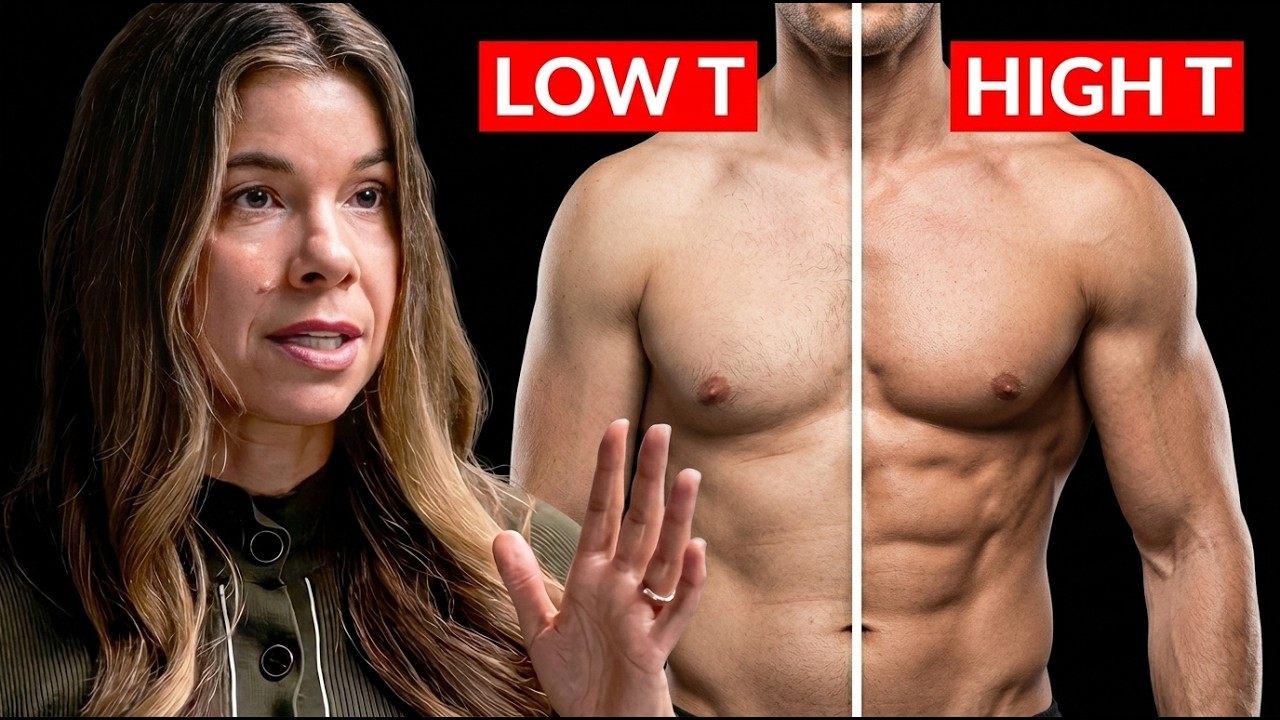
Testosterone changes across the day and in response to food intake. In this clip from Dr. Rhonda Patrick's appearance on Triggernometry, she discusses a study in which a 75-gram oral glucose challenge temporarily lowered measured testosterone in men. A later study found a similar short-term response after glucose and a mixed meal. This physiology helps explain why clinical evaluation uses symptoms plus two separate morning fasting testosterone measurements rather than a single reading. [1] [2] [3]
Dr. Patrick also examines BPA and phthalates, chemicals that can interact with endocrine pathways and occur in some plastics, packaging, medical products, and personal-care products. Human studies have associated BPA biomarkers with testosterone and sperm measures, although results differ across populations. Research on phthalates likewise finds chemical- and age-specific relationships with testosterone, making the exact compound, exposure measure, and life stage important when interpreting results. [4] [5] [6] [7]
Heat, wear, contact time, food composition, and the specific material can influence chemical migration from containers. Practical exposure reduction can include avoiding heat with unsuitable plastic, using glass or stainless steel for hot foods and drinks when convenient, replacing damaged containers, and choosing fragrance-free personal-care products when feasible. These habits reduce avoidable exposure opportunities, while persistent symptoms or reproductive concerns call for standard clinical testing and evaluation before considering hormone treatment.
This clip is excerpted, with permission, from Dr. Rhonda Patrick's appearance on Triggernometry. Thank you to Triggernometry for allowing us to share it.
- ^ Caronia LM; Dwyer AA; Hayden D; Amati F; Pitteloud N; Hayes FJ (2013). Abrupt decrease in serum testosterone levels after an oral glucose load in men: implications for screening for hypogonadism. Clin Endocrinol (Oxf) 78, 2.
- ^ Gagliano-Jucá T; Li Z; Pencina KM; Beleva YM; Carlson OD; Egan JM, et al. (2019). Oral glucose load and mixed meal feeding lowers testosterone levels in healthy eugonadal men. Endocrine 63, 1.
- ^ Bhasin S; Brito JP; Cunningham GR; Hayes FJ; Hodis HN; Matsumoto AM, et al. (2018). Testosterone Therapy in Men With Hypogonadism: An Endocrine Society Clinical Practice Guideline. J Clin Endocrinol Metab 103, 5.
- ^ Scinicariello, Franco; Buser, M. C. (2016). Serum Testosterone Concentrations And Urinary Bisphenol A, Benzophenone-3, Triclosan, And Paraben Levels In Male And Female Children And Adolescents: NHANES 2011–2012 Environmental Health Perspectives 124, 12.
- ^ Mustieles V; Ocón-Hernandez O; Mínguez-Alarcón L; Dávila-Arias C; Pérez-Lobato R; Calvente I, et al. (2018). Bisphenol A and reproductive hormones and cortisol in peripubertal boys: The INMA-Granada cohort. Sci Total Environ 618, .
- ^ Radke EG; Braun JM; Meeker JD; Cooper GS (2018). Phthalate exposure and male reproductive outcomes: A systematic review of the human epidemiological evidence. Environ Int 121, Pt 1.
- ^ Woodward MJ; Obsekov V; Jacobson MH; Kahn LG; Trasande L (2020). Phthalates and Sex Steroid Hormones Among Men From NHANES, 2013-2016. J Clin Endocrinol Metab 105, 4.
Triggernometry host: We are going to talk about microplastics, but we wanted to start with testosterone. We hear that testosterone in men is dropping with each generation. Is that true?
Dr. Rhonda Patrick: Some evidence suggests that testosterone levels are dropping. Sperm quality and sperm counts are also reported to be dropping. A widely discussed global analysis estimated that sperm counts fell by roughly half across several decades. These are related reproductive-health concerns, but sperm count and serum testosterone are not interchangeable measurements.
Many possible factors have changed over that period. Chemical exposures have increased, and food is more processed and packaged. One study gave men a 75-gram oral glucose load and measured a temporary decrease in testosterone of about 25 percent. That was an acute laboratory response. It does not show that one sugary meal causes chronic low testosterone.
Another concern is exposure to plastic-associated endocrine-disrupting chemicals, including bisphenol A, or BPA, bisphenol S, or BPS, and phthalates. These chemicals are different from microplastic particles, although they can be associated with plastic products.
Not all plastic bottles, cans, or paper cups contain BPA or BPS. Formulations vary. Heat, wear, contact time, acidity, fat, and the specific material can affect chemical migration. One study reported a large increase in BPA migration after boiling water was placed in tested polycarbonate bottles. That result should not be generalized to every container.
BPA can interact with estrogenic and other endocrine pathways. Experimental studies also report antiandrogenic and steroidogenesis effects. The hormonal feedback system is more complex than one chemical binding one receptor and directly shutting off testosterone production.
Some human studies link BPA biomarkers with altered testosterone or sperm measures, but results are inconsistent and mostly observational. One adolescent NHANES analysis found lower testosterone in some higher BPA exposure quartiles. A separate adolescent cohort found an association in the opposite direction. These studies do not establish that BPA caused a population-wide decline in testosterone.
Triggernometry host: If testosterone declines, could that affect energy, mood, libido, health, or society more broadly?
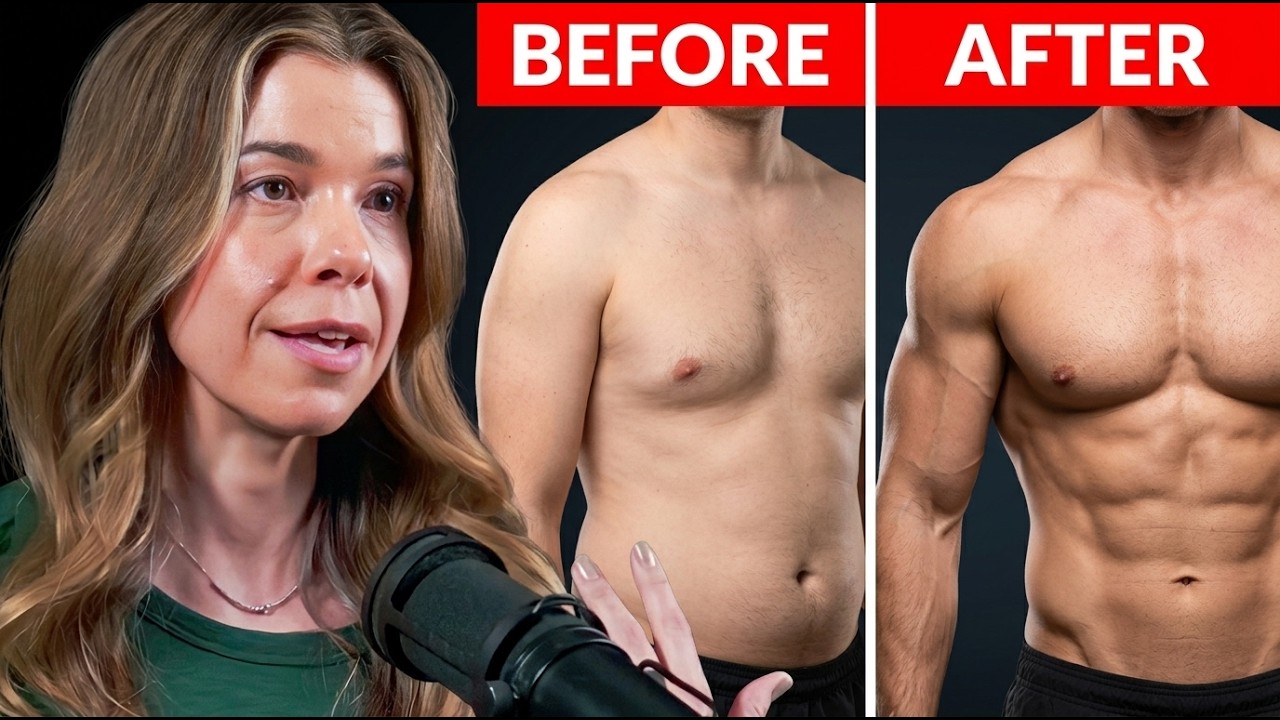
Dr. Rhonda Patrick: Clinically low testosterone can affect libido, sexual function, bone, muscle, energy, and sometimes mood. Cardiovascular associations are more complex because illness and obesity can also lower testosterone. Political or cultural effects are outside my expertise and would be speculative.
Phthalates are used in some flexible plastics, packaging, medical products, and personal-care products. Some fragrance mixtures can contain phthalates, but not every fragranced product does. Human studies associate certain phthalate metabolites with altered testosterone in some age groups. The findings vary by chemical and study and do not prove causation.
Prenatal phthalate exposure has also been studied in relation to male reproductive development. The strongest human evidence concerns shorter anogenital distance with some metabolites. Evidence for cryptorchidism and hypospadias is less consistent and should not be described as a universal or dramatic causal effect.
Practical exposure reduction is reasonable. Avoid heating food in unsuitable plastic. Use glass or stainless steel for hot foods and drinks when practical. Choose fragrance-free personal-care products when feasible. These steps have not been proven to preserve or raise testosterone.
Low testosterone should not be diagnosed from one symptom or one blood test. Clinical guidelines require compatible symptoms and two separate low morning fasting testosterone measurements, followed by evaluation of the cause. Testosterone and over-the-counter “boosters” should not be self-started, especially when fertility matters.
Attend Monthly Q&As with Rhonda
Support our work

The FoundMyFitness Q&A happens monthly for premium members. Attend live or listen in our exclusive member-only podcast The Aliquot.
Testosterone News
- Adiposity may account for much of the testosterone decline commonly attributed to aging.
- Testosterone therapy without clear evidence of symptomatic deficiency may be linked to higher long-term cardiovascular risk.
- Testosterone signaling slowed brain tumor growth in male mice and was linked to longer survival in older men.
- Creatine supplementation does not influence hair growth or hormone levels even after three months of usage, undermining theories of its potential link to hair loss.
- Men with low testosterone are five to six times more likely to develop dementia.