Caloric restriction vs higher protein for aging | Dr. Stuart Phillips
Get the full length version of this episode as a podcast.
This episode will make a great companion for a long drive.
The BDNF Protocol Guide
An essential checklist for cognitive longevity — filled with specific exercise, heat stress, and omega-3 protocols for boosting BDNF. Enter your email, and we'll deliver it straight to your inbox.
You'll also receive updates from Rhonda & FoundMyFitness
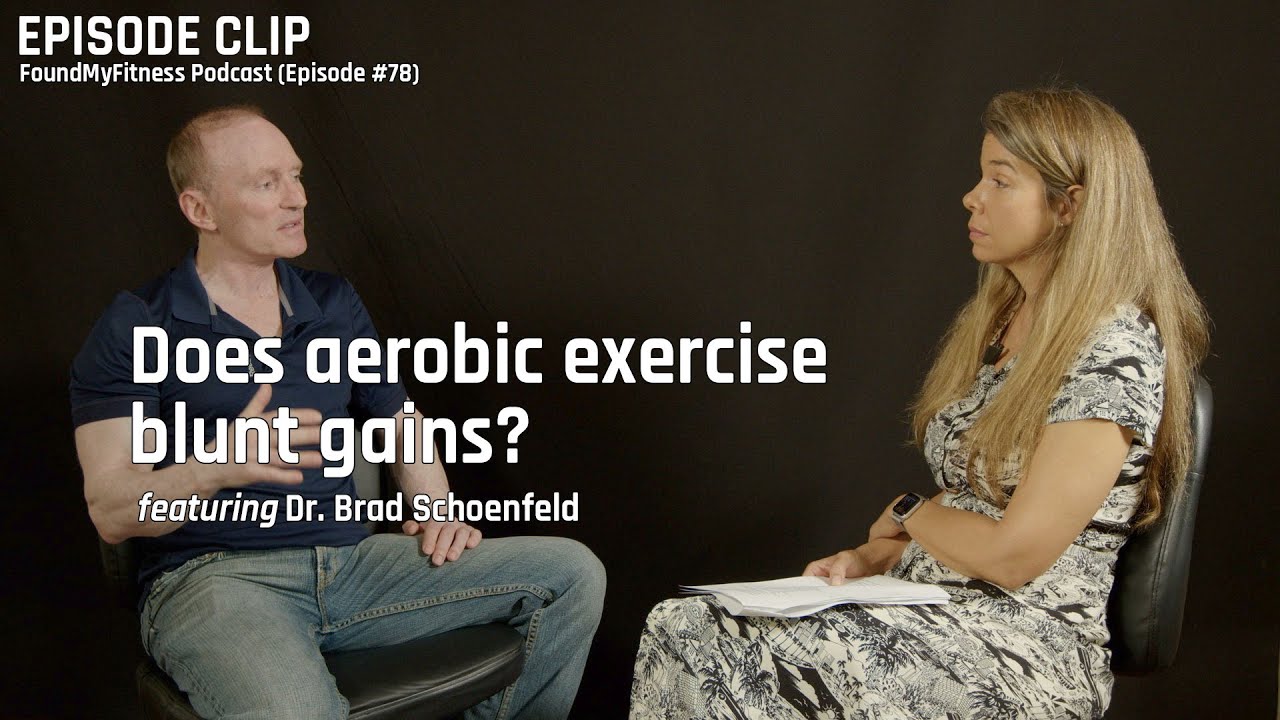
Some animal evidence suggests that low protein intake promotes longevity. However, Dr. Phillips proposes these models may be missing a major element. For example, lab animals are raised and live in a somewhat sterile environment where they are fed on schedule. Generally, they lack ordinary exposure to diseases and accidents that can promote sudden stretches of disuse and consequent atrophy of muscles.
Without adequate muscle reserve built when young and preserved when old, we more quickly reach a "disability threshold." In this clip, Dr. Stuart Phillips discusses how building muscle reserves under adequate nutrition delays the disability threshold and contributes to more successful aging.
This transcript is reserved for members.
FoundMyFitness Members get access to exclusive content not available anywhere else, including a transcript of this episode.
You wouldn't believe how cool being a premium member of the world's best cross-disciplinary science-focused website and podcast really is.
Attend Monthly Q&As with Rhonda
Support our work

The FoundMyFitness Q&A happens monthly for premium members. Attend live or listen in our exclusive member-only podcast The Aliquot.
Muscle News
- Different forms of vitamin D have distinct impacts on muscle mass and strength.
- Study shows that high protein does not affect kidney function across a wide variety of metrics.
- Higher muscular strength and cardiorespiratory fitness can help reduce the risk of premature death in cancer patients by up to 46%.
- The effect of acute sleep deprivation on skeletal muscle protein synthesis and the hormonal environment