How Short Bursts of Vigorous Exercise Support Brain Health
The BDNF Protocol Guide
An essential checklist for cognitive longevity — filled with specific exercise, heat stress, and omega-3 protocols for boosting BDNF. Enter your email, and we'll deliver it straight to your inbox.
You'll also receive updates from Rhonda & FoundMyFitness
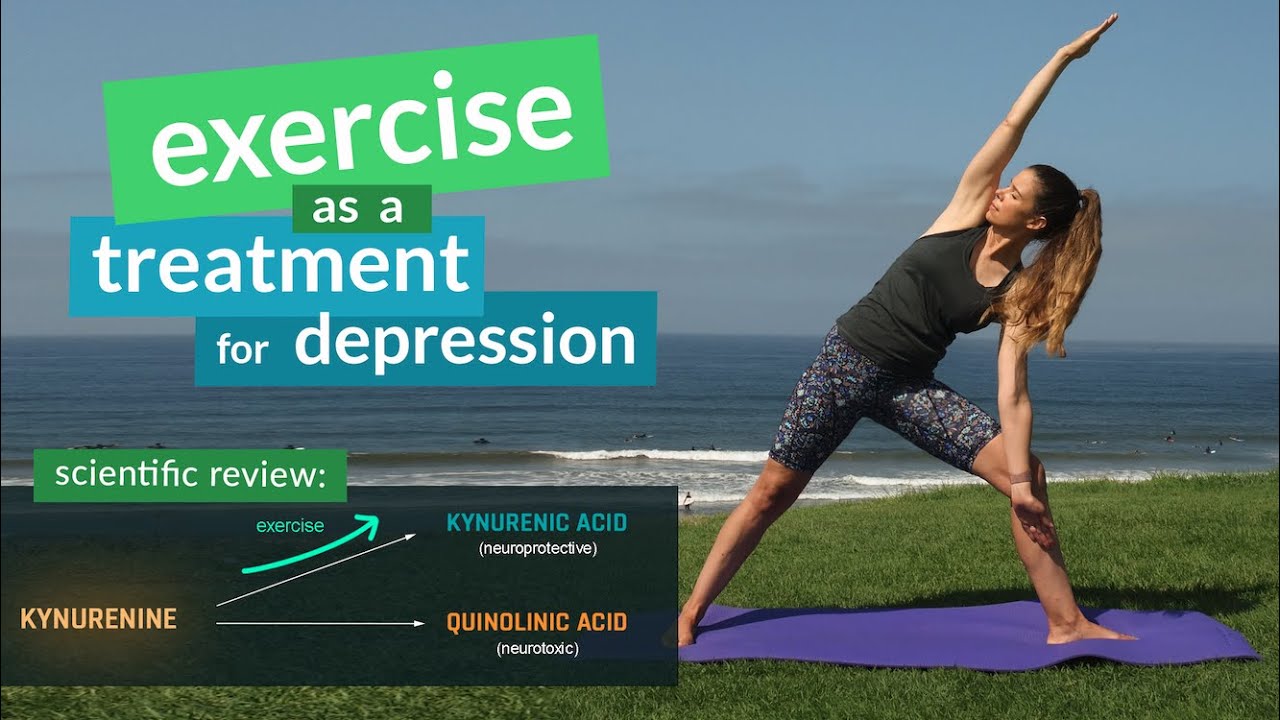
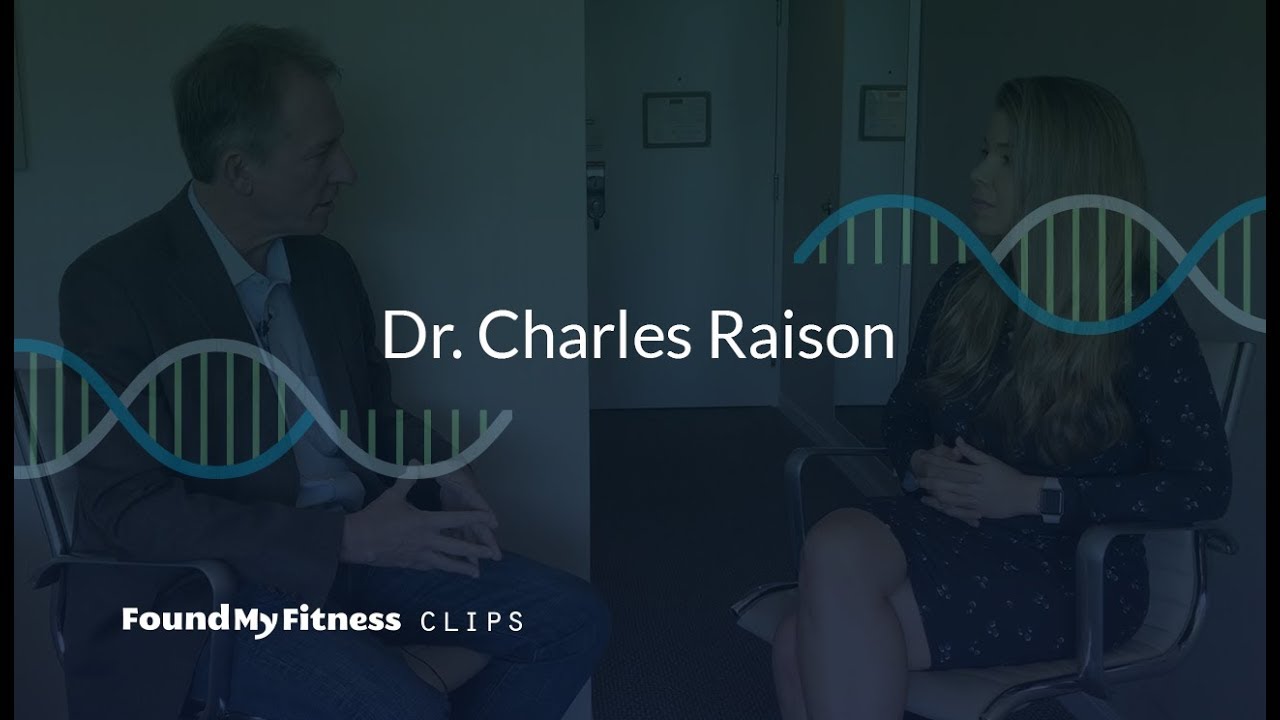
In this clip from Dr. Rhonda Patrick's appearance on Mayim Bialik's Breakdown, she explains why physical activity is an evidence-based option for reducing depressive symptoms. A large network meta-analysis of randomized trials found benefits from walking or jogging, strength training, yoga, and other exercise formats. Exercise can complement psychotherapy, medication, social support, and other forms of clinical care. [1]
Dr. Patrick also describes brain-derived neurotrophic factor, or BDNF, as one pathway that may connect exercise with brain health. In a crossover experiment with 12 healthy adults, six 40-second high-intensity cycling intervals increased circulating BDNF four to five times more than 90 minutes of light cycling. The BDNF response also tracked with the rise in circulating lactate. [2]
Brief vigorous activity can make higher-intensity exercise more practical. In an accelerometer study of 22,398 adults who reported no leisure-time exercise, several short daily bouts of vigorous intermittent lifestyle activity were associated with lower cancer incidence. Running, cycling, hills, and short intervals offer different ways to raise intensity while matching the effort to fitness and health needs. [3]
This clip is excerpted, with permission, from Dr. Rhonda Patrick's appearance on Mayim Bialik's Breakdown. Thank you to Mayim Bialik's Breakdown for allowing us to share it.
- ^ Noetel, Michael; Sanders, Taren; Gallardo-Gómez, Daniel; Taylor, Paul; Del Pozo Cruz, Borja; Van Den Hoek, Daniel, et al. (2024). Effect Of Exercise For Depression: Systematic Review And Network Meta-Analysis Of Randomised Controlled Trials Bmj , .
- ^ Gibbons TD; Cotter JD; Ainslie PN; Abraham WC; Mockett BG; Campbell HA, et al. (2023). Fasting for 20 h does not affect exercise-induced increases in circulating BDNF in humans. J Physiol 601, 11.
- ^ Ahmadi, Matthew N.; Atkin, Andrew; Blodgett, Joanna M.; Ekelund, Ulf; Friedenreich, Christine M.; Hamer, Mark, et al. (2023). Vigorous Intermittent Lifestyle Physical Activity And Cancer Incidence Among Nonexercising Adults JAMA Oncology 9, 9.
Dr. Rhonda Patrick: I think the bigger lever to pull here would be physical activity. And again, that's another thing you mentioned. Well, there's time, right? Well, who has time to go and do a, you know, two-hour run every day or whatever? I mean, I don't. So, there's there's other ways that you can actually be more efficient about the way you exercise. High-intensity interval training being one. And that is something that has been shown to increase brain-derived neurotrophic factor. Now, that is something that is very important with depression because um it plays a role in neuroplasticity, something I'm sure you know more about than I do. And and that really essentially is allowing our brain to adapt and change to a changing environment. And that's something that people with depression and when you're really stressed out like you your brain isn't doing that correctly. It's not plastic enough. It's not able to adapt to the changing environment. And so what happens when you can't adapt is you feel depressed, right? You feel anxious. I can't deal with this. There's so much going on. I It's like, you know, so so brain-derived neurotrophic factor is key for that very thing, that neuroplasticity. And you can actually increase that dramatically with a six-minute workout. Six minutes. Who has six minutes? We all do. Yes, we all do. Um, and so I think that's important to keep in mind.
Now, you have to have the motivation to do that, right? And that's a whole other factor. And some people are really I mean there are some people that are really clinically depressed, right? And that's a whole other sort of ball game here. But if we're just talking about like the the stress of life, which we all experience, I think that I mean before I came on this podcast, what did I do? I did a you know 20 minute high-intensity workout.
Oftentimes I'll do 10 minutes. Sometimes I'll do exercise snacks. You know these these are so these are these are very interesting because it's essentially two to three minutes of vigorous intensity exercise. So, you're getting your heart rate above, you know, 75% max heart rate. You can do burpees, you can do, you know, air squats, you can do high knees, whatever. You get up from your desk and you do it for a couple of minutes. You get your heart rate up high and they're actually hard. Try it. I I you know, like we could get up into a break now, but like essentially um what's been shown there's these large studies that have measured not the structured type that I'm talking about. There's unstructured type where you're using everyday life sit scenarios to to get your heart rate up, right? I don't take the elevator, I take the stairs. Not only do I take the stairs, I go briskly up the stairs, right? You kind of use I don't, you know, I'm walking to my office. I'm not taking the car because I live, you know, four blocks away. So, I'm going to walk there and I'm going to walk briskly like that type of scenario.
And there have been these large studies. They're called the vigorous intermittent lifestyle activity studies, VILPA for short. And um so people have worn these accelerometers on their wrist which essentially measure their heart rate. And scientists have been able to measure when their heart rates are spiking and how long that spike lasted. Um and these studies have found that just anywhere between like starting at two minutes doing two minutes of vigorous intensity exercise to three minutes and then doing that like two to you know anywhere between two to six times a day. The more you're doing it. So if you're doing that like six times a day, studies have found that you have like a 50% lower cardiovascular related mortality, a 50% lower cancer related mortality, and you're going to feel better. And these are in people that don't identify as exercisers.
Um, and those benefits were even if it was like three times a day. So they were doing 2 minutes three times a day. They had like a 30% reduction in cardiovascular related mortality. That's really significant, you know, and I think that everyone has time to get up and do something for two minutes three times a day. It's really not that hard.
Um, and it's it makes you feel good. Like I do exercise snacks when I'm sitting and working because I need like a pump to my brain. You're getting oxygen flow. You're you're you're bringing oxygen to your brain. Nutrients are being delivered to your brain. So, it's doing something that's beneficial for your mental health as well, you know.
And there have been studies that have actually compared classic, you know, standard SSRI treatments to to actually running. and running performs as good, if not even better in some studies than classical, you know, anti-depressant treatment. And and that's not to say that those don't work for people, but a lot of people they don't work for. A lot of people they don't work for. Um, particularly people that have a high inflammation. In fact, there was a study that was really interesting that found people that aren't responding to the SSRIs typically have high biomarkers of inflammation. So, C-reactive protein.
Mayim Bialik: Um, but back to the running. I mean, here you have something that's, you know, at our disposal. I mean, you don't need a gym membership to run. I mean, you just go outside and do it. It's free, right? Something that we can do. It's the only side effects are going to be reduce Alzheimer's disease risk, reduce cardiovascular disease risk. You're going to have a longer life. You're going to be you're going to be more functional, right? Everything's beneficial, right? I mean, and it's helping with depression as good as the the pill you'd be taking with all the other negative side effects. And some people who can't run for whatever reason, whether it's soreness, they can't go very far, like just getting your heart rate up in whatever capacity you can. It may be like a brisk walk to sort of that leads to a slow jog that leads to your running. It sounds like consistency and just getting your heart rate up is the key.
Dr. Rhonda Patrick: Getting your heart rate up is the key. Um there's stationary cycling as well. There's there's a lot of ways to do that, right? And you have to find the way that you like that you enjoy. I mean, I think that's the most important. You know, I would say briskly walking is you'd have to do a lot of it. Um, so you're trading volume for intensity, right? But I mean, if that's what you love to do and you don't mind doing more of it, then perhaps that's something that you should be doing. Um, but you know, there then there's the other, you know, flip flip of the coin and it's like, okay, let's do something intense and short. And that's what I like. I like to be efficient and I like to the the harder you work, it's actually more beneficial for your brain. the BDNF, like you have to make something called lactate, and that only happens when you're really working hard. Your muscles are working hard. You have to get up past that like 75% max heart rate range. And and that's when you start to get the lactate. And it's the lactate that's a signaling to your brain, I'm stressed. This is a stressful situation I'm in. And so, it's like an adaptation. Your brain starts to make brain-derived neurotrophic factor. Because when you're working out, it's not just your muscles that are working hard, your heart that's working hard, your lungs, your brain is also working hard when you're exercising. So it's this, you know, this the lactate that you're generating from the exercise is like this signaling molecule to the rest of your body. I like to think about it that way because I'm like I'm making my lactate up, right? That's that's that's that's one way I like to think about
[Source clip ends mid-sentence.]
Hear new content from Rhonda on The Aliquot, our member's only podcast
Listen in on our regularly curated interview segments called "Aliquots" released every week on our premium podcast The Aliquot. Aliquots come in two flavors: features and mashups.
- Hours of deep dive on topics like fasting, sauna, child development surfaced from our enormous collection of members-only Q&A episodes.
- Important conversational highlights from our interviews with extra commentary and value. Short but salient.
Depression News
- Keeping everyday activities on a regular schedule was linked to less pain and fewer depressive symptoms in older adults.
- Heated yoga may improve symptoms in adults with moderate-to-severe depression.
- Psilocybin-assisted therapy may reduce chronic suicidal thoughts in treatment-resistant depression.
- Gut bacteria may help creatine reach the brain and support its antidepressant effects.
- Morning bright light therapy improved mood and markers linked to the brain's waste-clearance system in young adults with early depressive symptoms.