How Everyday Drink Containers Add Microplastic Exposure
The Omega-3 Supplementation Guide
A blueprint for choosing the right fish oil supplement — filled with specific recommendations, guidelines for interpreting testing data, and dosage protocols.
You'll also receive updates from Rhonda & FoundMyFitness
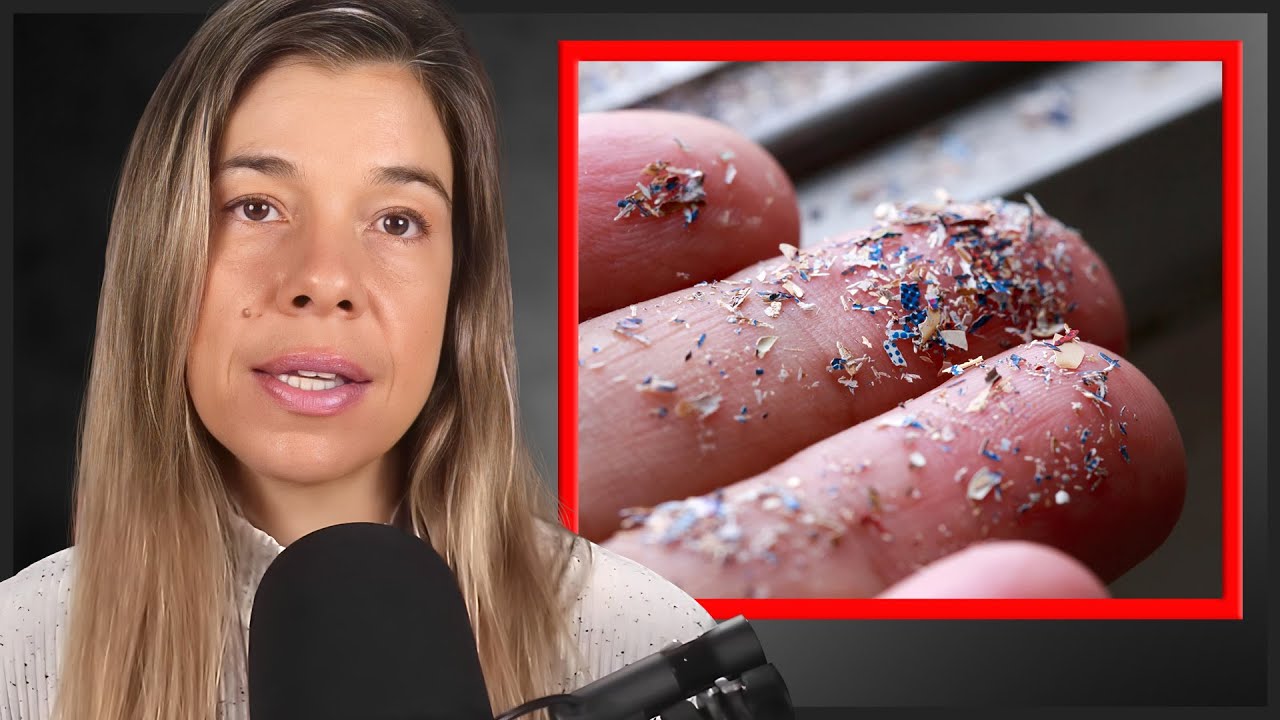
In this clip from Dr. Rhonda Patrick's appearance on The Diary of a CEO, she explains that some paper beverage cups contain polymer linings that can shed particles when they contact hot liquids. One laboratory study found that disposable paper cups exposed to 85 to 90°C water released about 25,000 micron-sized particles into 100 milliliters within 15 minutes, along with many smaller particles. [1]
Tea bags can provide another source of exposure. Researchers found that steeping a single plastic tea bag at brewing temperature released billions of microplastic and nanoplastic particles under laboratory conditions. Choosing loose-leaf tea with a reusable metal infuser removes that specific contact source. [2]
Plastic-associated chemicals can also migrate from food packaging. In a randomized crossover study, consuming canned soup for five days produced a large, temporary increase in urinary bisphenol A compared with freshly prepared soup. This supports reducing repeated contact with heated plastic linings and choosing glass, stainless steel, or unpackaged alternatives when practical. [3]
This clip is excerpted, with permission, from Dr. Rhonda Patrick's appearance on The Diary of a CEO. Thank you to The Diary of a CEO for allowing us to share it.
- ^ Ranjan VP; Joseph A; Goel S (2021). Microplastics and other harmful substances released from disposable paper cups into hot water. J Hazard Mater 404, Pt B.
- ^ Hernandez LM; Xu EG; Larsson HCE; Tahara R; Maisuria VB; Tufenkji N (2019). Plastic Teabags Release Billions of Microparticles and Nanoparticles into Tea. Environ Sci Technol 53, 21.
- ^ Carwile, Jenny L. (2011). Canned Soup Consumption And Urinary Bisphenol A: A Randomized Crossover Trial Jama 306, 20.
Steven Bartlett: Would you like some tea? My team can make you some.
Dr. Rhonda Patrick: I would love some loose-leaf tea in a metal cup.
Steven Bartlett: Why do you not want this tea?
Dr. Rhonda Patrick: You are tapping into one of my concerns. My friends sometimes do not want to talk to me because I am the bearer of bad news. They wonder what I will tell them to stop doing next.
One of my recent concerns is microplastic exposure. You have discussed it on this podcast, and it is now in the news. Many people understand that microplastics are tiny particles produced as plastics break down and that some can enter our circulation. They may think only of a plastic water bottle and decide to avoid it, but plastic appears in many other products.
Consider this paper to-go coffee cup. I have had hundreds of coffees and teas from cups like it. I later learned that many paper cups have a plastic lining that prevents the liquid from soaking into the paper. Adding boiling water or hot coffee accelerates the lining's breakdown, potentially exposing you to microplastics and plastic-associated chemicals.
A frequently cited study found that heating plastic increased the migration of chemicals such as bisphenol A, or BPA, by 55-fold. BPA is an endocrine disruptor that can mimic estrogen.
Steven Bartlett: Fifty-five times.
Dr. Rhonda Patrick: Fifty-five-fold, yes.
Steven Bartlett: Which is 5,500%.
Dr. Rhonda Patrick: That is a substantial increase. I now bring a mug when I travel and ask people to put my coffee in it. It is difficult to see people drinking from paper to-go cups once you understand that the hot drink is contacting a plastic lining.
Tea bags add another potential source. Studies published over the last seven or eight years have shown that various tea bags contain plastic polymers and can release microplastics into the tea. I used to drink a lot of tea while traveling. Now I bring loose-leaf tea and a small metal infuser, especially because heat accelerates material breakdown.
I will sometimes drink water from a plastic bottle while traveling when there is no other option. A recent French study produced a surprising result: beverages in glass bottles contained more microplastic particles than those in plastic containers.
Steven Bartlett: Oh, come on.
Dr. Rhonda Patrick: You did not see the study?
Steven Bartlett: No.
Dr. Rhonda Patrick: It was widely reported and had appeared within the previous two weeks. The researchers found more microplastics in beverages from glass bottles than in comparable beverages from plastic bottles. That seems counterintuitive until you examine the cap. The paint on top of the metal cap contains plastic polymers, and paint fragments can flake into the beverage.
There may be a favorable detail. The particles found in the glass-bottled beverages were larger than those in the plastic-bottled beverages. Particle size matters.
Steven Bartlett: The size of the plastic?
Dr. Rhonda Patrick: The size of the microplastic particle. As plastic particles become smaller, they are classified as nanoplastics. Smaller particles can be absorbed more readily through the gut, enter the circulation, cross the blood-brain barrier, and reach the brain. The larger paint fragments from bottle caps may be less likely to be absorbed through the gut. That possibility still needs to be tested.
Steven Bartlett: I have heard you discuss fiber as something that may help remove microplastics from the body.
Dr. Rhonda Patrick: The fiber evidence is interesting, but it comes from animal studies. Fiber appears to affect whether microplastics and nanoplastics are absorbed by gut cells. Particles that are not absorbed can be excreted in feces. The studies suggest that only about 1% to 2% of ingested microplastics are absorbed.
Fiber may help in two ways. First, it moves material through the intestines more quickly. Second, fermentable soluble fiber creates a viscous, gel-like material in the gut. That material may encapsulate microplastics and reduce their absorption by intestinal epithelial cells. Preventing particles from entering the circulation is important.
This mechanism has only been shown in animals. I spoke with Harvard microplastics researcher Dr. Kari Nadeau, who was not previously aware of the finding and became interested in it. I hope researchers will test whether fiber reduces microplastic absorption in humans. People who eat more fiber may absorb fewer particles, but that has not yet been demonstrated in human studies.
Steven Bartlett: I am guessing you do not eat canned soup either.
Dr. Rhonda Patrick: Canned soup raises a related issue. Aluminum cans have a plastic lining that prevents the metal from breaking down, but chemicals such as BPA can migrate from that lining into soup or other liquids. One study reported approximately a 1,000% increase in urinary bisphenol A after people consumed soup from a can rather than freshly prepared soup.
Steven Bartlett: Bisphenol A being?
Dr. Rhonda Patrick: BPA.
Steven Bartlett: Which is one of the harmful things associated with plastic.
Dr. Rhonda Patrick: It is one of the concerning chemicals used in plastics. BPA is an endocrine disruptor, so it can interfere with hormones. That is important for neurodevelopment in children and for exposure during pregnancy. Hormone disruption and estrogenic effects can also matter in adults.
Manufacturers began replacing BPA with bisphenol S, or BPS, and marketing products as BPA-free. People can interpret that label as meaning the product is safe. Studies now indicate that BPS can produce similar endocrine-disrupting effects and may be no safer than BPA. A BPA-free label does not necessarily mean that the replacement chemical is harmless.
Supporting our work
If you enjoy the fruits of
 , you can participate in helping us to keep improving it. Creating a premium subscription does just that! Plus, we throw in occasional member perks and, more importantly, churn out the best possible content without concerning ourselves with the wishes of any dark overlords.
Environment News
- Lifestyle and environmental exposures—termed the 'exposome'—may substantially outpace genetic factors in driving premature death and age-related disease.
- High exposure to plastics, such as those in disposable takeout containers, is associated with a 13% greater risk of heart disease, potentially through changes to gut bacteria and increased inflammation.
- Researchers have been able to convert plastic waste including water bottles, milk bottles, and plastic bags, into fuel.
- Nearly all major brands of bottled water were found to be contaminated with microplastics including polypropylene, nylon & more.