How Four Common Supplements Fit an Evidence-Based Plan
The Omega-3 Supplementation Guide
A blueprint for choosing the right fish oil supplement — filled with specific recommendations, guidelines for interpreting testing data, and dosage protocols.
You'll also receive updates from Rhonda & FoundMyFitness
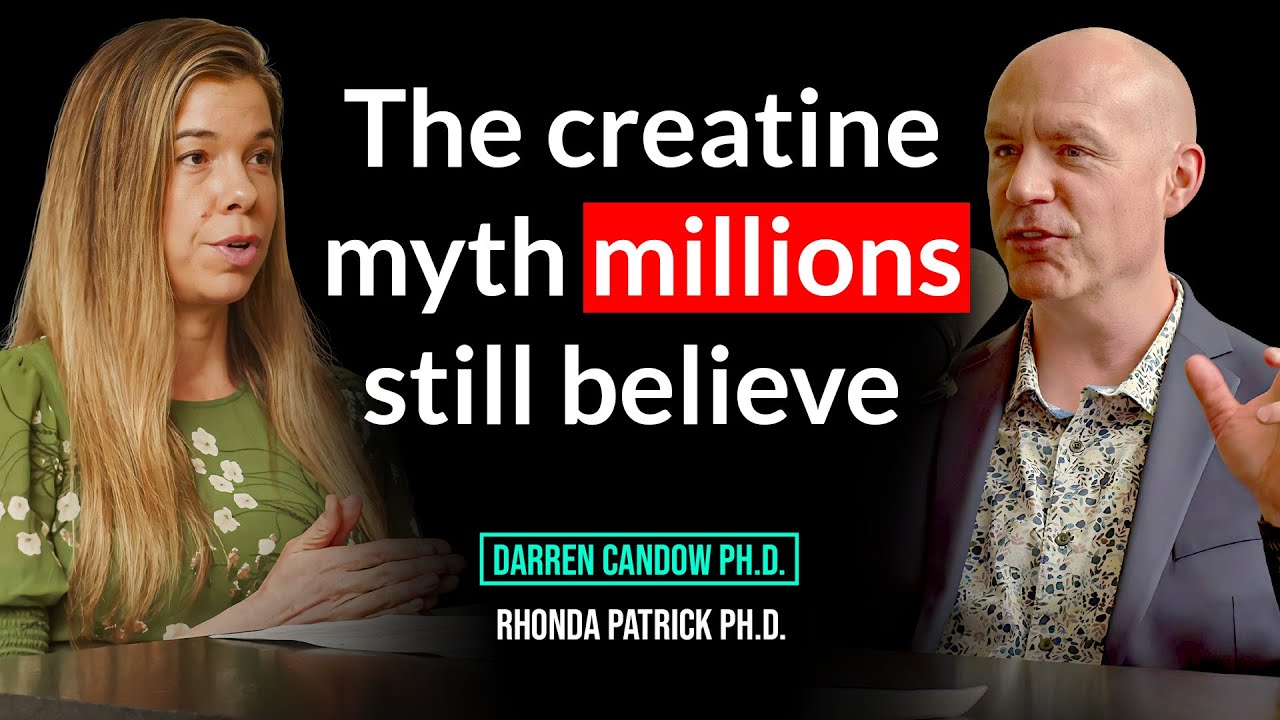
Multivitamins, vitamin D3, EPA and DHA omega-3s, and magnesium address different nutritional needs. In this clip from Dr. Rhonda Patrick's conversation with Derek from More Plates More Dates, she explains why diet, age, laboratory results, and health context should guide their use. For example, iron needs can differ with menstrual status, diet, blood loss, and iron-overload risk, while a standard multivitamin typically contains much less magnesium than a dedicated supplement.
Three COSMOS cognitive substudies found small improvements in global cognition and episodic memory among older adults who received a standard multivitamin. Vitamin D supplementation can help correct low vitamin D status, which is influenced by sun exposure, skin pigmentation, season, latitude, and other factors. An observational cohort also associated recorded vitamin D supplement exposure with lower dementia incidence, providing a reason for further study of vitamin D status and brain health. [1] [2]
EPA and DHA from fish or microalgae raise long-term omega-3 status, although the response varies with baseline status, body size, dose, formulation, diet, and adherence. In selected high-risk, statin-treated patients with elevated triglycerides, prescription icosapent ethyl reduced cardiovascular events. Magnesium supports hundreds of enzyme reactions involved in functions such as energy metabolism and DNA repair, and foods including leafy greens, legumes, nuts, seeds, and whole grains can help close common intake gaps. [3] [4]
This clip is excerpted, with permission, from a conversation between Dr. Rhonda Patrick and Derek from More Plates More Dates. Thank you to More Plates More Dates for allowing us to share it.
- ^ Vyas, Chirag M; Manson, JoAnn E; Sesso, Howard D; Cook, Nancy R; Rist, Pamela M; Weinberg, Alison, et al. (2024). Effect Of Multivitamin-Mineral Supplementation Versus Placebo On Cognitive Function: Results From The Clinic Subcohort Of The COcoa Supplement And Multivitamin Outcomes Study (COSMOS) Randomized Clinical Trial And Meta-Analysis Of 3 Cognitive Studies Within COSMOS The American Journal Of Clinical Nutrition , .
- ^ Chen, Hung-Yu; Creese, Byron; Ghahremani, Maryam; Goodarzi, Zahra; Ismail, Zahinoor; Smith, Eric E. (2023). Vitamin D Supplementation And Incident Dementia: Effects Of Sex, APOE, And Baseline Cognitive Status Alzheimer's & Dementia: Diagnosis, Assessment & Disease Monitoring 15, 1.
- ^ Bhatt DL; Steg PG; Miller M; Brinton EA; Jacobson TA; Ketchum SB, et al. (2019). Cardiovascular Risk Reduction with Icosapent Ethyl for Hypertriglyceridemia. N Engl J Med 380, 1.
- ^ Bagheri, Amir; Naghshi, Sina; Larijani, Bagher; Esmaillzadeh, Ahmad; Sadeghi, Omid (2021). Total, Dietary, And Supplemental Magnesium Intakes And Risk Of All-Cause, Cardiovascular, And Cancer Mortality: A Systematic Review And Dose–Response Meta-Analysis Of Prospective Cohort Studies Advances In Nutrition 12, 4.
Derek: That is a good segue into supplements. It can get overwhelming because people hear about something new every week that may improve lifespan or replace something that declines with age. What are the highest-impact, evidence-based supplements that most people should consider, rather than take blindly?
Dr. Rhonda Patrick: A few supplements have support from multiple studies or randomized controlled trials.
One is a standard multivitamin. It can fill micronutrient gaps by providing vitamins, trace elements, and minerals that a person may not get consistently from diet. Most multivitamins do not contain enough magnesium to cover a large shortfall.
Derek: Are there ingredients that would make you exclude a multivitamin, such as iron?
Dr. Rhonda Patrick: Iron is an important consideration. People who menstruate, especially those who exercise or eat a vegan diet, may have a higher risk of inadequate iron intake. Many men already get enough iron, and some people have genetic variants that increase the risk of iron overload, including hereditary hemochromatosis. Iron needs should be based on the person and appropriate testing.
Derek: What about vitamin E?
Dr. Rhonda Patrick: The amount of vitamin E in a standard multivitamin is usually near the recommended daily amount. The concern is more relevant to high-dose alpha-tocopherol supplements. A normal multivitamin dose is different from taking hundreds of international units as a separate supplement.
We now have three large randomized COSMOS studies of a standard multivitamin, Centrum Silver, in older adults. They found small benefits in selected measures of global cognition and episodic memory. Those results are often translated into years of cognitive aging, but that is a statistical comparison, not literal reversal of brain age.
The second supplement is vitamin D3. Many factors affect vitamin D production, including sun exposure, skin pigmentation, season, latitude, and sunscreen use. Supplementation can help correct low vitamin D status, but the dose and target level should depend on the person's baseline level and health context.
Vitamin D functions as a steroid hormone and affects gene regulation, cognition, and immune function. Observational studies have associated vitamin D supplement use with lower dementia risk, but that does not prove that supplementation prevents dementia.
The third supplement is omega-3. The relevant long-chain omega-3 fatty acids are EPA and DHA from fish or microalgae, rather than ALA alone from plant oils.
The Omega-3 Index measures EPA and DHA in red blood-cell membranes and reflects longer-term status. Observational studies associate a higher index with lower mortality and longer life expectancy, but they do not prove that raising an individual's index adds a fixed number of years.
Some dose-response research suggests that roughly 1.5 to 2 grams per day of EPA and DHA can move many people from a low Omega-3 Index toward a higher range. The response varies by baseline status, body size, formulation, diet, and adherence.
The REDUCE-IT trial found fewer cardiovascular events with prescription icosapent ethyl in selected high-risk, statin-treated patients with elevated triglycerides. That result does not apply to every over-the-counter fish-oil product or every healthy adult.
Derek: That is surprising.
Dr. Rhonda Patrick: Omega-3 status is important, but the form, dose, and person's cardiovascular risk matter.
The fourth supplement is magnesium. Many people in the United States do not meet the estimated intake requirement. Magnesium is a cofactor for hundreds of enzymes, including enzymes involved in energy metabolism and DNA repair.
Observational studies associate lower magnesium intake with higher cancer incidence and mortality. One reported association linked each 100-milligram lower intake with higher pancreatic-cancer incidence. These studies do not prove that a magnesium supplement prevents cancer.
Magnesium is available in foods such as dark leafy greens, legumes, nuts, seeds, and whole grains. Supplement use should account for total intake, kidney function, medicine interactions, and gastrointestinal tolerance.
Get email updates with the latest curated healthspan research
Support our work
Every other week premium members receive a special edition newsletter that summarizes all of the latest healthspan research.
Supplements News
- Supplementation with essential phospholipids lowered liver-fat markers in fatty liver disease.
- Silicon supplementation shows promise for improving hair strength and thickness.
- Large-scale screening of common dietary supplements identified early signals associated with slower biological aging.
- Olive leaf extract modified muscle mitochondrial responses to both moderate and sprint exercise.
- Collagen supplementation improves skin elasticity and osteoarthritis symptoms, but not short-term exercise recovery.