What Alpha-Lipoic Acid May Do for Metabolic Health
The BDNF Protocol Guide
An essential checklist for cognitive longevity — filled with specific exercise, heat stress, and omega-3 protocols for boosting BDNF. Enter your email, and we'll deliver it straight to your inbox.
You'll also receive updates from Rhonda & FoundMyFitness
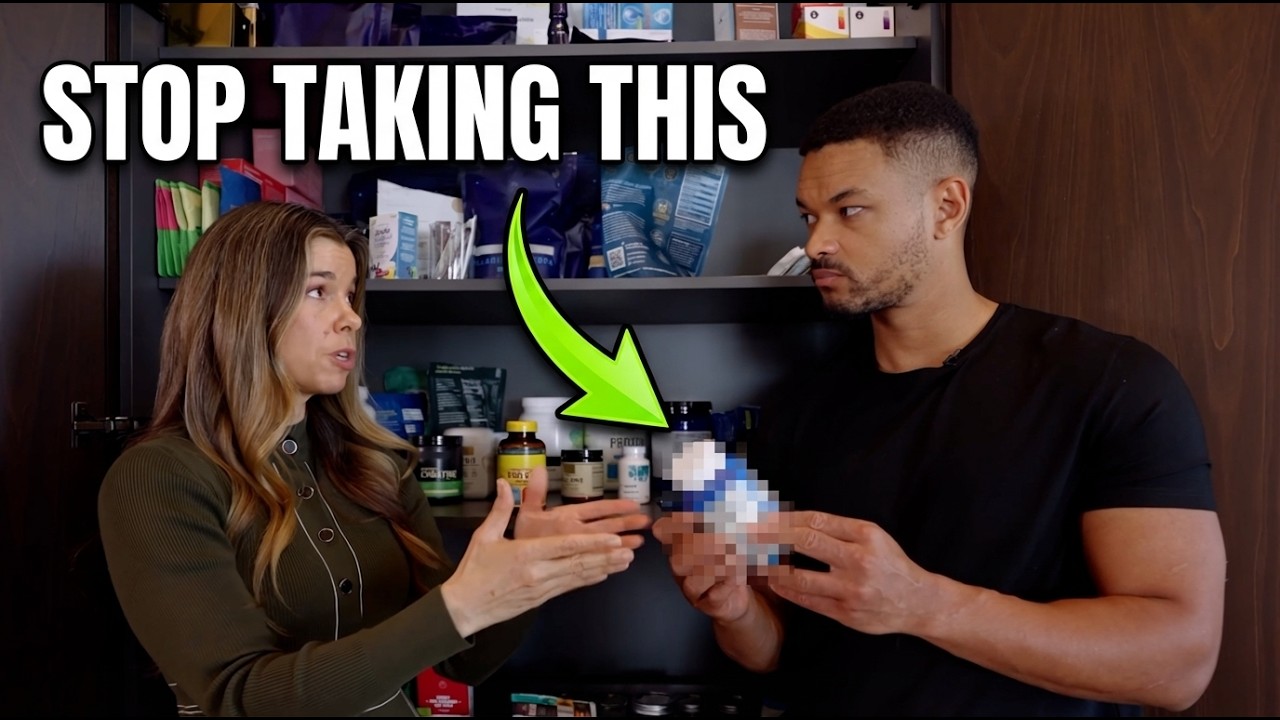
In this member Q&A clip, Dr. Rhonda Patrick explains that alpha-lipoic acid is an endogenous mitochondrial cofactor that also participates in redox reactions. Supplemental doses are much higher than food exposure, and experimental work suggests that alpha-lipoic acid and its reduced form can help regenerate other antioxidants.
Small human trials provide the clearest support for selected metabolic and neuropathy outcomes. A four-week pilot study in people with type 2 diabetes reported improved insulin-stimulated glucose disposal after oral alpha-lipoic acid, while a three-week randomized trial found that intravenous 600 milligrams per day reduced diabetic neuropathy symptoms. [1] [2]
Dr. Patrick also explores possible effects on skin and brain aging. Much of this evidence comes from cells or animals, including research on oxidative damage in the aged rat brain, so these areas are best viewed as mechanistic leads rather than established oral-supplement benefits in people. [3]
- ^ Jacob S; Ruus P; Hermann R; Tritschler HJ; Maerker E; Renn W, et al. (1999). Oral administration of RAC-alpha-lipoic acid modulates insulin sensitivity in patients with type-2 diabetes mellitus: a placebo-controlled pilot trial. Free Radic Biol Med 27, 3-4.
- ^ Ziegler D; Hanefeld M; Ruhnau KJ; Meissner HP; Lobisch M; Schütte K, et al. (1995). Treatment of symptomatic diabetic peripheral neuropathy with the anti-oxidant alpha-lipoic acid. A 3-week multicentre randomized controlled trial (ALADIN Study). Diabetologia 38, 12.
- ^ Arivazhagan P; Thilakavathy T; Ramanathan K; Kumaran S; Panneerselvam C (2002). Effect of DL-alpha-lipoic acid on the status of lipid peroxidation and protein oxidation in various brain regions of aged rats. J Nutr Biochem 13, 10.
And the first question was that I'm covering in this Crowdcast was submitted by Libby, and Libby was asking whether I could provide any information or research on alpha-lipoic acid, its effectiveness, how it can control blood sugar, the R versus S, and reliable brands. So this is a question I haven't really covered, so I kind of just want to, you know, cover a few of the background basics just to start with. You can find alpha-lipoic acid in foods. So it's found in animal tissues like kidney, animal organ tissues, so that the kidney, heart, and liver are pretty high in alpha-lipoic acid. You can also find it in some vegetables like spinach and broccoli. Then there's the supplemental form. So you can find alpha-lipoic acid in typical supplements.
It's literally like 1,000 times greater than what you would find in food. And the recommended doses usually are anywhere between 200 to 600 milligrams a day, you know, depending on what the outcome is and what the research has shown on that outcome. There is an oxidized form of alpha-lipoic acid and a reduced form. They kind of cycle between the two, much like vitamin C. There's been a lot of interest in its free radical scavenging capabilities. So it can basically help prevent DNA damage, damage to proteins and lipids in our body. It neutralizes reactive oxygen species. It's also been shown to protect cells from UV-induced damage. And the alpha-lipoic acid recycles between its oxidized and reduced form.
It also regenerates vitamin C and vitamin E. So vitamin C and vitamin E also become oxidized, and they go through, for example, vitamin C goes through like 4 cycles. Well, alpha-lipoic acid can help regenerate some of that vitamin C. So it kind of prolongs the half-life of it. Interestingly, alpha-lipoic acid also has some interesting metal chelation properties. So it can chelate some free metal ions. So iron, zinc, and copper, for example. So when you have those free metals floating around in cells, they can induce oxidative damage. So what alpha-lipoic acid does is it binds to and chelates these free metals, preventing them from inducing oxidative damage inside of cells. It also has been shown to reduce advanced glycation end products.
So these are damaging products that happen when you have a combination of fructose plus either protein or, you know, fructose with protein or lipids and DNA. And so the advanced glycation end products can bind to the lipids and DNA and protein, or cross-link them and it can damage them. You can find a higher proportion— people consume, actually consume advanced glycation end products from really deep-fried foods, from barbecued and grilled foods, hamburgers, hot dogs, for example, really, really fried foods like French fries, crackers, chips, you know, processed foods, like those are really high in advanced glycation end products. So alpha-lipoic acid has been shown to decrease or reduce the formation of advanced glycation end products. It also has been shown to play a role in brain aging.
So it increases the production of anti-inflammatory genes and genes that can respond to oxidative stress as well. It's been shown, interestingly, there's been some animal studies showing that alpha-lipoic acid can mimic some aspects of caloric restriction in the brain specifically. So again, it's like inducing a lot of the same genetic pathways in brain regions like the cerebellum that caloric restriction induces. So that's also pretty interesting. Now, where the blood sugar stuff comes in, there's been a variety of studies showing that alpha-lipoic acid can improve insulin sensitivity and it can lower blood sugar levels. It's also been shown to play a role in diabetic neuropathy. So, you know, this is a big, big problem with people that have type 2 diabetes, for example.
600 milligrams of alpha-lipoic acid per day for three weeks was able to reduce symptoms of diabetic neuropathy, and it's also been shown to play a role in aging skin, which also has piqued my interest. So it you know collagen is one respect that it's been shown to play a role. So alpha-lipoic acid can increase the production of type one collagen in the skin. It also increases the expression of an enzyme, a gene that produces an enzyme called. Prolyl hydroxylase that's necessary to produce collagen. Also has been shown topically to play a role in lowering the production of melanin in the skin. So it's been helped to show treat— what's it called— the hyperpigmentation in your skin. So that's another interesting aspect of alpha-lipoic acid.
I think that the combination of the R&S brand's Pure Encapsulations makes a good one. I will go through my supplement list today because that was another question, but I'm sort of interested in experimenting with it. I did place an order for my mother to have it, so it might be something that I'll be adding to my list. So if you guys want to check back again with my supplement list again soon, then, you know, I may be trying that as well. I see some people asking in the chat about Athletic Greens. I have covered that in a previous Crowdcast. Personally, I'm not, you know, I think that there's a lot of the blue-green algae in there, you know, that are in some of these supplement powders, including the Athletic Greens. I'm just not a big fan of.
There's heavy metals that are piggybacking in those, but there's also the microcystin. And so I just, I don't really, I don't see a benefit of taking those powders above and beyond taking your multivitamin supplement and then getting a good diet and having some vegetables and stuff as well.
Attend Monthly Q&As with Rhonda
Support our work

The FoundMyFitness Q&A happens monthly for premium members. Attend live or listen in our exclusive member-only podcast The Aliquot.
Supplements News
- Supplementation with phospholipids lowered liver-fat markers in metabolic fatty liver disease.
- Silicon supplementation shows promise for improving hair strength and thickness.
- Large-scale screening of common dietary supplements identified early signals associated with slower biological aging.
- Olive leaf extract modified muscle mitochondrial responses to both moderate and sprint exercise.
- Collagen supplementation improves skin elasticity and osteoarthritis symptoms, but not short-term exercise recovery.