Smoothie #2: Prebiotics, Phytochemicals, "Anti-Nutrients" & Hydrolyzed Collagen
The BDNF Protocol Guide
An essential checklist for cognitive longevity — filled with specific exercise, heat stress, and omega-3 protocols for boosting BDNF. Enter your email, and we'll deliver it straight to your inbox.
This video is a sequel to Rhonda’s popular "micronutrient smoothie" recipe.
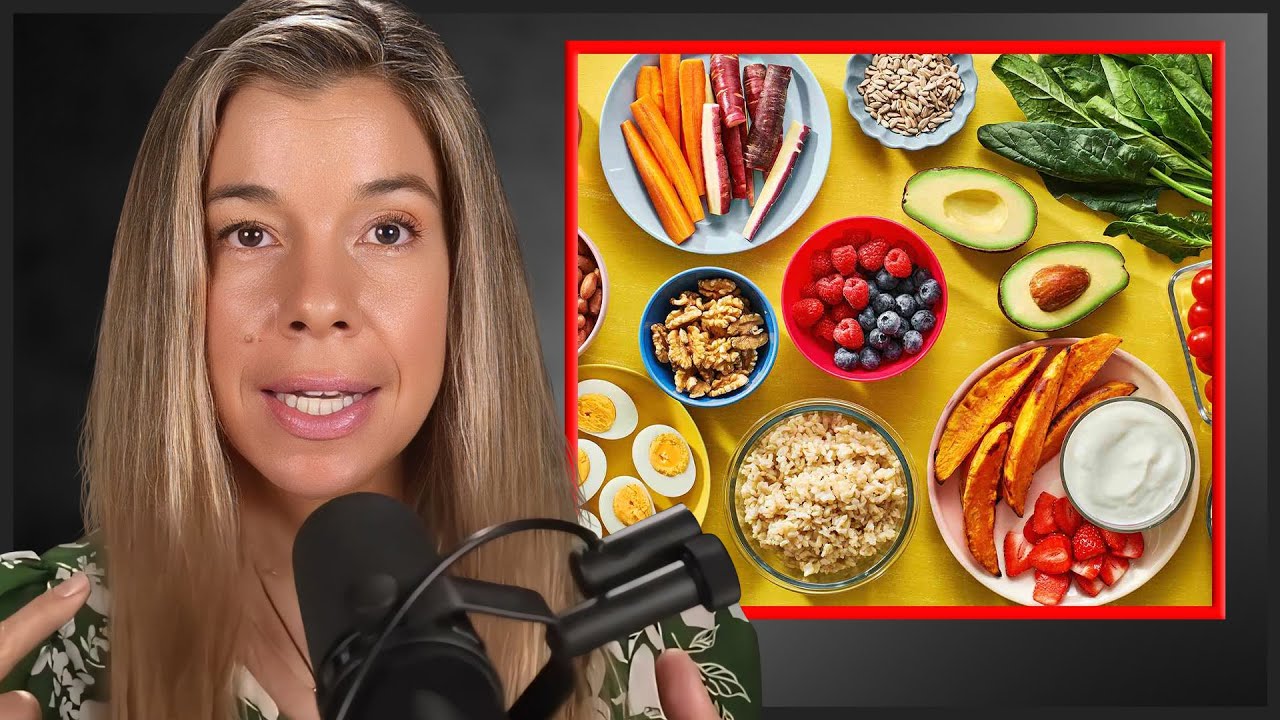
While Dr. Rhonda Patrick’s first video focused primarily on the micronutrients found in the various fruits and vegetables she put in her smoothie, this one, in addition to offering some modest changes on the recipe, instead focuses on the beneficial “hormetic” compounds that are NOT micronutrients.
Some of these compounds include: polyphenols, flavanols, and phytonutrients. She also talks about fermentable fiber and other prebiotics that feed beneficial bacteria in the gut that are present in the vegetables and fruits. Additionally, she explains why she sometimes adds a little hydrolyzed collagen powder to her smoothie and sheds some light on the topic of so-called “anti-nutrients.”
Hear new content from Rhonda on The Aliquot, our member's only podcast
Listen in on our regularly curated interview segments called "Aliquots" released every week on our premium podcast The Aliquot. Aliquots come in two flavors: features and mashups.
- Hours of deep dive on topics like fasting, sauna, child development surfaced from our enormous collection of members-only Q&A episodes.
- Important conversational highlights from our interviews with extra commentary and value. Short but salient.
Diet News
- Lifestyle changes, but not metformin, were linked to a lower burden of chronic disease over time in adults with prediabetes.
- Low-carb and low-fat diets show similar heart health patterns.
- Following dietary guidelines may not provide flavanol intake levels linked to cardiovascular benefits.
- Regular egg intake may be linked to lower Alzheimer's disease risk.
- A two-day oatmeal diet may have sustained effects on LDL cholesterol in adults with metabolic syndrome.