Quercetin
Quercetin featured article
Background
Quercetin is a bioactive compound that exerts antioxidant and anti-inflammatory properties. Research indicates that quercetin may alleviate chronic health conditions such as hypertension, neurodegenerative disease, arthritis, and lung and kidney diseases and may be beneficial in combating aging-related diseases. Although much of the quercetin research has been performed in animals, some clinical trials have been conducted, and others are ongoing.
A naturally occurring member of the flavonoid class of plant polyphenol compounds, quercetin is found in a wide variety of fruits and vegetables, especially red and yellow onions, capers, apples, blueberries, and peppers. Quercetin is the most abundant flavonoid in the human diet, but the quantity of quercetin in fruits and vegetables varies according to growing practices. Also known as 3,3',4',5,7-pentahydroxyflavone, quercetin is widely available as a...
Episodes

Dr. Rhonda Patrick answers audience questions on various health, nutrition, and science topics in this Q&A session.
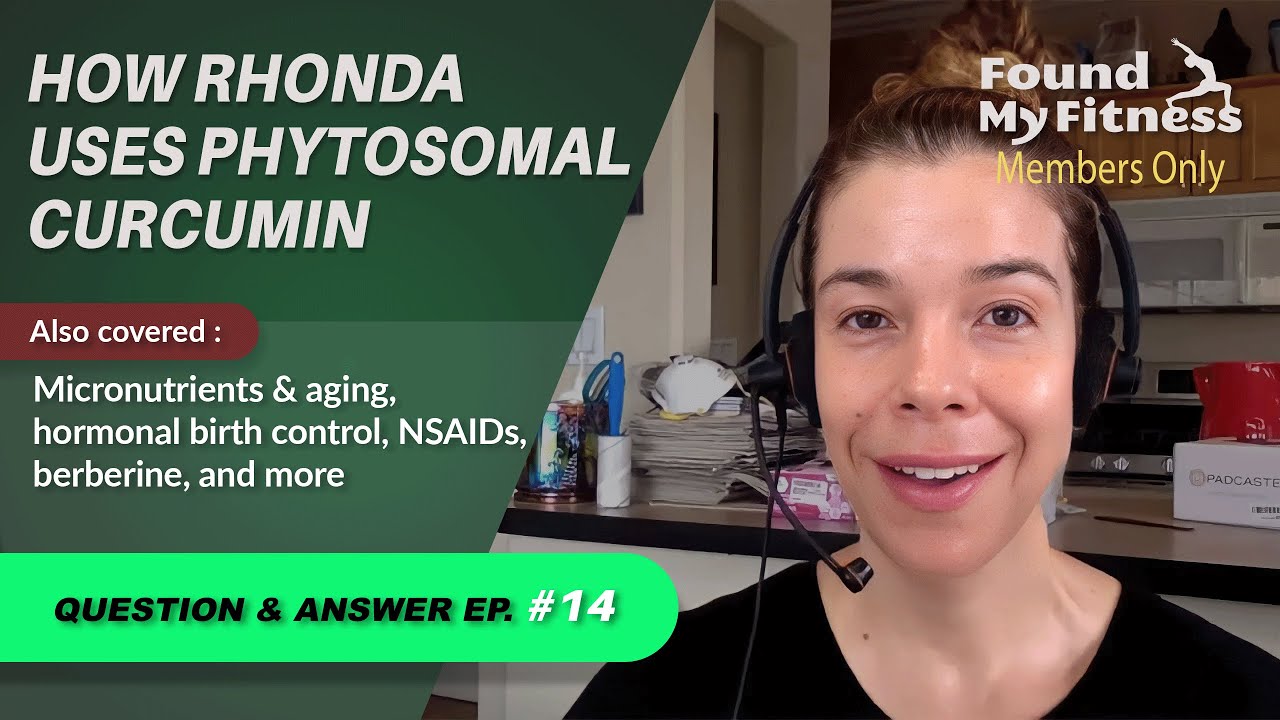
Dr. Rhonda Patrick answers audience questions on various health, nutrition, and science topics in this Q&A session.
-
Dr. Rhonda Patrick answers audience questions on various health, nutrition, and science topics in this Q&A session.
-
Dr. Rhonda Patrick answers audience questions on various health, nutrition, and science topics in this Q&A session.
Topic Pages
News & Publications
-
A flavonoid compound found in onions and citrus fruits improves sperm quality, a recent study in pigs has found. The compound, called taxifolin, also improved the animals' gut microbial makeup.
Researchers fed a group of pigs their regular food supplemented with taxifolin. They fed another group their regular food only. After the animals had been on their respective diets for about two months, the researchers assessed several aspects of the pigs' sperm quality and quantified the types and numbers of the bacteria in the pigs' guts.
They found that the animals that ate the taxifolin-supplemented food exhibited improvements in their sperm motility – an indicator of sperm health – as well as increased sperm production. The type and number of beneficial bacteria in the animals' guts increased, whereas harmful bacteria decreased. Gut bacteria play important roles in overall health.
Taxifolin is a naturally occurring compound found in a variety of edible plants](https://www.spandidos-publications.com/10.3892/mmr.2017.8271). Also known as dihydroquercetin, taxifolin is chemically related to quercetin](https://www.foundmyfitness.com/topics/quercetin). Evidence suggests that taxifolin exerts antioxidant, anti-inflammatory, and anticancer properties.
This study’s findings suggest that taxifolin, a flavonoid compound found in commonly consumed foods, may improve reproductive health. Learn more about flavonoids and other polyphenols in our overview article.