Berberine
Berberine featured article
Background
Berberine is an alkaloid compound present in the roots, stems, rhizomes, and bark of a variety of plants, including Californian poppy, goldenseal, cork tree, Chinese goldthread, Oregon grape, and several plants in the Berberis genus. It is also widely available as a dietary supplement. Berberine has a long history of use in the ancient and traditional medicine systems of India, China, and Persia. Research demonstrates that berberine may exert pharmacological effects against certain chronic health conditions such as cardiovascular disease, gastrointestinal disorders, neurodegenerative disease, depression, and metabolic dysfunction. Some of berberine's effects mirror those associated with metformin, an antihyperglycemic agent commonly used to treat type 2 diabetes. Preliminary research in animals also suggests that berberine may exert anti-aging...
Episodes
Dr. Rhonda Patrick compares soluble fiber, omega-3, garlic, berberine, red yeast rice, and niacin for cholesterol and triglycerides.
Dr. Ben Bikman and Dr. Rhonda Patrick discuss how berberine, vinegar, and ketones influence glucose regulation and metabolic signaling.
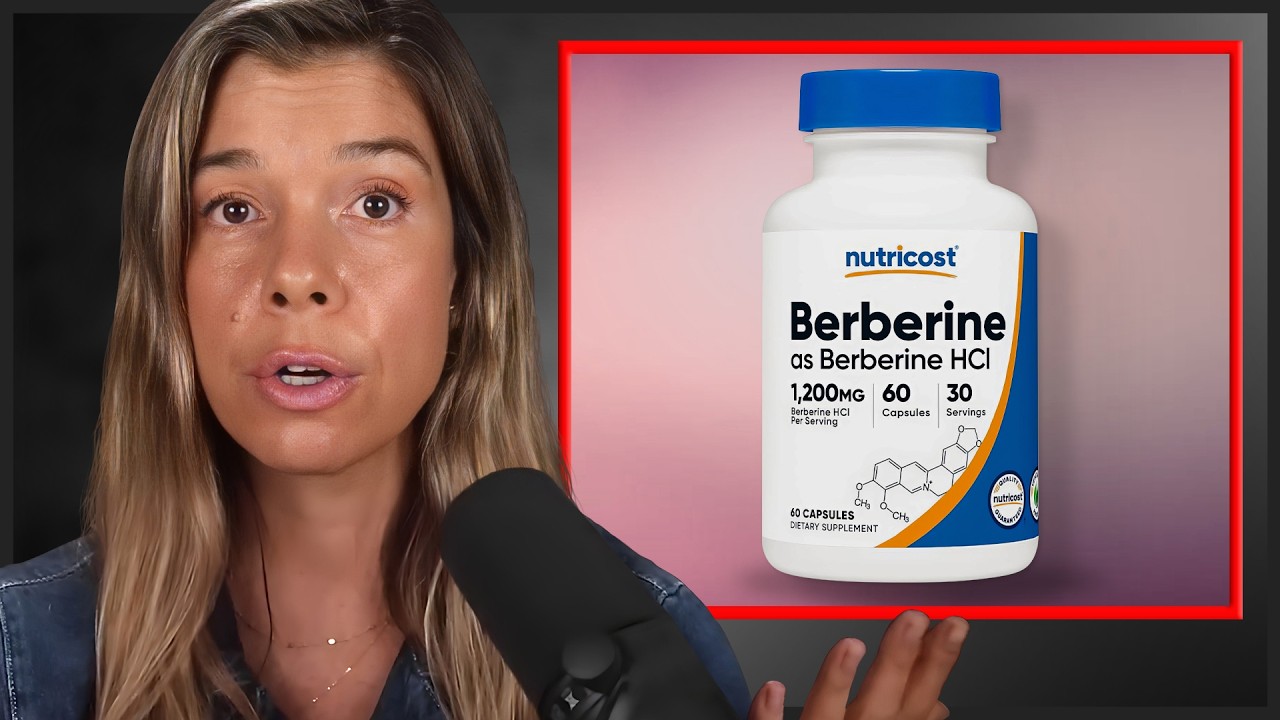
Dr. Rhonda Patrick reviews berberine research on inflammation, blood lipids, atherosclerosis markers, and medication interactions.
-
Dr. Rhonda Patrick compares soluble fiber, omega-3, garlic, berberine, red yeast rice, and niacin for cholesterol and triglycerides.
-
Dr. Ben Bikman and Dr. Rhonda Patrick discuss how berberine, vinegar, and ketones influence glucose regulation and metabolic signaling.
-
Dr. Rhonda Patrick reviews berberine research on inflammation, blood lipids, atherosclerosis markers, and medication interactions.
-
Dr. Rhonda Patrick explains alpha-lipoic acid as a mitochondrial cofactor and reviews its effects on lipids, glucose, and oxidative stress.
-
Dr. Rhonda Patrick ranks exercise, weight loss, glycemic load, meal timing, sleep, and selected supplements for glucose control.
-
Rhonda Hormones Diabetes Cholesterol Omega-3 Dementia Curcumin Protein Blood Sugar Berberine Acetaminophen Microplastics Pollution PfasDr. Rhonda Patrick discusses xylitol safety, strategies to reduce hemoglobin A1C, klotho and dementia risk, and the timing of hormone replacement therapy.
-
Rhonda Curcumin Resveratrol Sulforaphane Sauna Berberine Polyphenol Carotenoids Moringa Supplements SteviaDr. Rhonda Patrick explores iodine supplementation, choline & TMAO, curcumin safety, and red yeast rice in her latest Q&A.
-
Dr. Rhonda Patrick explores melatonin's antioxidant properties, curcumin supplementation, antinutrients, and SARMs in her latest Q&A.
-
Rhonda Sleep Omega-3 Magnesium MRSA Estrogen Calcium Sauna Saturated Fat Arthritis Berberine Supplements Cocoa L-TheanineDr. Rhonda Patrick explores cheese's health impact, ergothioneine's longevity properties, sleep and joint supplements, and red light therapy in her latest Q&A.
-
Dr. Rhonda Patrick explores supplemental tyrosine, lion's mane, cordyceps, aging tests, and sunscreen's efficacy and safety in a Q&A.
-
Rhonda Aging Vitamin C Omega-3 Stem Cells Skin Sauna Protein Berberine Supplements Red Light TherapyDr. Rhonda Patrick explores growth hormone secretagogues, spermidine's longevity role, methylene blue, whey protein, and solutions for scar tissue in a Q&A.
-
Berberine is a plant-derived compound that may be beneficial for treating a wide range of chronic health conditions associated with obesity, such as hyperten...
-
Q&A #48: Are Sunflower Oil and Soy Foods Harmful?—Plus Restoring Gut Health After Antibiotics PremiumDr. Rhonda Patrick answers audience questions on various health, nutrition, and science topics in this Q&A session.
-
Dr. Rhonda Patrick answers audience questions on various health, nutrition, and science topics in this Q&A session.
-
Dr. Rhonda Patrick answers audience questions on various health, nutrition, and science topics in this Q&A session.
-
Dr. Rhonda Patrick answers audience questions on various health, nutrition, and science topics in this Q&A session.
Topic Pages
News & Publications
-
People who have had colon polyps removed remain at risk of new growths, and preventive drugs either cause side effects or lack long-term evidence. Researchers in China revisited a randomized controlled trial of the compound berberine to test whether a two-year course could provide durable protection.
The original CBAR trial, which tested whether berberine could prevent the return of adenomas (a non-cancerous growth that can develop into cancer) in the colon or rectum, enrolled adults who had undergone endoscopic removal of these lesions and randomly assigned them to berberine tablets (0.3 grams twice daily) or a matching placebo for two years. In the new follow-up analysis, 648 of the 895 people who completed the trial later had at least one surveillance colonoscopy over a median of six years.
Here's what the researchers observed:
- Participants who had taken berberine experienced a 42% lower risk of adenoma recurrence over the follow-up period. By the end of follow-up, about 35% of them had a recurrence compared with about 52% in the placebo group.
- When all types of abnormal growths (adenomas, serrated lesions, inflammatory polyps, and cancer) were considered together, berberine was linked to a 25% lower risk over time, and by the end of follow-up, about 63% of the berberine group had at least one such growth compared with 71% in the placebo group. However, this finding was less certain in additional analyses.
- This pattern is consistent with the observation that more serious adenomas and colorectal cancer remained rare in both groups and did not differ substantially. The clearest benefit appeared in small, lower-grade adenomas, which were about 44% less likely to develop over the follow-up period in those who had taken berberine.
These clinical patterns mirror experimental work in which berberine modifies gut microbial communities and the tumor microenvironment, dampening bacteria and pathways that favor tumor formation and improving metabolic disturbances. Although the study did not collect microbiome or mechanistic measurements, durable shifts in gut bacteria after a finite berberine course could underlie the sustained protection, while evidence for preventing advanced lesions or cancer remains limited.
Future studies could test different dosing schedules, include more diverse populations and directly track microbiome, metabolic, and genetic markers to clarify how berberine works and who benefits most. If replicated, a low-cost berberine regimen combined with quality colonoscopy surveillance could become a practical strategy to reduce long-term colorectal cancer risk. You can learn more about berberine in our detailed topic article.