#110 How To Build Lasting Happiness | Dr. Arthur Brooks
This episode is available in a convenient podcast format.
These episodes make great companion listening for a long drive.
The BDNF Protocol Guide
An essential checklist for cognitive longevity — filled with specific exercise, heat stress, and omega-3 protocols for boosting BDNF. Enter your email, and we'll deliver it straight to your inbox.
You'll also receive updates from Rhonda & FoundMyFitness
Can science help us lead happier, more fulfilling lives?
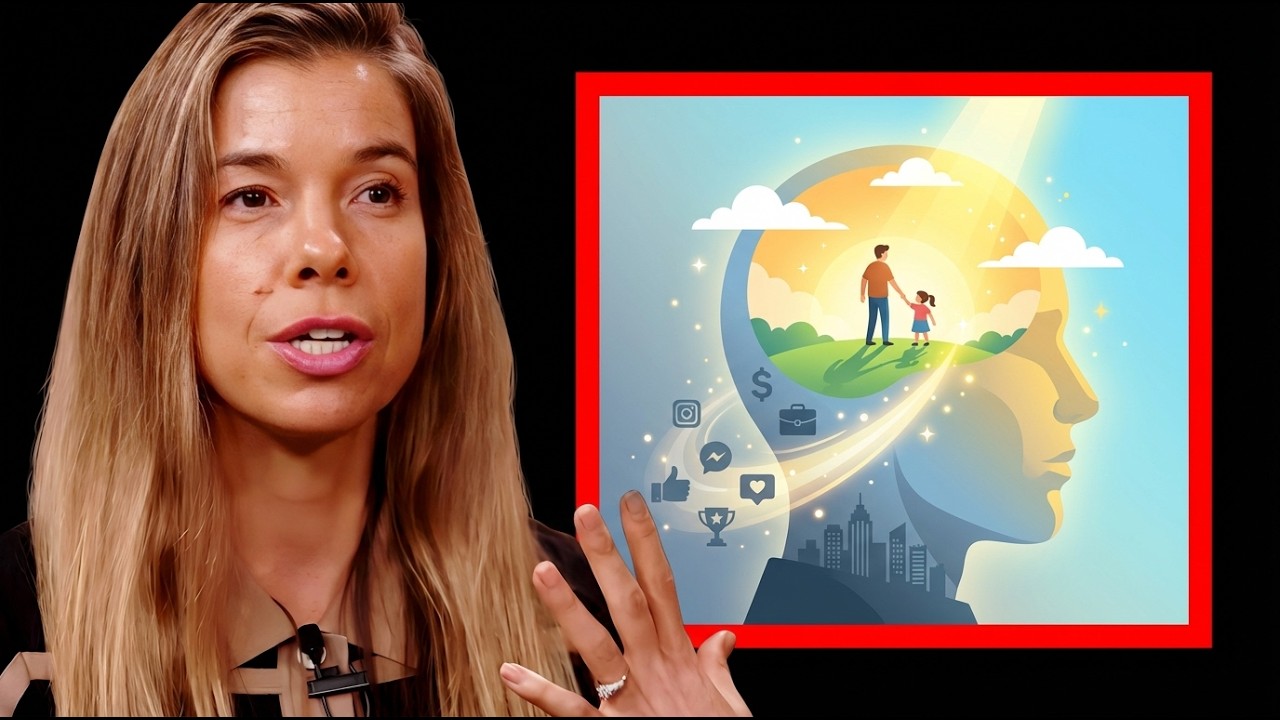
In this episode, Rhonda sits down with Dr. Arthur Brooks—Harvard professor, social scientist, and bestselling author—for a deep conversation about the science of happiness, the role of struggle and suffering in a meaningful life, and the habits that make love, purpose, and emotional well-being more durable. Brooks argues that happiness is not simply a feeling, but a composite built from identifiable components that can be studied and strengthened.
Rhonda and Arthur explore the "macronutrients" of happiness, the hidden traps of ambition, the role of gratitude and service, the emotional costs of modern technology, and the practical habits that can help people build richer, more meaningful lives. Rhonda also reflects throughout on how Brooks's work has already influenced the way she thinks about marriage, family life, work, and the finite nature of time.
Other topics include:
-
The role of struggle in achieving satisfaction
-
Why happiness requires unhappiness
-
The four idols that won't make you happy
-
Arthur Brooks' daily five-step happiness protocol
-
The three questions that reveal the meaning of life
-
How to turn involuntary suffering into meaningful growth
-
Can a person learn to be happy?
-
Seven habits scientifically linked to lifelong happiness
The Macronutrients of Happiness (Enjoyment, Satisfaction, Meaning)
"Feelings of happiness are evidence of the actual phenomenon."- Arthur Brooks, Ph.D. Click To Tweet
Brooks challenges the way most people define happiness. What we usually call happiness, he says, is often just the feeling associated with it—the "evidence of happiness," not happiness itself.
He compares this to smelling Thanksgiving dinner before you eat it: the smell tells you something good is there, but it is not the meal. The real "meal," in his framework, consists of three macronutrients: Enjoyment, Satisfaction, and Meaning.
To get happier, people need all three, and not just in small doses. They need them in both balance and abundance, just like most people need all three food macronutrients (protein, carbohydrates, and fat).
Enjoyment
"If you add people and memory, you manage your pleasures instead of them managing you."- Arthur Brooks, Ph.D. Click To Tweet
Enjoyment is distinct from pleasure.
Pleasure is immediate, automatic, and largely limbic. Enjoyment is more refined. It becomes possible when pleasure is elevated by memory, connection, and conscious awareness.
Brooks frames enjoyment as a prefrontal phenomenon and pleasure as a limbic one. Pleasure happens to you. Enjoyment is something you participate in and metabolize more fully. That is why the same experience can either deepen happiness or drift toward addiction depending on how it is lived.


The Triune Brain model
To explain this distinction, Brooks uses the triune brain model (proposed in the 1960s by Paul MaClean): the reptilian brain, the limbic system, and the prefrontal cortex. According to the model:
- The reptilian brain gathers raw environmental data
- The limbic system translates that information into emotion
- The prefrontal cortex acts as the "C-suite," interpreting those feelings and deciding how to respond.
That leads to one of his most important claims: there is no such thing as a bad feeling. There are positive and negative emotions, but all of them are signals. Fear, anger, disgust, and sadness are not evidence that something has gone wrong in the human experience. They are part of the architecture of being alive.
This is why Brooks rejects the idea that people cannot be happy if they experience unhappiness. In fact, one cannot live a genuinely happy life without sadness, anxiety, frustration, and discomfort. Modern culture has swung from "if it feels good, do it" to "if it feels bad, make it stop," and both attitudes misunderstand flourishing.
He also notes that things with addictive potential are generally better done with others than alone. Food, alcohol, digital stimulation, gambling, and other pleasure levers tend to stay at the level of raw pleasure when consumed in isolation. When combined with people and memory, they are more likely to become enjoyment.
Satisfaction
"If you want to have satisfaction in your life, do hard things and struggle and learn how to struggle."- Arthur Brooks, Ph.D. Click To Tweet
Brooks defines satisfaction as achieving something through struggle.
Unlike pleasure, satisfaction is earned. It is effortful, delayed, and deeply human. Humans are unusual in actually wanting struggle when it leads somewhere worthwhile. That is why difficult training, hard work, and disciplined effort can feel so rewarding.
The point is to do hard things and learn how to struggle. That is where satisfaction lives. Human beings derive part of their happiness from learning how to defer, how to strive, and how to appreciate reward more fully because it was not instantly available.
Meaning
"What you need is an explanation for the universe, goals and direction, and love."- Arthur Brooks, Ph.D. Click To Tweet
Meaning is the biggest of Brooks's three macronutrients. He breaks it down into answers to three questions:
1) Why do things happen the way they do?
That is coherence.
2) Why am I doing what I am doing?
That is purpose.
3) Why does my life matter, and to whom?
That is significance.
Meaning, in this framework, is not vague spirituality. It is the felt presence of coherence, purpose, and importance in one's life. Meaning is where many people, especially younger adults, are suffering most. The crisis is not just unhappiness. It is emptiness, the sense that life feels thin, simulated, or directionless.
-
The three macronutrients of happiness
-
Why chasing pleasure alone won't make you happy
-
The role of struggle in achieving satisfaction
-
Why happiness requires unhappiness
-
The Pleistocene brain—why pleasure is meant to be shared
-
Does avoiding boredom rob you of meaning?
-
Why satisfaction doesn't last—the striver's curse
-
The four idols that won't make you happy
-
How to uncover what's secretly driving you
-
Why you need a reverse bucket list
-
Can you train gratitude like a muscle?
-
How can we teach gratitude to children?
-
Are you a mad scientist, cheerleader, judge, or poet?
-
Is your workout routine secretly mood therapy?
-
Arthur Brooks' daily five-step happiness protocol
-
The three questions that reveal the meaning of life
-
Is technology robbing us of meaning?
-
How a tech detox rewires your brain for meaning
-
Is your brain starved for beauty?
-
Finding your ikigai—aligning passion, skill, and service
-
Turning involuntary suffering into meaningful growth
-
Why observing emotions makes them manageable
-
How to reverse relationship drift
-
Why dating apps might be keeping you single
-
How to rebuild friendships you've neglected
-
Can a person learn to be happy?
-
When do pharmacological treatments help—and when do they fail?
-
Is exercise as powerful as antidepressants?
-
How getting a PhD rewires your brain for problem-solving
-
Is staying curious the secret to aging well?
-
Why constant stimulation makes life boring
-
How to optimize your social media feed for happiness
-
Does happiness depend on your coping skills?
-
Is love the ultimate predictor of happiness?
-
Why shared interests matter after kids
-
How to thrive after your peak years
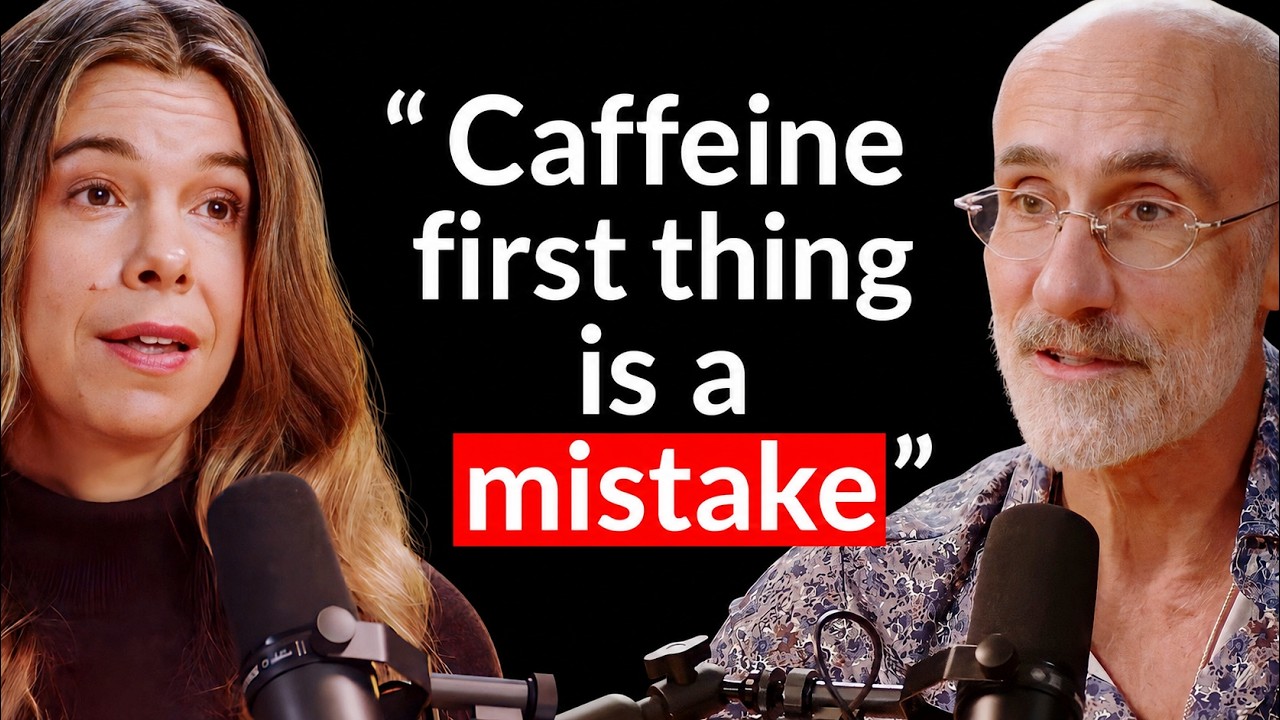
Rhonda Patrick: Hi, everyone. I'm sitting here with Dr. Arthur Brooks, who is a professor at Harvard. He's a social scientist who studies the science of happiness. He's got a couple of New York Times best selling books. From strength to strength, build the life you want. He's got a new one coming out that is called The Meaning of Your Life.
Arthur Brooks: The Meaning of Your Life.
Rhonda Patrick: The Meaning of Your Life.
Arthur Brooks: Yeah. Yeah.
Rhonda Patrick: I am so, so, so excited to be sitting here having this conversation with, with Dr. Brooks. And I know all you all are going to love this episode. I mean, I was just telling Arthur, you know, just doing the background research that I do, I learned so much. I started applying, I started already applying things to my life on date night. I was like, just rattling off all this stuff to my husband. I mean, I'm so excited to have this conversation.
Arthur Brooks: Thank you. I've been longtime listener, first time participant in the show. I love your show. It's just great information based on science is right in my wheelhouse and so many other millions of Americans. Thank you for what you're doing.
Rhonda Patrick: Oh, thank you. Let's, let's jump start this show.
Arthur Brooks: Yeah. Yeah, let's do it.
Rhonda Patrick: And you know, if you would have asked me this three weeks ago, what is happiness?
Arthur Brooks: Right. What would you have said?
Rhonda Patrick: I would have said happiness is. Well, I think I would have based it more on how you feel. Feeling good.
Arthur Brooks: Something like, I, I, I can't put it into words, but I know when I feel it.
Rhonda Patrick: Exactly.
Arthur Brooks: Yeah, yeah, yeah. I know when I feel it, or it's how I feel when I'm with my husband, when I'm with my son. It's how I feel when I'm in the zone and doing what I love. That's happiness, right?
Rhonda Patrick: Totally.
Arthur Brooks: And that's evidence of happiness. That's the smell of the turkey. Not the turkey. Thanksgiving dinner, you know what's going on. You're going to mom's house and you open the door like, yeah, it's time for Thanksgiving dinner. But that's not the dinner. That's the evidence of the dinner. And that's how feelings of happiness work. They're evidence of the actual phenomenon. And if you want to get happier, you need to know what it is. And in the same way that you need to know what Thanksgiving dinner is if you want to make one and eat one. Now, for a lot of people, that means the dishes or the ingredients. But for you and me, it means macros. It means protein, carbohydrates and fat. That's Thanksgiving dinner.
That's why people think we're unsentimental people, right, in the science community. But the truth of the matter is that's how happiness works as well. There's macronutrients to it, there's component parts, there's elements to it. And to get happier, you need to know what they are. You need the definition and you need to understand how the science works as well as change habits in your life along each one of the three macronutrient elements of human happiness. They are enjoyment, satisfaction and meaning. Those are the three skills. Those are the three elements, and you need them in balance and abundance, like your protein, carbohydrates and fat. And that's where I'm going to start my class. We're recording on a Friday. Monday is my first lecture at the Harvard Business School to my MBA students. And we're going to start with enjoyment. Then we're going to talk about satisfaction. Then the biggie. Biggie is meaning. That's what my new book is about.
Rhonda Patrick: Well, let's start with. Let's start with enjoyment and, you know, chasing enjoyment. Are you chasing that momentary pleasure?
Arthur Brooks: Yeah.
Rhonda Patrick: What is enjoyment?
Arthur Brooks: So a lot of people who watch this show, they have a good foundation in science and your background leads you to, I mean, you understand the stuff. You're the best at explaining this. So this, the understanding of enjoyment and distinguishing it from pleasure takes us back to this old neuroscience explanation of the human brain, the triune brain. Remember the old triune brain cosmos in the 80s and 90s was that show with Carl Sagan. He talked about the stars and space, but sometimes he would talk about the dark matter between our ears and then he would talk about the mysteries of the human brain. He always relied on Paul McClain, the famous neuroscientist from the 60s and 70s.
His concept of the triune brain, that is the organization of the human brain in three parts based on evolution. The oldest part of the brain is the reptilian brain, the brain stem, the cerebellum, the spinal cord. That set of structures has been around for 40 million years. We share it with snakes and lizards, et cetera. That does all of the stuff below your level of awareness and all the automatic things that's gathering data right now. Rhonda's reptilian brain. It's like the lights, the air temperature. I'm talking to Arthur. But you're not. You're not thinking about those things, but you're getting the data. Those data are going to the second part of your brain, which is newer, which is the limbic system, also known as the paleomamalian brain, that's between 2 and 40 million years old.
It predates Homo sapiens and we have in common with all the mammals. And that takes the data from the reptilian brain and it translates it into emotions. So this is a big mistake that my students and everybody makes is the feelings. I want good feelings. I don't want so many bad feelings. Wrong. There's no such thing as bad feelings. There's positive and negative emotions and all they are are signals. They're signals that your brain has ascertained either a threat or an opportunity that you should either avoid or approach. Negative emotions are supposed to be uncomfortable, they're supposed to be aversive so that you avoid things that might hurt you. Fear, anger, disgust and sadness. Those are the four negative emotions. And they alert you to the four big threats out there.
Things, being abandoned by your kin, being eaten by a tiger, being poisoned by a bad chicken breast, whatever it happens to be these elicit these negative emotions, positive emotions do the reverse. Mates calories. That's the reason you get these positive emotions. Then that emotional information goes to the new part of your brain, the prefrontal cortex, the bumper of tissue behind your forehead. That's 30% of your brain by weight. The supercomputer, that's the C suite. That's the executive center of your brain where you take the emotions. And if you're doing it right and you're self managing individual and a grown up and mature, you say, ah, Rhonda's feeling a little bit anxious today, a little bit sad today. I wonder why that is.
And you think about it and you act the way that you decide to act on the basis of that information. Okay? Now enjoyment is a prefrontal cortex phenomenon. Pleasure is a limbic phenomenon. Pleasure happens to you. Pleasure is happening automatically when you touch certain levers, you know, the ventral tegmental area, the ventral striatum, part of the limbic system. And if you tap that over and over and over and over again, if your goal in life is to pursue pleasure, you're not going to arrive at happiness. You're going to wind up in rehab, basically, because that's the secret to getting addicted to stuff. But if you add people and memory, it will be a prefrontal cortex experience where you manage your pleasures, they don't manage you, and then become permanent. And that's part of happiness.
So the bottom line, there's stuff that everybody has their thing, whether it's junk food or gambling or drinking beer Whatever it happens to be, if you're doing it alone, you're probably doing it wrong, is what it comes down to. Solitary experiences of things that bring pleasure and could be addictive, which most things can be, usually leads to pleasure, not to enjoyment. And that's the rule.
Rhonda Patrick: What about the things that lead to pleasure that you're doing solitary or by yourself that require effort and a little bit of getting through hardship? So, for example, like exercise, going for a run, it brings me pleasure. I love doing it alone, going for a long run, but I'm also not just instantly achieving it. I have to put in the work.
Arthur Brooks: Yeah. So that's not addictive. Not addictive in the same way. It's not actually stimulating the neurochemistry history in the same way. It's also working in the second macronutrient of happiness, which is satisfaction, not enjoyment. There's enjoyment involved and there's even pleasure involved. But really, when we talk about achieving great things, whether with your work or with your exercise or whatever you're trying to do to be excellent, satisfaction is really what you're seeking, which is achieving something with struggle. Only humans want to struggle. I mean, everybody watching this show, I mean, it's like they understand struggle, right? It's like, what you don't? It's like, how do you find your fitness?
You find your fitness by going and looking for it and doing stuff. It's not like finding your fitness is like stumbling across a genie's lantern on the beach. That's not how. That's not your point in the show. Your point is learn about all this stuff and go do things. Go do hard things. That struggle is super important. And so if you want to have satisfaction in your life, that second pillar, do hard things and struggle and learn how to struggle. And that's the point. And that satisfaction that you get from that, that gives your life a sense of sweetness to it. That's a weird thing. Only Homo sapiens want to struggle. And you have little kids, so, you know. How many kids do you have?
Rhonda Patrick: Just one.
Arthur Brooks: Just one. How old?
Rhonda Patrick: Eight.
Arthur Brooks: Eight. Okay, perfect. So Junior, right? I mean, he's your son, right?
Rhonda Patrick: Yeah.
Arthur Brooks: You're bringing him home from Little League. He plays sports.
Rhonda Patrick: Yeah.
Arthur Brooks: Yeah. Okay. Of course he plays sports. And you drive by the Dairy Queen right here in Southern California, and he's like, at 4:30 in the afternoon, it's like, mommy, let's stop for ice cream. And you're like, it's 4:30. And he says. So you say, it's almost dinner time. He's like, so, because he's smart and you say you'll spoil your dinner and he doesn't understand, so who cares? And then you lie to him because you're a scientist and you're all about fitness and health and diet, and you'll say, it's not healthy to eat ice cream instead of a healthy dinner. Really what you want him to learn is that he's not going to appreciate his dinner. He's not going to enjoy his dinner if he's not hungry. You want him to.
His little prefrontal cortex to wire in this conclusion that good things come to those who wait, that I'm really going to enjoy my dinner only when I'm hungry. See, if you were honest, you'd say, I want you to suffer. Doesn't sound good. But it's literally true, because then he'll learn that lesson. And that's what we're learning all the time. All the time. All the time. The most successful people. Now, there's a danger to this, which is that the strivers that are watching us, the successful people, all they learn to do is suffer, right? It's like the old marshmallow experiment, where if you pass on the marshmallow, you get two marshmallows, they pass on all the marshmallows to get more marshmallows and never eat any marshmallows. That's a lot of our lives, actually.
Rhonda Patrick: Well, I definitely want to get into your strivers curse and all that. But before I want to kind of jump back to the enjoyment, because an interesting question that comes up is, you know, these unhappy things that. Things that cause unhappiness. I mean, this stuff happens in our lives, right? I don't know that some people think because those things happen to them that they're. They can't be happy, right? But that's. That's not necessarily true, right?
Arthur Brooks: I mean, yeah, that's wrong. And, you know, back in the 60s, which I don't really remember, and you weren't born, the hippies used to say, if it feels good, do it. I remember my dad hearing that. He's like, that's the end of America. You know, he was kind of right. But that. That was misguided way of understanding life, because that was all about the pleasure lever. That's the reason that the drug culture, the hippie culture, led to so much hardship is because it was unbridled pleasure, as opposed to the pursuit of enjoyment, which is a more human, a more disciplined kind of thing. The problem today is exactly the opposite where we tell a lot of young people, if it feels bad, you got to make it stop. There's this eliminationist view.
And so, for example, I mean, life has a lot of sadness and anxiety in it. We all face sadness and anxiety. If you go to campus counseling and you say, I'm sad and anxious, they'll say, that's a problem. We gotta treat that. I understand liability. I hang out on a campus. But the truth of the matter is, in my university, if you're studying at Harvard and you're not sad and anxious, you need therapy. It's a hard thing that you're doing. Look, if you don't have a lot of trouble, you're not digging in. You're not digging in life. And so you need to understand that now, it can be obstructive. It can be dysregulated, of course, become a medical problem, to be sure. But the idea that you can't be happy because of unhappiness is completely wrong.
On the contrary, you can't be happy unless you're unhappy. You need unhappiness because the road to it passes through a life that's fully alive. And the limbic system creates positive and negative emotionality in different structures for different reasons. You wouldn't want to get rid of a whole set of emotions and leave yourself in danger just because you want another set of emotions. You want the whole. You want the whole menu in front of you in this particular way. You just need to manage your negative and fire up the positive. And that's what the science helps you do.
Rhonda Patrick: And so when it comes to, you know, tacking this, like, pleasure things, or, you know, to get the enjoyment we need to bring, to have it with a person, to have an experience with someone else not doing it by ourselves. I mean, is there, like, some practical tips people can do to kind of like train themselves to engage in that kind of behavior?
Arthur Brooks: Yeah. Is to start looking at the. It's funny because the brain, certain things don't give you pleasure. You give yourself pleasure. You understand your brain is a pleasure factory by getting really, really good at certain things. So some people just don't like sweets. I don't understand it. I'm crazy about sweets. I just eat nothing but sweets. I mean, I just. I love sugar, right? And I understand that my brain is incredibly good. My dopamine pathways are just highly skilled at giving me a sense of pleasure. On the basis of that, other people. It's like, I don't get it. You know, I do a lot of talks in Vegas for different things. Some on the road all the time giving speeches. And I see people at 4 o' clock in the morning pulling the lever on the one armed bed.
I'm like, dude, that is so boring and sad. All that means is I don't get any pleasure from that because my brain doesn't work that particular way. So we all have that thing now. Again, there are lots of things that you can do that are not addictive at all, like walking in the woods or saying your prayers. Great. Alone, Great. And solitude is beautiful. It's not isolation. Isolation and solitude are two different phenomena. And so having solitude, where there is something that you truly love that's great by yourself. But the things that can be addictive, even Internet use, even eating, they're best accompanied by other people. And that's how the brain was evolved. We still have the pleistocene brain from 250,000 years ago.
And almost all the time when people ask why do we do fill in the blank. Weird thing, there's evolutionary biology and psychology that will explain it. From the habituation to the Pleistocene when Homo sapiens lived in small bands of 30 to 50 individuals that were kin related and hierarchical. Why are we envious that somebody has more than we do? Because we want to rise in a little 30 to 50 person hierarchy. Why are we so afraid of offending somebody? Because if you get kicked out of the tribe, you're going to walk the frozen tundra and die alone. All of the things that we do in mating, in friendship, in envy, all of this stuff is kind of related to that. And this is a good example of it. We're habituated, for example, to eat around a campfire, looking at each other. And we get tremendous pleasure from that. We get oxytocin from that, we get dopamine from actually doing that. And it's very comforting to us.
Rhonda Patrick: What about people that are. That now we do have these phones and we do have. There's a lot of pleasure that is particularly certain types of people. In fact, I'd say a lot of, a lot of people nowadays, yeah. Get rewarded by scrolling social media or the news, you know, whatever it is that they love to do on their phones. And they're. If they are at a dinner or they're, you know, in some sort of setting with their friends or family, you oftentimes will see that they have their phones out and they're not really engaging as they normally would. Perhaps if it was like 15 years ago, whatever. And we didn't have these, these phones there. Like what are they missing out on. And what can they do to, like, realize what they're missing out on? Like, it's.
Arthur Brooks: I.
Rhonda Patrick: We all have. We all know these people. They're probably. Could be us, and it could be us family members.
Arthur Brooks: Absolutely. Left to your devices, I mean, you live online. I mean, this show is online. And you're like, I wonder how the episode of Arthur is doing and your husband. Exactly, honey, hello. Right. I mean, that's a normal thing that actually happens to us. There's a bunch of different reasons that we get addicted devices and misuse our devices. And that's a lot of what I'm writing about in this new book is actually how it changes our brain. It literally changes the way that we use our brain in such a way that we can't actually ascertain the meaning of our lives. There's a use of the brain that helps you understand the meaning of your life. And you're not using your brain that way when you're using technology. It's a real problem that we're using our brains literally wrong.
Rhonda Patrick: Okay, so when we get into the third body, we'll talk about that.
Arthur Brooks: We're definitely going to talk about that.
Rhonda Patrick: Awesome. I want to hear about this. Okay, let's talk about satisfaction, too.
Arthur Brooks: But generally, just on the side of how we use the device is wrong. How young people use the device is wrong. We're using it because it gives us a little reward, a dopamine reward. Wondering if there's mail or notifications or whatever it happens to be, and that just. The algorithms have been designed to actually stimulate the. The dopamine pathways in the human brain. So the locus coeruleus has a little spritz in there. And we like. And it's weird because, you know, there's nothing on text that you care about. You know, there's nothing on social media that somebody's doing that is of even minor importance. But you think about that when you're waiting at a stoplight and you pull out your phone, Right? That's the number one reason.
The second reason is distraction from other things you don't want to think about as a distraction machine, which is related to the third reason, which is boredom avoidance. We hate boredom, but boredom is unbelievably important for the human brain. We're made to be bored. When we become bored. In other words, when we put people into the FMRI and you say think about nothing, you can't do it, you immediately, your mind just starts wandering and the default mode network of the brain becomes active, which is important for you to understand. The third macronutrient we'll talk about in a minute, which is meaning, so therefore, when you're distracting yourself to not be bored because boredom is uncomfortable, but Mother Nature doesn't care if you don't like it.
Mother Nature does all kinds of things that we don't like. We were just never able to avoid it. Now we are. So the same way that we need pain for lots and lots of things, we created analgesics that escalated in power to the point we're able literally to get rid of all of the pain. And 100,000 people died of drug overdoses last year as a result. Homo sapiens were incredibly ingenious at getting rid of little problems and creating massive problems. And that's what smartphones do today, is to get rid of boredom because we don't like it. Dan Gilbert's experiments at Harvard on boredom.
He shows that when people have to sit in a room and do nothing with nothing to do except the option of pushing a button on a key fob to self administer a painful electric shock, that 25% of women choose to shock themselves rather than being bored. And two thirds of the dudes shock themselves painfully rather than being bored for just 15 minutes. He had an experiment. One guy shocked himself 190 times in 15 minutes.
Rhonda Patrick: Wow.
Arthur Brooks: I mean, he was a sick and twisted freak and got thrown out of the experiment. But you get my point that we hate boredom. So we want the little dopamine bump. We want to distract ourselves from things we don't want to be thinking about right now because life is complicated and we don't want to be bored. And those three things together mean that you're missing your life because it's Christmas morning and you're going to. So that's a problem.
Rhonda Patrick: Exactly, Exactly.
Arthur Brooks: Big problem.
Rhonda Patrick: And then thinking about kids growing up with it, they're not even. At least I have a baseline. I remember.
Arthur Brooks: Yeah, we remember the before times.
Rhonda Patrick: Yeah. Okay. So the satisfaction is the big one. That's.
Arthur Brooks: That's a big one. And it's weird because it actually leads to a problem we haven't even discussed, which is you can't keep it. You want it. It's so sweet. And you know, this is a striver show.
Rhonda Patrick: It's transient.
Arthur Brooks: This is a striver show. I mean, this is like. This is not a slacker show. This is a striver show. There's lots of slacker shows. Yeah, this isn't one of them. You know, found my fitness is not for. I was like Yeah, I don't know. I'm gonna chill at the beach. No, this is for. People watching. This are hardcore. The problem that they have is called the Striver's Curse. And the Striver's Curse is when you work for that thing, and you work for that thing, and you work for that thing because Mother Nature is telling you, if you get it, Rhonda, if you get it, it's going to be so nice forever. You're going to enjoy it. And then you get it. You're like, huh? Most Olympic athletes who win a medal have a clinical depression in the wake of winning an Olympic medal. Like, so weird.
And there's a reason for it. We're wired for progress. Progress brings tons and tons of just absolute enjoyment and satisfaction. It's wonderful to make progress. We're designed for progress. And so we incorrectly believe that when we get to the goal toward our progress, when we get to Hispaniola with the ship, then we'll have that ebullience, that joy forever. But that's not how the limbic system is supposed to work. That's a lie. And then when it's kind of, it's okay, it's okay. We're like, life is meaningless. Life has no satisfaction. Life isn't good. And so you say, I guess a billion dollars wasn't enough. I guess I needed another billion dollars. I guess I needed another Academy Award. I guess I needed another person praising me and admiring me. I guess I need another person who says she loves me. I need a new mate, whatever it happens to be. And that's the hedonic treadmill. More, more, more, more, more, more.
Rhonda Patrick: The goalpost keeps moving and you get this diminishing satisfaction.
Arthur Brooks: That's why you need some metaphysics to solve that, to sort that problem.
Rhonda Patrick: I was gonna say, how do you break out of that?
Arthur Brooks: Yeah, you break out of that by understanding that the brain, human brain, gives us options beyond our animal impulses. My dog Chucho is a good boy. He can't break out of that. He can't break out of that cycle. Right. He doesn't even know he's in the cycle, as a matter of fact. Right? And so it's all animal impulses. His prefrontal cortex is wafer thin. It's like a tiny, tiny little thing. Mine is 30% of my brain by weight, and it gives me the option of animal impulses. Run, run, run, run, run. Another billion, another medal, another three pounds lost on the scale. Or my moral aspirations. I can stand up to Mother Nature and say, nuh. No, no, I'm out. I'm out. And the way to do that is to realize that satisfaction that lasts is not about having more, it's about wanting less.
That's how it works. Your satisfaction is all the things that you have divided by what you want. Halves divided by wants don't always work the numerator because you'll work yourself to death. You'll become a workaholic, success addicted, self objectifying creature of the world. You'll ruin your relationships and be frustrated. You need just as much to manage your wants because when you manage the denominator, when your wants go down, your satisfaction rises and stays high. Yeah, that's what we need.
Rhonda Patrick: Okay, so you've spoken about these four sort of false, I don't know, idols that people kind of substitute and think will bring them. Maybe they are the wants, they will bring them the happiness. I absolutely like have fought at least two of them for sure for me. But can you talk a little bit about these four idols? Yeah. And why, why do people think they will bring them home?
Arthur Brooks: Yeah, I know. I mean, all of the really interesting ideas in behavioral science and neuroscience, they all kind of come from the old philosophers, it turns out, right? I mean, there's nothing new under the sun. And Aristotle was talking about, you know, what beguiles humankind. And the greatest Aristotelian thinker of the more modern times, which is still not that modern, was Thomas Aquinas. You know, Thomas Aquinas writes the Summa Theologia in 1265, this magisterial text bringing Platonic and especially Aristotelian ideas to more modern audiences. And he was an unbelievably good behavioral scientist, also a great saint. You know, I'm a Catholic and so I love Thomas Aquinas, he's the best. But what he talked about was the idols that distract us from what we truly want.
And so, you know, as I'm a religious person and Aquinas said, you want God, even if you can't quite put your finger on it, you want God, you want the permanent truth, the real thing, the ultimate numinosity, the end of all things. That's what you want. You want it, but man, it's inconvenient. There's a lot of rules, man, there's a lot of one sided conversations. You don't really know if it's out there. And so you look at things that seem to have kind of a divine nature. Those are the idols on earth that will attract you. And he said, there's four and this is unbelievably good science because it turns out that these are the buckets that people still fall into. He just knew, right? We have surveys and data and experiments to find what he was talking about in 1265. So there goes my whole PhD.
Anyway, they are money, resources, power, which is influence, not evil. It's just influence of other people. People do what you want pleasure, which we already talked about. And pleasure, by the way, is not just feeling good, it's also comfort, like the comfy covers instead of going to the gym or security, which is checking your stock portfolio every day, same thing. And a lot of people are like, ah, I don't care about pleasure. Let's see how rich I am today. That's the same thing. It's working the same circuits. And the last is honor. And that's an ancient way of saying fame, right? Fame, admiration, prestige. It's like wanting to be liked and accepted by the right people.
Rhonda Patrick: Yeah, bring it on.
Arthur Brooks: I mean, you and I are academics, fundamentally. And so, you know, it's not just like any idiot, it's people who know. Right? Is what it comes down to. But there's also the admiration of strangers, which has all sorts of neurochemical benefits that we get that go back to our Pleistocene brains that we really want. That makes you insane. So those are the big four. Money, power, pleasure, and fame. Fundamentally, everybody is most beguiled by one. And when they know what their weakness is, they have pure strength. Because if you know your weakness, you can actually fight against it, avoid a bunch of errors and understand what you most regret. That's why this is really important. So I have a game with my MBA students called what's My Idol? You want to play?
Rhonda Patrick: Yeah.
Arthur Brooks: All right, let's find out. Rhonda's idol. And you probably know I have two, I think. Yeah. But we'll find out which one is bigger.
Rhonda Patrick: Okay?
Arthur Brooks: Right, okay. The way to do this, and as you know, in the way that we do our work, is when you're trying to select something, it's better to eliminate. That gives you a truer understanding. Eliminating things that it's not always gives you more focus on what it is. So of the four, we're going to look at which one you'd get rid of first, which doesn't mean you don't have it. It just means you go to the population, mean. So, for example, if you say, I don't care about money, that doesn't mean you're poor. It just means you're the average American, which is Pretty great by world standards, but it sucks. To the striver, I was like, being the average is the worst. Right. That's like torture if it's your idol. Okay. So that's how it works. So you have money, power, pleasure, fame. Which one do you get rid of first?
Rhonda Patrick: Pleasure.
Arthur Brooks: And why?
Rhonda Patrick: I think because I'm a striver.
Arthur Brooks: You're an austere type.
Rhonda Patrick: Yeah.
Arthur Brooks: You're up at dawn. Before dawn.
Rhonda Patrick: I mean, I'm. I. I like to work.
Arthur Brooks: Yeah.
Rhonda Patrick: I like to. Yeah, I like to get that. I mean, I guess the satisfaction.
Arthur Brooks: Yeah. Now watch your distraction, because your distraction can be a form of pleasure.
Rhonda Patrick: Okay.
Arthur Brooks: If you're distracting yourself from things that are uncomfortable, that means you have a comfort idol. And so a lot of strivers actually do fall into. I'm not saying that that's the case, but that's something that's actually kind of keep your eye on. And I believe it because you've been super successful doing all kinds of. I mean, you get your. Your. Your academic work is impeccable, your show is successful, you're super fit. All that stuff. Your wife, your mom. You're doing it all. I believe it. I believe. What are you sacrificing? Feeling good. Okay. Because it's not important to you. Good. Got it. What's next?
Rhonda Patrick: Probably. Ooh. It's hard. It's. That's a hard one because.
Arthur Brooks: Yeah. Because all of them are nice.
Rhonda Patrick: Yeah.
Arthur Brooks: I mean, we all like all of them. There's a reason they're idols.
Rhonda Patrick: Well, also, I think maybe the fame is the path to influence and money.
Arthur Brooks: Yeah. Could be. Could be. But I'm talking intrinsic desire for each one of these things as opposed to an instrumental desire for it.
Rhonda Patrick: Okay.
Arthur Brooks: So which of these things is your intrinsic thing that it feels like if you got there, you'd be really happy, even though you know it won't because you're smart.
Rhonda Patrick: Yeah.
Arthur Brooks: But that thing that'll like you, which is the next one that you don't care about, you'd get rid of, you think. If you had to. Because we have to. We're eliminating fame. Yeah. And fame means, you know, people admiring you and stopping you in the airport or, you know, the right academics going. I just. Your work is so great because you're still publishing academic journal articles from time to time. I mean, you're doing that work. I mean, you're doing that. I mean, that serious stuff, and you're doing it for a reason. You want. You want to.
Rhonda Patrick: And it's so hard. Influence and fame are like, you Know, because I also want to influence people. Yeah, I really do.
Arthur Brooks: Yeah, yeah, yeah, yeah.
Rhonda Patrick: Positive way.
Arthur Brooks: But I believe it that you're actually not egotistically driven. I believe that you're not egotistically driven.
Rhonda Patrick: It's like you said, it's a pathway to get.
Arthur Brooks: Yeah, and I see that because I know your public profile and your public profile isn't like Internet influencer par excellence, where, you know, more clicks, more clicks, more clicks from strangers. And so I believe it. I actually believe it. And so that's good. But now it gets difficult because now what we're talking about is money and influence. Money and influence other people. By the way, this is not bad. There's many beautiful good things you can do with money. I'm a free enterprise guy. I believe in a free economy where people can. I just love living in a free society where successful people can make a bunch of money and create jobs and opportunity and growth and philanthropy. I love it. I'm so happy to be in that kind of environment. I'm so grateful for it. But I also recognize that when it's an idol, it can control you like anything else. So which one. If you had to get rid of one of them and only one was left, which one would you get rid of? Influencing others.
Rhonda Patrick: Money.
Arthur Brooks: Money. Did you grow up with money?
Rhonda Patrick: No.
Arthur Brooks: Did you grow up with no money? Just. Just middle class?
Rhonda Patrick: Yeah.
Arthur Brooks: Did you grow up poor?
Rhonda Patrick: Yeah, yeah, I grew up poor, but I was. I was in the best private schools because I.
Arthur Brooks: Because you're smart.
Rhonda Patrick: Got in. I got in.
Arthur Brooks: And you had good parents.
Rhonda Patrick: And I had good parents.
Arthur Brooks: Yeah. Intact family.
Rhonda Patrick: I had financial. No, not. Not parents. Broke up the whole time.
Arthur Brooks: Yeah, yeah, that's what I said.
Rhonda Patrick: They stayed friends. We'd still had family vacations together, really, to keep the unit together.
Arthur Brooks: Mom and dad went on vacation together when they were divorced.
Rhonda Patrick: Yeah. At least for a few years until my dad married my stepmom.
Arthur Brooks: Yeah. And you have a good relationship with her, too.
Rhonda Patrick: Yeah.
Arthur Brooks: So you had good parents who cared about you? Were they educated people?
Rhonda Patrick: My mom got her education a little bit later in life, but not. Not really. No. My dad. My dad's like a blue collar worker
Arthur Brooks: and a hard worker.
Rhonda Patrick: Hard, hard worker for sure. Like work, like a lot.
Arthur Brooks: Good man.
Rhonda Patrick: Good man.
Arthur Brooks: Yeah, Good man. Imperfect. Because we all are.
Rhonda Patrick: Yeah, right.
Arthur Brooks: You know, it's like his marriage didn't work out, you know, like, you know, but that's. Life is kind of how that works. So people have different backgrounds around that. And some people who have the money. Idol they generally come from two different camps. Real poverty or real wealth. And real poverty turns into a money idol because you're afraid of going back there. And real wealth becomes a money idol because that's how you understand yourself. And you don't want to become alienated from your sense of self. So the people who are least likely to have it are just kind of right in the middle, sort of indistinct like, eh, got it sometimes, but everybody's different. But what this really defines, of course, is what will, which is not. There's nothing bad about influence.
On contrary, you use your influence to great good even. You've influenced me and it's made me better. But if it runs you, if that influence becomes an intrinsic motivation for you, that's the thing that will lead you, when you're not guarding against it, to change the way that you relate to the people you most care about in your life. Your husband, your son. You'll cut corners, not ethically. It'll just cut corners in the things that actually mean more to you than that. And that's what absolutely always leads to regret. It always leads to regret. You know, those are resume virtues.
Rhonda Patrick: You'll miss. You'll, you'll, you'll, you'll work. You'll work because you want to get that influence.
Arthur Brooks: That's right. And those are resume virtues, not eulogy virtues. My friend David Brooks writes about this, about resume versus eulogy virtues. Resume virtues are the things you would not want people to say at your funeral. He had 5 million miles on United. That's not what you wanted to say. And that's the danger, is what it comes down to. That also tells me something probably about your childhood, which everybody's childhood is. I mean, I'm not, you know, of the trauma school like that, but, but we're, we're path dependent for a lot of things. You probably are super good student growing up, right? Great student. You're probably really good in sports and you probably got a lot of attention from adults when you did things that were really amazing.
Rhonda Patrick: I got a lot of attention. Yeah. I was like a superstar on jump rope, teen theater, in commercial, like.
Arthur Brooks: Yeah, commercials.
Rhonda Patrick: I was in commercials, yeah. Like, you know, I was getting, I was getting that fame.
Arthur Brooks: Yeah, well, you were getting noticed for things that were. For your ability, for your looks, whatever it happened to be right. That wires a kid's brain to not to misunderstand love. Love is a grace. It's a free gift, freely given. It's not something you can earn. You can't literally can't earn anybody's love. You can't even earn your own love. You can't earn God's love. You can't earn love. But when you're a little kid and you get attention and affection from grownups because of what you do, that will teach you. You'll synaptically wire the idea that love can be earned. And then you grow up trying to earn people's love by doing amazing things. That usually manifests in either power or fame. That generally speaking, it manifests in either the fame idol or the power idol.
And by the way, me too. Me too. I was the best classical musician among all the kids growing up. I had really good grades and all that, but that's not was my thing. I wanted to be the world's greatest french horn player. From when I was 8 years old, all I wanted to do was to play the french horn. I was better than everybody at it. And. And I had this like from grownups all the time. And the result of it was it was the same thing. And I grew up as just super success, addicted. Meaning that when you win, you get that bump. You get winning, winning, winning, winning, succeeding, getting noticed, whatever it happens to be. That's when I got my parents attention. That's when I got my teacher's attention.
And the result of it is that now I'm 61 years old and I'm still chasing, chasing, chasing, chasing, chasing. And it has everything to do with the fact that deep down, my great fear is if I stop, no one will love me. We're just little kids, right? Right. We're just little kids. But that's power. That's power. I mean, just that that power has helped my marriage a lot. That's helped my relationship with my adult kids and now grandkids a lot, actually. That's why it really, really matters to know what our idols are.
Rhonda Patrick: And let's say, you know, if you know what your idol is, and then you can, like, think about that and actively try not to. I mean, what sort of exercises can you do to kind of like. Is it the reverse bucket list? Right? I'm right now. Are you gonna put them. Maybe you can talk about that.
Arthur Brooks: Yeah. Well, the reverse bucket list is just the obvious. The bucket list is an incredibly deleterious way to set up your life because it's basically to say, when I achieve these worldly things, then I will be happy. And this is what I'm gonna do this year. And all it does is make you more attached. It's like anti Buddhism. Is Kind of how it winds up. And so I have a reverse bucket list, which is to name my attachments and my ambitions and cravings and desires, which I'm not ashamed of. They're all. None of them are, like, shameful or gross. But I don't want to be managed by my desires. I want to manage my desires. And so I write them down and cross them out and say, easy come, easy go. This year I want to do this and this and this. Easy come, easy go. I am a human being.
I am a child of God. I am a husband to my wife. I am a grandfather. I'm all these things I really care about. And maybe those worldly things will happen and maybe they won't. And I'm going to be just fine. No, I'm going to be better than fine. That's how the reverse bucket list actually works. And I'm free. I'm free for the first time. That's one of the exercises that helps you with your idols. The second is you got to have a buddy on this. You know, I recommend a spouse, say, hold me to this. This is my weakness. You know, My weakness. Right. And the problem is when your spouse actually is codependent and you're. And your idolatry. I mean, if you have. If you're a.
If you're a fame idol and your spouse, you know, gives you admiration only when you're getting the admiration of other people. That's a bad situation. But that's not the situation with my wife. On the contrary, you know, my idol is honor. Absolutely. Absolutely. All day long. It's so dumb. It's so ridiculous and laughable. And my wife's like, you're doing that thing. You're doing that thing. It's like you want somebody to be. To think you're. Think you're smart. You're just trying to do something for the approbation of strangers. Be here now, man. She understands me. And that kind of accountability is really, really important for being a full person.
Rhonda Patrick: What about, you know, and this is all coming back to being able to obviously manage your mood as well, you know, and it's something that I've read from you is this gratitude list where. And I. And I haven't really done it, like written. I haven't. But I'm thinking about it now where it's like, you know, what are you thankful for? And how if you can think about what you're thankful for, maybe that helps temper that wanting of one of your idols or. Or even the social comparison, you know, Treadmill, which we can talk about.
Arthur Brooks: Yeah, the envy.
Rhonda Patrick: The envy. And, you know, for me, it's like, you know, I know people that have just. In youth, like young, young adults just got cancer and are dead.
Arthur Brooks: Yeah.
Rhonda Patrick: You know, so health is a big one to be grateful for.
Arthur Brooks: Right.
Rhonda Patrick: And I have others, obviously. My family, my son, my husband. The love we have, like, oh, my gosh, I'm so. I'm just blessed in so many ways, you know, And I have so much to be grateful for, and I don't think about it enough. I'm constantly thinking about what I. I don't have and how I want to get it, you know, and it's toxic.
Arthur Brooks: Yeah. But that's why we're successful as a species is because of ingratitude. It's because we don't have enough. That's why we strive, when you think about it. And again, we will talk about how to be more grateful, but let's recognize that this is a perfect example of how evolutionary biology has made us successful as a species and miserable because Mother Nature doesn't care. So we are made to be resentful, ungrateful, suspicious, hostile creatures. There's literally more space in the brain, more tissue devoted in the limbic system to negative emotions than to positive emotions. Positive emotions are nice to have negative emotions keep you alive.
That snap of the twig behind you while you're walking across the savannah, your brain doesn't automatically say, I bet that's a good friend here to say hello. You take off running, and then it's like, oh, it's just my friend. Ha ha ha ha ha. We are made to be resentful, to get more, more, more, more, because that actually allows us to advance as a species and pass on our genes. And the result of that is that, left to our devices, we're unbelievably ungrateful all the time. Just the ingratitude. I mean, the grinding ingratitude. It's like I literally said, I found myself saying the other day, you know, first class in United Airlines has really gone downhill. It's so absurd.
Rhonda Patrick: Right?
Arthur Brooks: And that's me. I mean, I'm just. And this is what I teach. This is my stuff. And I still do that. That's our tendency, which means you have to override it. And the way the override it is by being conscious of it once again. You can do animal impulses, you can do moral aspirations. You choose, but you got to do the work. I mean, you can sit on the couch and eat Haagen Dazs. And binge Netflix or you can get up and do leg day. I mean, you choose. Moral aspiration is leg day is what. And so everybody watching found my fitness. They understand that. Right? But the same thing is true for every part of your life. There's a leg day analog to everything that goes on in our lives. And gratitude, the gratitude listing procedure, any of the exercises that I recommend about gratitude.
That's what it is. It's getting up off the couch of resentment and going into the gym of blessings, which is hard to do, and it's not natural. So the way I ask my students to do it is to override their tendencies by writing a list of the five things you're most grateful for Sunday afternoon. And I don't care how stupid it is. I mean, right now, you know what I'm kind of grateful for, Rhonda? The Seahawks are doing really well. I grew up in Seattle. I love that I'm not a big. But I can't change my heart. I want the Seahawks to win the super bowl. And I was really grateful last weekend, and I saw that. That's so awesome. That's great. So stupid. I got it. But I'm going to put it on my gratitude list. And I'm grateful for. And big things, too. I'm grateful for my faith.
I'm grateful for my family. I'm great. Yeah, yeah, yeah, yeah. Five things now, each day during the week, take just a couple of minutes and focus on each one of these things before you go to bed. Before you go to bed. And I have a whole nighttime protocol of things that we can actually do for better happiness. Hygiene, as well as better sleep and, you know, proper functioning of the pineal gland and all the stuff that we talk about in our business. And then every Sunday, update it on average, the average person, after 10 weeks will be 12% happier. It's just overriding your tendencies is what it comes down to. It's so beautiful that we don't. We're not. We're not, you know, subjugated to our animal impulses. I just love that about life.
Rhonda Patrick: This is. I mean, this is great for adults. How do you teach that to children?
Arthur Brooks: Well, the way to do that is to actually model it as a model. Everything. All that matters is what you do. It really doesn't matter what you say. So people ask me all the time, traditionally religious people say, like, you know, in the world today, everybody's wandering away from the faith. What do I do to keep my kids in the faith? And I say, it doesn't matter what you say, don't harangue your kids. There's this old saying, don't talk to your kids about God. Talk to God about your kids. Right. But the way to keep. And this is a very well empirically verified truth about religious faith, but it makes the broader point, have them see you practice the faith, because that's what they will model. That's what they see. This is. The wiring is established.
If you don't want your kids to scream swear words out of the window of the car in traffic in Southern California, don't do that. If you don't want your kids to be drunks, don't be a drunk, for God's sake. And if you want to raise them in the faith, then practice the faith assiduously, seriously, with your heart, with your whole heart. And the data say they absolutely will. I mean, not 100%, but that's the only thing that really raises the odds materially. So if you want your kids to be more grateful, be more grateful. If you want your kids to be less ungrateful about the beautiful life that they have, be less ungrateful. Don't see them have you grousing and complaining and just being kind of grumpy all the time.
And one of the ways that you do that is by talking to them at dinner about the things that you're grateful for. For. Don't bug them. But what they're grateful for. You know what I'm grateful for today? I'm so grateful that we have this time together. You know, I'm so great. Look at the sunset. I mean, you're in Southern California. Like, we live here in December and January, and it's. It's actually really easy to be grateful for the sunset out here when you're not here all the time because you don't habituate to it. That's how you do it.
Rhonda Patrick: I love this. And then I think also maybe bringing them, pulling them into the. The Sunday, you know, writing down and just like, maybe they don't have to do. You don't have to force them to do it, but they can see you do it.
Arthur Brooks: Yeah.
Rhonda Patrick: And, you know, again, put it on the fridge.
Arthur Brooks: Yours on the fridge.
Rhonda Patrick: Yeah, we just. We're actually. My husband just ordered this, like, really nice digital board for, like, you know, schedules and, like, phrases and things we want to put on. And so. Yeah, that's a great idea.
Arthur Brooks: Things to. Things to really. To remember for sure. And they see mom is practicing. She does that thing. Mom does that thing.
Rhonda Patrick: Right.
Arthur Brooks: And mom is Happier after, after she does that thing.
Rhonda Patrick: I wanna, you brought up something about like, you know, how humans are wired to kind of be ungrateful, to be like, I mean competitive to, you know, we've got this like this is, this is the survival, this is how we're surviving and, and getting better. How does that relate to like people's emotional baselines and like understanding? Because obviously, you know there are, there's more of the anxious phenotype, there's more of the positive. Like my, my, my late mentor Bruce Ames, I mean he was rose colored glasses. Everything was positive.
Arthur Brooks: Like oh, just like unbelievably annoying.
Rhonda Patrick: Just like how are you like this, you know, but also very successful.
Arthur Brooks: Yeah.
Rhonda Patrick: So how does like understanding your emotional baseline come into helping you manage your emotions?
Arthur Brooks: Yeah, that's such a smart question. Because we don't all have the same, obviously the same emotional baseline and we beat ourselves up if we're naturally grumpy people. But it turns out that there's a lot of research on the, the natural functioning of the limbic system and how it affects, how it affects our personalities. There's a great test called the positive affect negative affect sequence Panus and people can take it online or they can actually go to my website because I have a thing called the happiness scale and it will look at your natural affect profile. There's four affect profiles that will divide up positive and negative intensity of emotion that we naturally fall into. And all of us fall into one of these quadrants, as it turns out.
And the reason is because the functioning of the limbic system is different between different people. It's not because you had a crummy childhood. Most of it is genetic. Most of the stuff is between 40 and 80% genetic. And we know this from identical twins separated at birth. You know those identical twin studies they did at University of Minnesota, all those for all those years. And then, you know, we want to be in charge of everything. We're not. Right. So much is genetic, but you got to know it so you can manage your genetics with good habits. So this research, it talks about positive emotionality and negative emotionality, positive and negative affect, which is just, you know, the fancy way of talking about this intensity of emotions that we have.
You can be above average on both, below average on both or above average on one and below average on the other. Those are the four quadrants. If you're above average on positive and negative, that's the mad scientist profile. That means you feel things super deeply. It's everything is great or terrible and most CEOs and entrepreneurs are the mad scientist profile. You might be one. You're either this or the next one.
Rhonda Patrick: Yeah, that's what I'm trying to figure out. I need to take the test.
Arthur Brooks: So you've got high positive emotionality, but I don't know about your high negative emotionality because I haven't seen you on your. When you first wake up in the morning or how you.
Rhonda Patrick: I can judge things. I can want it to be a certain way.
Arthur Brooks: Obviously, you're very meticulous about detail, but I don't know about the intensity of your negative emotions as you do, so. So that's what I'd have to see. We could take the test and we could actually find this out. That's a great profile for leadership. That's a great profile for, you know, just being completely alive in the world. But it can be unbearable to your partner. You know, it's not that easy to be married to a. A mad scientist. I. You know, my wife reminded me of that this very morning. Matter of fact, it's like, you're just exhausting me. What people want is high positive and low negative, which doesn't mean you don't have any bad feelings. It just means the intensity of negative emotions is lower. That's the cheerleader profile. That might be you. I don't know.
Rhonda Patrick: That's Bruce. That's Bruce.
Arthur Brooks: Bruce Ames. Yeah. So the cheerleader profile is one who is quite ebullient but takes in stride the negative, with real philosophy. Takes the negative. Right. Things are. They tend to be pretty optimistic and very hopeful, which are different. I mean, hope is a virtue, optimism is a prediction. And they don't always make the best CEOs because they're not very good at receiving or giving negative feedback. And so your worst boss was probably a cheerleader. And they come into your office and they say, rhonda, you're the linchpin of this whole company. And you're like, it's great. And you're calling your husband. I realize you haven't had a job like that. Neither am I. And then you hear them saying the same thing to the lazy moron in the next office.
It's like, wait a second, I thought I was special. And that's bad leadership. The other two are low. Low. These are low affect people, which means that's the judge profile. A lot of surgeons, you and I have known, a lot of surgeons, surgeons are like this, right? Fighter pilots are like this. These are people who are low affects. Like, whatever. Bring it on. You don't want somebody to cut you open and go, oh my God, that's not what you want, right? You want somebody like, I can take that out, can do it, done it 50 times, I can do it at 50 first. And the judge is somebody who's not emotionally super high affect when they actually see things, seeing strong things. And the worst one for people, but good for society is high negative, low positive. That's the poet.
These are people who feel very strongly negative emotions. Fear, anger, disgust, especially sadness. And they feel positive emotions at a very low simmer. These people tend to be very creative. And part of that is this interesting research on the ventral lateral prefrontal cortex, which is the part of the brain that's involved in rumination. So people who have clinical depression, high activity in the ventrolateral prefrontal cortex. And when there's more serotonin in the synapse, you find that what it does is it lowers the activity in the ventral lateral prefrontal cortex. A lot of the stuff is so black box that is contested in neuroscience, like everything else. But it's interesting because that's the same thing that you find with people who are creative.
A lot of VLPFC activity with low serotonin in the synapse is the same thing when people are falling in love. When they fall in love, there's a big dip in serotonin. It looks like clinical depression, as a matter of fact. And the reason is you want lots of activity in the ventral lateral prefrontal cortex because they're bonding to each other. They're doing stupid Things like sending 50 texts in an hour that are humiliating and ridiculous because their brain is working like a deeply clinically depressed person as they bond to the other person. That's why poets are depressive, creative and romantic, it's all the same thing. And that's why we need them. But they suffer, they suffer more depression, they suffer more anxiety than the rest of us, but that means that we need to love them more because we need them in our society.
Rhonda Patrick: Okay, so understanding your emotional baseline, how does that help you manage your mood?
Arthur Brooks: Because when you know your emotional baseline, you know that this is your natural proclivity and you can actually take steps. So for me, as a mad scientist, my problem, generally speaking, is not insufficient happiness, it's excessive unhappiness. So all of my protocols, my science based protocols for self management are dedicated to managing my high negative affect levels. That's especially acute from when I wake up in the morning until noon, especially the case.
Rhonda Patrick: This is me as well.
Arthur Brooks: Yeah, yeah. So you wake up and then after that, when your day wears on, then you're like, okay, I can dig it. It's actually better. And that's actually neurochemically very common is what we actually find. And so the result of that is that when you know your affect profile, you know which levers to push. Managing happiness and managing unhappiness are not the same thing. So I'll give you an example. When I talk to somebody and I say, you go to the gym, you can't tell just by looking. And they're like, yeah, you know, yeah, but I'm inconsistent. Anybody who tells me that does not have high negative effect. The reason is because going to the gym is one of the best ways to manage negative affect.
And people who don't have high negative affect, they go to the gym and it's like, I don't feel better. I got slightly better biceps, but I don't feel better. You go to the gym because you feel better, but you don't know. So people will say, oh, it makes me so happy to work out. No, it doesn't. It makes you less unhappy to work out. That's what it is. And it's a healthy way to do it. The unhealthy ways to manage your negative affect are drugs and alcohol and workaholism or scrolling social media, distracting yourself. The healthy ways to do it are developing your spiritual life and. Or working out, picking up heavy things and running around. That's an important thing to understand. So almost everybody who's like us, super gym rat, like you and me.
Rhonda Patrick: Yeah.
Arthur Brooks: High negative affect.
Rhonda Patrick: So that's great exercise. And that's what I was going to get to. I mean, that's one of the best, you know, ways to. To manage the unhappiness. You're right. Like, the reason I exercise is for my brain. Like I have to do it right for my mood too. Like, oh, yeah, just making sure that I'm not seeing more negative.
Arthur Brooks: Do you work out first thing in the morning?
Rhonda Patrick: Yes.
Arthur Brooks: Yeah. Yeah. The classic thing for high negative affect people, because the first. Is it the first thing you do?
Rhonda Patrick: Yeah, it's the first thing I do. What time usually? Like, it depends. 8, 8:30.
Arthur Brooks: Because you have a little.
Rhonda Patrick: Because I have to do the school, like all that. I wake up and have to get him ready and all that. Yeah.
Arthur Brooks: What about 10 years ago, were you awake? Were you still working out while the sun was warm?
Rhonda Patrick: I would work out before I went into the lab.
Arthur Brooks: Okay. Yeah.
Rhonda Patrick: And I started doing the sauna before I went into lab because it was the only way I could deal with going into the lab.
Arthur Brooks: Yeah, I got it. Yeah, I got it. No, I get it. So you were probably waking up at 4:30 in those days and working out from 5 to 6 or something.
Rhonda Patrick: No, because I was going to the lab at 10.
Arthur Brooks: Oh, I get it. It depends on the lab. Your results may differ. Yeah, it really does. But you do. And I have very, very strong protocols that are science based and dedicated to lowering negative affect and increasing productivity and creativity. Yeah, for sure. Yeah, absolutely. And it's all designed to actually do so what I ingest, when I ingest it, what I actually do. So I get up real early. And there's a lot of research on how the brain works. There's an ancient Vedic science literature on something called a Brahma Muhurta. I spend a lot of time in India. I go to India every year and I've studied with a lot of both scientists and spiritual teachers. I'm a Catholic, but I do that anyway because it's really, really good stuff.
And they've always talked about the Brahma Muhurta, which in Sanskrit means the Creator's time. It's an hour and 36 minutes before dawn. A makurta is 48 minutes long in ancient Vedic physics. That's arbitrary from a scientific point of view. But there is a lot of research that shows that if you get up before dawn and you're conscious and awake while the sun is rising, it has strong neurochemical immunity. I've seen the literature on this. You're more productive, you're more effective, you're more creative, you're more focused and you're happier is the way that that works. And Huberman talks about this stuff a lot too, about, you know, the sunrise. The sunrise. So that's what I practice. And 4:30 is my time. I usually work out from 4:45 to 5:45 every morning.
And I'm a seven day a week guy, which means that I have to be really careful to not screw up my joints. And I want to be working out when I'm in my 80s, which is a long, you know, a couple of decades from now. And that means I have to really structure this thing in a very, very good way to do that. And a lot of it is zone two cardio, sometimes zone three hiit training, et cetera. But it's also a lot of resistance training too. And also I'm able to stay healthy and not touch my hormones, which is really good. It's a nice side effect of that. But that manages my negative affect from the very first moment. The second thing that I do is that's the physical fitness. The second is my metaphysical fitness, which is the second technique for managing negative affect.
But it's also really personally important to me. I go to mass every day, I go to church every day because I'm a Catholic. It's the most important thing in my life. Now I also work, I've studied vipassana, meditation, historic philosophy. Everybody's got to find their thing, something that they actually practice, which is a form of transcendence, to transcend yourself, to actually be focused on things greater than yourself every single day. So I go to Mass from 6:30 to 7 every day. And when I'm at home it's with my wife and when I'm on the road it's by myself. Because the great thing about the Catholic Church is like Starbucks, it's a very high quality uniform product. It's pretty easy to find. Right. So for me that's great. That really works then.
And I haven't ingested anything except, you know, electrolytes and with some creatine monohydrate, 10 grams because I don't, I don't want the, just, you know, that second 5 grams is really good for your brain. Yeah, Et cetera, et cetera. That research is unbelievably strong at this point. I've heard you talk about it and it's just really great. So I'm not ingesting anything until I get back. And then I actually self administer psychostimulant. That's when I actually use my caffeine and I like caffeine and I've been drinking it since I grew up in Seattle. And so I drink a lot of dark roast Starbucks. The more they burn it, the better I like it. And I'll drink 350mg of caffeine and I'll get that in a bolus right after I get back and before I eat anything.
But that's two and a half hours after I've gotten up at this point because of all that stuff about adenosine clearing and et cetera, et cetera. That's contested but works for me. I don't get the crash in the afternoon and then only then I eat and I get about 60 grams of protein in my first meal of the day, which is really good Greek yogurt, has a lot of tryptophan in it and that will actually hold you. And when I do that, when I get to work. I get three and a half hours of concentrated creative work, which you don't get, otherwise you're not going to get. I can't write for three and a half hours unless I set my day up in a particular way. And I'm not unbearable to live with because my negative affect has been managed. That's my five part protocol.
Rhonda Patrick: Oh, love it. And I want to get into some of like a lot of different aspects of that, like the transcendence as well. But I think we need to talk about the third macronutrient, which is meaning. Meaning purpose, the meaning of life.
Arthur Brooks: Yeah, that's the biggie, you know, and that sounds like. What even is that? That's a New Yorker cartoon. A guy sitting at the mouth of a cave in the Himalayas, which I've done. And it is big until you actually realize that there's a big literature in the world of social psychology that breaks down how people experience meaning and thus what it is meaning. The meaning of life is the answer to three questions. So if you want to look for the meaning of life, look for the answer to three questions. This is just a decomposition technique. Big problems are just a bunch of little problems. Here are the three questions. Why do things happen the way they do in life? That's coherence. You need an answer to that. And your answer doesn't have to be my answer.
I mean, my answer is profoundly religious and also super scientific. Because I was going to say I'm a Christian Scientist. That's a thing. That's not what I mean. I'm a scientific Christian. Whatever. Some people answer that in different ways. When people are going down the rabbit hole of conspiracy theories, that's a cry for coherence because they don't have a sense of meaning and they're not happy. That's what it says. So if you have a relative who's going berserk on conspiracies, don't yell at them and throw data at them. Provide a better way to find coherence as an act of love, because that's the need that they're trying to meet. The second question is why I'm doing what I'm doing. I mean, am I going in circles? A lot of people don't know.
It's like I get up and I go to work and I turn on the zoom screen and it's like a boat that's kind of just going around, around. You're not getting anyplace. Remember, we're made for progress. We're not made to Arrive at a goal. We're made to make progress toward a goal. Arrival's tricky. You know, like we talked about before, the Olympic athletes or 30% of people, depending on the study, you're looking at that. Go on a super strong diet. They get to their goal and develop an eating disorder because they want more progress. And the goal for hitting your goal weight or the reward for hitting your goal weight is never getting to eat what you like again for the rest of your life. It's so depressing. So it's like, no, I want the scale to keep going down.
And then they develop these eating disorders, these bad things, because we're made toward progress. That's purpose. Why am I doing what I'm doing? That's the sense of purpose. That's goals, that's direction. And the last is significance, which is, why does my life matter and to whom? And that's the love problem. That the significance is the love problem. And so what you need is an explanation for the universe. You need goals and direction, and you need love. And those things together are the ingredients. Those are the macros of meaning, is how it. And that's this new book about actually, how do you find that? And I guess more importantly, why we're not. Because that's the crisis of our time.
The crisis of our time is not an enjoyment problem, although the strivers watching us probably have an enjoyment crisis. That's the big problem for strivers. They don't enjoy their lives. Right. They got tons of satisfaction. But meaning is the crisis for adults under 30 that we see today. The number one predictor of clinical depression and generalized anxiety today is saying, my life feels meaningless. My life feels like a simulation. My life feels empty. That's why I wrote this new book, is because I wanted to figure out what's going wrong. Where do you have to go to find meaning? And how do you have to live differently? And that's what it comes down to.
Rhonda Patrick: So people can ask themselves these questions. And that's a start.
Arthur Brooks: It's a start.
Rhonda Patrick: What else?
Arthur Brooks: Well, there's a. You gotta get rid of the barrier to it. And the big barrier to it is this is where the science really kicks in. So there's this whole body of neuroscience that's very hot right now on hemispheric lateralization. That's the work of Iain McGilchrist at Oxford, who's really, for my money, this is the most visionary guy working on both the psychiatry side and the neuroscience side. And hemispheric lateralization is an old idea that just Says the two sides of the brain do different things. And when I was a kid in the 70s, we all was like, yeah, Mom's an artsy right brain person and dad is an analytic left brain guy. Because my dad was a PhD biostatistician and my mother was a painter. And so that's the two sides.
My parents together made a whole brain is kind of how it worked. That's out of style because you don't just have an analysis side and art side. What you have, however, because it's come back with this guy's work, is a why side and a how side, right? And the why side of your brain asks the big questions of life. And the left side of your brain figures out actually what to do because of the why. You got to have coherence, purpose and significance. And then you go out and do the things that actually matter. So if you're saying, you know, if you're saying like, why do things happen in the world? Because this is what God wants and God loves me, this is part of significance and I want to serve his creation. If that's.
If you're a traditional religious person, then you need to go live in a particular way. And how do you figure out how to live? Left hemisphere of the brain, all the technical problems and tasks, left hemisphere stuff, here's the problem. Our culture today, especially for people under 30 who don't remember the before times, like you and me, it's all left brain. It's a technologized engineered world. The tip of the spear is life online, life in the matrix. That's all. Left hemisphere. That's the reason that life feels bereft of meaning. Because not only can you not find it, you're not even asking the questions. You're not using your brain the way it was supposed to. You're never bored. You're never having a bowl session late at night in the dorm asking why things? Is there a God?
Those are big meaning questions. There's no mystery. You only ask questions that ChatGPT can answer. If AI can answer your question, it's not a meaning question, it's not a right brain question, it's a left brain question. Ask it a meaning question. And by the way, here's the test. If there's a meaning crisis, two question test, why am I alive for? What would I die?
Rhonda Patrick: Right?
Arthur Brooks: And ChatGPT will give you nonsense. It'll kiss up to you saying, oh, that's such a smart question, Rhonda. You know, that's it. You're asking the questions that Plato and Aristotle, it's like, oh, I'm like, Plato and Aristotle. It gives you nothing. It gives you nothing. And the reason is because you can't answer it. You can only live with it. I'll ask you a meaning question right now. Why do you love your husband?
Rhonda Patrick: He makes me feel loved. And like always, no matter what, no matter what, no matter who, I am safe. And he. I look up to him. He's the most honest person that I've ever met.
Arthur Brooks: And.
Rhonda Patrick: And it's. It's nice to have that person that you admire. And I want to be like that. It's.
Arthur Brooks: By the way, I can tell you right now, you have a successful marriage, and you will. The reason is because in the human species, females in a successful pair bond mating relationship require adoration and males require admiration. And that's biological. He would fight a tiger for you. You just told me that you feel safe, you feel loved. He would fight a tiger with his hands for you and only you. And you admire him because. Metaphorically or really, he brings the biggest gazelles into the cave that anybody could ever bring in. And he's so big and strong and he takes care of the family. And that's kind of what we want. These are the elements of. Because we're just. We all need respect, you know, we all need to be loved. But these are differences in the pair of.
Bond mate in the pair bond mating between females and males. And you just told me right now, you just told me you're going to have. You're going to be married to him for the rest of your life. That's what you told me. No, no. I mean, it's like he'll be gazing into your eyes as he takes his dying breath. That's what it's going to be because you got the formula. You crack the code is what it comes down, which is beautiful. I mean, it's going to change. There'll be challenges, but that's beautiful. But the whole point is, when I asked you that, you didn't have a crisp answer. And the reason is because the language centers in your brain are in the left hemisphere. And I asked you a right hemisphere question. So any one of those particular things, I feel valued.
Well, your third grade teacher made you feel valued. I felt safe. Well, your dad made you feel safe. Any one of those things could be applied to another person. Because language defies meaning. Meaning is felt. It's lived. I mean, I've been married 34 years and I can't solve my marriage like an analytical problem. I can only live my marriage, which is why I love it. I don't know if we're gonna have a big argument tonight. My wife's from Spain, so probably right. I mean, that's why it's beautiful, that's why it's good. And if you're spending all of your time online in the Matrix, which by the way, that movie was about an artificial intelligence which subjugated humanity and kept them pacified to use their human energy, that's the reality. Now if you're in the Matrix all day long, you're sitting on the left side of your brain and you're not even considering questions of meaning and your life is going to be bereft of the things really matter. That's why you're depressed.
Rhonda Patrick: If you were to give advice to different age groups on finding their meaning of life. So young adult, younger than 30, middle age, I mean that's where I am. And then older, young, middle age, you are where like, would that advice change?
Arthur Brooks: Yeah, yeah, yeah, it does, it does, it really does. Because it, the habits actually depend on where you are in your, in your life, the relationships that you actually have. So I, you know, I wrote The Meaning of Your Life fundamentally for my 28 year old graduate students is because they're really struggling with it an awful lot. They don't remember the before times and they actually aren't living in an old fashioned way at all. So my kids grow up with the stuff as mother's milk and they're super old fashioned. I mean my kids look at me and they think I'm some sort of like freaked out hippie or something. They're like. Two of my kids are, of my three kids are military.
Two of my three kids got married in their early 20s and nine months after their wedding started having children. I mean it's, you know, all three of my kids are traditionally religious. They like read newspapers. It's like living with a bunch of old people, which is, they live in my house. I mean one of the families, we have an intergenerational household at their request because they want to live like the old days. So they take this stuff really seriously when we talk about it. But that's very unusual, that's very transgressive. As a matter of fact, most young people today are not doing living according to the old ways that people naturally lived in when they had their brain working hemispherically in a balanced way.
If you're online all the time, there's a bunch of things that I can actually predict about Life number one, you're not asking the big questions, you're asking the trivial questions, the technical questions. Number one. Actually before that, you're spending too much time online, you're spending too much time looking at screens up to 12 hours a day. You're in the matrix. But then the things that you're missing are these big questions. The second thing is I almost always find real struggle with romantic love. The whole thing you talked about, the beautiful thing you talked about about your husband. They'll be like, what's she talking about? I want it, but I don't know what it is. And I've certainly never had it right.
And the reason is because you can't get there until you are making an antenna to the divine between the right hemisphere of your brain and the right hemisphere of his brain. That's how it works. You communicate with him hemispherically on the right. You understand each other at a deep level of emotional, no spiritual connection. You can't do it if it's just like swipe right, zip, zip, zip. Knowing each other on social media, spending all day looking at screens because your brains won't fuse. That's what one flesh means is right brains.
Rhonda Patrick: So getting rid of the screens or cutting down them, it helps a lot.
Arthur Brooks: And there's a lot of science behind this. So there's a lot of science behind this. It doesn't mean throwing your phone in the ocean. What it means is you need proper protocols in your life. You need discipline in your life. The best way to do it is no phone in the first hour of the day, no phone in the last hour of the day, and no phone during meals. Just that. Then a bunch of phone free zones. Classroom, bedroom. You should never have your phone in the bedroom. I mean everybody knows that. But people use it as the alarm clock, et cetera, et cetera. I can use my phone as an alarm clock now, but not look at it because I'm so trained in that particular way. And then tech fasts is really important.
I recommend three to five days a year where you actually don't have that and just that. And you'll change your relationship to the devices. And your brain will be working differently. If you want to go super hardcore, change your screen to black and white. That'll change how you relate to it. The neurochemistry actually will change in the way that you use it. Start communicating on purpose, differently with your friends. Start actually using the phone as opposed to, to. As opposed to texting more, et cetera. There's a bunch of Things like an old school. Yeah, like an old school phone, basically. Yeah, exactly. Like crazy, right? It's like, yeah, you can actually have a real time conversation, but with 10, just 10 numbers. Like how new technology. Yeah, I know.
Rhonda Patrick: Call them now.
Arthur Brooks: I know. Because culture's changed.
Rhonda Patrick: Yeah.
Arthur Brooks: Culture has accommodated itself to the left brain world of the way that we use technology. But this book has the whole set of protocols on actually how to get clean for sure.
Rhonda Patrick: And then on top of that, asking those questions.
Arthur Brooks: Right, answer, ask the questions. And then falling in love. Then there's the whole thing about actually how do you find calling in life? How do you find holy vocation in life? And that's really about how you find service, what you're doing to actually serve other people as opposed to how I can serve myself. And that's an ancient idea that actually accentuates the activity and the right side of the brain as opposed to the left side of the brain. You're egotistical on the left more than you are on the right actually, because you seek transcendence, which is another important thing is looking for spiritual reality as people understand it, is looking for ways that they like serve and love. Including people they don't even know. That's right brain all day long.
That'll just like, that'll wire you. I prescribe volunteer work to people for that particular reason. To love and be loved in ways beyond just the, you know, the technological world that we live in. I recommend beauty. There's three kinds of beauty that people need to self administer. It's not like beauty of somebody that might become your mate. That's different, that exercises different parts of the brain. It's three kinds of beauty. Artistic beauty, natural beauty, moral beauty. Those are very right brain experiences. And it's so interesting in the literature today that shows that young people just have less beauty in their lives.
Rhonda Patrick: All across the board.
Arthur Brooks: All across the board. I mean there's a pretty interesting work that talks about how, for example, natural beauty. The Average child under 12 spends four to seven minutes a day in nature. Huge problem. Four to seven hours a day behind the screen. Four to seven minutes in nature, that's, that's upside down obviously. And so natural beauty, boy, it has a big neural cognitive impact. Artistic beauty is just missing when you're looking at things on the screen all the day because you actually don't get any three dimensionality to things, but you actually can't get any depth to anything in any other way as well. You find that music today, and this is pretty interesting. I don't want to be just like an old fogey and say, in my day, music was more beautiful.
But music is objectively less melodic than it's been in the past. Which actually affects us neurophysiologically is the tunefulness, the beauty that we actually see. And then moral beauty, there's just less moral beauty that we see. And when you witness an act of moral beauty on the part of somebody else, it's so interesting. So the British journalist Malcolm Muggeridge, have you ever heard that name?
Rhonda Patrick: No.
Arthur Brooks: He wrote a book called Something Beautiful for God where he kind of discovered, for the whole world, Mother Teresa. Mother Teresa of Calcutta. And he heard about this Albanian nun who's like 4 foot 10, living on the streets of Calcutta and just serving the poorest of the poor. Serving the poorest of the poor. So he goes to me, he's a complete hardened atheist. And he meets her and he becomes Catholic, and he says, this story, it wasn't because of the theology. It was because of the moral beauty that he saw in Mother Teresa and her sisters and what they were doing. I mean, scooping people up. And he made it into a book. And as people would read it, and they're just weeping as they read the book, or they would see it, and he made it into a documentary in the BBC.
And people would just buy the millions. And it's like, I don't know. I don't know. When you see somebody serving somebody else, when you see beauty, when you allow somebody to serve you in just pure love and pure charity, it gives you what. What the psychologist Rhett Deisner calls moral elevation. And it has. It's biology, man. I mean, we're wired for this. We're wired for the altruism that actually comes from doing beautiful things and experiencing that kind of moral beauty. And this is really important. And the last, the hardest one of all, you want to open up your right brain, you got to suffer, and you have to understand suffering. And so I have a whole chapter in this book about how to suffer. It's called Never waste your suffering. And that's really countercultural today.
Rhonda Patrick: Okay. This is so much to unpack here. I mean, going, you know, going to the. Into the service part, too, like serving others. And I mean, it seems like that I've heard you talk about becoming a really important factor, particularly as you're in maybe later midlife, perhaps going to even. Or just midlife. I mean, you basically, you're not in your peak in terms of your productivity. You know, you're not able to you're not the. The best French horn player, right? I mean, like, you peak and then, like, you can't. You can't be the best because, I mean, biology does happen, and you do get older and, you know, your different types of intelligence that are changing, but, like, if you are, you're serving others, you still have that purpose, too. Am I understanding that right?
Where, you know, and I'm. And I'm thinking about this as I was, again, reading up on a lot of your stuff and you've written your books, I was trying to apply this to my life and thinking, you know, like, what I do with this podcast, you know, you can look at it through a variety of lenses. You could say, well, this is your job. You make money doing this. This is like. Or, you know, you. You realize that. I mean, I get so much feedback on helping people, like, change their lives. They've, like, whatever little change, it's made a big difference in their life. And it's in. And it's a service, and you feel good. Like, I'm actually improving people's lives.
I'm proving my own life, improve my family member, my families that are listening, you know, family and friends that actually listen to the podcast. And so that in itself almost kind of fills that service bucket in a way for me. There's. It's gray, right? Because it's also. It is like, my job, but, like, like, I mean, I get paid to do this, but I mean, I'm getting paid and also from the people, right?
Arthur Brooks: Of course.
Rhonda Patrick: People are just, like, saying, hey, keep doing this. Right? So I'd love, you know, like, to. For you to kind of elaborate more on, like, how can. You don't have to go out and be Mother Teresa. That's what I'm saying, right? Like, you can. You can. You can find service through a variety of different mechanisms.
Arthur Brooks: Yeah.
Rhonda Patrick: Easier than you think.
Arthur Brooks: Yeah. That's the sense of calling. Sense of calling is your work is a vocation. It's what you're meant to do. And a lot of young people ask me that. I don't know what I'm meant to do. And the reason is because you've been sitting on the left side of your brain on the smartest thing for you to do. You went to college and they said, well, you know, you should really study some STEM thing, you know, because that's a really smart thing to do. It's like, but I love art, right? And I get it. I'm a practical person, too, and I've got kids, too. And if they're like, yeah, dad, I'm going to study postmodern puppetry at Princeton. I guess I'm trying to do all alliteration here, but it's a. I'd be like, have you thought about the implications of that? You know, I'm a dad, too.
I get it. But the whole. But the truth of the matter is that we're meant to do different things. I believe that we have a vocation, and our vocations have. It's so beautiful because we're. We're different and the diversity of what we love and what we're able to do and when we're able to do what we're really good at. This is kind of the concept of ikigai, which you've heard about. It's like, what I'm good at, what the world needs, what I'm paid to do, and what I love to do. So what I love to do, what I'm good at, what the world pays me to do, and what the world needs, and the concentricity, the Venn diagram of those things, that's your vocation. And finding that is this unbelievably fun adventure in life. I'm actually trying to find that. But you can't do that when you're.
You're just sitting on the left side of your brain Googling the jobs that are going to pay the most in 12 years. You're not going to actually get that. Now. There's one thing that's really important for people to keep in mind, and you just said it. You get a sense of calling and a sense of service, a sense of love toward the world through the way that you earn your daily bread. That's exactly how it's supposed to be done. The idea that because you make money would somehow be at odds with serving. No, that's never been the case. You know, in the Bible, in the Garden of Eden, Adam and Eve, before all the bad business with the snake and the apple and all the unpleasantness, they're working the garden.
They're working the garden, and they're in bliss with God while they're working the garden, because that's what they're supposed to do. That's their calling. You with this podcast, are working the garden before the fall, and that's what we're looking for. That's what people actually need. And a lot of people, they struggle to actually find that. But a big part of that is because they're not.
Rhonda Patrick: Not.
Arthur Brooks: They're not living with this as, what can I do that I love the world needs. They're willing to pay me for it. That serves and I'm really good at it. You know, they're not thinking about it in a holistic way. And when you can find it, it's an incredible blessing. But as they say, the kids, they say these days, you got to do the work.
Rhonda Patrick: And you said you that, you know, hardship, like, you know, suffering is also a really important ingredient in this. You know, not everyone has had, I mean, everyone suffers to some degree. We all have things in our life, but like everybody, like the big events, you know, like a loss of a loved one, like a really close loved one. Right. Would be one that comes to mind. Can people create these types of suffering? Like can. Is. Is going out and lifting heavy a type of suffering? Like how, like how can people who haven't really yet, maybe they're younger or they haven't really experienced that, that great, great type of suffering experience it?
Arthur Brooks: So suffering, when you use it productively, creates a tremendous sense of meaning in life. And we see this from the whole literature on post traumatic growth, where people who do have really hard experiences, they get cancer, they lose somebody, they, God forbid, they lose a child, which is the most traumatic thing that can, I mean, you can imagine it's almost happened to us a couple of times and it's just the brush with that. But people who experience that, in more than 90% of the cases, they experience post traumatic growth. There's transitions that people have that are really, really painful in life. Bruce Filer does this work called Life is in the Transitions. It's really nice.
And he talks about the fact that every 18 months you're going to have a pretty substantial transition. Most of them will not be of your own design that they'll be induced. And so you don't like it because you didn't choose it. Every five years is what he calls a life quake, which is like, you really don't want that. But it's going to happen on average every five years. And it's always a big surprise. It's like, what. How is this happening? It's because that's life, right? How you understand that is really, really important for whether or not it's going to bring you meaning or not, whether or not you're going to get post traumatic growth, if it's actually traumatic. And here's the way to understand it, and here's how to do it, here's the formula. Because we like formulas, all right?
But we're, you know, they gave us PhDs for having formulas. So suffering is not the same thing as pain. Pain is a neurophysiological reality and it happens to you. Pain is both sensory and affective. Sensory means involving the nerve endings and inflammation. And affective means that it's affecting part of the limbic system that says, I don't like it. So you burn your hand on a stove. And the sensory pain, where the nerve endings are indicating that there's a problem, ouch. Immediately leads to the affective part where the dorsal anterior cingulate cortex of the limbic system says, I hated that. Right? So ouch and I hate it are the two parts of pain. Now, when you have mental pain, it's only the second part. So if somebody rejects you, somebody says your work is stupid, you're a hack.
Your dorsal anterior cingulate cortex is going to go into overdrive because you don't like that. You don't want to be. You don't want to be rejected in this particular way because that's your ancient brain saying, I'm going to get thrown out of my tribe and I'm going to walk the savannah, get hunted down by cheetah or something like that. And it's weird how it's developed, how it's adapted to modern life. Misadapted, I should say. Okay, so that being the case, this pain is going to happen. You don't have to go looking for it. It'll find you. And every five years it's going to be really bad, maybe catastrophic. As far as it seems to you, suffering is your struggle. When that happens, pain is the experience. Suffering is the struggle.
The ancient Buddhist formula for understanding the relationship between suffering and pain, which is very valid, scientifically valid in the way that we think about it as Westerners, suffering equals pain multiplied by resistance. Pain times resistance to pain. Now, everybody who watches us is going to the gym, and they understand that you don't go to the gym because it feels good. You go to the gym because it feels bad. I mean, I don't care who you are. I mean, I was in there this morning. Today was a pull day. It was a pull day. And I was. Man, it hurt. That's the point. And how am I actually not suffering even though I'm in pain because my resistance is low? I went in there on purpose and I subjected myself to it.
You know, you're doing well in life when your pain is high, but your suffering is low. Now, most people don't know how to do this when it's not the gym. Most people don't Know how to do this. When life is throwing something at you, when life is making you go to the gym, it's interesting because if it's not of our own volition. You know those old mouse studies where mice are subjected to exercise and so they're made to run on a treadmill and their cortisol levels are unbelievably high and they die and then they actually put the same wheels out in the field and field mice just find the wheels and run on them and they live longer. I've probably heard you talk about these studies, right?
Rhonda Patrick: I don't think I've talked about them, but I'm.
Arthur Brooks: The stress studies. Yeah, it's involuntary versus voluntary stress. Turn all stress into voluntary stress through non resistance and it'll make you stronger and better. If something bad is happening in your life, then bring it on. Bring it on. Just like the gym, you know, somebody rejected you, you're beloved. I thought I was going to marry her and turns out she loves somebody else. That's the gym. That's the emotional gym. Your dorsal anterior cingulate cortex is going crazy. And you're like, I invited that, I invite this. And that's your resistance actually falling. And your suffering will actually fall, paradoxically, even while your pain is high. And that's where you will actually learn and grow and find your meaning.
Rhonda Patrick: So you really just have to change that mindset.
Arthur Brooks: And it's hard to do. It's hard to do because once again you're making a choice that's not a natural choice. Left to your devices, your brain will be going like dorsal anterior cingulate cortex. That means that you're going to walk the frozen tundra. So you better avoid this. But you know it's not true, right? So you have to make a decision.
Rhonda Patrick: I think that people that do go to the gym and do intentionally, you know, engage in that type of pain and, you know, suffering, but then they feel better, they get stronger. I think that you are probably somehow working that part of your brain because for me, you know, I do really heavy lifting first thing in the morning and guess what? The other stuff that's thrown at me isn't as hard.
Arthur Brooks: Right?
Rhonda Patrick: It's really not as hard. It truly. It was probably one of the biggest shocks to me because I've always been more of an endurance.
Arthur Brooks: Yeah.
Rhonda Patrick: Sort of junkie. I like to run. I like.
Arthur Brooks: You did long distance stuff, right?
Rhonda Patrick: Marathons and. Yeah. And then I started doing. Getting really serious about weight training a couple of years ago. And it's a. It's a different kind of ouch. You know, it's different kind of hard.
Arthur Brooks: Women don't often do that, actually.
Rhonda Patrick: No.
Arthur Brooks: All right.
Rhonda Patrick: Yeah, don't. And it's. There's definitely. There's a lot of fear. It's like, there's a psychological barrier I have to get over when I'm, like, cleaning heavy weight. I mean, it's scary to me. It's not, like, as natural as, like, running. And like, I said that hard, that mental hardship that I have to get through. Now, I do have a coach, and that helps somewhat, but only somewhat. Like, I did definitely. Like, I'm like, I don't want to do this. You're making go heavier. She'll, like, sneak the weight.
Arthur Brooks: You can have an accent.
Rhonda Patrick: Yeah. And it's like I said, I think that for people listening, it does help to voluntarily engage in that kind of struggle because it will help you deal with the stuff that does get thrown at you. For sure.
Arthur Brooks: For sure.
Rhonda Patrick: I love that mindset change where you're like, bring it on. Like, I can like, this is. I'm gonna do this.
Arthur Brooks: Don't kick out the pain. Lower the resistance. Because remember, the formula is you want to be thinking about your suffering, not about your pain. And you have to work the right lever so your suffering goes down. And you can temporarily. I mean, you can take more and more analgesics or sit on the couch all day long. But let me tell you, if you're actually trying to avoid emotional suffering by never dating, that's a huge problem. As opposed to, you want to be a real entrepreneur with your life. Give your heart away. See how that feels. Lower your resistance to risk, lower your resistance to rejection. That's what a life entrepreneur actually does.
Rhonda Patrick: Right? I mean, you're going to fail.
Arthur Brooks: You're going to have pain.
Rhonda Patrick: You're going to have pain. It's going to happen whether or not you. You take the risk or not. You're right. So you might as well get better at it, too.
Arthur Brooks: That's right. That's right. And this is. Once again, this is metaphysical fitness is what we're talking about.
Rhonda Patrick: Is that what you would call, like, being an observer of, like, your emotions as well? When you're like, instead of. You're like, instead of you. It's happening to you, imagine it's happening to someone else. And like, how.
Arthur Brooks: That's one technique for lowering resistance. For sure. That's called metacognition, where you're observing, you're thinking about thinking, you're observing your emotions, you're Getting space. You're saying to yourself, myself, I'm not. My emotions. My emotions are a physiological experience that I'm having. And that's because this is the way my brain is wired. It's just really, really helpful when you're having extremely aversive emotions to say that's not me, that's something that's actually happening neurochemically to me right now. That's space that you put in. There's a lot of techniques for doing that and that's a resistance lowering set of experiences and techniques. So for example, journaling does that really, really well.
You know, when people find that when they write about their feelings that their feelings don't feel so intense. The reason is because you can't actually, you can't write with your limbic system. You have to write with your prefrontal cortex. You want to move the experience of your emotions to the executive centers of your brain. Prayer is great for this. Prayer is a petition vipassana meditation, you know, insight meditation. What am I feeling right now? Let's actually think about that a little bit. For some people, certain kinds of therapy actually really helpful for that. But all of us have these techniques at our disposal if we actually want to self manage. And you know, in this life, if you're not self managing, what are you doing? I mean it's like the most important management you'll ever do is of yourself is what it comes down to. And this is how we actually learn and grow.
Rhonda Patrick: Right. So, so the prayer like for people that are religious, you know, the prayer part, like having daily prayer, you know, whether it's morning or evening.
Arthur Brooks: Yeah. It's called conversation with God. For a lot of people it's like, you know, it's like, you know, it's funny because there's this three part structure for very traditional Christians for prayer or four part structure depending on. It's like the first part is part one. You're awesome. You know, part two. Thanks. Part three. Sorry, Part four. Can I have some help here? That's kind of those four parts is glorification and worship. It is gratitude, it's contrition and it's asking is what it comes down to. But all that is hugely metacognitive because what you've done is explored all of those things in the murky depths of your limbic system and made them conscious. And that's to be fully alive.
Rhonda Patrick: I found that praying alone in my head versus praying with a family member or someone else praying together out loud. There's something about praying Together. That makes me feel really good versus praying by myself. It's a little different.
Arthur Brooks: Oh, yeah. That's called joint metacognition, actually. And that's super powerful because you're wiring together the right hemispheres of your brain. There's kind of the big threat to most family life, to most marriages, for example, is not, I mean, abuse or abandonment or disloyalty. Those things are real, for sure. It's just cooling. It's just, you know, it's torpor. It's time. It's like drifting apart, right? And so there's things that you can actually do to bring a marriage back together again. And there's sort of like four things that you see in the literature that really, really, really work. And what it does is it fuses your right hemispheres again. Refuses them. Number one is eye contact.
And when you're looking at your husband's eyes, that's actually more important to you than him. Because women get three times as much oxytocin as men. Because you're taking care of a baby, and when your son was a little boy or a little tiny baby and he was nursing, you notice he'd be staring up at your eyes, and it'd be like the Fourth of July inside your head. That's oxytocin, right? Oxytocin production is the. The bonding and love connection that you have with a baby. And women have three times as much men. Plenty. And it's really, really important. But eye contact is critical for that. And so one of the things I tell guys is if you want to have a. You want to reheat your marriage, you want the marriage. Microwave is actually when you're talking to her, you're looking at her in the eyes.
Because guys are always like this, and they're kind of talking, and it's like, fine and all that. And she's like, I don't feel connected. I don't know why. And then he starts like, okay, whenever we're talking, we're looking in the eyes, and she's like, I just feel better because there's more oxytocin. Two is always be touching. Touch, touch, touch. That's actually more important for men. More touch, more touch, more touch. You're sitting next to him, watching on the couch, watching tv. Touch right hand when you're walking. Always holding hands, right? Always touching. Always, just abt always be touching. Number three is having more fun.
Rhonda Patrick: Wait, explain why touching? Because it's so true. I noticed that for my husband, touching is way more important.
Arthur Brooks: Oh, yeah. For sure. If you're walking down the street with him and you hook your arm inside his, like, you know, that thing. He's like 7ft tall. And part of the. There's a lot of, you know, sort of contested theories about actually how this works. But for sure, there's more oxytocin, but there's more vasopressin, which is defense, and strength is the whole thing. And so guys need that more than they understand. It's just casual. It's not sexual touch. It's just touch. It's just actual physical contact that they actually need. It will change your brains, especially his, is what we actually see. It's super critical. And women kind of forget that when they cool. When men are cooling, they're looking at you less. And when women are cooling, they're touching you less.
That's sort of the typical finding that we see, right? So ABT ABT A B T. And so number one is dudes. Number two is ladies, right? Number three is fun. Now, a lot of couples, when they're cooling, they kind of just rehearse grievances again and again and again. And if they go to couples therapy, a lot of that is like, okay, well, he said this thing and she did this, and et cetera, et cetera. You can cover a multitude of sins, actually make them go away by reducing the significance of the problems by covering them in happiness, right? And so the negative emotionality can be really drowned in positive emotionality that you're having jointly. And part of that is that thing that's really fun that we really, really like doing.
And it's like, you've noticed this, that when you're having a kind of a squabble when you're irritated, and then something happens, like somebody that you like, some third person knocks on the door, and pretty soon you're all laughing and you're realizing you're not annoyed with each other anymore. That's a perfect case of that. You got to do that. Go ride your bikes, go walk on the beach, you know, watch a movie that you both like, whatever it happens to be, but find something as fun. And number four is praying together. And this gets back to what you're talking about. Praying together for people who are really, really, really not religious. Meditating together or reading actually to each other actually does much the same thing. Reading to each other is just.
It's almost narcotic for people who love each other is actually the sound of your voice. If you're actually reading something to him. The psalms, poetry, whatever. It happens to Be. It's just so good. And part of the reason is because the way that it actually, the activity in the brain that it elicits, when you're hearing the voice of somebody doing something like that, the person that you actually love. So joint prayer is really, really, really powerful. And I recommend that religious couples. I know Catholic couples who've been married for 50 years, and they don't pray in front of each other because it's. It's so intimate to pray in front of somebody. It's so intimate. It's like. It's really embarrassing at first because it's like looking into the sun. It's like, I don't want you to see.
I can't. It's bad for me. It's going to burn my retinas or something. Which also looking into each other's eyes after a long time can hurt like that too, can be really heartbreaking in its way. But doing that, boy, oh, boy, when I talk to couples that are engaged, I say, it's like that. What you're thinking, you know what the most intimate thing is not that prayer, Right.
Rhonda Patrick: And I love how you. I mean, even. Even for someone that's not religious, perhaps, perhaps you're not, you know, atheist. Maybe you're just. You don't know, you're agnostic, right? Like, you can still pray together. Like you can. Like you can sometimes you can pray together just to like. And then, you know, talk about, like what. You know, what. What you're wanting bet to be better or what you're looking forward to or, you know, so it's like, it's. Yeah, there are ways. It doesn't have to be. Sometimes when the people hear the word meditation, it's like it's got to be alone.
Arthur Brooks: It's got to be centered in the whole thing. A single point. Meditation, getting kind of spaced out or So. I mean, I got nothing against meditation. I've been. I've been meditating for years and years and years. But that's, you know, when jointly meditating on something with different kinds of techniques, you're sharing something metaphysical, sharing metaphysics of it. This is why reading is a really good way to do it. But I like reading poetry, reading psalms, reading poetry to each other because it's unusual. It's not what you ordinarily do. And so therefore, it makes your brain and his brain work in a different way.
Rhonda Patrick: Since we're on this social relationships, I think the romantic love. First of all, you're talking about younger people who have a hard time even finding A mate. I mean, that's a whole problem. And there's a lot of loneliness in these people.
Arthur Brooks: Huge problem.
Rhonda Patrick: Yeah, but then there's also like, you know, keeping that romantic relationship going. And I think that we've kind of talked a little bit about that. Date nights for one, like finding those fun things. I mean, I love.
Arthur Brooks: That's a, that's part three. That's fun.
Rhonda Patrick: It really is. It really is important. But yeah, I mean, can you kind of just across the lifespan maybe navigate like how, you know, the social challenges people are going to be challenged with and how they can kind of navigate that at different stages?
Arthur Brooks: Yeah, I mean people, obviously you're a lot less likely to be dating at 60 than you are at 20. I mean, that's the case. Although that's not necessarily the case anymore. I mean, there are fewer and fewer 20 year olds dating and more and more 60 year olds who are dating. And part of the reason is because this phenomenon of grade divorce, which is divorce after 25 years, which is exploding actually that's one of the things that we see in no small part because couples who are highly, highly, highly online, they cool to each other because their right hemispheres are not fusing in the ways that we're talking about and they don't know. And I talk to a lot of couples my age, about 1, 2, 3, 4, what we just talked about here.
A lot of young people, 20 year olds are not dating at all because they're actually, they're in a technological milieu where it's hard. Dating apps are responsible for 62% right now of long term relationships that we find today. But it's actually really hard using these technologies to find people that you're deeply attracted to. The main reason for that, by the way, is because these technologies which are getting better and I'm not against them, I'm not against technology per se at all. And I think the dating apps are going to be really good. But they've tended to reward compatibility as opposed to complementarity. We bond deeply to somebody who completes us, not who copies us. So you want somebody who's enough like you.
Same religion maybe, same basic values, but not just like you, because that's dating yourself. And man, that's not hot. Right? It's narcissism, but it's not hotness is what it comes down to. You want somebody who really makes you bigger and better and somebody who makes you complete in its own way. And so that's one of the things that's actually setting people back it's very hard to meet people outside of technology today, is what we find.
Rhonda Patrick: Right. Well, I mean, because that's how people are meeting each other. And so what do these young 20 somethings do?
Arthur Brooks: What do they need to do actually is that actually it's finding better ways to meet people irl. And generally speaking, that means around mutual interests, finding people who are different than you around mutual interests. And so I recommend to young people all the time and they'll say, well, I'm not religious. I say, I don't care. I don't just practice, just do a thing, right? And for example, they'll say that they're raised Jewish or something, but they don't feel they're not religious at all. They say there's one temple in town where the young single people go, I don't know where you live, but it's true. Figure out where it is and just go with an open mind. Because you're trying to fill your heart in all sorts of different ways.
Potentially if that's not your thing, it's like join a running club. I don't run, I don't care. You're going to join a running club because you want to meet people around something that's actually good and healthy. I want to join a book club, whatever. It happens to be around something interesting because mutual interest is really, really, really critical. Aristotle talked about the perfect friendship, which is not transactional. The perfect friendship is usually based around a third thing that we both love, love. Now that's why couples, their mutual third love is generally speaking kids is that thing. But that's not enough. That's why they need something else that they truly love. Which is why the most successful couples also have a metaphysical love. They have a divine love together.
That's long term stability because you're going to walk into the future shoulder to shoulder for the rest of your lives is actually how that's developed. So I tell young people there's something besides that. Second thing I tell young people, if they're actually trying to meet the person is everybody who knows you really well and loves you is on notice that that's what you want. Because in the old days, the people who really love you, the people that they set you up with, are enough like you, but not too much. That's what the matchmaker was really good at. Now it doesn't mean that's going to be perfect. It's also the case that bad behavior is a lot less common when it's a mutual friend.
You're not going to get ghosted by somebody who's going to be in the bad graces of the person who recommended you to them. And so having people on the lookout for the person, and that's not normal these days, but those are the techniques, those are the old school techniques that people actually need that are most likely to lead to permanent love relationships today.
Rhonda Patrick: Yeah, I think even just relationships, the friendships are. Even that's a struggle, you know, for, for, actually, I would say each. Young people, I mean, young people, we have a lot of social media, like groups gathering together. They're going out and, you know what, doing dinners or going to the, you know, clubs or whatever. And they're just, they go because they don't want to miss out. Right. That fear of missing out, fear of missing out. And then, you know, how, how deep are those relationships? So a common theme I'm hearing that people and experiences are very important for happiness, extremely important happiness. But the relationships aren't just these sort of shallow relationships that you have to put work into them right now.
Arthur Brooks: They take work.
Rhonda Patrick: They take work.
Arthur Brooks: Yeah. Real friendships. And by the way, people all grown up people with successful careers, they can be super lonely too, because they've atrophied all their real relationships. They might be in a cold marriage, but they have only deal friends and no real friends. Real and deal are different. We all actually know that real friends require work.
Rhonda Patrick: Right. So how would, like, first of all, let's say someone did atrophy their friends. Maybe they, they haven't put in the work and they're feeling it. Right. They're feeling, they're feeling lonely.
Arthur Brooks: Right.
Rhonda Patrick: They're not feeling connected. Maybe they don't have a spouse or maybe they lost their spouse.
Arthur Brooks: Right.
Rhonda Patrick: How do they, how do they rekindle that?
Arthur Brooks: Yeah.
Rhonda Patrick: What kind of work do you have to put in?
Arthur Brooks: Yeah, you need to. Generally speaking, the best way to do that is to reconnect with people from the past and find people that you really connect to. So when I was starting to do this work, I realized I was. And I've been working, busting my pick forever. And in the middle of my academic career, I left to run a company. And I was the CEO of this big think tank in Washington, D.C. for 11 years. And that was 80 hours a week for 11 years. And my kids grew up during that period. And I worked that 14th hour before the first hour with my kids. I missed a lot of the growing up. It was a. Because, you know, because I'm, you know, I'm a striver and I've Chosen to be special rather than happy. A whole lot in my life.
I've made that mistake a whole lot of times, and I did a lot of soul searching on the basis of it. One of the reasons that I do dedicate my work exclusively to the signs of happiness today is because I want it, Rhonda. I want it. I want it. And I know that it doesn't come easy to me. I'm not talented in this stuff. I got to do the work myself is what it comes down to. One of the areas of my life where I was weakest was friendship. I mean, I just. I didn't do the work. I was working all the time. It takes work to have real friends. By the way, that means useless doesn't mean useful. Useful friends are deal friends. Real friends are. Even if they weren't useful in any other way, if they were really, really useless, you just love them, right?
You're not compensated in any worldly way from these people. You love them. And. And for strivers, it's like, I don't got time. I don't have time for that. I don't have time for that. And I realized that had been me. And so I rekindled relationships in the past and I started dedicating real time to it. And now I meet people, and when I make a connection with somebody my age, somebody younger, somebody older, I do more work on it. I set time aside. I cold call my friends. I text a lot. I have a friend I made two years ago when I was, I guess, 59. I love the guy. I love the guy. We just actually hung out as couples up in Camarillo just last weekend, and for no reason. For no reason at all. I mean, he needs nothing for me. I need nothing from him. But he's great. And I just wouldn't have done that 10 years ago.
Rhonda Patrick: I mean, this is great because, you know, also men struggle with keeping relationships like friendships, right? I mean, they rely a lot on.
Arthur Brooks: Dudes aren't good at this.
Rhonda Patrick: No. And how important is it for them to really try and, like you said, find the real friends, maybe one or two, whatever, and try to connect with them and schedule things, whether it's coffee or a little getaway.
Arthur Brooks: Yeah. Women are better at this, in no small part because women naturally have more developed right hemispheres of the brain. Women are more generally adroit at love. They're better at love. They're better at mystery and meaning than men are. Men have generally more developed left hemispheres of their brain, which is why little boys like Trains, you know, that's like, how does that work? Right? And it's funny because, you know, I have only grandsons, I have four grandsons at this point. Man, you have construction equipment out there. That's going to be, that's what they look at, is construction equipment. And that's very hemisphere hemispherically lateralized. A lot of that is like the work of Simon Baron Cohen. Have you heard of Simon Baron Cohen? It sounds like Sacha Baron Cohen is his first cousin.
Rhonda Patrick: Oh, oh yeah.
Arthur Brooks: Actually he's the most distinguished social psychologist in the world on autism. He teaches at Cambridge. He does really, really important work on this. And his work touches on hemispheric lateralization, the hyper development of the left hemisphere of the brain, which is associated with autism. It's just one of the reasons it's more prevalent in little boys than it is in little girls. Not exclusively so, but it sort of explains a lot of actually what we see. So the result is that as we grow up, women don't tend to get worse at friendship. On the contrary, they tend to get better at friendship as they get older. I mean, your results may vary because you work all the time, right?
And men tend to get worse at it as they get older because they're not in the milieu, because they don't have their moms having play dates with other little boys. And they're not in college where they're in a dorm with other dudes and they're not on sports teams anymore. And pretty soon there's a statistic I see all the time, I can never source it. So who knows? But 60% of 60 year old men, their best friend is their wife, whereas 30% of their wives, their best friend is their husband, which is this heartbreaking statistic of unrequited friendship in its way. And that explains, by the way, why women do things so well when they're widowed and men do so poorly. Because when their wives die, often are just profoundly alone. They're just, they're cordial with their adult kids at best.
They don't have any real friends, they don't have any interests really that they've developed and their work stops and then their wife dies, their only friend dies. It's like Robinson Caruso on a desert island, but without, without Friday.
Rhonda Patrick: Right? I mean, and also like if you're, if you're relying on your wife, on your spouse for everything, because that's like your only real deep relationship, I mean, that's a lot, it's a lot on her.
Arthur Brooks: Oh my gosh when you retire, I mean.
Rhonda Patrick: Yeah, I mean, when you retire, I mean, it just imagine like it's, I
Arthur Brooks: married you for better or for worse, but not for lunch. Stop not following me around the house.
Rhonda Patrick: Yeah, totally.
Arthur Brooks: I hear that a lot. I hear that a lot. I mean, I sort of specialize in helping guys retire at this stage in life, you know, because I've written a lot about how to be successful as you get older. And by successful, I mean happier, better, having a more full life. And guys just don't know how to do that. So I talk about, what does leisure mean? How do you do leisure? How do you do friendship? You know, and how to develop relationships, how to develop a spiritual relationship when you never had one, when you're 65 years old for the first time. And it's like. It's like preschool from a lot of these guys.
Rhonda Patrick: And what do you do for, like, your friendship? Do you just, like, cold call up an old friend and that you did that you were close to at one point? Yeah, just like, call them up and start talking. Is that like a kind of start.
Arthur Brooks: Kind of. And it sort of works with dudes. They're like, man, I've been thinking about you, too. That's great. It's like, you know, what are you up to these days? And just basically rekindle the friendship, which is. It sounds like it's weird and awkward, but it kind of isn't, as a matter of fact. And so I've helped groups of guys in the their 60s start hanging out again with their college buddies. And it's such a relief for all of them, but somebody actually needs to take the initiative. And inevitably they were all lonely. This is funny. There's this movement. This is the most European thing ever. In Great Britain, there's this thing called the men's sheds movement. Have you heard of this?
Rhonda Patrick: No.
Arthur Brooks: Where, of course, the government is building these craft sheds in these neighborhoods for retired guys to go build bird houses and stuff. And their wives will drop them off because they're bored and they don't have any friends and they got nothing to do. And so these old men will be in there doing crafts. And this is sponsored by the government to get rid of loneliness. Right.
Rhonda Patrick: That's a great idea.
Arthur Brooks: It is just. It's. But it's so dystopian that the government is building sheds because a loneliness doing it.
Rhonda Patrick: But like, the fact. I mean, but this is what people should be doing.
Arthur Brooks: Yeah. Their wives are setting them up on play dates like they're four years old. I know. I know. But the whole point is, if we don't manage ourselves, we're going to get in trouble.
Rhonda Patrick: Yeah, Right. Okay, so we've covered a lot.
Arthur Brooks: Yeah.
Rhonda Patrick: What are we missing?
Arthur Brooks: What indeed. We've covered transcendence. We've covered love. We covered friendship, the definition of happiness. We've talked about meaning. I don't know, what else or what else do we need to talk about? We've talked about morning protocols. We've talked about actually how to use science on all this stuff.
Rhonda Patrick: So if a person comes to you and says, I'm unhappy, I am not happy, you would tell them that they could learn to be happy?
Arthur Brooks: Absolutely. And here's basically how it works. To begin with, most people don't know if they have an unhappiness problem or a happiness problem. And so I have a battery of tests, I have this happiness scale that I take them through to see whether or not happiness or unhappiness is your bigger problem. Because it's a different treatment, the diagnosis actually suggests that the treatment would be different. So people who are deeply, deeply unhappy have a different course of treatment than people who have low happiness. And people who have low happiness. I'm going to talk to them about their faith and family and friendships and finding meaning in their work. And people who are deeply, deeply unhappy.
I'm going to try to figure out what actually the problem is with that instead of protocols that will naturally lower their unhappiness to a tolerable level, with or without a medical professional, is actually how this. How this would all work. So that's an important thing to actually keep in mind. But the whole point, the reason that this is a science and it's really valuable and worthwhile, very much relates to what you're doing in your work, which is that science empowers you. Knowledge is actual power. If and only if you turn this into habits, if you turn this into the way that you're living your life, and then the most important thing actually occurs. If you want to make it permanent, you got to share it. So this is an algorithm for improving anything about your knowledge.
And I remember this because my dad, who is a statistician and a math professor lifelong, I watched him one time giving an advanced calculus lecture. And I was in my 20s, so I was old enough to admire my dad. And he was giving this hour and a half lecture, very sophisticated advanced calculation calculus with no notes, and, man, he was killing it. It was unbelievable. It's like watching a virtuoso violinist in his prime. And afterward, I'M like, do that. That was, that was amazing. How did you do that? He said, well, I understand it, I practiced it and now I'm sharing it. That's what I do. It's the full algorithm. And he was happy while he was doing it. You will learn language or golf, if you understand golf. You play a lot of golf and you explain golf, right?
Your secret to holding yourself accountable to all the stuff you're talking about in the show is understanding the science, living it in your life and talking about it with others. The secret to getting happier is understanding the science. That psychology is biology. Living in a different way and actually sharing it with other people. My class at Harvard is called Leadership and Happiness because I'm trying to make happiness teachers, which is the secret to making happy people.
Rhonda Patrick: A lot of people seek out pharmacological treatments maybe because they're unhappiness almost always.
Arthur Brooks: I mean, there's sort of two things people do try to get happier pharmacologically, but that's like smoking dope, right? And hanging out of the beach mostly. And that's the pleasure. That's sort of the pleasure lever. And I don't recommend that. And part of the reason I don't recommend that is that all euphoric substances are neurotoxic. That's the rule. Which means, okay, have a glass of wine, you gotta decide. I don't drive the safest car either. I don't drive the unsafest car. But we all cut corners and we all have to make cost benefit decisions in our lives. But I avoid euphoric substances because of the neurotoxicity that is inherent in these types of things.
Plus, I know that pleasure isn't going to lead to happiness, it's enjoyment, which is why you wouldn't drink a whole bottle of wine by yourself anyway. Okay, so substances on the happiness side are kind of less frequent. And that's dubious. And I question whether or not people are actually trying to do it to get happier. People use substances all the time, licit and illicit substances to try to lower their unhappiness. And in certain cases it can be really, really effective. You know, selective serotonin reuptake inhibitors, for example, are really, really good for keeping more serotonin in the synapse, which is associated with less activity in the ventrolateral prefrontal cortex, AKA less rumination.
If you can actually increase the dopamine in people's brains, you're going to get less anhedonia, the inability to feel pleasure. If you can Actually keep more norepinephrine in the synapse, you're going to get less psychomotor retardation, which is a characteristic of clinical depression. I get it, I get the biology on how all this works. And it can be really, really effective, but it's going to be way less effective than it should be if you're not self managing, if you're not on top of all of these things. And for a huge part of the population, the self management per se really is the secret.
That's why one of the things that they find typically in the treatment of clinical depression is that chemistry plus cognitive behavioral therapy has like eight times the effect of chemistry by itself, of changing your neurochemistry by itself. And so a lot of what I'm talking about here, both the unhappiness and the happiness side is incredibly powerful. If you do 1, 2, 3. This is not self improvement, which just gives you an epiphany that burns off. It's learn the science. The science is not inaccessible. It's not. I mean, most of the people that watch your show are not scientists, they're not scientific background like me. They're mostly people who just want to live better and they get to understand it. Second, change your habits, Change your habits. Live differently. Third, share it, pass it on, you know, talk about it with your family. I promise, everybody watching us right now.
Rhonda Patrick: Meaning purpose too.
Arthur Brooks: Oh yeah. And it's also awesome because if you start talking about the science of happiness, everybody wants to have dinner with you, everybody wants to have you at the dinner table because everybody's interested in it.
Rhonda Patrick: Everybody wants to be happy, everybody wants to be happier. You know, and this pharmacological treatment that people do seek out. And I just posted a study yesterday on this new study. A new meta analysis of multiple studies came out. Randomized trials comparing exercise, running exercise to standard of care treatments, whether that be cognitive behavioral therapy, you know, traditional psychotherapy, including CBT, also SSRIs, and exercise was as good as either of those at improving depressive symptoms. This is multiple studies, right? It was obviously better than placebo or no treatment. Of course, exercise is something you have to want to do. You have to put in effort. And some people, they can't even get to that point because they are so, they're so paralyzed. So paralyzed by their unhappiness or whatever it is, you know, especially if they
Arthur Brooks: have a real, real deficit in norepinephrine and they have this psychomotor retardation, it's keeping them effectively paralyzed.
Rhonda Patrick: Right, right.
Arthur Brooks: And so getting out of that first and then actually getting into a routine, super important. But you're right, I mean that literature is dramatic.
Rhonda Patrick: Dramatic. But adding that in to like, I mean the habits that you're talking about are so important. Like I mentioned, you know, just educating myself on these. And I love how you speak about it. And you know, you've got two wonderful books on, on the way coming. The Meaning of Your Life. You're. You've got a podcast that you do. I mean, you know, so just me learning from you. I was so excited because I could appreciate immediately see where I needed to apply these things. I, I love to learn. I, I love. It's very motivating for me when I understand something. Yeah. It's like it makes sense. I have to do this. Right? Like that's. And there's a lot of people like that. I think people don't even realize that they're like that because they maybe just haven't learned the lie.
They haven't learned the science of it. They haven't, they haven't had someone explain it to them in a way they could understand. Whatever, whatever. They haven't can found where to consume it. You know, there's, there's a lot of reasons why you may not have gotten.
Arthur Brooks: Which is why I think modern era with, with YouTube and Spotify and all of these platforms that we have is so wonderful. You can just learn and learn and learn and learn. You gotta have some judgment about what you're learning.
Rhonda Patrick: Right? I mean that's the double edged sword of having all this information at our fingertips.
Arthur Brooks: No gatekeepers. That's actually one of the reasons that you gotta be careful that you're watching and listening to people who have some credibility in what they're talking about, which is not necessarily people who've suffered through PhDs like you and me. But it does require that you have some, you know, basic judgment about who you're listening to for sure. But it's wonderful. It's great. Did you enjoy your PhD?
Rhonda Patrick: I did, yeah. I mean to some degree. I mean there was. I enjoyed my postdoc more than my PhD only because I liked the topic. I was more passionate. My PhD I was diving deep on. I mean I, I like nutrition, I like, you know, micronutrients. That was. And I was diving deep on this like protein that like helps cells not die.
Arthur Brooks: This is because you were doing experiments. Biochemicals.
Rhonda Patrick: Yeah. Biochemistry.
Arthur Brooks: I was going deep.
Rhonda Patrick: You kind of have to do some of that deep diving. You have to like understand mechanisms like that's part of what your PhD is about. Like just going. Really?
Arthur Brooks: Yeah. They kind of haze you too.
Rhonda Patrick: They do, yeah.
Arthur Brooks: Make sure you're miserable enough.
Rhonda Patrick: That's why exercise in sauna before going to the lab was very important to me because it was very challenging, especially if you're someone that already puts a lot of pressure on yourself and then you have. Have this other whole committee and all the.
Arthur Brooks: But you're learning a lot. And actually one of the things that people they ask about is, should I get a PhD? And the main. You could have gotten a PhD in almost anything, and you'd be the kind of thinker that you are today. Because the reps in pure thinking are something you never get. It's a super interesting literature that shows that when you do something, this is the 10,000 hours or something theory of just the reps on something makes you really, really good at it. And most people never spend very much time thinking, just knocking your head against problems. And so you could have gotten a PhD in puppetry and you'd be a really good linear thinker because you would have spent four or five years just basically thinking all the time.
That's the number one benefit of actually getting a doctorate, as far as I'm concerned. You've got the time and space to just organized thought inside your brain in a way that nobody ever taught you to do, because they don't teach you that in college. They don't teach you. God knows they don't teach you that in, in high school.
Rhonda Patrick: That's super interesting. Never thought about it that way. How important is it, you know, as you're getting, like, midlife, you're in your midlife, and then you're going to eventually transition into, like, you know, older adult. How important is it to continue, like, thinking and learning new things, Novel experiences. I mean, I know how important that is for, you know, novel experiences itself is like, you know, helps with bdnf. Obviously exercise does too. But like neuroplasticity, how important is that, you know, for transitioning into the next stage?
Arthur Brooks: Well, I mean, that's a great question. And actually the answer to that comes from studies on people who wind up happy and healthy. So there's that. You've heard of the Harvard Study of Adult Development, the grant study that's following the same cohort 85 years now, starting in the late 30s, people who are in their sophomore year at Harvard, which is not a representative sample. It was all, like, white men above average income, but then it was matched up with a sample of Men who were lower, they were economically lower class. They didn't actually have even high school degrees largely. And then it expanded to their spouses and then it expanded to their kids.
And so now it's representative of the population and it's been following them and it says, what did they do if they were going to wind up in the quadrant that's both happy and healthy when they're old? This is a crystal ball. And it turns out that almost all of the people in that quadrant, there's a lot of people who are unhealthy, a lot of people who are unhappy, but the ones who are happy and well did seven things. Okay, seven things. Now, some of them are obvious. Diet, exercise, smoking and drinking. And that would be substances. Today, they're very moderate on substances. None of them were addicts or, or if they, you know, had trouble with it, they quit. Right. Smoking, it's like duh, I mean, any duh. I mean, right.
I mean, I used to smoke on it because I was a musician in my 20s and I knew in my 20s it was so stupid. It was. So I quit when I was 26 years old. I still think about it every day. I do. I, I love nicotine. You know, I got, I got addicted when I was 13 and I quit when I was 26 and it was a relationship for me. Right. But the whole point is. No, because lifelong smokers have a 7 in 10 chance of dying of a smoking related illness. And that's an unhappy way to go. You're not going to be healthy and you're not going to be happy. Dying of emphysema, that's just the case. And then exercise and diet, and that means basically a normal diet is what it comes down to, a healthy diet and exercise. Actually, interestingly, there's that sort of curvilinear effect where you don't exercise at all.
You're not happy and well, and if you're an exercise maniac, you actually will do some mechanical ill to your body, but actually you're probably not happy. And there's a lot of compensation that's going on because that's how a lot of former alcoholics, for example, they become exercise addicted and they're transferring, they're kind of dry drunk, thick quitter bias. Yeah, it's a problem. It's a rectal problem. So it's just normal and walking a lot, staying active. Okay, that stuff's off, obvious. Then there's the three that are not the obvious ones. Number one is continuing to learn and people who Are lifelong learners. They're healthier and they are happier. That's usually a lot of reading. But it's just curiosity is how that comes about, which is really, really important. I mean, just this lifelong learning is a critical part of it. The second is learning.
Rhonda Patrick: Can I ask why you think that is? I mean, obviously if you're naturally curious, you're going to want to learn. And so maybe there's a little bit of a reverse causation there. But like, do you think it has to do with neuroplasticity, being able to adapt?
Arthur Brooks: Okay, yeah, I think it is. I, I do think because once again, I, I'm very strongly the view that psychology is biology. I mean, it's just, I mean, I believe that there are things that are, that are, that are super biological as well. I believe that there is a metaphysics. I don't believe that everything is a, you know, related to the brain. I think that the mind goes, and the soul go beyond that, to be sure. But most, almost everything that we talk about in psychology, you have to understand the biology to really get it. I think neuroplasticity is the key. People who have a lot of very, very active, have a life of the mind and are highly neuroplastic. They're just happier and healthier.
And by the way, even if they have a whole lot of degradation, neurocognitive degradation, physically, they do better. If you're learning a lot, your brain can hollow out practically and you're still going to have enough of the connection synaptically in your brain that you're gonna be able to function for a much, much, much longer time?
Rhonda Patrick: Do you think they're like part of that has to do with like the fact that changes will continue to happen in your life and because you have that neuroplasticity, you can adapt. It's not gonna be so low, right? You can adapt.
Arthur Brooks: You can adapt. You can adapt to it. And by the way, when you're doing that, when you have a lot of neuroplasticity, life is just more interesting because when you start learning, you start seeing that everything is an opportunity for you to learn and grow.
Rhonda Patrick: Grow.
Arthur Brooks: Life is just not boring. And once again, a boring life is not that great. Boredom is important, but the right kind of boredom. And side note on this, it's really quite interesting to note that the misunderstanding of boredom today is leading to this meta boredom. So the great grandpa Patrick never came home and said, honey, I had a panic attack behind the mule today, right? No, because his brain was working the way it was supposed to work, with both hemispheres. But he was pretty bored in his job. He wasn't listening to podcasts, he wasn't scrolling reels. He was behind the mule. And moment to moment, his life was boring. But at the end of the day, at the end of his life, he didn't say, I had a boring life, because his life wasn't boring in the meta sense.
Young people today are never bored moment to moment, but their life is grindingly boring. It's just so ironic that we don't understand boredom in this particular way. To be sure, somebody who's interested in things, interested in real things, interested in life itself is not going to be bored. And they're going to be happier, and for all sorts of biological reasons, they're going to be healthier.
Rhonda Patrick: I don't want to forget about the Harvard study and the two other.
Arthur Brooks: There's two more.
Rhonda Patrick: But that's so fascinating because, like, the younger people that are constantly scrolling and you're not ever bored, and it's true,
Arthur Brooks: you're never bored, but your life's so boring.
Rhonda Patrick: Is that because they're not seeking out these experiences with people, these. I mean, the purpose. They're not. It's all. Everything that we've talked about. Is that. Is that essentially what it comes down to?
Arthur Brooks: Because your life's a simulation, okay? Simulation. A simulated life is a boring life. A real life's an interesting life, and you're living in a simulation. If you're. You're dating online, you're dating, you're swiping. If your life is. If your work is on the zoom screen, if the first thing you look at is your phone to check your messages, if your social life is largely on social media, if you're gaming to get your sense of accomplishment, that's not. That's. That is the plot of the Matrix. It's so boring.
Rhonda Patrick: But it's even more than that, too, Arthur. Right? Because then you've got this social comparison, constantly comparing yourself, and there's always going to be someone smarter than you, better looking than you, richer than you, more powerful than you, always. So you're belittled and you are just constantly bl. Like, I personally, I use social media for my business. I don't actually consume it. And it's probably to my. It's. I should be consuming more of it because it would help me get more perspective on, like, what's going on in some cases. But honestly, I don't like social media. I don't like how it makes me Feel defensively.
Arthur Brooks: It's good for you not to do that.
Rhonda Patrick: Right.
Arthur Brooks: There's all kinds of things that you could do to be good for your business. All kinds of things that you could do. You could be on the road three times as much as you actually are. That'd probably be good for your business, be bad for your life.
Rhonda Patrick: What do you tell people? Like, you know, young people or anyone, you know, like I'm, I'm in midlife and I, I'm subject to this social comparison. You know what, what do you tell people, like to help them deal with that, not, not keep comparing yourself, like, how do they, how do you break out of that vicious cycle?
Arthur Brooks: It depends. The, the, the way to do that is not necessarily to get off of all social media because that's an unreasonable thing to do, is to curate the experience through in a way that's life affirming as opposed to life diminishing. And so the two things that people should actually be doing with social media are learning and laughing and connecting with other people. To be sure, my kids are not interested in social media very much at all. But my oldest son, he's on Facebook. Facebook? What is he, like your 71 year old aunt Marge? And the reason is because all of his Catholic buddies are on Facebook and they know what they're going to do. It's like, oh, they're going down to the harbor and we're going to have a cookout.
That's how he learns, actually using social media to connect. But when you're just entertaining yourself on social media, you should be learning and laughing. You should be following accounts that teach you something that's life affirming about science, about books, about art, about whatever happens to be that you're interested in and the stuff that you actually find funny. And those two things, that's the two things to do. Don't follow some celebrity who has the life that you always wanted because you just feel crummy about yourself is the way. And you gotta, I mean, don't do things that make you feel lousy is what it comes down to. And, and, and, and take positive measures on purpose. And, and you, and people can do that.
Rhonda Patrick: I mean, even with young, young adults, you know, realizing that you're looking at like the highlights of everyone's life, like that's not real life. Right. I mean, like everyone's looking their best, they got the filters, they're, you know, it's a lie.
Arthur Brooks: Yeah. And the funny thing about it is there's a couple of papers that shows that Even if we know it's a lie, we still believe the lie. And even if we're participating in a lie by, you know, nobody puts on social media. It's like, like my wife just yelled at me again, brutal. Nobody puts that on. My kid just flunked math for the fourth time. Nobody puts that on there. And so, you know, you're curating a version of your life that's not an accurate version of your life. And you know that you're consuming a curated version of other people's lives as well, but you still believe it. You still believe it and so don't subject yourself to it by actually setting up boundaries on it. Also, I recommend that people have certain limits. Half an hour a day of social media across all platforms and do it on purpose in one or two boluses of consumption of social media.
Rhonda Patrick: And do you think they should just go to the profiles that they're going to learn something from rather than letting the algorithm feed it to them?
Arthur Brooks: If you're going to do half an hour in the morning of social media and it's a certain half hour that you've set aside, you're not going to waste your time, you're not going to scroll away your hours. You know, I'm going to go here, I'm going to go here, I'm going to, to hear. I'm going to go see the Seahawks score, I'm going to go see the. Right. Because you want to learn something that's actually enriching to you.
Rhonda Patrick: Okay, let's go back to the Harvard stuff.
Arthur Brooks: Yeah, I got two more. Two more is you need your technique for dealing with life's problems. You got to get good at it. You need skill at dealing with life's problems. And if you don't get good at it, you're going to be bad when things actually crop up. And so maybe you're good at therapy, maybe you're good at prayer, maybe you're good at meditation, maybe you're really good at journaling. But all the happy and well people have their way to deal with it and their highly skilled in doing it.
Rhonda Patrick: How do they measure that? Just. They measure all the parameters.
Arthur Brooks: Yeah, exactly. Yeah. It's like what do you do when you're upset? And they. And people have very strong answers on how they do it. How long have you been doing that? They dig into it. So Bob Waldinger, Robert Walding, has he been on your show?
Rhonda Patrick: I'm in touch with him.
Arthur Brooks: He's great here at the Good Life and he actually guest Lectures for me at Harvard sometimes he's phenomenal and he can tell you actually how they measure that one, which is really interesting. And the last but not least is the biggie, which is love. People who have the best lives, who are happy and well, and they're older, they have a strong marriage and, or close friendships. Okay, that's it. There's no substitute for love. Happiness is love, full stop.
Rhonda Patrick: What about love with your children?
Arthur Brooks: Yeah, I mean, that's good. Except that what they find is that the two kinds of relationships that are most correlated with happiness and wellness is marriage and, or friends. You don't have to be married and not everybody's marriage works out. But isolation from other people that are not just your children.
Rhonda Patrick: Is that because your children like eventually leave? They leave and like life changes.
Arthur Brooks: Yeah, they leave and you know, they have a different kind of love for you. It's an asymmetric relationship. You know, you love your kids more than they love you. That's just the way it is. I mean, I believe that my kids love me and I live with my kids and I tell people I live with my 27 year old son, they're like, I'm sorry, I say with his wife and kids and they're like, oh, that's great, you know, and we made an intentional decision to have a, have all the family in one area. As a matter of fact, we all moved to Northern Virginia in a huge house where three generations now live and the others are right up the street.
The only one that's left is my daughter who's active duty in the marines and she'll have a duty station in Hawaii for the next few years, but she'll be back at the end because we're doing that on purpose. It's really, really, really important. But it's also important that everybody realizes that the love relationships most correlated with happiness and wellness later in life are close personal friendships and, or a strong marriage.
Rhonda Patrick: Yeah. So I, that's also really important because, you know, I do know, I do know some families and mothers that really have put. It's easy to neglect your spouse when you're trying to put everything into raising the best child. And what happens is when you neglect, when you let that atrophy and the kids leave, it's like, what's my purpose?
Arthur Brooks: Well, you've gone from real friends to deal friends in your marriage when it's only about the kids and raising the kids and all that. That is a third love, to be sure. But then you're just with each other. It's just. It's just transactional. Did you take the kids to school today? Did you make their lunches? Did you call the teacher and you got nothing in common? And then they move out. And that's weird when they move out. I mean, it's because my youngest is 22 now. And so it's been a long time that we've had an empty nest and our friends who have nothing in common except raising the kids, then they'll look at each other and blink, blink. It's like, who are you? They don't have anything in common. And then the thing they had in common dissipates. And that's really dangerous.
Rhonda Patrick: For sure. My husband and I, I mean, we do date night. We try to do it once a week. We love to work out together, but we also. I started. I instigated us just playing, learning to play tennis together. And I've been wanting to play tennis for a little over a year now, but I feel like I'm like, I wanted something like a leisure time for us to do together.
Arthur Brooks: Right.
Rhonda Patrick: When we're older, you know, lifting weights and stuff. We do like doing that as well, but. But I.
Arthur Brooks: But a game is better.
Rhonda Patrick: Yeah.
Arthur Brooks: That's again, something about games.
Rhonda Patrick: Play each other, play doubles. I mean, so. And I think there's just another thing I wanted to jump into before we wrap this up, which is, you know, people that are. Are. I think it's. I think you wrote about it in your From Strength to Strength book. Right. Where you're. There's like these four sort of, I don't know, outline, like, principles that people can follow to kind of make that. That. That last part of their life, like, fulfilling and like, be happy. Right. Was it make the jump? There was jump. Was it service? You help me out here.
Arthur Brooks: I can't remember which ones I actually listed at the end of that book.
Rhonda Patrick: Okay. Jump, serve, worship, connect.
Arthur Brooks: Oh, yeah.
Rhonda Patrick: And. And, you know, I know I still have a ways before this, you know, before I'm really there, but it's not that long. It's going fast.
Arthur Brooks: It goes super fast.
Rhonda Patrick: And you know, things like realizing. And we taught. We touched on this when you're not in your peak anymore and like, how, like, how you can still be happy because, like, trying to relive those glory days will make you unhappy.
Arthur Brooks: It'll make you nuts, actually. Yeah. Trying to actually live in the past and extend what was good for you at one particular time forward is a real problem. And so the first one that I do talk about, from strength to Strength, which is a book about how to design the second half of your life and being prepared for that in the first half of your life, is actually jumping is recognizing that the past is in the past and you need to proactively build a different, different future for yourself. People who are trying to keep the party going, they always wind up being really frustrated. And the reason I say jump is this metaphor that the ground is changing under you. Jump to the next thing. Be proactive about it is really, really important.
Even by the way, when you feel like you're losing something, that's the most fertile period. And we know that from the whole literature on liminality, liminal spaces in life, or when there's unwelcome change. Unwelcome change is inevitably where you have your greatest creativity and where there's the most generativity in your life, but you bridle against it and you reject it and you don't want it to occur. Change is going to occur. The choice is whether or not you're going to learn and grow. That's your choice. You're going to learn and grow. And wall change occurs so that you profit from it, or are you going to not profit from it, but it's going to happen anyway, right? It's similar to the whole concept of suffering. The second part is serving other people. And we've talked about that.
And that's really important because you will grow as a person, but only when you dedicate yourself to others. And that's not what Mother Nature wants. Mother Nature wants you to live in the psychodrama. Me, me, me. My job, my car, my money, my, my fun, my job, my me, me. It's so boring. And yet, I mean, last night I was the star in every one of my dreams. It's just so tedious. And when we go against that basic nature of being the star of the psychodrama, then we can actually transcend ourselves, see something from 30,000ft, see what the possibilities of the future might be, and actually build a happier tomorrow than what we see today. The whole idea of worshiping we've talked about before, but everybody worships something. Everybody does.
And most people actually worship themselves because they're effectively the center of their own universe. Whether they believe in God or not is what it comes down to. But transcending and standing in awe, whether it's a traditional kind of worship or not is critically important for actually building a better future. And last but not least is love is the connections that we actually make. And the connections are not going to make themselves themselves. They just aren't. And if you're not in the business of connecting with other people, you're going to get lonelier and lonelier as you get older, and people actually move on with their own lives, and you wind up isolated. Now, I'm not talking about not having aloneness, not having solitude, because solitude is a beautiful thing.
Just read Henry David Thoreau's Walden. He talks about solitude and how lovely that is. But isolation is a different kettle of fish. And you have to take matters into your own hands, of working on the relationships that you care about the most. You have to serve those relationships and take the time to build them to be as healthy as they possibly can. And those are the ingredients that actually are most correlated with people proactively building lives that they actually want going forward in the future. And I had to change my own life too, by the way. I had to make different decisions as well. At one point, I quit my job as a CEO because I wasn't doing with my life what I needed to do.
I mean, I started the whole project of looking at the second half of life because I realized I was on the wrong track. I had the experience of overhearing one of the most famous men in the world telling his wife, he might as well be dead. It was extraordinary. I didn't even know it was a famous guy. I just heard this old man behind me on an airplane telling his wife, nobody remembers me, and, and I might as well be dead. And I'm thinking, oh, it's just like some high school teacher who got retired involuntarily. And I turned around at the end of the flight and it was literally one of the most famous men in the world. Rich and famous guy. And it's because he felt like he'd been forgotten. And he was trying. He wanted the glory of the things that had actually happened in the past.
And I was like, man, I do not want to be telling my wife Esther this when I'm in my 80s. I got to make some changes. And so I did. And, and each one of the phases of change in my life has occurred because I, I, I gotta crack the code. I'm responsible to do that. Part of the reason I teach happiness is because I want to live. I want to be held accountable to these particular ideas. But, but that's the idea of these four parts of living better is all science based. And, and that what I'm trying to do in my own life.
Rhonda Patrick: Yeah, I'm so, It's so good, Arthur. I mean, thank you so much for everything you do.
Arthur Brooks: Thank you. Likewise. Likewise. You're really helping me an awful lot. I'm always excited when on Apple podcasts. I see there's a new found my fitness. I just wish it were every week. I understand why you're not doing it every week.
Rhonda Patrick: Yeah. Thank you.
Arthur Brooks: Because you go deep. You go deep and it's about quality.
Rhonda Patrick: Yeah, it's about quality. And it's also about balance for my. My life.
Arthur Brooks: Yep. You know, super important.
Rhonda Patrick: And I just. It is super important. I want to be happy too, like everyone else.
Arthur Brooks: You deserve to be happy and you need to be happy actually because the authenticity that comes into helping people build better lives requires that you actually be living what you're talking about.
Rhonda Patrick: Yeah. And. And now it. I feel like I have so much more. I have tools now that I didn't have just a few weeks ago before I started reading a lot of your work and stuff. And you know, it's just like it's helped me. It's helped me. I'm excited. I'm re. Excited about it already. Applying things like I said and you know, telling people about dwelling on their mortality more, I mean, actually is really important.
Arthur Brooks: Sounds like normal, but I know it
Rhonda Patrick: really does help you put the things that are important into perspective. And it's. And that really is something that, you know. And it also helps, you know, with dealing with that, you know, anxiety that you. The fear of death. Like realizing that like, like life is finite. Like you're not going to live forever.
Arthur Brooks: Yeah. For sure. There's a reason that it. Memento mori.
Rhonda Patrick: Yeah.
Arthur Brooks: The stoics were actually are contemplating a human skull or something. But the whole point is you don't have to be morbid about it. But yeah, life is finite and just be alive now.
Rhonda Patrick: Every minute matters. It makes you realize you're like every minute. Like, I know, like you don't want to waste your time. No, you just like. Because it's every. It goes and every minute matters. So anyways, with that said, there are so many places people can read your, you know, read your books. You can tell them about all your books. The new one coming out your podcast. You're on social media, YouTube channel. Let's hear it.
Arthur Brooks: So my, my website is arthurbrooks.com, which is, you know, everybody's got a website. That's their name. Arthurbrooks.com just like it sounds. And that's where you can find my columns and newsletters. And I have a weekly newsletter on the science of happiness. It's completely free. People can sign up for it. Yeah, yeah, yeah. And it's super fun because I can actually goof around and show pictures of my grandkids or whatever. But also real advice on what the latest science is saying. I have a column every week in the Free Press called the Pursuit of Happiness. Appropriately, I have a book that's coming out March 31, which is the Meaning of youf Finding Purpose in an Age of Emptiness. That's with Penguin Random House, and that will be every place on March 31st.
I'm really excited about about that. I've been working on that book for five years, as a matter of fact, because I've been trying to crack the code on the Neurobiology of Emptiness. Why do we feel this way that we do? My podcast is office hours. It's just kind of like it sounds because it's a lot of my work, just talking about my work. Most of the time I'm just talking about some area of the science of happiness. Occasionally I have guests, but not always. It's not very long. It's only 45 minutes. It's not like the conversation we're having here. And then I'm on social media, which is why I'm cutting up and slicing and dicing little things. I've got a great team of people that are trying to live the mission, and my personal mission is to lift people up and bring them together and bonds of happiness and love, using science and ideas and what I'm going to do for the rest of my life.
Rhonda Patrick: Amazing. Well, thank you so much. I look forward to our next conversation because we're going to talk about some more interesting stuff. I can't wait either.
Arthur Brooks: Thank you, Rhonda, for what you're doing. You're making me happier and healthier year and I get to do it in person with you. That's so great.
Rhonda Patrick: Likewise. I feel the same. Really. Truly. I'm so excited. Thank you.
Arthur Brooks: Me too.
Member only extras:
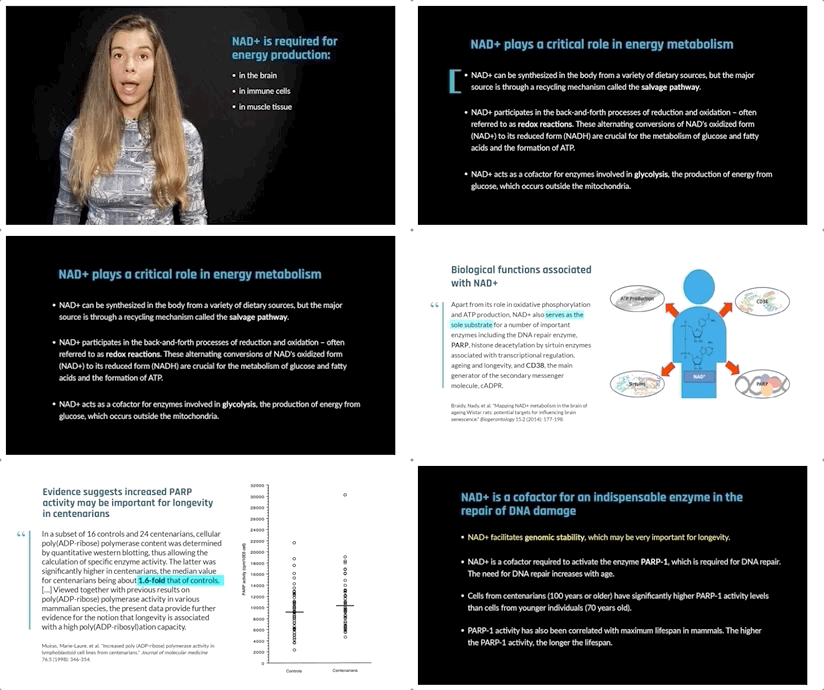
Learn more about the advantages of a premium membership by clicking below.
Hear new content from Rhonda on The Aliquot, our member's only podcast
Listen in on our regularly curated interview segments called "Aliquots" released every week on our premium podcast The Aliquot. Aliquots come in two flavors: features and mashups.
- Hours of deep dive on topics like fasting, sauna, child development surfaced from our enormous collection of members-only Q&A episodes.
- Important conversational highlights from our interviews with extra commentary and value. Short but salient.