Behavior
Episodes
Many of us spend eight or more hours a day sitting. For some people, that is not a choice. It is the...
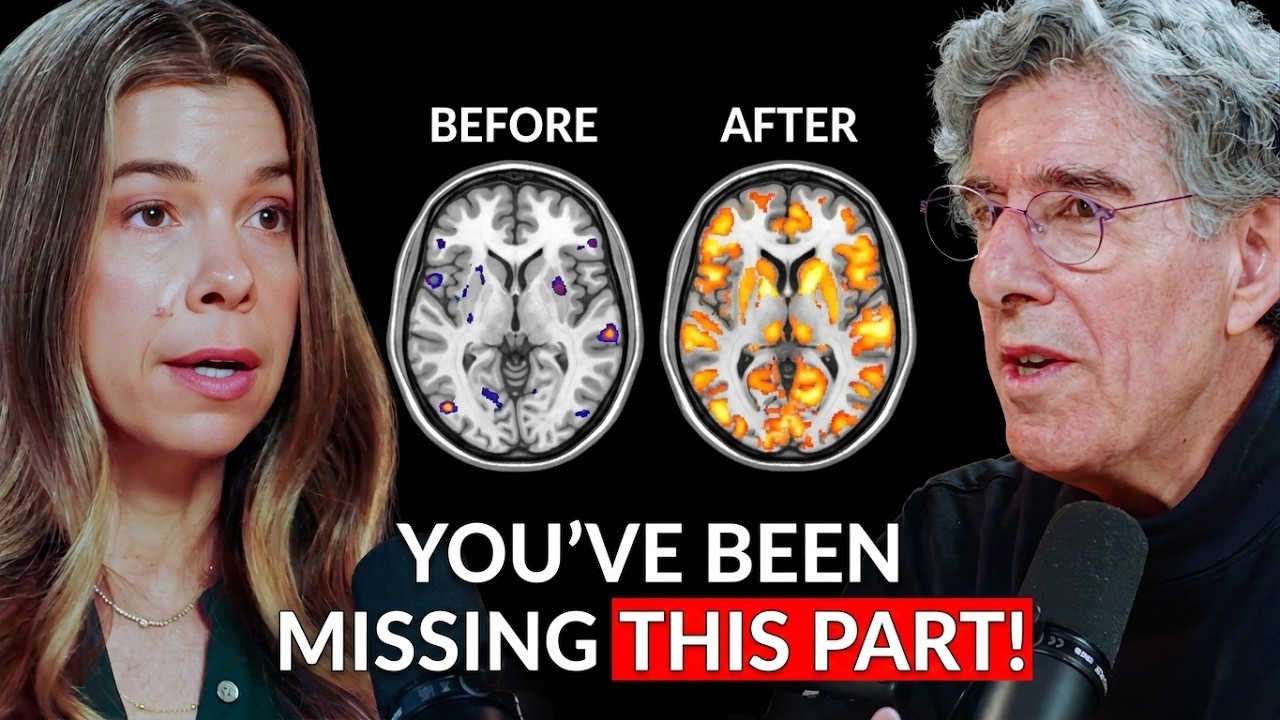
Dr. Richard Davidson describes combining exercise with compassion practice to cultivate generosity and social connection.
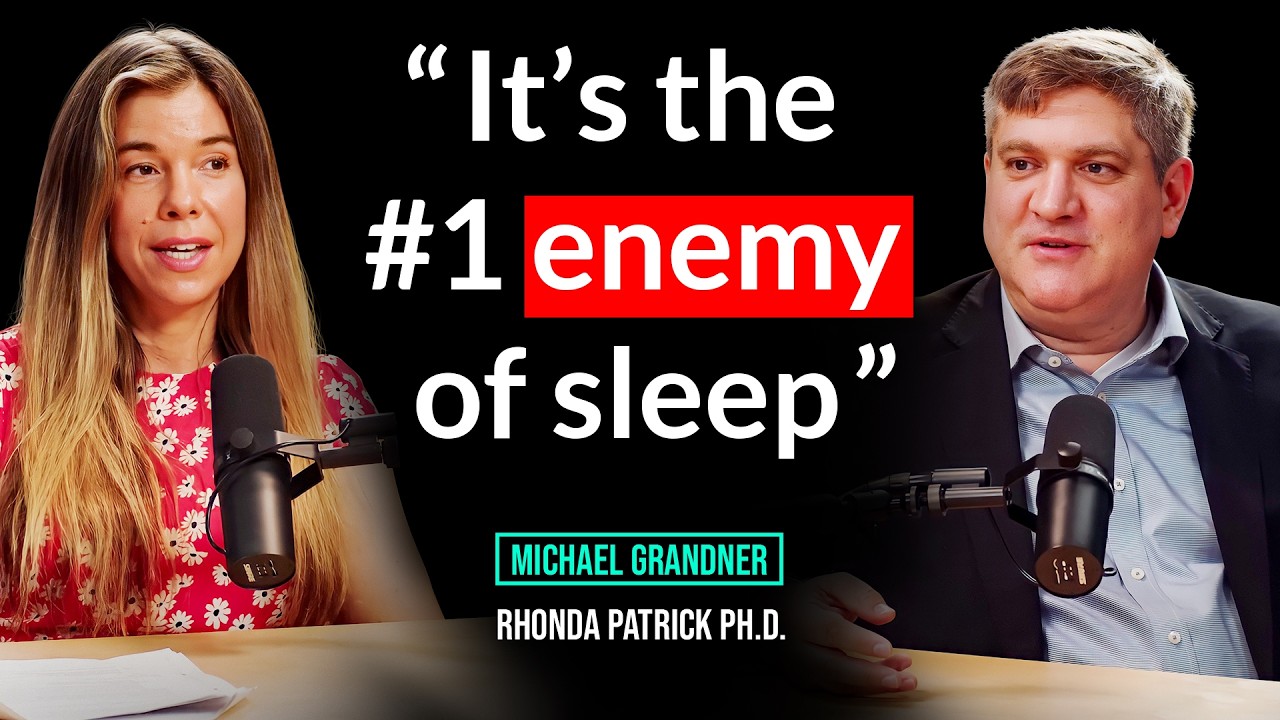
Dr. Michael Grandner explains how stimulus control rebuilds the bed-sleep association and reduces effort-driven wakefulness.
-
Many of us spend eight or more hours a day sitting. For some people, that is not a choice. It is the...
-
Dr. Richard Davidson describes combining exercise with compassion practice to cultivate generosity and social connection.
-
Dr. Michael Grandner explains how stimulus control rebuilds the bed-sleep association and reduces effort-driven wakefulness.
-
Dr. Rhonda Patrick explains how purpose, mortality reflection, and close relationships can clarify what matters most.
-
Dr. Kelly Starrett explains how supported floor transfers train strength, balance, coordination, flexibility, and movement confidence.
-
Exercise Circadian Rhythm Meditation Behavior Mental Health Rhonda Caffeine Protein Creatine CognitionDr. Arthur Brooks shares a five-part morning routine combining exercise, spiritual practice, creatine, caffeine, and protein for deep work.
-
Kelly Starrett explains simple tests for hip flexion and extension, from the sit-and-rise test to the couch stretch.
-
Dr. Rhonda Patrick describes brief vigorous lifestyle activity, including stairs and squats, and reports mortality associations in non-exercisers.
-
Dr. Rhonda Patrick and Dr. Arthur Brooks explore the science of happiness and how to live a more meaningful life.
-
Natural flavors sound harmless—but are they? In this Aliquot, I unpack what "natural" and "artificial" really mean when it comes to ...
-
Dr. Rhonda Patrick and Dr. Layne Norton discuss how a short food log can clarify energy intake, portion size, and a starting point for weight loss.
-
Dr. Andrew Huberman explains how growth mindset and stress reappraisal can help the brain associate effort with progress.
-
Dr. Andrew Huberman and Dr. Rhonda Patrick explain how behavior, diagnosis, and medication can fit together in ADHD care.
-
Dr. Andrew Huberman explains dopamine in movement, effort, digital rewards, stimulants, recovery, and post-event fatigue.
-
Dr. Rhonda Patrick and Dr. Andrew Huberman discuss how visualization, discomfort, and hard exercise can help restart motivation.
-
Dr. Rhonda Patrick and Dr. Andrew Huberman discuss how social media affects reward, attention, anxiety, relationships, and presence.
-
Dr. Martin Gibala explains how brief vigorous activity in daily life relates to mortality and reduced sedentary time.
-
In the clip, Dr. Gibala discusses high-intensity interval training's future, stressing translating research into public health applications.
-
Dr. Rhonda Patrick discusses concerns about early smartphone and tablet access among kids and its effects on mental health later in life.
-
When people exercise as part of a treatment for alcohol abuse disorder it reduces their volume of alcohol consumption. But why? One reason may be FGF21.
-
In this clip, Dr. George Church explains how sleeping and dreaming can inspire scientific ideas and artistic vision.
-
While some research suggests drinking alcohol improves health, an abundance of evidence indicates that drinking alcohol also harms health. Particularly, high...
-
In this clip, Dr. Ashley Mason describes elements of cognitive behavioral therapy for insomnia.
-
In this clip, Dr. Ashley Mason describes how mindfulness, a cognitive behavioral strategy, can help mitigate harmful behaviors like overeating and smoking.
-
Cold-water immersion increases norepinephrine circulation, triggering adaptive effects on metabolism, the brain, and gene expression.
-
Many people suffer from insomnia, which is often driven by change, especially change that affects relationships, employment, or family dynamics. Cognitive be...
-
This episode discusses qualities of the psychedelic experience that most lend psilocybin to be potentially therapeutically beneficial for depression.
-
Overeating – whether it's an occasional practice or a chronic problem – can promote weight gain and a host of other health problems such as type 2 diabetes a...
-
Dr. Ashley Mason on Sauna Use for Depression, Conquering Insomnia, and Mindfully Breaking Bad HabitsDr. Ashley Mason discusses the practice of cognitive behavioral therapy and sauna use in treating depression.
-
Sleep affects aspects of our mental and cognitive health. Not getting enough sleep triggers the onset of a "loneliness phenotype," driving people who are sle...
-
Dr. Satchidananda Panda discusses circadian rhythms, the day-night cycles that drive the multifaceted activities of the human body.
-
Comprehensive overview: Breast milk's nutritional and non-nutritional components, and health benefits for mother and infant through breastfeeding
-
Dr. Matthew Walker describes how sleep deprivation promotes a kind of "viral" loneliness.
-
Cognitive behavioral therapy for insomnia (CBTI) as an alternative to sleeping pills | Matt Walker ClipDr. Matthew Walker discusses the risks of sleeping pills and the benefits of cognitive behavioral therapy for insomnia as an alternative.
-
Sleep Brain Alzheimer's Cancer Obesity Aging Performance Depression Immune System Stress Circadian Rhythm Behavior DementiaDr. Matthew Walker discusses the role of sleep in immunity, creativity, and aging.
-
Dr. Charles Raison discusses the role inflammation plays in the development of depression in response to illness and stress.
-
Sulforaphane Brain Cancer Aging Heart Disease Insulin Resistance Inflammation Depression Behavior Mental Health Autism Mortality NRF2This podcast is about one of the most important biological pathways you could possibly take the time to learn about: the NRF2 pathway.
-
Dr. Patrick's keynote lecture at MBOG Congres 2015 in the Netherlands covers micronutrient inadequacy and Dr. Bruce Ames' triage theory.
Topic Pages
-
Depression
Depression both stems from and perpetuates reduced approach behavior via hypoactive mesolimbic dopaminergic reward circuitry.
-
Sulforaphane
Sulforaphane modulates behavior by activating Nrf2-mediated antioxidant and anti-inflammatory brain pathways that mitigate oxidative stress.
News & Publications
-
Breathing that shifts the body toward a calmer, parasympathetic-linked state might seem likely to make decisions more cautious. In this experiment, it did the opposite.
Forty-one healthy adults, averaging 25 years old, made 50:50 monetary-gamble decisions during fMRI while alternating between their usual paced breathing and the prolonged-exhalation pattern.
- A fixed 2-second inhale with an 8-second exhale modestly increased gamble acceptance because participants became more sensitive to possible gains. Sensitivity to possible losses did not change.
- The pattern slowed breathing by about six breaths per minute and increased respiration-linked heart-rate variability. Skin conductance and pupil size did not change.
- Larger increases in RMSSD, a beat-to-beat heart-rate-variability measure, tracked stronger reward encoding in the ventromedial prefrontal cortex and precuneus. This between-person association cannot show that the cardiac change produced the brain or behavioral effects.
The result was acute and task-specific, and the breathing condition bundled a slower rate, prolonged exhalation, pursed lips, and visual pacing. The study itself describes HRV as a respiration-coupled cardiac fluctuation amplified by prolonged exhalation, so the higher value reflects the breathing pattern itself rather than a general improvement in "vagal health."
Slow breathing may therefore do more than suppress arousal; it may change how the brain weights reward during a decision. That helps explain why a calmer physiological state need not produce more conservative behavior. Learn more about breathing and measured HRV.
Press Release: Slow Breathing Can Influence Brain Activity and Decision Behavior
Study: Slow breathing impacts inter-organ dynamics modulating brain function and risk behavior
-
Patterns of unresolved emotion can quietly shape mood, relationships, and even a person's sense of purpose. In a new study, researchers examined whether people who tend to forgive others more often experience better overall well-being over time.
The study followed 207,919 adults from 23 countries. Participants reported how often they forgave others, and researchers compared those who forgave often or always with those who rarely or never did. They then examined how this tendency related to 56 different outcomes one year later, including mental health, relationships, physical health, behavior, and financial well-being.
- About three-quarters of participants said they often or always forgave others, while roughly one quarter reported doing so rarely or never.
- People who were more forgiving showed slightly higher overall well-being one year later.
- The strongest links appeared in mental, social, and personal character areas, including greater optimism, a stronger sense of purpose, better relationships, and a stronger feeling of belonging.
- More forgiving individuals also reported higher levels of positive personal traits and behaviors, such as gratitude, hope, the ability to delay rewards, and showing care for others.
- Associations with physical health, exercise, and financial or material outcomes were weaker and often close to zero.
These findings can be interpreted in light of psychological theories. One is the stress-and-coping model, which suggests that forgiving others can help reduce ongoing negative feelings like anger, resentment, or the urge to get back at someone. Another is the broaden-and-build theory, which proposes that positive emotions linked to forgiveness can help people think more openly and build emotional and social resources over time.
This study was observational, meaning it cannot determine whether forgiveness leads to better well-being or vice versa. Most measures relied on single survey questions, which may not fully capture complex experiences. In addition, about 38% of participants did not complete the second survey, which could affect the results. Still, the findings suggest that a general tendency to forgive others is linked to better well-being across many areas of life. In episode #110, Dr. Arthur Brooks breaks down the science of happiness, the role of struggle and suffering in a meaningful life, and the habits that make love, purpose, and emotional well-being more durable.
-
Changing everyday health habits plays a major role in long-term health, yet many people struggle to translate intentions into sustained action. In a new study, researchers examined whether people who microdose psychedelics report changes in health behaviors, and which aspects of daily life appear most affected by the practice.
The study analyzed survey data from 365 adults with current or past experience with microdosing psychedelics. Participants answered detailed questions about their dosing routines, health behaviors, and motivations. They also reported the direction of health behavior changes (increase, decrease, or mixed) and described, in their own words, what they believed helped those changes occur. The substances most commonly reported were psilocybin-containing truffles or mushrooms and, less often, lysergic acid diethylamide (LSD).
- Most participants reported at least one health-related habit change they attributed to microdosing, with sleep, contemplative practices, and physical activity appearing most often.
- Sleep stood out as the single most common change, and among those who rated sleep as a major effect, nearly all described sleeping better.
- Many participants reported spending more time on contemplative practices such as meditation or mindfulness, often alongside greater stress management.
- Physical activity changes tended to involve doing more walking or general exercise, although structured sports showed more mixed patterns.
- Among participants who noticed changes in alcohol use, reduced drinking was far more common than increased consumption.
- Statistical analyses showed that people who began microdosing with a clear intention to improve their habits were much more likely to report changes in diet, weight, tobacco use, and physical activity. In contrast, dose size, dosing schedule, supplement combinations, and mental health diagnosis did not reliably predict change.
Participants' explanations point to several psychological factors that may support these shifts. Many described better overall mental well-being, greater psychological flexibility, meaning an improved ability to adapt thoughts and behaviors, and higher self-efficacy, or confidence in following through on goals. They also frequently mentioned clearer thinking, increased self-awareness, and a stronger sense of connection to other people or nature. Taken together, the findings suggest that microdosing may not directly change health behaviors on its own, but could amplify motivation and readiness for change.
The study has important limitations. It relied on self-reported memories, did not include a control group, and cannot determine whether microdosing directly promoted the changes. Still, the results suggest that microdosing may be useful for supporting the adoption of healthier behaviors and lifestyle habits. In this clip, I discuss aspects of the psychedelic experience that make psilocybin potentially therapeutically beneficial for depression.
-
When people struggle with major goals, such as finishing a degree or pursuing a career path, they often reach a moment of deep uncertainty about whether to continue. A new study asked whether the critical ingredient in these moments is not doubt itself, but the degree of trust people place in their doubts.
The researchers ran two experiments, each focused on a personally important long-term goal. First, all participants completed a short questionnaire measuring how conflicted they felt about their goal, a state psychologists call an action crisis, meaning they were weighing whether to persist or give up. Next, the researchers introduced a brief task designed to influence how much participants trusted their own thoughts. In one experiment, adults recruited online wrote about a time when they had felt confident or doubtful in their thinking. In the other, college students completed the questionnaire using either their dominant or non-dominant hand, a method known to make people feel more or less certain about their answers. Here, participants were also asked how sure they felt about the answers they had just given, allowing the researchers to directly check that the task changed thought certainty. Finally, all participants rated how committed they felt to achieving their goal.
- When a task was used to increase trust in participants' own thoughts, stronger goal-related doubt predicted lower commitment to the goal.
- When a task was used to make participants less certain about their thoughts, doubts no longer predicted lower commitment.
- This same pattern appeared in both experiments, even though different methods were used to influence thought certainty.
- Writing with the non-dominant hand made participants feel much less sure about their answers, and when they felt less sure, doubts no longer predicted lower commitment to their goal.
The findings suggest that doubts do not automatically undermine commitment. Instead, their impact depends on whether people treat those doubts as signals they should rely on. When people strongly trust their doubts, commitment tends to drop. When they pause and question the validity of those doubts, the doubts lose their discouraging effect and may even coincide with renewed commitment.
The study relied on short experimental tasks and self-reported commitment, so it cannot determine how long these effects last or how they play out in real-life decisions. Still, the research suggests that during moments of uncertainty, learning to evaluate doubts rather than immediately accepting them may help people stay engaged with goals that matter and identify when a goal is unrealistic or even harmful to pursue. In this clip, Dr. Andrew Huberman discusses using negative visualization, discomfort, and cold exposure to overcome procrastination and boost motivation.
-
A recent pilot study found that sexual activity—either with a partner or through solo masturbation—reliably improved objective measures of sleep, such as sleep efficiency and time spent awake during the night. While participants did not subjectively report better sleep after orgasm, objective monitoring demonstrated that these bedtime encounters led to modest yet consistent enhancements in how well they slept.
- Sleep efficiency improved from roughly 91.5% on nights without sexual activity to about 93% when orgasm occurred.
- Participants spent about 7 fewer minutes awake during the night following sex (solo or partnered).
- Motivation and readiness for the day rose by 8–11 points (on a 100-point scale) after partnered sex.
- Couples displayed greater synchronization of REM sleep when co-sleeping, even in the absence of sexual activity.
- Hormonal shifts from orgasm, including increased oxytocin and prolactin and reduced cortisol, may drive these improvements.
Despite its small sample size and limited participant diversity, the study highlights how sexual activity might offer a natural, non-pharmaceutical intervention to subtly enhance sleep quality in healthy adults. Further research with larger, more varied populations is underway to determine whether this effect could benefit those experiencing chronic sleep difficulties.
-
Micronutrient supplement improves emotional regulation in children—a promising non-stimulant alternative to conventional psychological treatments. journals.plos.org
Children who struggle to regulate their emotions often experience difficulties with irritability, frustration, and intense anger. This lack of control can lead to challenges in relationships, academic performance, and overall mental health. A recent study found that micronutrient supplements absorbed in the mouth may offer a safe and effective way to improve emotion regulation in children.
Researchers conducted a three-phase study involving 48 children with moderate to severe irritability. They assigned the children to two groups: one that began taking a micronutrient powder immediately and one that waited four weeks. The powder provided 36 vitamins, minerals, and amino acids, came in various flavors, and was specifically formulated for oral absorption. Over the next five months, both groups alternated between taking the supplements and taking breaks, concluding with three months of continuous supplementation. The researchers measured changes in the children’s emotional and behavioral symptoms.
Children in the immediate treatment group experienced considerable reductions in irritability, with 67% categorized as “much” or “very much” better versus only 8% in the waitlist group. These benefits extended to symptoms of attention-deficit/hyperactivity disorder (ADHD) and oppositional defiant disorder. Notably, improvements in mood and behavior diminished when children stopped taking the supplements but returned upon resuming treatment. Side effects were rare, with mild headaches and sweating reported slightly more often in the waitlist group.
These findings suggest that supplemental micronutrients absorbed through the mouth may be a promising option for managing emotional dysregulation in children. By offering a safe and non-stimulant alternative, this approach could help address the needs of children who do not respond well to conventional ADHD drugs. Listen as Dr. Andrew Huberman describes how behavioral tools and supplements may replace ADHD medications.
-
Nearly half of all cancer deaths could be prevented with lifestyle changes. acsjournals.onlinelibrary.wiley.com
The choices people make in their daily lives—such as whether to smoke, what to eat, and how active they are—can have a profound effect on their cancer risk. These behaviors are not just habits; they are powerful determinants of health. A recent study found that nearly half of cancer deaths among adults in the U.S. are linked to modifiable lifestyle factors.
The researchers used national data to estimate cancer cases and deaths for 30 types of cancer. They examined the effects of modifiable risk factors such as smoking, obesity, alcohol consumption, diet, physical inactivity, and ultraviolet light exposure on cancer risk.
They found that 40% of cancer cases and 44% of cancer deaths were linked to modifiable risk factors. Smoking was the leading contributor, accounting for nearly 20% of cases and more than 28% of deaths. Other major risk factors included excess body weight and alcohol use, accounting for more than half of the cases and deaths for 19 out of 30 cancer types.
These findings suggest that people can reduce their risk of developing cancer by making informed lifestyle choices. Exercise is a powerful lifestyle tool in cancer prevention and survival. During exercise, increased blood flow subjects circulating cancer cells to powerful forces, causing them to self-destruct. Learn more in this clip featuring Dr. Rhonda Patrick.
-
Humans have the most complex facial muscles of any animal, allowing for a wide range of diverse facial expressions. A recent study found that dynamic facial expressions during social interactions affect how others perceive us and determine our success in these interactions.
Researchers conducted video calls with 52 participants to record their natural reactions and expressions during various scenarios. More than 170 people then rated these videos to assess the participants' readability and likeability. The researchers then analyzed unscripted video conversations between more than 1,400 strangers, comparing likeability ratings with Facial Action Coding Scheme measures.
They found that participants exhibited considerable variation in facial expressivity but varied little across different contexts, social partners, or over time. Participants who were more facially expressive were generally more well-liked, found to be more pleasant, and were more successful in negotiations, especially if they were also agreeable. The participants' abilities to convey emotions through facial expressions and the readability of these expressions were both linked to likability.
These findings suggest that being expressive with facial expressions provides social advantages, as people who show more facial expressiveness tend to be better liked and are seen as more agreeable and competent. Interestingly, other research has shown that Botox injections, which inhibit facial expressions, may impair a person’s interpretation of facial expressions. When people who had Botox injections viewed emotional facial expressions, they exhibited altered activity in their amygdala—an area of the brain involved in processing fearful and threatening stimuli.
-
Just two hours of daily screen time lowers psychological well-being and increases negative behaviors in preschool children. www.google.de
Technology enriches our lives, enhancing communication, improving healthcare, and providing access to vast amounts of information. However, the amount of time we spend on the devices that deliver that technology may be harmful, especially for young children. A recent study found that two hours or more of daily screen time among preschoolers lowers psychological well-being.
Researchers analyzed data from the 2018-2021 National Survey of Children’s Health, focusing on children aged six months to five years. Primary caregivers reported the children’s daily screen time and provided information about their flourishing and externalizing behaviors – indicators of psychological health.
They found that over the four-year study period, 50.9 percent of the children had high screen time, defined as one or more hour daily for children aged six months to one year and two or more hours daily for children aged two to five years. The percentage of children with high screen time increased to 55.3 percent during the pandemic in 2020 and was even higher among children living in poverty (60.9 percent). More than two hours of daily screen time was linked to less flourishing and more externalizing behaviors for children aged three to five years.
Flourishing refers to the presence of positive emotions, relationships, and adaptive functioning. It plays a crucial role in reducing the risk of antisocial behaviors later in life. Externalizing behaviors, such as hyperactivity and aggression, reflect maladjustment to the external environment. They can hinder learning and relationships and may lead to juvenile delinquency and adult violence.
These findings suggest that excessive screen time may harm psychological well-being in preschool-aged children. Parents and caregivers should be mindful of screen time limits to promote better mental health outcomes for young children. Learn more about the effects of screen time on children and teens in this short video featuring Dr. Rhonda Patrick.
-
Omega-3s can reduce aggressive behavior in children and adults by up to 28 percent. www.sciencedirect.com
Aggressive behaviors, such as hitting, yelling, or threatening, can cause physical or emotional harm to others. Research indicates that poor nutrition may contribute to these behaviors, suggesting that dietary interventions could be helpful strategies for reducing them. A recent review and meta-analysis found that omega-3s can reduce aggressive behaviors by as much as 28 percent in children and adults.
Researchers analyzed the findings of 29 randomized controlled trials investigating the effects of omega-3s on behavior. The trials included more than 3,900 participants and involved children and adults of varying ages.
Their analysis revealed that omega-3s exerted a short-term effect on behavior, with reductions ranging from 16 to 28 percent, regardless of age, gender, baseline diagnosis, treatment duration, or dose. Interestingly, omega-3s reduced reactive aggression (impulsive behavior in response to a perceived threat) and proactive aggression (premeditated to achieve a specific goal).
These findings suggest that omega-3s positively influence behavior in children and adults and offer a potential strategy for moderating behavior problems in multiple settings, including the community, prisons, and clinics.
Omega-3 fatty acids are essential for normal brain function, contributing to cell membrane structure, nerve growth, neurotransmitter regulation, and reducing inflammation. Learn more about omega-3s in our comprehensive overview article.
-
The immune system, recognized for its role in depression, now understood to shape allergen avoidance behavior. www.sciencedaily.com
The immune system plays a critical role in protecting human health. However, a recent study in mice shows that the immune system may influence behavior, too. Mice exposed to allergens – substances that trigger allergies – avoided those substances.
Researchers studied two groups of mice: one that was predisposed to egg allergy and one that was not. They exposed the two groups to water that contained ovalbumin, a protein in eggs that triggers allergic reactions.
They found that regions of the predisposed animals' brains that respond to unpleasant stimuli became active when they ingested allergens, causing them to avoid the ovalbumin-containing water. The mechanisms driving this behavior involved activation of IgE antibodies and mast cells (essential immune system components), which, in turn, triggered the activity of key immune-related molecules – cysteinyl leukotrienes and growth and differentiation factor-15 (GDF-15). Interestingly, the animals' avoidance behavior occurred before allergy-associated gut inflammation manifested.
Cysteinyl leukotrienes are pro-inflammatory lipid mediators produced by various immune cells, including mast cells, eosinophils, basophils, and macrophages. GDF-15 is a cytokine that increases in response to stress, infection, and inflammation. It increases in aging, suppressing immune responses.
These findings suggest that the immune system can shape behavior in response to allergens in mice, potentially protecting against harmful exposures. The immune system also influences behavior by inducing depressive symptoms during periods of acute or, alternatively, chronic inflammation. Learn more in this clip featuring Dr. Charles Raison.
-
Oral contraceptives influence how women process stress, disrupting the typical hormonal adjustment seen during social interactions. www.sciencedaily.com
Oral contraceptives are widely known for their role in preventing pregnancy, but evidence suggests they also influence the body’s stress response. A recent study shows that women who took oral contraceptives had lower levels of adrenocorticotropic hormone (ACTH), a component of the hypothalamic-pituitary-adrenal axis typically produced in response to stress.
Researchers measured blood ACTH levels in 131 young women before and after the women participated in group activities designed to promote social bonding and reduce stress. The participants completed questionnaires about their moods before and after the activities.
They found that ACTH levels decreased among women not using contraceptives during the stress-buffering group activities, but this effect varied depending on their menstrual cycle phase. However, women using oral contraceptives did not experience the same decrease in ACTH levels during the group activities, regardless of their menstrual cycle phase.
These findings suggest that oral contraceptives not only affect the reproductive system but also influence the body’s response to stress. Learn about other effects of oral contraceptives in this clip from a live Q&A with Dr. Rhonda Patrick.
-
Although vitamin D is best known for its role in bone health, this fat-soluble vitamin participates in many physiological processes, such as blood pressure regulation, immune function, and cell growth. Now, new research shows that vitamin D also supports neurodevelopment. Young children who received supplemental vitamin D were less likely to have neurobehavioral problems later in childhood than those who didn’t.
Researchers gave 346 infants either low-dose (400 IU) or high-dose (1,200 IU) vitamin D daily from two weeks to two years of age. Then, when the children were between six and eight years old, their parents completed questionnaires regarding their children’s behavior, particularly internalizing behaviors, such as depression, anxiety, and withdrawal. They also collected information about the mothers' prenatal vitamin D status.
They found that nearly 12 percent of the children on low-dose vitamin D exhibited internalizing behaviors between the ages of six and eight. However, fewer than 6 percent of those on the high-dose vitamin D exhibited internalizing behaviors, even after considering other factors that influence behavior, such as sex, maternal depression, and living in a single-parent household. Notably, 48 children in the low-dose group whose mothers had low prenatal vitamin D levels exhibited more internalizing behaviors than those in the high-dose group, suggesting that vitamin D supplementation in early childhood compensated for low prenatal exposure.
These findings highlight yet another role of vitamin D in human health. Learn more about vitamin D in our overview article.
-
Pubertal activation of estrogen receptor α in the medial amygdala is essential for the full expression of male social behavior in mice. (2016) www.sciencedaily.com
From the article:
Behavioral responses to sexually receptive females such as mounting, and toward intruder males such as biting and attacks, were recorded in adult mice. The reduction of both sexual and aggressive behavior by ERα [estrogen receptor alpha] silencing in the MeA [medial amygdala] before puberty but not in adults suggests the importance of the receptor in this location during puberty. “ERα knockdown in the MeA may even have affected the onset of puberty itself,” first author Dr. Kazuhiro Sano says. “This contrasts with the silencing of ERα in the MPOA [medial preoptic area], which reduced sexual but not aggressive behavior in mice, regardless of the time of knockdown treatment.” These findings suggest that ERα gene expression in the MPOA does not control male aggression through either the organizational role of testosterone at puberty, or its regulatory role in adulthood.
To understand why ERα silencing in different areas of the brain had varying effects, the team examined MeA cells. They found that neuronal cells were greatly reduced in MeA in which ERα expression had been inhibited before puberty. “ERα in the MeA seems to be necessary for testosterone to masculinize the neural circuitry for social behavior during puberty,” corresponding author Dr. Sonoko Ogawa explains. “If this masculinization is incomplete, social signals that enable adults to express male social behavior may not function correctly.”
-
Estrogen may fuel need for power and control in women. (2008) www.sciencedaily.com
From the article:
“However, estrogen is very behaviorally potent and is actually a close hormonal relative to testosterone. In female mammals, estrogen has been tied to dominance, but there has been scant research examining the behavioral roles of estrogen in women.”
[…]
Schultheiss and Stanton measured women’s power needs and then assessed salivary estrogen levels both before and after they entered a one-on-one dominance contest.
The researchers found that even before women got involved in the contest, higher power motivation was associated with higher levels of estrogen.
Winners of the contest showed even further increases in estrogen after the contest, but only if they had a strong need for power. Notably, this increase could still be detected one day after the contest was over.
In contrast, power-motivated losers showed a post-contest decrease in estrogen. These effects were not observed among women who did not possess a strong need for power.
-
Quality of life in older hypogonadal men may be positively influenced by testosterone substitution. (2020) onlinelibrary.wiley.com
From the publication:
Testosterone plays a pivotal role in maintaining balance within the multi-dimensional psychological network of mood, behaviour, self-perception and perceived quality of life in men of any age. Apart from classical forms of hypogonadism, low testosterone concentrations can also be seen in older men, described as an age- and comorbidity-driven functional hypogonadism and might relate to depressive symptoms exhibiting a wide array of clinical pictures ranging from dysthymia and fatigue over inertia, listlessness to hopelessness and suicidal thoughts. Also, various traits of anxiety, from unfocussed fear to phobic anxiousness and open panic syndromes, are influenced by testosterone. Correspondingly, anxiolysis is likely to be modulated by testosterone via stress resilience, threat vigilance and reward processing. The steroid modulates pro-active and re-active dimensions of aggression, which has to be seen within the context of gaining or maintaining status. This may also include other strategies impacting the social position: heroic or parochial altruism and non-aggressive paths of assertiveness, such as posture and social vigilance. Independent rather than relationship-associated self-construal and self-esteem influence risk-taking traits under the modulation of testosterone. In addition, the genetic setting of the androgen receptor modulates the role of testosterone in aspects regarding mood and personality. Dimensions of sexuality are rather important in this context, but are not target of this article and covered in another part of this special edition. Overall, the quality of life in older hypogonadal men can be positively influenced by testosterone substitution, as has been demonstrated in large placebo-controlled trials.
-
Testosterone is positively but weakly related to aggression, with no strong evidence of a causal relationship, meta-analysis suggests. (2020) www.sciencedirect.com
From the publication:
Testosterone is often considered a critical regulator of aggressive behaviour. There is castration/replacement evidence that testosterone indeed drives aggression in some species, but causal evidence in humans is generally lacking and/or—for the few studies that have pharmacologically manipulated testosterone concentrations—inconsistent. More often researchers have examined differences in baseline testosterone concentrations between groups known to differ in aggressiveness (e.g., violent vs non-violent criminals) or within a given sample using a correlational approach. Nevertheless, testosterone is not static but instead fluctuates in response to cues of challenge in the environment, and these challenge-induced fluctuations may more strongly regulate situation-specific aggressive behaviour. Here, we quantitatively summarize literature from all three approaches (baseline, change, and manipulation), providing the most comprehensive meta-analysis of these testosterone-aggression associations/effects in humans to date. Baseline testosterone shared a weak but significant association with aggression, an effect that was stronger and significant in men, but not women. Changes in T were positively correlated with aggression, an effect that was also stronger and significant in men, but not women. The causal effects of testosterone on human aggression were weaker yet, and not statistically significant.
-
Testosterone administration impaired cognitive empathy in women. (2011) www.sciencedaily.com
From the article:
The new study has several important implications. First, that current levels of testosterone directly affect the ability to read someone else’s mind. This may help explain why on average women perform better on such tests than men, since men on average produce more testosterone than women.
Second, that the digit ratio (2D:4D), a marker of fetal testosterone, predicts the extent to which later testosterone has this effect. This suggests testosterone levels in the womb have an ‘organizing’ or long-range effect on later brain function. Finally, given that people with autism have difficulties in mind reading, and that autism affects males more often than females, the study provides further support for the androgen theory of autism.
From the publication:
Fetal testosterone is associated with a fixed somatic marker that can be indexed after birth: the length ratio of the right hand’s second (i.e., index) to fourth (i.e., ring) finger (2D:4D ratio). Males on average have a significantly lower 2D:4D ratio on their right hand and fetal testosterone is thought to underlie this sex difference, including its variability within the sexes. The reliability of 2D:4D ratio as a marker of fetal testosterone is substantiated by a large amount of correlational evidence in animals and humans. Moreover, meta-analytic data show that 2D:4D ratio is unaffected by later testosterone fluctuations or circulating levels of testosterone in adulthood. The ratio is therefore considered a useful, noninvasive marker of fetal testosterone.
-
Men with higher testosterone levels invested more money during a risky investment game. (2008) www.sciencedaily.com
From the article:
In the study, saliva samples were taken from 98 males, ages 18 to 23, who were mostly Harvard students. The samples were taken before participation in the investment game, so the researchers were certain that testosterone levels were not elevated as a result of the game. The researchers also assessed facial masculinity, associated with testosterone levels at puberty.
All of the participants were given $250, and were asked to choose an amount between $0 and $250 to invest. The participants kept the money that was not invested. A coin toss determined the investment’s outcome, and if the participant lost the coin toss, the money allocated to the investment was lost. However, if the coin toss was won, the participant would receive two and a half times the amount of their investment. At the end of the study, one person was selected by lottery to receive the cash amount of their investment, which created a monetary incentive for the participants.
The researchers found that a man whose testosterone levels were more than one standard deviation above the mean invested 12 percent more than the average man into the risky investment. A man with a facial masculinity score of one standard deviation higher than the mean invested 6 percent more than the average man.
-
Testosterone may promote generosity in the absence of competition. (2013) www.sciencedaily.com
From the article:
To test this hypothesis, the researchers had 54 female volunteers ingest a liquid solution several hours before participating in an investing game – some volunteers received a placebo solution, while others received a solution with added testosterone.
In the investing game, participants were given €20 (about $27 USD) and were instructed that they could keep the amount they wanted and invest whatever remained with a trustee (another participant). The invested portion would be tripled and split by the trustee, who would keep whatever portion she wanted and return the rest to the investor.
If participants were completely trusting, they could invest all €20 and hope that the trustee would split the final €60 equally. If they wanted to play it safe, they could keep the €20 for themselves.
Each participant took turns playing both investor and trustee. When they were the trustee, they were always given €60, indicating that the investor had entrusted them with the task of splitting up the whole sum.
As investors, participants who received testosterone were, on average, stingier – they placed less trust in the trustee and kept more of their initial money. Participants who received the placebo, on the other hand, were more trusting investors, choosing to invest about €3.20 more than those who received testosterone.
Just as the researchers predicted, testosterone seemed to promote antisocial behavior in response to a potential threat – in this case, a threat to financial resources.
But the opposite effect emerged when participants played the role of trustee. In this case, participants given testosterone chose to give more money back to the investor than participants who had been given a placebo. The results suggest that the trustees felt a responsibility to repay the trust that the investor ostensibly placed in them.
“While we expected the decrease in trust found in the first scenario, the increase in reciprocity was surprisingly strong and robust,” Boksem notes. “Testosterone had a more pronounced effect on prosocial behavior than on antisocial behavior.”
-
Single dose of testosterone significantly increased fair negotiation behavior in women. (2009) www.sciencedaily.com
From the publication:
For the study, published in the journal Nature, some 120 test subjects took part in a behavioral experiment where the distribution of a real amount of money was decided. The rules allowed both fair and unfair offers. The negotiating partner could subsequently accept or decline the offer. The fairer the offer, the less probable a refusal by the negotiating partner. If no agreement was reached, neither party earned anything.
[…]
Fairer with testosterone
The study’s results, however, contradict this view sharply. Test subjects with an artificially enhanced testosterone level generally made better, fairer offers than those who received placebos, thus reducing the risk of a rejection of their offer to a minimum. “The preconception that testosterone only causes aggressive or egoistic behavior in humans is thus clearly refuted,” sums up Eisenegger. Instead, the findings suggest that the hormone increases the sensitivity for status. For animal species with relatively simple social systems, an increased awareness for status may express itself in aggressiveness. “In the socially complex human environment, pro-social behavior secures status, and not aggression,” surmises study co-author Michael Naef from Royal Holloway London. “The interplay between testosterone and the socially differentiated environment of humans, and not testosterone itself, probably causes fair or aggressive behavior.”
Moreover the study shows that the popular wisdom that the hormone causes aggression is apparently deeply entrenched: those test subjects who believed they had received the testosterone compound and not the placebo stood out with their conspicuously unfair offers. It is possible that these persons exploited the popular wisdom to legitimate their unfair actions. Economist Michael Naef states: “It appears that it is not testosterone itself that induces aggressiveness, but rather the myth surrounding the hormone.”
-
Testosterone may increase honesty in men. (2012) www.sciencedaily.com
From the publication:
This was followed by the behavioral experiments. The test subjects played a simple game of dice in separate booths. The higher their scores, the higher the amounts of money they received as a reward. “These experiments were designed such that the test subjects were able to lie,” reports Prof. Weber. “Due to the separate booths, nobody knew whether they were entering their real scores into the computer, or higher ones in order to get more money.” However, the scientists were able to determine later whether the various test subjects had cheated or not. “Statistically, the probability for all numbers on the dice to occur is identical,” explains the neuroscientist. “So, if there are outliers in the higher numbers, this is a clear indication that subjects have been cheating.”
Test subjects with higher testosterone levels lied less
The researchers compared the results from the testosterone group to those from the control group. “This showed that the test subjects with the higher testosterone levels had clearly lied less frequently than untreated test subjects,” reports the economist Prof. Dr. Armin Falk, who is one of the CENS co-directors with Prof. Weber. “This result clearly contradicts the one-dimensional approach that testosterone results in anti-social behavior.” He added that it is likely that the hormone increases pride and the need to develop a positive self-image. “Against this background, a few euros are obviously not a sufficient incentive to jeopardize one’s feeling of self-worth,” Prof. Falk reckons.
-
Testosterone rapidly potentiates the response of neural circuits mediating threat processing and aggressive behavior in men. (2014) www.sciencedaily.com
From the article:
The researchers recruited 16 healthy young male volunteers, who completed two test days on which they received either testosterone or placebo. On both testing days, the men first received a drug that suppressed their testosterone. This step ensured that testosterone levels were similar among all study participants. The amount of testosterone administered in this study only returned testosterone levels to the normal range. Subjects then completed a face-matching task while undergoing a functional magnetic resonance imaging scan.
Data analyses revealed that, compared with placebo, testosterone increased reactivity of the amygdala, hypothalamus and periaqueductal grey when viewing angry facial expressions.
“We were able to show for the first time that increasing levels of testosterone within the normal physiological range can have a profound effect on brain circuits that are involved in threat-processing and human aggression,” said Carré, Assistant Professor at Nipissing University.
-
Aging men with multiple sources of emotional social support often have lower testosterone levels, which may confer social benefits. (2015) www.sciencedaily.com
From the article:
“Compared to other U.S. men, fathers and married men often have lower testosterone,” Gettler said. “We think this helps them be more nurturing. We are the first to show that this also occurs with other social relationships. Our results show that when older men have emotionally supportive relationships with their siblings, friends, neighbors and coworkers, they also have lower testosterone.”
According to Gettler, “We know that men and women with social support have much better health, overall, while testosterone affects risks for depression, cardiovascular disease, obesity and some cancers. We hope our findings, connecting these two areas, help stimulate new conversations about social support, biology and well-being.
“Most of us have probably seen the TV commercials promoting testosterone as a remedy for symptoms of aging or ‘manopause.’ Our findings suggest that the social side effects of these testosterone supplements in older men should be carefully studied. While testosterone does go down with age, the potential social benefits that can accompany lower testosterone suggest it is not all doom and gloom.”
-
Testosterone may facilitate social approach by specifically activating the amygdalae if social approach is desired (2015) www.sciencedaily.com
From the article:
In a double-blind, placebo-controlled study, 54 young healthy women were given 0.5 mg of testosterone (or a placebo) four hours before a brain scan. This dosage is much lower than, for example, that used for a sex change treatment, or as a supplement for sportspeople, but it is sufficient to have a measurable effect on brain activity.
[…]
It seems that testosterone facilitates social approach by specifically activating the amygdalae only if social approach is desired. This is interesting for two reasons. It explains previous research that showed that testosterone makes approaching a social threat easier. Even more important, it shows that the amygdalae are not necessarily linked to dealing with emotions, but rather to motivation. Many studies forget to look at motivation. We are the first to demonstrate that the impact of testosterone on amygdala response depends on the motivational context."
Also in cases of social anxiety?
“We’re now going to repeat this study in people with social anxieties. We have already discovered that these people have lower testosterone levels. We are going consider how we can apply these results with testosterone to improving the treatment for anxiety disorders.”
-
Testosterone may directly impact financial decisions that drive prices up and destabilize markets. (2017) www.sciencedaily.com
From the article:
The study used experimental stock markets with some 140 male participants (called traders) taking part. Cohorts of traders were given testosterone or placebo gel prior to their trading sessions. In total, the experiment consisted of 17 sessions that allowed traders to buy, sell, bid, and offer money for shares of stock, similar to a simplified professional trading platform. Each session had three rounds of 12 trading periods where traders competed to make money against each other.
The results showed the causal effects of testosterone on financial asset mispricing. By administering testosterone to traders before they trade financial assets for real money, testosterone directly increases the size and persistence of stock market bubbles. Testosterone drove these changes in market dynamics by increasing bidding, selling prices, and volume and changed traders' perception of a stock’s current value even though true values were known during trading.
-
Study casts serious doubts on the proposal that testosterone causally impairs cognitive empathy. (2019) www.sciencedaily.com
From the article:
To obtain more rigorous data on the connection, Nave, Nadler, and their colleagues conducted two randomized controlled studies in which 643 healthy men received an application of testosterone gel or a placebo and completed questionnaires and behavioral tasks that measured cognitive empathy. Participants were then shown a photo of an actor’s eyes and asked to select the emotional state that best described their expression. All participants also had their 2D:4D ratio [ratio of the length of the participant’s second finger to their fourth finger; proxy for sensitivity to testosterone] measured.
While the testosterone gel did increase participants' levels of the hormone, the researchers found no evidence that testosterone administration affected performance on tests of cognitive empathy [capacity to read the emotions of others]. They also found no relationship between participants' performance on the tests and their 2D:4D ratio.
“The results are plain,” says Nave. “However, it’s important to note that the absence of evidence is not evidence of absence. We found that there is no evidence to support this effect of testosterone, but that doesn’t rule out any possible effects. From what we know, though, it seems that if testosterone does have an influence, the effect is complex, not linear. Reality is typically not that simple.”
-
A single dose of testosterone increased men's preference for higher status goods. (2018) www.sciencedaily.com
From the article:
The current study was double-blinded and randomized and used a larger sample size than earlier efforts, 243 men ages 18-55. Each participant received a gel to apply to his upper body; some gels contained testosterone and others a placebo.
In one task, participants were shown two logos of apparel brands selected to match their perceived quality but differ in status, for example, higher-status Calvin Klein versus lower-status Levis. Those who received a dose of testosterone were significantly more likely to prefer the higher-status brands.
The second task presented participants with descriptions of certain goods, such as watches, coffeemakers, and sunglasses, as either power-enhancing, status-enhancing or high-quality and asked about their attitudes toward the products. Here, too, men who received a testosterone boost were more likely to express positive feelings about the items described as status-enhancing, though there was no difference between the groups when the goods were described as power-enhancing.
“We were trying to disentangle power from status,” Nave says. “Typically in the animal kingdom they go together, but you can think of examples in human society where they don’t. For example, a border patrol agent has a lot of power but not status. And a famous climate scientist may have a lot of status but little power.”
Nave notes that testosterone naturally rises in men in certain contexts, such as during and after sporting events, or subsequent to major life events like a graduation or divorce. Marketers could take advantage of these oscillations to tailor their marketing strategies to these individuals.
-
Testosterone administration may impair cognitive reflection and decision-making in men. (2017) www.sciencedaily.com
From the article:
The study, which is one of the largest of its type ever conducted, included 243 males who were randomly selected to receive a dose of testosterone gel or placebo gel before taking a cognitive reflection test. A math task was also given to control for participant engagement, motivation level, and basic math skills.
The questions included on the cognitive reflection test are exemplified by the following: A bat and a ball cost $1.10 in total. The bat costs $1 more than the ball. How much does the ball cost?
[…]
The results show that the group that received testosterone scored significantly lower than the group that received the placebo, on average answering 20 percent fewer questions correctly. The testosterone group also “gave incorrect answers more quickly, and correct answers more slowly than the placebo group,” the authors write. The same effect was not seen in the results of the basic math tests administered to both groups. The results “demonstrate a clear and robust causal effect of [testosterone] on human cognition and decision-making,” they conclude.
The researchers believe that the phenomenon they’ve observed can be linked to testosterone’s effect of increasing confidence in humans. Testosterone is thought to generally enhance the male drive for social status, and recent studies have shown that confidence enhances status.
“We think it works through confidence enhancement. If you’re more confident, you’ll feel like you’re right and will not have enough self-doubt to correct mistakes,” Camerer says.
-
Exogenous testosterone may increase sensitivity to moral norms in moral dilemma judgements. (2019) www.sciencedaily.com
From the article:
Instead of the trolley problem itself, the researchers used 24 dilemmas associated with real-life events to simulate a situation that pits utilitarian decisions, which focus on the greater good (saving a large group of people) against deontological decisions, which focus on moral norms (avoiding action that would harm someone).
[…]
Unlike previous studies where heightened testosterone was linked to utilitarian judgments, the researchers were surprised to find that those who received testosterone supplements were less likely to act for the greater good, and instead became more sensitive to moral norms. However, participants with high levels of naturally occurring testosterone showed the opposite, making judgments that were less sensitive to moral norms.
The study’s authors think naturally occurring testosterone may be associated with certain moral judgments because people with particular personality traits tend to have different levels of testosterone. For example, people with high levels of psychopathy tend to have high levels of naturally occurring testosterone and exhibit lower sensitivity to moral norms. But this does not mean that testosterone is the cause of psychopaths' insensitivity to moral norms. If anything, testosterone seems to have the opposite effect, increasing people’s sensitivity to moral norms, as found in the current study.
-
Men who believed they had won a sporting competition received an average testosterone increase of 4.92%. (2018) www.sciencedaily.com
From the article:
The study used a simple proxy for social and sexual competition by pitting athletic young men against each other to see who was the most powerful rower.
[…]
The men who believed they had won received an average testosterone increase of 4.92%, while those convinced they had lost dropped by an average of 7.24%. Overall, men who thought they were winners had testosterone levels 14.46% higher their deflated opponents.
[…]
The men who thought they had lost showed no difference in their perceived value as a mate or confidence approaching women. However, the men who felt like winners had a ‘self-perceived mate value’ that was 6.53% higher, on average, than their rivals, and were 11.29% more likely to approach attractive women in an effort to instigate sexual relations.
“The endocrine system that controls hormones is responsive to situational changes. Previous research has shown that testosterone is lower when men are in a committed relationship, or have children, to promote long-term mating strategies,” said Longman.
“Our results show that both testosterone and its corresponding psychological effects can fluctuate quickly and opportunistically, shifting towards short-term mating in response to a perceived change in status that may increase mating value.”
-
Children who experience TBI are at greater risk for emotional and behavioral problems. www.sciencedaily.com
Approximately 812,000 children living in the United States experience a traumatic brain injury (TBI) – a disruption in normal brain function caused by an external mechanical force – each year. TBI is a serious injury, eliciting both acute and chronic damage to the brain. Findings from a recent study suggest that children who experience a TBI, even a mild one, are more likely to experience emotional and behavioral problems.
The study involved nearly 12,000 children enrolled in the Adolescence Brain Cognitive Development (ABCD) Study. The children underwent magnetic resonance imaging studies of their brains and completed questionnaires about their emotional and behavioral health.
The investigators found that children that experienced a mild TBI were 15 percent more likely to display emotional or behavioral problems compared to their non-injured peers. Children who experienced a significant hit to the head that didn’t meet the criteria of a TBI diagnosis were 7 percent more likely to develop behavioral and emotional problems. The age at which the TBI occurred influenced risk, with children around the age of 10 years at greatest risk.
These findings suggest that even mild TBI carries considerable risk to the developing brain, placing children at risk for emotional and behavioral problems. Oxidative stress is a key driver in the pathological processes associated with TBI. Sulforaphane, a bioactive compound derived from broccoli, promotes the production of glutathione, a potent endogenous antioxidant that reduces oxidative stress. Learn more in this clip featuring sulforaphane expert Dr. Jed Fahey.
-
Probiotics may improve inflammation-associated behavioral changes in mice by lowering TNF-alpha blood levels. (2015) www.sciencedaily.com
Probiotics attenuate inflammation-associated sickness behaviors.
The gut-brain axis, a bidirectional signaling pathway between the gastrointestinal tract and the nervous system, plays critical roles in human health. Key elements of this pathway are the tens of trillions of microbes that comprise the intestinal microbiota. Findings from a 2015 study suggest that probiotics attenuate inflammation-associated sickness behaviors.
Probiotics are typically defined as live microorganisms that, when consumed in sufficient amounts, confer a health benefit on the consumer. They contain a variety of microorganisms, but Lactobacillus and Bifidobacterium bacteria are among the most common. Probiotics can be found in yogurt, kefir, kimchi, and other fermented foods and are widely available as dietary supplements.
Sickness behaviors are adaptive behavioral changes that occur during infection or chronic inflammatory disorders and may include lethargy, depressed mood, appetite loss, sleepiness, pain, or confusion. Evidence suggests that tumor necrosis factor-alpha (TNF-alpha), a pro-inflammatory cytokine produced by immune cells, activates microglia (the brain’s resident immune cells) and recruits white blood cells to the brain, driving the development of inflammation-associated sickness behaviors.
The investigators used a model of liver inflammation in mice to study the effects of a probiotic on inflammation-associated sickness behavior. Mice with this form of liver inflammation typically have high levels of pro-inflammatory cytokines and exhibit distinct sickness behaviors. They fed the mice either a probiotic or a placebo and then they studied the animals' behavior. They also measured TNF-alpha levels in the animals' blood and the number of activated immune cells in the animals' brains.
They found that although the probiotic did not reduce the severity of liver inflammation in the mice, it did reduce sickness behaviors better than the placebo. Mice that received the probiotics also had lower TNF-alpha levels and fewer activated immune cells in their brains compared to mice that received a placebo.
These findings suggest that probiotics attenuate inflammation-associated sickness behaviors in mice, likely via modulation of the gut-brain axis. Learn about factors to consider when choosing a probiotic supplement in this clip featuring Dr. Jed Fahey.
-
TNF-alpha production within the brain may partially explain the behavioral changes in mice with cholestatic liver damage. (2006) www.sciencedaily.com
TNF-alpha in the brain drives sickness behaviors associated with liver disease.
Many liver disorders cause behavioral symptoms, often referred to as sickness behaviors, such as fatigue, loss of appetite, and “brain fog.” Evidence suggests that these symptoms arise from alterations in the central nervous system, but scientists don’t fully understand what drives them. Findings from a 2006 study suggest that sickness behaviors in the setting of cholestasis, a common liver disorder, are caused by the presence of tumor necrosis factor-alpha (TNF-alpha), a pro-inflammatory cytokine, in the brain.
Cholestasis is characterized by impaired bile flow and subsequent retention of bile acids, bilirubin, and other substances, including lipopolysaccharide, an endotoxin, in the liver and blood. It is a common disorder of pregnancy but can affect all demographics, including children. Most people with cholestasis report experiencing sickness behaviors, especially fatigue, which occurs in roughly 86 percent of people with the disorder.
TNF-alpha is produced by many types of immune cells. It exists in soluble and transmembrane forms, both of which mediate a variety of opposing physiological and pathological functions, depending on which of its receptors it binds to. For example, binding to TNF receptor 1 promotes apoptosis (programmed cell death) and inflammation; binding to TNF receptor 2 promotes cell survival, resolution of inflammation, immunity, and cellular repair. Elevated TNF-alpha is associated with chronic pain syndromes and anxious behaviors.
The investigators tied off the bile ducts of healthy mice to induce cholestasis. Then they isolated endothelial cells from the blood vessels in the animals' brains to see if the cells were activated and if the cells interacted with immune cells. They also measured TNF-alpha production by monocytes (white blood cells).
They found that endothelial cells were activated in the setting of cholestasis, and these activated cells readily interacted with immune cells that had been recruited to the brain. In turn, the immune cells increased their production of TNF-alpha. In light of the known effects of TNF-alpha on sickness behaviors, these findings suggest that TNF-alpha production in the brain mediates sickness behaviors in mice with liver disease.
-
Antidepressant effects of omega-3 EPA may occur in the brain even though brain content is low (it is present in microglia and involved in signaling) www.sciencedirect.com
From the article:
It was previously assumed that because EPA is extremely low in the brain it did not cross the blood-brain barrier and any therapeutic effects it exerted would be via the periphery. However, more recent studies have established that EPA does enter the brain, but is rapidly metabolised following entry. While EPA does not accumulate within the brain, it is present in microglia and homeostatic mechanisms may regulate its esterification to phospholipids that serve important roles in cell signaling. Furthermore, a variety of signaling molecules from EPA have been described in the periphery and they have the potential to exert effects within the brain. If EPA is confirmed to be therapeutic in major depression as a result of adequately powered randomized clinical trials, future research on brain EPA metabolism could lead to the discovery of novel targets for treating or preventing major depression.
-
Children whose mothers used acetaminophen during pregnancy were more likely to have ADHD symptoms or hyperkinetic disorder at age 7 www.sciencedaily.com
Acetaminophen use during pregnancy may impair fetal neurodevelopment.
Acetaminophen, a drug used to treat pain and reduce fever, has a generally favorable safety profile and is considered safe for use during pregnancy. However, evidence from studies in rodents and humans suggests that acetaminophen exerts endocrine-disrupting properties, which could alter neurological development. Findings from a 2014 study suggest that children of women who took acetaminophen during pregnancy are more likely to develop attention-deficit/hyperactivity disorder (ADHD)-like behavioral problems or hyperkinetic disorders.
ADHD is a neurobehavioral condition characterized by inattention and/or hyperactive or impulsive behavior that interferes with functioning, learning, or development. The condition affects more than 9 percent of children living in the United States. Hyperkinetic disorders are conditions characterized by abnormal involuntary movements, such as tremors or tics. The disorders affect 1 to 2 percent of people worldwide and are more common among males.
The investigators drew on data from nearly 65,000 children and mothers enrolled in the Danish National Birth Cohort study. They collected information about the mothers' acetaminophen use during pregnancy via phone interviews and identified children with ADHD or hyperkinetic disorders via parental reports, medical records, and prescription records.
They found that more than half of the women reported taking acetaminophen during their pregnancies. Children of the women who took the drug during pregnancy were 13 percent more likely to have ADHD-like behaviors at the age of 7 years; 29 percent more likely to take ADHD medications; and 37 percent more likely to be diagnosed with a hyperkinetic disorder at birth. These findings held true even after considering possible confounders, such as maternal inflammation, infection during pregnancy, the mother’s mental health problems, or others. The investigators noted longer prenatal exposure strengthened the associations between acetaminophen use and neurodevelopmental disorders.
These findings suggest that acetaminophen use during pregnancy influences fetal brain development, potentially increasing the risk of ADHD or hyperkinetic disorders. The investigators posited that if their findings are indicative of causal associations, acetaminophen should no longer be considered safe for use during pregnancy. However, the American College of Obstetrics and Gynecology continues to support the use of acetaminophen during pregnancy.
-
Blocking toll-like receptor 4 with Naltrexone reduces alcohol seeking behavior in mice www.sciencedaily.com
The circadian rhythm aspect of drug rewards: “Our body’s circadian rhythms affect the ‘reward’ signals we receive in the brain from drug-related behavior, and the peak time for this reward typically occurs during the evening, or dark phase. We wanted to test what the role of the brain’s immune system might have on that reward, and whether or not we could switch it off.”
Using naltrexone to block TLR4 reduces alcohol behavior:
The researchers focused their attention on the immune receptor Toll-like receptor 4 (TLR4). They administered the drug (+)-Naltrexone (pronounced: PLUS-NAL-TREX-OWN), which is known to block TLR4, to mice.
“Our studies showed a significant reduction in alcohol drinking behavior by mice that had been given (+)-Naltrexone, specifically at night time when the reward for drug-related behavior is usually at its greatest,” Mr Jacobsen says.
Interestingly and somewhat paradoxically, chronically activating TLR4 through genetic engineering-associated tricks also seems to reduce alcohol seeking in mice.
-
TLR4 receptor involved in recognizing and triggering the innate immune system in response to bacteria may be involved in reinforcing binge drinking www.sciencedaily.com
Genetic activation of TLR4 in the brain reduced binge drinking. What makes this so interesting is that alcohol consumption itself promotes intestinal permeability, which increases systemic activation of TLR4, potentially resulting in negative cardiovascular outcomes, among other things.
From the article:
One of the study’s most novel findings concerns TLR4’s important role in binge drinking. Science has traditionally considered TLR4 to be an innate immunity receptor involved with neuroinflammation in the brain. Scientists associated TLR4 with microglia, cells that support inflammatory responses in the brain. “What makes this finding particularly important for the field of neuroscience is that we’re showing that TLR4 plays a significant role in neurons, specifically, the neurons that are connected to the GABA receptor,” says Dr. June.
To establish the connection between the GABA receptors, TLR4 and alcohol, the scientists manipulated this pathway in the binge drinking rodents. Dr. Aurelian was a pioneer in developing a method to inhibit gene expression, helping scientists to pinpoint the role of individual genes in the body. […] The scientists found that when they artificially stimulated the GABA receptors and TLR4 in order to simulate the good feelings binge drinkers feel when drinking alcohol, the rats lost interest in alcohol for two weeks after the procedure.
-
From linked article:
The researchers gave the monkeys a two-bottle choice between water and ethanol, and administered one group an analog of FGF21 to see what effect it had. Sure enough, the test monkeys drank 50 percent less alcohol than the control group. Similar tests in mice also saw a 50-percent reduction in alcohol consumption after being given either human FGF21 or an analog. Interestingly though, the mice and monkeys still chose the ethanol just as often as before, but they drank far less each time.
Fibroblast growth factor 21 happens to be modulated by aerobic exercise:
In a new study published in the scientific Journal of Clinical Investigation – Insight, the researchers show that cardio training on an exercise bike causes three times as large an increase in the production of the hormone FGF21 than strength training with weights. FGF21 has a lot of positive effects on metabolism.
-
Low magnesium intake may put children at risk of developing callous-unemotional traits. www.nytimes.com
Magnesium is a micronutrient that regulates healthy nerve transmission, brain plasticity, and more than 300 enzymatic reactions involved in key physiological processes. Although research suggests that magnesium deficiency is rare in developed nations, nearly half of people living in the United States do not consume sufficient magnesium on a daily basis. Low magnesium intake has been linked to elevated rates of metabolic conditions such as diabetes, cardiovascular disease, and particularly neurological conditions. A recent study suggests that the neural effects of magnesium insufficiency drive the development of abnormally unemotional and callous traits in early adolescence.
Research suggests that magnesium plays important roles in regulating the dominant plasticity-promoting receptors of the brain (known as NMDA), particularly in the prefrontal cortex, which is heavily involved in evaluating outcomes, making decisions, and forming memories. In fact, supplementing animals with magnesium improves their ability to remember negative outcomes that do not occur immediately after certain actions, suggesting that childhood magnesium insufficiency impairs children’s ability to learn from the negative consequences of their actions.
In this study, researchers collected information about the eating patterns of 445 children (aged 11 to 12 years) from diverse families in one county in the United States, through a series of detailed interviews conducted by dietitians with the children and their parents. The researchers also administered several psychological assessments to measure any potentially problematic externalizing (e.g., tendency to break rules and engage in violence) and internalizing features (e.g., depression and anxiety) of behavior. They also tested the children for a collection of traits described as callous-unemotional, which include low levels of empathy and guilt.
Their analysis revealed that over 53 percent of children in their sample consumed insufficient magnesium. Moreover, a lower dietary intake of the mineral was associated with significantly more callous-unemotional traits. This effect held up after the researchers controlled for a variety of factors such as social adversity, total energy intake, and body mass index (although it is worth noting that children from more adverse families had consistently lower intakes of magnesium).
These findings, which suggest that magnesium deficiency influences emotional development in children, have important implications from both from a social and population health perspective. Children with callous-unemotional traits are at significant risk of committing crime later in life and particularly resistant to behavioral interventions. As such, magnesium supplementation or dietary education might offer a cost-effective means of improving children’s psychological and behavioral development.
-
Anger makes people more open to misinformation. www.psypost.org
Anger is a basic human emotion. It elicits a robust physiological response that includes increases in heart rate, blood pressure, and respiration, but it can also affect attention and memory formation. Anger generally makes people more confident in the accuracy of their memories. Findings from a new study suggest that anger makes people more open to misinformation.
Misinformation is incorrect or misleading information. It is a notable component of mass communication and social media. Exposure to misinformation can distort memory of past events, a phenomenon known as misinformation effect.
The two-part study involved 79 adults between the ages of 18 and 44 years. In the first part of the study, participants watched a short excerpt of a movie. Then they participated in a scripted interview during which they experienced either a neutral exposure or an anger-inducing exposure. Afterward, they completed a test that contained misinformation in the questions.
In the second part, half of the participants were asked to write about a time they visited a museum (a neutral exposure), while the other half were asked to write about an event that made them angry (an anger exposure). Then they took a test to assess how much they could accurately recall about the movie and how much misinformation they had absorbed.
The tests revealed that anger did not impair the participants' ability to recognize details that actually appeared in the movie. But the participants who experienced the anger exposure were more vulnerable to misinformation than those who experienced the neutral exposure.
Interestingly, the participants who experienced the anger exposure were more likely to be highly confident in the accuracy of their memories. However, the more confident they were, the less accurate their memories. Confidence among those who experienced the neutral exposure was associated with greater accuracy.
These findings suggest that anger influences memory encoding via increased susceptibility to misinformation and highlight potential concerns with regard to eyewitnesses to crimes.
-
Suicidal behavior linked to Val66Met genetic variant which reduces BDNF activity www.sciencedaily.com
From the article:
After pooling results from 11 previous studies and adding their own study data involving people with schizophrenia, CAMH scientists confirmed that among people with a psychiatric diagnosis, those with the methionine (“met”) variation of the gene had a higher risk of suicidal behaviour compared to those with the valine variation.
[…]
“Our findings may lead to the testing and development of treatments that target this gene in order to help prevent suicide,” says Dr. James Kennedy, director of CAMH’s Neuroscience Research Department. “In the future, if other researchers can replicate and extend our findings, then genetic testing may be possible to help identify people at increased risk for suicide.”
As the low-functioning BDNF met variation is a risk factor for suicidal behaviour, it may also be possible to develop a compound to increase BDNF functioning, Dr. Kennedy says.
-
BDNF genetic variant influences response to exposure therapy among people with PTSD. www.sciencedaily.com
Exposure therapy is a type of cognitive behavioral therapy commonly used to treat people with posttraumatic stress disorder (PTSD). Some evidence suggests that BDNF mediates the response to exposure therapy, which can vary among people. A 2013 study demonstrated that genetic differences in BDNF expression influences how well a person responds to exposure therapy.
A single-nucleotide polymorphism (SNP) in the region of the DNA that encodes BDNF causes a substitution of the amino acid valine (Val) by methionine (Met) in the BDNF protein. Evidence suggests that carriers of the Met allele (Met/Met or Val/Met genotype) have reduced hippocampal function, poor episodic memory, and decreased exercise-induced secretion of BDNF.
The study involved 55 people between the ages of 18 and 65 years who had previously participated in an eight-week exposure therapy program. The participants provided DNA (via saliva samples) for BDNF genotyping.
The genotyping revealed that 30 participants carried the Val/Val BDNF allele, and 25 participants carried the Met-66 allele. Carriers of the Met-66 allele showed a poorer response to exposure therapy than carriers of the Val/Val allele, suggesting that the SNP influenced BDNF expression and subsequent response to cognitive behavioral therapy.
-
Brain-derived neurotrophic factor may be able to disrupt cocaine-seeking when applied directly to the nucleus accumbens in the brain [animal research] www.sciencedaily.com
From the article:
Cocaine relapse was significantly reduced in a preclinical model when brain-derived neurotropic factor (BDNF) was applied to the nucleus accumbens deep in the brain immediately before cocaine-seeking behavior, report investigators at the Medical University of South Carolina (MUSC) in an article published online in June 2018 by Addiction Biology.
[…]
While other research groups have studied how BDNF administration affects drug self-administration and relapse, no one has looked at what happens if BDNF is given immediately before relapse.
Since low serum BDNF levels are seen in cocaine-dependent patients compared to non-addicts, the MUSC researchers sought to better understand the connection between BDNF and cocaine relapse. The nucleus accumbens was selected as the focal point for BDNF administration since it is a central component of the brain reward circuit.
“An important aspect of this study is that while others have shown that BDNF is important for establishing the state of addiction, we find that can also be used to reverse addiction,” says Peter Kalivas, Ph.D., professor and chair in the Department of Neuroscience. “This exemplifies that the primary effect of BDNF is to promote changes in the brain, and that this capacity to change the brain contributes to how people get addicted, but also can be harnessed to remove brain pathologies such as drug addiction.”
The findings reported in Addiction Biology are the first to show that applying BDNF to the nucleus accumbens immediately before the reinstatement phase, when the rats are once again seeking cocaine due to cue exposure, greatly reduces relapse.
-
Depressed or blocked BDNF activity has an interesting side-effect in rodents: increased aggression and social dominance seeking www.sciencedaily.com
From the article:
A/Prof. Je’s team generated transgenic mice in which the TrkB receptor was removed specifically in the GABAergic interneurons in the area of the brain regulating emotional and social behaviour, known as the corticolimbic system. The transgenic mice exhibited unusual aggressive behaviour when housed together with normal mice. To understand the origin of this behaviour, the team conducted behavioural tests. They found that the mice were not being aggressive to protect their territory. They were also not being aggressive because they were stronger; the transgenic mice were injured more than other mice during acts of aggression. Instead, their aggressive behaviour was a result of increased fighting for status and dominance over other mice in the group.
The researchers found that due to the loss of BDNF-TrkB, GABA-ergic interneurons in these transgenic mice supplied weaker inhibition to surrounding excitatory cells, which became overactive. They proceeded to shut down excitatory neurons in a specific area of the transgenic mice brains, which re-established the “excitatory/inhibitory” balance and which “instantaneously reversed the abnormal social dominance,” says Duke-NUS post-doctoral research fellow Dr. Shawn Pang Hao Tan, who was the first author of the paper.
-
Depression and suicide linked to air pollution www.theguardian.com
Air pollution contains a myriad of toxic substances. Exposure to air pollutants is associated with poor health outcomes and increased risk of disease. Findings from a recent review and meta-analysis suggest that high concentrations of particulate matter in air pollution may increase the risk of developing depression.
Depression is the most common mental health disorder worldwide, affecting approximately 322 million people – more than 4 percent of the global population. Between 2005 and 2015, rates of depression increased by more than 18 percent, and public health experts predict that by the year 2020, depression likely will rank second in the global burden of disease.
Particulate matter in air pollution is a mixture of solid particles and liquid droplets. Some evidence suggests that exposure to particulate air pollutants accelerates aging.
The authors of the review conducted a meta-analysis of 14 studies involving more than 680,000 participants living in North America, Europe, and Asia. They found that as concentrations of particulate matter increased, the risk of depression and suicide increased. Specifically, for every 10 microgram per cubic meter increase in particulate matter that is 2.5 microns or less in width, the risk of depression increased by 19 percent and risk of suicide increased by 5 percent.
The mechanisms that drive these links may be related to increased oxidative stress and neuroinflammation as a consequence of exposure to air pollutants. These findings point to the need for improving air quality and monitoring at-risk groups living in areas where air quality is poor.
-
When mothers were more interactive with their infant during a play activity, epigenetic changes occurred in the infant's DNA. www.eurekalert.org
Oxytocin is a neurohormone that plays a critical role in human psychological development and social behavior. Maternal oxytocin levels increase markedly after giving birth, influencing the bond a mother forms with her infant. Findings from a new epigenetic study suggest that maternal behavior also influences an infant’s developing oxytocin system.
Oxytocin action requires the presence of its receptor, the expression of which is regulated, in part, by DNA methylation. Lower levels of DNA methylation are associated with increased levels of the oxytocin receptor.
The study involved 101 infants and their mothers. The participants' interactions were observed during a free-play period when the infants were five months old and again when the infants were 18 months old. The degree of oxytocin receptor methylation was measured at both assessment periods.
The investigation revealed that the infants' DNA exhibited epigenetic changes that were correlated with the quality of the mother’s involvement in the play period. In particular, lower levels of DNA methylation were observed at the 18-month assessment if the mothers were highly involved in the play period, suggesting that maternal involvement with their infants has the capacity to enhance the activity of the developing infant’s oxytocin system. These findings were reflected in the infants' behavior, with high levels of methylation observed in temperamental, moody babies.
These findings suggest that maternal behavior may have a substantial impact on infants' developing oxytocin systems via epigenetic regulation.
-
A mid-day nap 3x per week in children ages 10-12 was associated with a 7.6% increase in academic performance, elevated mood, improved behavior. penntoday.upenn.edu
A mid-day nap at least 3x per week in children ages 10-12 was associated with a 7.6% increase in academic performance, elevated mood, improved self-control, and fewer behavioral problems.
This study was conducted in 3,000 school children in China where napping continues through elementary and middle school, even into adulthood. It is well known that napping is critical for intellectual development and emotional regulation in infants and toddlers so it is not too surprising that naps may be beneficial for older children as well.
Additionally, many school children remain drowsy throughout the day as a consequence of early school start times. The authors of this study propose an interesting potential “middle ground” solution to the early start times; mid-day naps at school.
This study was not a randomized controlled trial which is necessary to establish causation. Still, I think almost every parent would agree that naps make happier and healthier children.
-
Prenatal exposure to organophosphate pesticides has been associated with reduced IQs, mental and motor delays among preschoolers, memory and attention journals.plos.org
Prenatal exposure to organophosphate pesticides has been associated with reduced IQs, mental and motor delays among preschoolers, memory and attention deficits, and autism (review of 27 studies).
A higher likelihood of an autism diagnosis was observed for children born to women residing within (versus beyond) 1.5 km of organophosphate pesticide applications on agricultural fields. Another recent study showed that higher organophosphate pesticide metabolite concentrations in maternal urine during pregnancy were associated with autism traits identified in adolescence. Risks for impaired neurodevelopment were greater among children of farmworkers, who experience higher exposures, and children with genetic susceptibility factors that reduce capacity to detoxify organophosphate pesticides.
Still, these are associations and it is difficult to establish causality. Animal studies have shown effects on cognition, motor activity, and social behaviors when dosed in early life with concentrations of organophosphates.
-
Two randomized placebo-controlled trials found that supplementation with omega-3 fatty acids (1.2 g/day) improved mood, cognitive functioning. www.ncbi.nlm.nih.gov
Two randomized placebo-controlled trials found that supplementation with omega-3 fatty acids (1.2 g/day) improved mood, cognitive functioning and reduced psychosis in high-risk adolescents compared to placebo.
The finding that treatment with fish oil may prevent or at least delay the onset of psychotic disorder gives hope that there may be alternatives to antipsychotics for the first psychotic episode. Omega-3 fatty acids have been shown to be very safe even when used in relatively high doses, and except for gastrointestinal symptoms like fishy eructation, they are free of clinically relevant adverse effects. They have the advantage of excellent tolerability, public acceptance, relatively low costs, and benefits for general health.
Second study: http://journals.sagepub.com/doi/10.1177/070674371305800705
-
The circadian clock coordinates behavioral and circadian cues with the availability and utilization of nutrients. Proteasomal degradation of clock repressors, e.g., cryptochrome (CRY)1 maintains periodicity of the clock. Whether autophagy, a quality control pathway, degrades circadian proteins remains unknown. Here we show that circadian proteins BMAL1, CLOCK, REV-ERB, and CRY1 are lysosomal targets, and that α macroautophagy (hereafter autophagy) specifically degrades CRY1. Autophagic degradation of CRY1, an inhibitor of gluconeogenesis, occurs in a diurnal window when rodents rely on gluconeogenesis, suggesting that degradation of CRY1 is time-imprinted to maintenance of blood glucose levels. CRY1 contains several light chain 3 (LC3)-interacting region (LIR) motifs, which facilitate the interaction of cargo proteins to the autophagosome marker LC3. Using mutational analyses, we identified two distinct LIRs on CRY1 that exert circadian control over blood glucose levels by regulating CRY1 degradation, revealing CRY1 LIRs as potential targets in regulation of glucose metabolism.
Toledo, Miriam and Tarabra, Elena and Batista-Gonzalez, Ana and Merlo, Paola and Feng, Daorong and Sarparanta, Jaakko and Botrè, Francesco and Pessin, Jeffrey E. and Singh, Rajat, Autophagy Regulates the Liver Clock and Glucose Metabolism by Degrading CRY1 (2018). Available at SSRN: https://ssrn.com/abstract=3155564 or http://dx.doi.org/10.2139/ssrn.3155564
-
Supplemental probiotics for 12 weeks improved cognition in Alzheimer's patients & also lowered inflammatory markers. www.sciencedaily.comBrain Alzheimer's Gut Microbiome Inflammation Probiotics Behavior Insulin Triglycerides Dopamine Norepinephrine Acetylcholine
The probiotics also lowered triglycerides, VLDL, and markers of insulin resistance. There was no cognitive improvement in the placebo group.
The participants took 2 billion Bifidobacterium bacteria per day, which is a pretty small quantity of probiotics. It is likely that the probiotics are working through multiple mechanisms such as lowering inflammation and increasing neurotransmitters. Other studies have shown that gut bacteria are able to modulate the levels of GABA, norepinephrine, serotonin, dopamine, and acetylcholine through the gut-brain axis.
I spoke with the gut experts, Drs. Justin and Erica Sonnenburg, about the importance of the gut microbiome in human health and the various foods (ie. fermentable fiber and other prebiotics) that provide our gut bacteria with the food they need to thrive. Here is the interview (also available on iTunes and Sticher): https://www.youtube.com/watch?v=gOZcbNw7sng
-
The anxiolytic effect of cannabidiol on chronically stressed mice depends on hippocampal neurogenesis: involvement of the endocannabinoid system journals.cambridge.org
Cannabidiol (CBD), the main non-psychotomimetic component of the plant Cannabis sativa, exerts therapeutically promising effects on human mental health such as inhibition of psychosis, anxiety and depression. However, the mechanistic bases of CBD action are unclear. Here we investigate the potential involvement of hippocampal neurogenesis in the anxiolytic effect of CBD in mice subjected to 14 d chronic unpredictable stress (CUS). Repeated administration of CBD (30 mg/kg i.p., 2 h after each daily stressor) increased hippocampal progenitor proliferation and neurogenesis in wild-type mice. Ganciclovir administration to GFAP-thymidine kinase (GFAP-TK) transgenic mice, which express thymidine kinase in adult neural progenitor cells, abrogated CBD-induced hippocampal neurogenesis. CBD administration prevented the anxiogenic effect of CUS in wild type but not in GFAP-TK mice as evidenced in the novelty suppressed feeding test and the elevated plus maze. This anxiolytic effect of CBD involved the participation of the CB1 cannabinoid receptor, as CBD administration increased hippocampal anandamide levels and administration of the CB1–selective antagonist AM251 prevented CBD actions. Studies conducted with hippocampal progenitor cells in culture showed that CBD promotes progenitor proliferation and cell cycle progression and mimics the proliferative effect of CB1 and CB2 cannabinoid receptor activation. Moreover, antagonists of these two receptors or endocannabinoid depletion by fatty acid amide hydrolase overexpression prevented CBD-induced cell proliferation. These findings support that the anxiolytic effect of chronic CBD administration in stressed mice depends on its proneurogenic action in the adult hippocampus by facilitating endocannabinoid-mediated signalling.