1
Collection
Collection
Glp-1
Links related to glucagon-like peptide-1 physiology, signaling, and receptor agonists.
Search could not finish. Try again.
Found 82 matches across the FoundMyFitness library.
GLP-1 is a gut-derived satiety signal, and GLP-1 receptor agonists mimic it to increase glucose-dependent insulin signaling, reduce glucagon, slow gastric emptying, and influence appetite pathways in the brain. Their effects may extend beyond weight loss…
Your Premium Brief connects insights across FoundMyFitness to help you see the bigger picture.
Links related to glucagon-like peptide-1 physiology, signaling, and receptor agonists.
 Clip
Clip
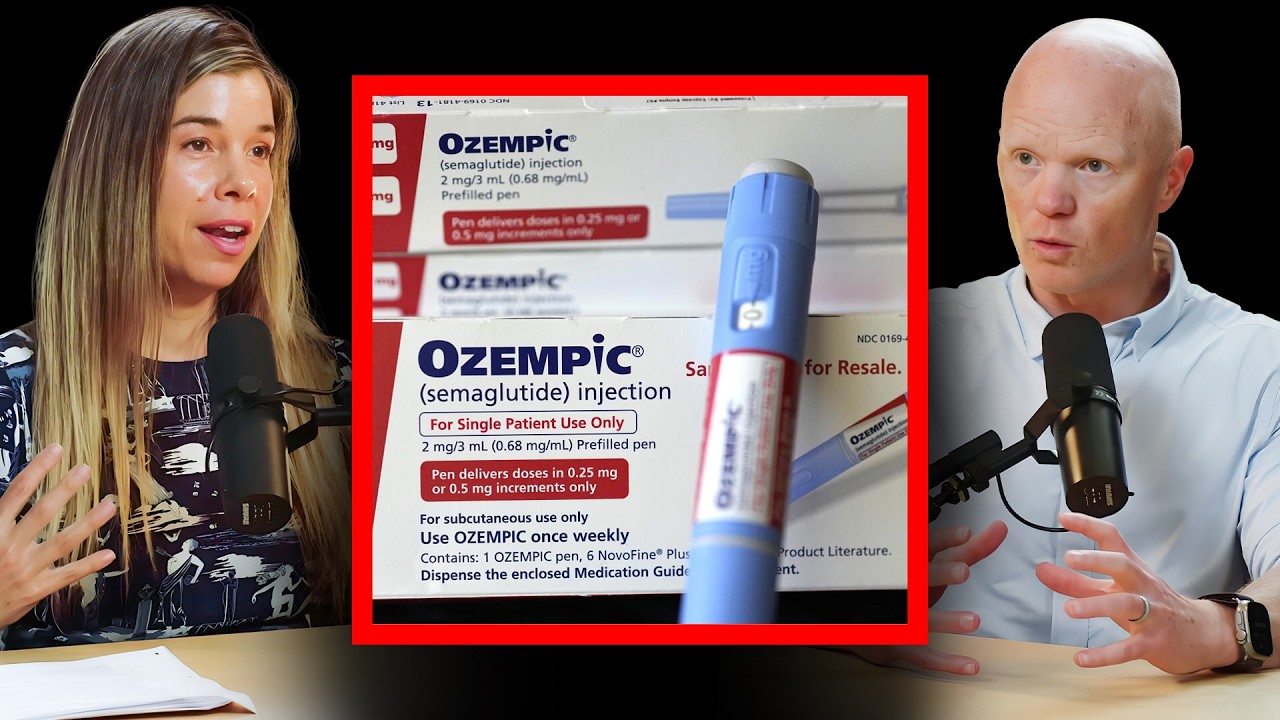
“A separate large cohort analysis found comparable rates of suicide death, self-harm, depression, and anxiety across GLP-1 and comparator treatments. GLP-1 is a gut-derived satiety signal.”
 Clip
Clip
“In this member Q&A clip, Dr. Rhonda Patrick explains the incretin hormones GIP and GLP-1. GLP-1 receptor agonists such as semaglutide increase glucose-dependent insulin signaling, reduce glucagon, slow gastric emptying, and act on appetite pathways in the brain.”
 Q&A
Q&A
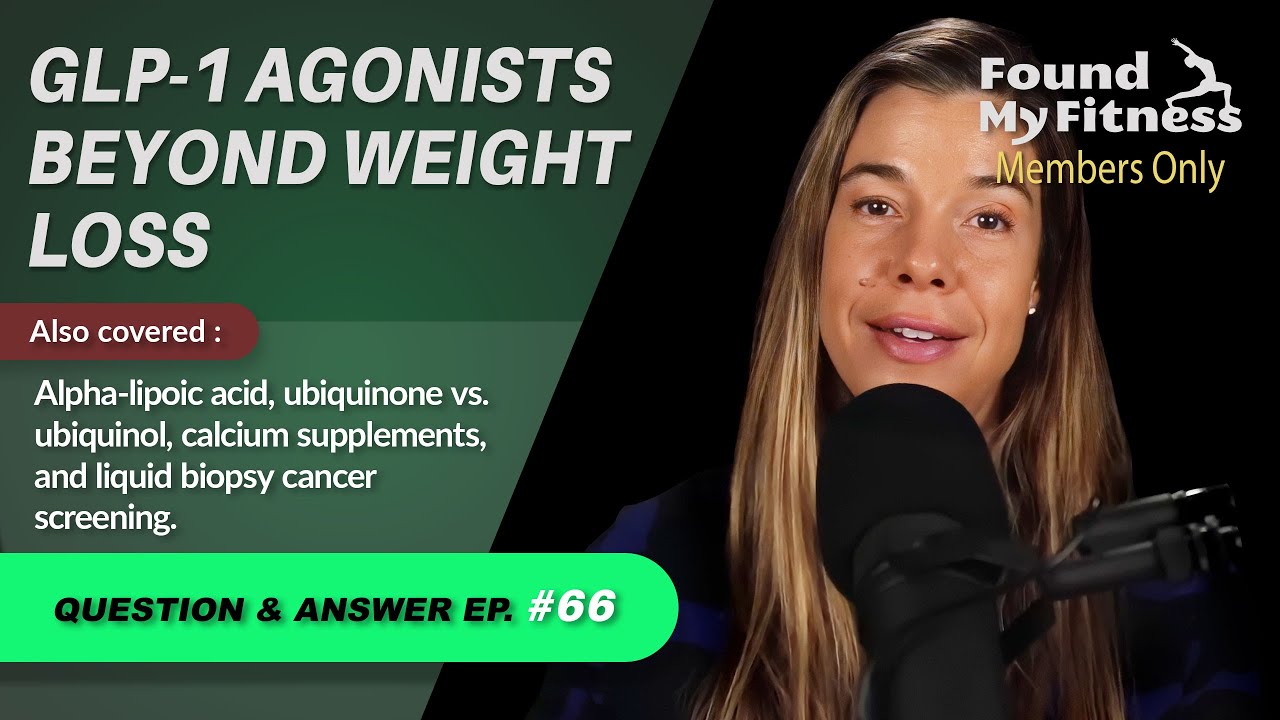
Dr. Rhonda Patrick discusses GLP-1 agonists, alpha-lipoic acid, ubiquinone vs. ubiquinol, calcium needs, and liquid biopsy cancer screening.
“The result may tell us less about GLP-1 drugs as direct "anti-aging" agents and more about the extent to which correcting metabolic dysfunction can move epigenetic aging clocks. Can AI build better aging clocks?”

“Ozempic, Wegovy, and other glucagon-like peptide-1 (GLP-1) drugs have catapulted into the mainstream of diabetes care, with more than 15 million people in the U.S. currently taking one. Evidence suggests GLP-1 drugs have many off-target effects—both good and bad—but healthcare providers don't currently know the full extent of the drugs' effects.”
“A recent study found that glucagon-like peptide-1 (GLP-1) receptor agonists, such as Ozempic, Wegovy, or others, may double the risk of developing neovascular age-related macular degeneration, the most serious form of the disease.”
“Comparable reductions in body weight achieved with semaglutide or reduced access to food did not produce the same health benefits. Because GLP-1 receptors are found throughout the body, semaglutide may influence how tissues age in ways that go beyond reducing food intake.”
 Episode
“Are We Using Weight Loss Drugs Wrong? Dr. Ben Bikman is worried about the long-term effects of GLP-1 receptor agonists (GLP-1 RAs) such as Ozempic and Wegovy. GLP-1 is a natural gut-produced hormone, and modern drugs mimic the effects of GLP-1 in the body.”
“The drug mimics GLP-1, a hormone that helps the pancreas release insulin and the brain regulate appetite. But certain cells in the heart, blood vessels, and other tissues also carry GLP-1 receptors, allowing them to respond to the same signal.”
Results 1–10 of 82
Premium Members received this study with Rhonda’s practical commentary and 8+ other hand-picked papers. Get the Science Digest delivered every other week.
Every other week our Premium Members receive deep dives like this alongside Rhonda's commentary and 8+ other hand-picked papers.