Q&A
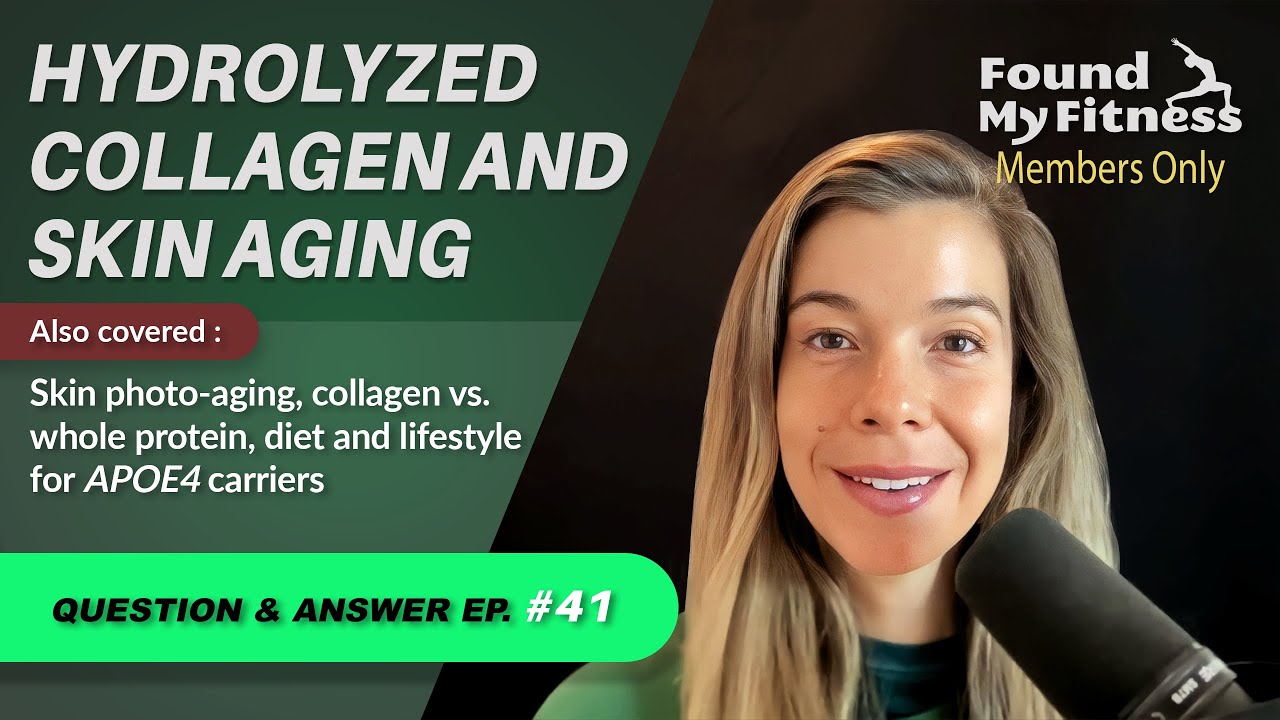
Q&A #41: APOE4 Lifestyle Strategies—Plus Collagen for Skin Aging
Dr. Rhonda Patrick answers audience questions on various health, nutrition, and science topics in this Q&A session.
Search could not finish. Try again.
Found 78 matches across the FoundMyFitness library.
Q&A
Dr. Rhonda Patrick answers audience questions on various health, nutrition, and science topics in this Q&A session.
Clip
“The findings support working on several modifiable factors together, while leaving open how much each component contributes and whether these changes prevent an eventual Alzheimer's diagnosis.”
Clip
“In 15 people with severe traumatic brain injury, sodium lactate infusion increased brain lactate, pyruvate, and glucose without raising intracranial pressure, and a randomized study in 60 patients with mild traumatic brain injury reported better cognitive recovery than hypertonic saline.”
“The active whole body hyperthermia group underwent mild-intensity hyperthermia using a Heckel device, with infrared lights heating the chest and coils warming the lower extremities until their core temperature reached 38.5°C—a process taking an average of 107 minutes (range 81–140 minutes)—followed by a 60-minute cool-down phase.”
Q&A
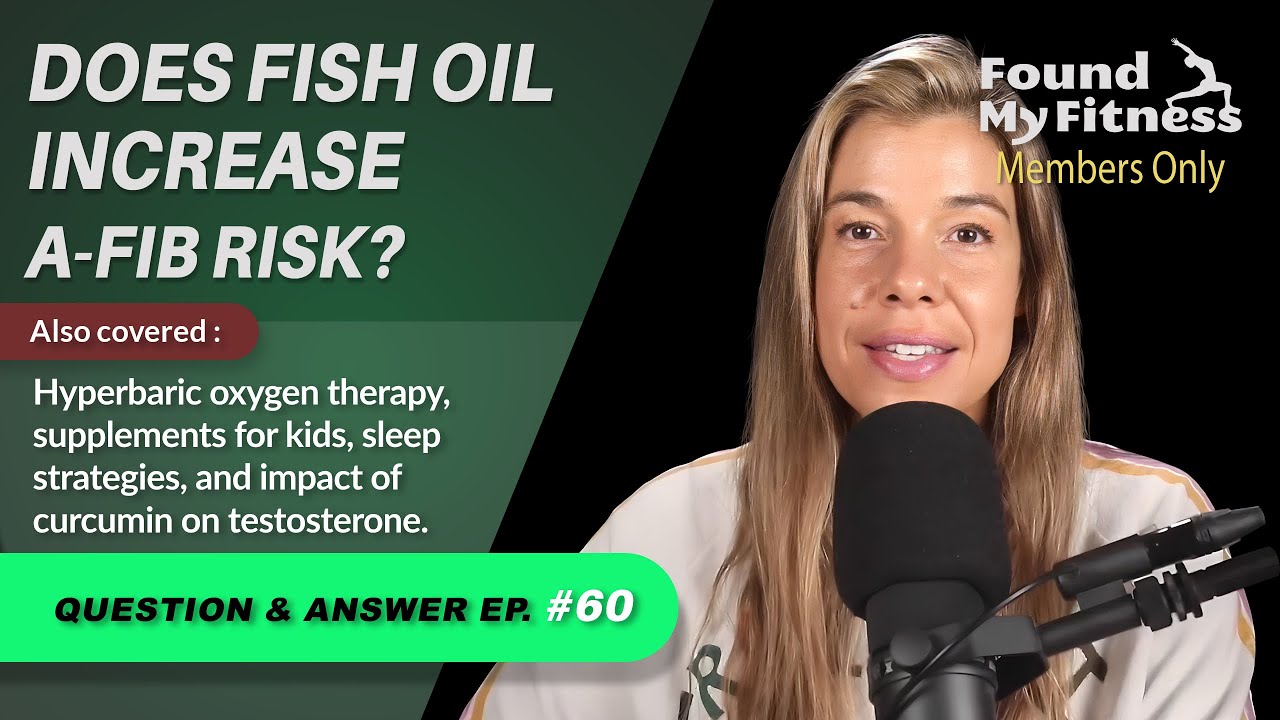
Dr. Rhonda Patrick discusses fish oil and Afib risk, hyperbaric oxygen therapy, supplements for kids, and curcumin's impact on testosterone.
Q&A
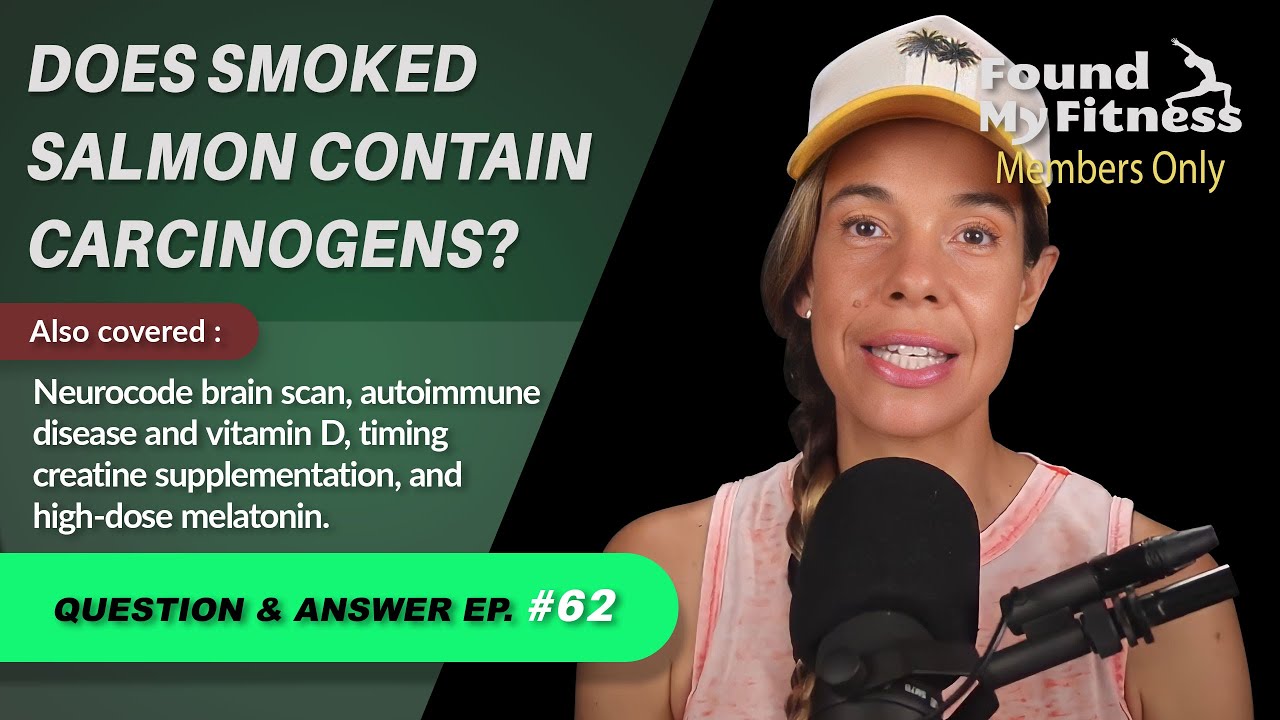
Dr. Rhonda Patrick discusses if smoked salmon is carcinogenic, high-dose melatonin, creatine on workout vs. non-workout days, and the Neurocode brain scan.
Clip
“In a randomized trial of 57 children with autism spectrum disorder, a caregiver-rated secondary behavior scale improved and biomarker changes involved glutathione, mitochondrial, inflammatory, and heat-shock pathways, while the primary clinical outcome was similar between groups.”
Clip
“APOE4 is the strongest common genetic risk factor for late-onset Alzheimer's disease, while physical activity, sleep, blood pressure, and diet remain important modifiable influences across the lifespan. Nutrition may offer additional support.”
Episode
“00:34:40 - Repeated traumatic brain injury has cumulative neuroinflammatory effects in the brain over years, including amyloid-beta plaque and tau tangle formation. Study. 00:44:00 - A variant of the APOE gene increases risk of developing Alzheimer’s disease as much as 15-fold.”
“However, findings from a rodent study indicate that even low levels of nicotine exposure during pregnancy or early in life can increase the risk of sudden infant death syndrome, or SIDS, by inhibiting the neonate's ability to autoresuscitate – the capacity to recover from prolonged periods of apnea, widely considered a causal factor in SIDS.”
Results 31–40 of 78
Premium Members received this study with Rhonda’s practical commentary and 8+ other hand-picked papers. Get the Science Digest delivered every other week.
Every other week our Premium Members receive deep dives like this alongside Rhonda's commentary and 8+ other hand-picked papers.