411

Search could not finish. Try again.
Found 952 matches across the FoundMyFitness library.
“Similarly, although acute high-intensity interval exercise induced greater blood lactate and plasma cortisol levels than continuous moderate-intensity exercise, obese subjects produced less blood lactate, but showed no difference in cortisol than normal-weight subjects.”
“Depression, often referred to as major depressive disorder in the clinical or research setting, is characterized by profound sadness, fatigue, altered sleep and appetite, and feelings of guilt or low self-worth.”
“Randomized controlled trial finds that high dose vitamin D supplementation (4,000 IU/day) for 18 weeks improves visual memory in healthy adults but low-dose vitamin D (400 IU/day) does not.”
“[...] > McEwen said that in the second study, the amount of BDNF increased 35 percent in the group that had participated in both cognitive training and exercise -- and half of that increase occurred within the first two weeks of the study.”
“According to some estimates, Alzheimer's disease will affect nearly 14 million Americans by 2060, with women comprising two-thirds of those cases. Research indicates that this disparity arises from the buildup of tau, a protein linked to cognitive decline, which occurs earlier and progresses more rapidly in women.”
 Clip
Clip
“Dr. Mattson cautions against relying on mimetics; rather he recommends exercising, fasting, eating a healthy diet, and keeping the brain engaged as the best strategies for maintaining cognitive health. In this clip, Dr. Mark Mattson discusses the pros and cons of calorie restriction mimetics.”
 Clip
Clip
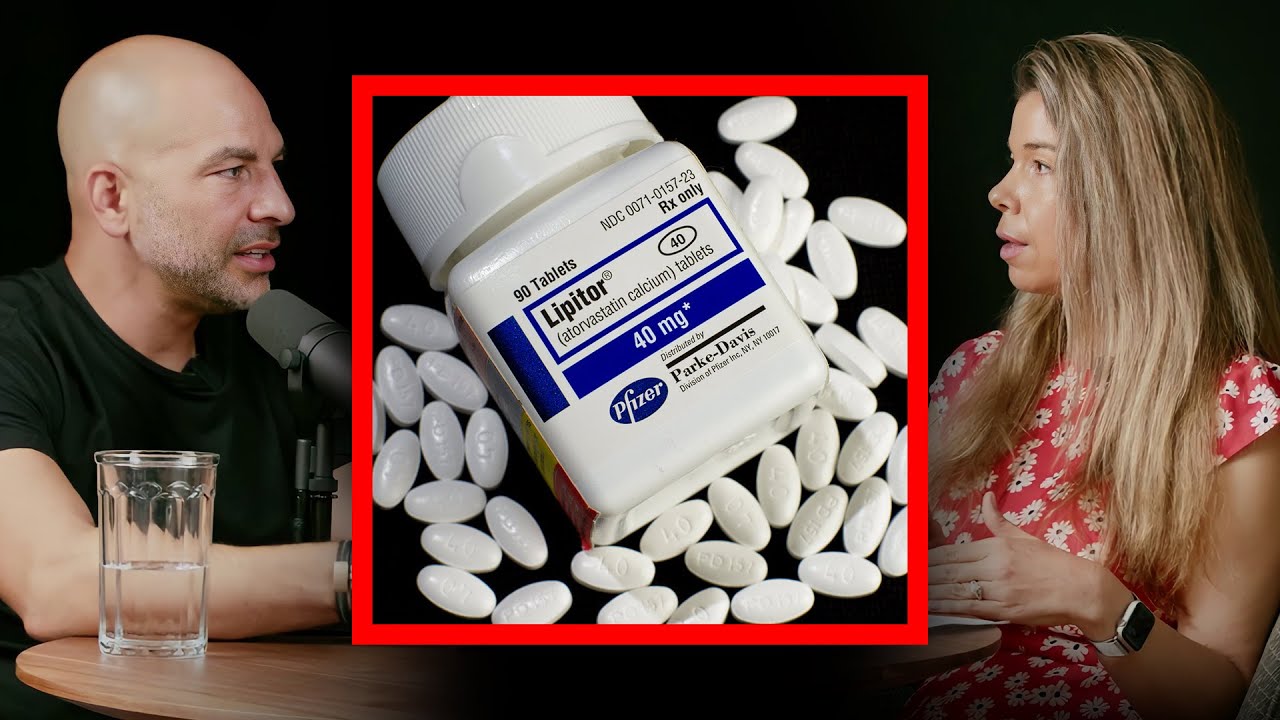
Dr. Peter Attia explains statin benefits, blinded symptom evidence, cognition limits, Zone 2 testing, and nonstandard sterol monitoring.
 Episode
“Reversing the Cardiac Effects of Sedentary Aging in Middle Age—A Randomized Controlled Trial - In sedentary middle-aged adults, 2 years of regular exercise improved heart function and reduced heart stiffness, potentially lowering future heart failure risk.”
“The researchers measured the participants' cognitive function using standard tests and tracked markers of heart health, including blood pressure, waist size, blood lipids, and antioxidant levels.”
Results 411–420 of 952
Premium Members received this study with Rhonda’s practical commentary and 8+ other hand-picked papers. Get the Science Digest delivered every other week.
Every other week our Premium Members receive deep dives like this alongside Rhonda's commentary and 8+ other hand-picked papers.