• Episodes
  • Topics
  • AMA
  • Science Digest
  • The Aliquot
  • Genetics
Sign in Become a member
Search
Back to episode

FoundMyFitness library

Related Episodes for Can Psilocybin Treat Depression?

Ranked by shared topics, with one result from each original episode.

101
Episode
Episode

Dr. George Brooks on Lactate Shuttle Theory, Relevance for Traumatic Brain Injury, & More

Dec 3, 2014

“When produced during exercise (especially high intensity workouts like cycling, which shifts metabolism toward glycolysis to more quickly meet the high energetic demands), lactate switches on more than 600 genes involved in muscle adaptation, stimulates mitochondrial biogenesis – the process of making new mitochondria – and promotes protein synthesis, which is essential for muscle growth.”

brain nutrition exercise parkinson's
Play episode
102
Episode
Episode

"Hacking Your Genes" at SF Nerd Nite

Nov 8, 2017

“Dr. Rhonda Patrick talks at SF Nerd Nite about transgenerational effects of caloric restriction on longevity, B-vitamins silencing bad genes, cognitive stimulation reversing neurodegenerative disease, exercise increases neurogenesis, and ways in which vitamin D might influence aging.”

rhonda vitamin d exercise brain
Play episode
103
Clip
Clip

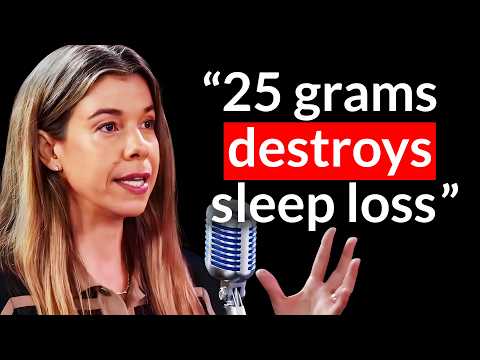
How Creatine Affects Cognition During Sleep Loss

Jun 3, 2026

“Severe sleep deprivation offers one such model. In a randomized crossover study of 15 healthy young adults, a single dose of 0.35 grams per kilogram changed brain-energy measures and reduced deterioration on selected cognitive tasks during about 21 hours awake.”

brain sleep performance supplements
Watch clip
104
Clip
Clip

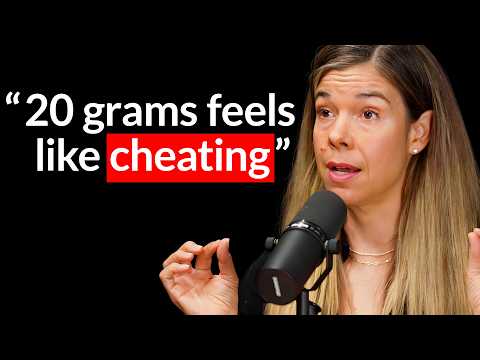
How Creatine Dose Relates to Muscle and Brain Energy

Feb 6, 2026

“A small magnetic-resonance spectroscopy study also found that 20 grams per day for four weeks increased brain creatine by an average of about 8.7 percent, showing that brain uptake is possible but variable.”

exercise brain sleep performance
Watch clip
105
Clip
Clip

How Creatine Dose Shapes Muscle and Brain Benefits

Nov 10, 2025

“High energy demand is a promising research setting. In a randomized crossover study of 15 healthy adults undergoing 21 hours of sleep deprivation, a single 0.35-gram-per-kilogram dose changed cerebral energy measures and improved selected cognitive outcomes.”

brain sleep performance rhonda
Watch clip
106
Clip
Clip

How Creatine Supports Muscle and Brain Energy

Feb 23, 2026

“A later crossover study using a lower weight-based dose found its clearest benefit in reasoning, while several memory, accuracy, fatigue, and sleepiness outcomes did not reliably improve. Routine muscle supplementation and acute sleep-loss research use different protocols.”

exercise brain aging sleep
Watch clip
107
Clip
Clip

How Exercise Snacks Relate to Mortality

Jul 5, 2026

“In a study of more than 25,000 UK Biobank adults who reported no structured exercise, about three short VILPA bouts per day were associated with 38 to 40 percent lower all-cause and cancer mortality and 48 to 49 percent lower cardiovascular mortality compared with no VILPA.”

exercise cancer behavior mortality
Watch clip
108
Clip
Clip

How High-Intensity Exercise Supports Glucose Control After Sleep Loss

Nov 19, 2025

“Smaller crossover studies support the same practical direction. Sprint intervals improved the late insulin response after one four-hour night of sleep, and a two-week HIIT program attenuated the rise in glucose, insulin, and free fatty acids after 24 hours without sleep.”

sleep exercise brain blood sugar
Watch clip
109
Clip
Clip

How Lactate Links Vigorous Exercise to Brain Health

Jan 7, 2026

“In 15 people with severe traumatic brain injury, sodium lactate infusion increased brain lactate, pyruvate, and glucose without raising intracranial pressure, and a randomized study in 60 patients with mild traumatic brain injury reported better cognitive recovery than hypertonic saline.”

exercise brain mitochondria rhonda
Watch clip
110
Clip
Clip

How Omega-3s Support the Aging Brain

Sep 16, 2026

“In the prospective Framingham Offspring Study, people in the highest red-blood-cell DHA group had approximately 49 percent lower risk of developing Alzheimer's disease than those in the lowest group.”

brain alzheimer's aging omega-3
Watch clip
Load more related episodes

Explore More

  • Home
  • Episodes
  • Membership
  • The Aliquot
  • About
  • Healthspan Gear
  • Genetics

Our Mission

Promoting strategies to increase healthspan, well-being, cognitive and physical performance through deeper understandings of biology. Learn more about Dr. Rhonda Patrick.

Questions?

Send us a message here

Search

Follow us here

  • Instagram
  • Twitter
  • Facebook

Watch and listen

  • YouTube
  • Apple Podcasts
  • Spotify
This site is protected by reCAPTCHA and is subject to the Google Privacy Policy and Terms of Service, as well as our own Privacy Policy and Terms of Service.