Q&A
Q&A #43: Rhonda’s Diet and Supplements—Plus Menopausal Hormone Therapy
Dr. Rhonda Patrick answers audience questions on various health, nutrition, and science topics in this Q&A session.
FoundMyFitness library
Ranked by shared topics, with one result from each original episode.
Q&A
Dr. Rhonda Patrick answers audience questions on various health, nutrition, and science topics in this Q&A session.
Q&A
Dr. Rhonda Patrick explores collagen peptides, high-dose niacin and vitamin B6, avoiding nano- and microplastics in her latest Q&A.
Clip
“In a randomized trial of resistance-trained women, an eight-hour eating window did not reduce gains in lean mass, muscle thickness, strength, or performance when energy and protein intake were matched and the participants completed supervised resistance training.”
Episode
“Rhonda and Steve discuss calorie restriction, GLP-1 therapy, multivitamins, omega-3s, vitamin D, vegetables, red meat, exercise, heat exposure, sleep, social connection, consumer testing, AI-built clocks, partial reprogramming, and why no single intervention is likely to stop aging on its own.”
Clip
“Diet plays a key role in the prevention of Alzheimer's disease. The Ketoflex 12/3 diet, a form of time-restrictive eating that limits the period during which a person eats to a 12-hour window at least three hours before bedtime, promotes the production of ketones.”
Episode
“Since then, countless studies have tested Pauling's theories about vitamin C, colds, and cancer (and many others), and a substantial body of evidence has emerged, identifying critical roles for vitamin C in immune function, cardiovascular and respiratory health, cognitive development and preservation, and many other aspects of human health.”
Clip
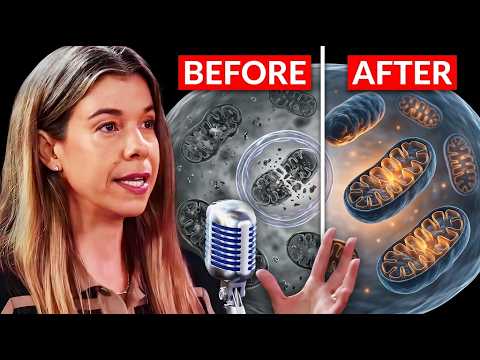
“In a four-month randomized trial of 88 overweight, untrained middle-aged adults, daily doses of 500 or 1,000 milligrams improved some muscle and mitochondrial measures, while the primary outcome of peak power did not significantly improve.”
Clip
“Even if mRNA could enter the nucleus, two other enzymes are missing to transform RNA into DNA and insert it into the human genome. Thus, the series of steps that would result in mRNA incorporating into nuclear DNA is biologically implausible.”