1
Collection
What FoundMyFitness Has Covered
PremiumAging is the gradual accumulation of physiological, functional, and mental change, and it is a major risk factor for chronic diseases including cancer, Alzheimer’s disease, and cardiovascular disease. Its pace varies with genetic and environmental factors,…
Your Premium Brief connects insights across FoundMyFitness to help you see the bigger picture.
Based on available source text from 9 of the first 10 results.
2
Topic
Topic
Epigenetic aging clocks
“Aging comprises the collective physiological, functional, and mental changes that accrue in a biological organism over time. It is the primary risk factor for many human chronic diseases, including cancer, Alzheimer's, and cardiovascular disease.”
3
Topic
Topic
Biological Age Clocks
Biological aging clocks use DNA methylation patterns and other biomarkers to estimate different dimensions of biological aging, including how old the body appears at the molecular level, how quickly aging-related changes are accumulating, and whether lifestyle or medical interventions may be changing the trajectory of aging.
4
Topic
Topic
Hallmarks of aging
“The hallmarks mentioned above increase in severity over time for most living organisms, but the rate of declining function depends upon several genetic and environmental factors specific to each individual. Accelerated biological aging drives many of the chronic diseases common to industrialized nations, such as: Cardiovascular disease.”
5
Topic
Topic
Polyphenol-Rich Diets and Brain Aging
“But the real changes happened when the participants started the intervention. Regardless of diet, improvements in glucose control biomarkers and inflammation (C-reactive protein) were linked to less brain aging in the hippocampus.”
6
 Clip
Clip
Clip
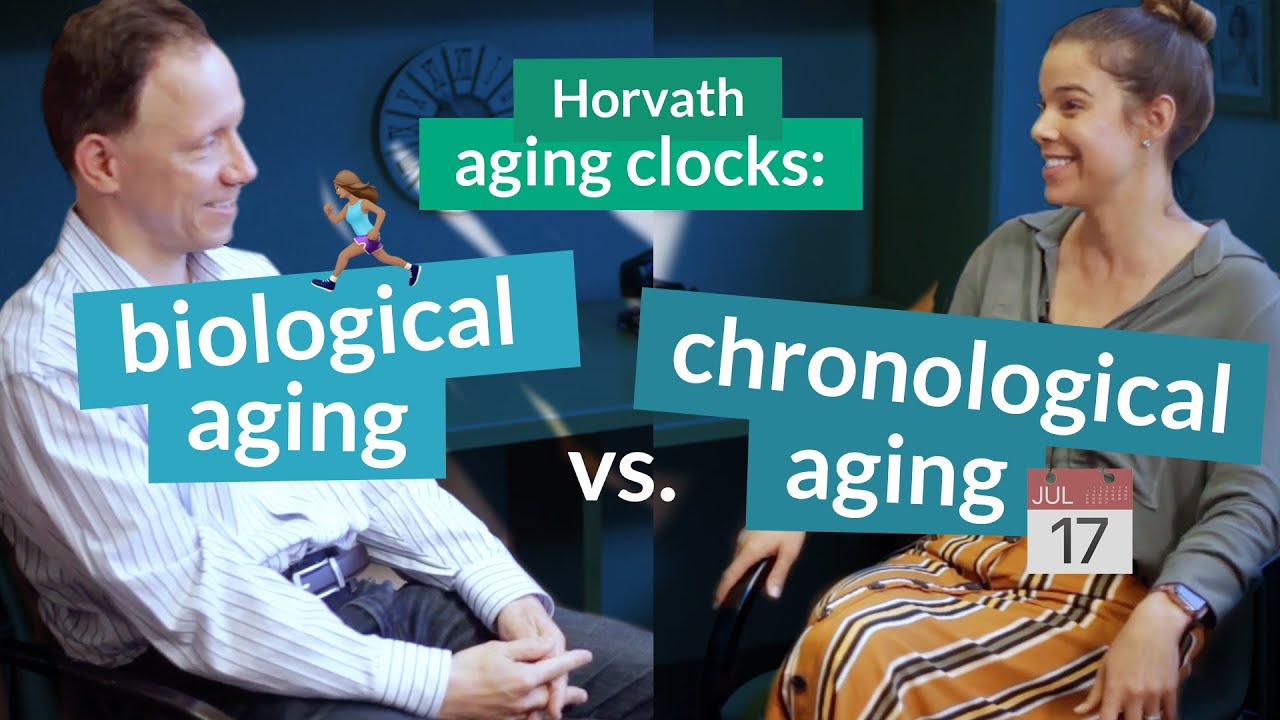
Horvath epigenetic aging clocks measure two types of age: biological aging vs. chronological aging
“Recognition of this phenomenon has given rise to the concept of biological age, sometimes referred to as phenotypic age, generally recognized as a measure of a person's physiological and functional state.”
7
 Clip
Clip
Clip
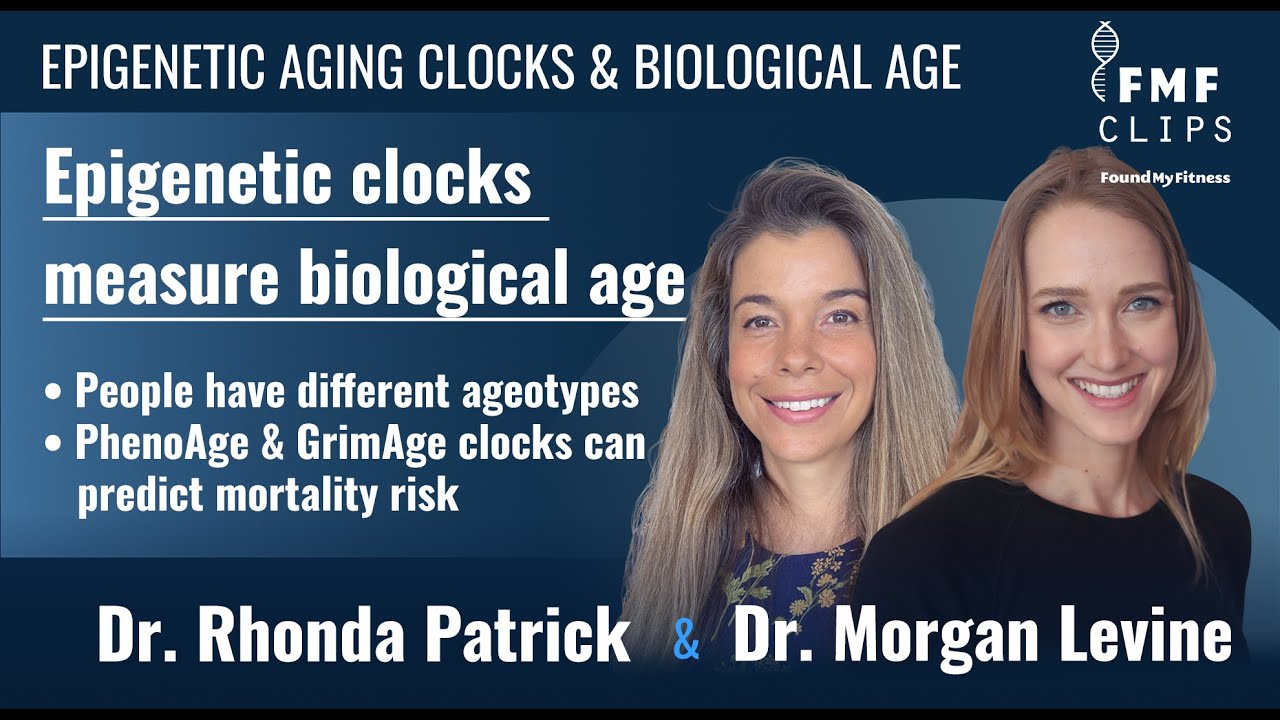
Measuring biological age with epigenetic aging clocks | Dr. Morgan Levine
“In this clip, Drs. Levine and Patrick discuss the advantage of using epigenetic clocks in aging research to measure biological age. Dr. Levine then explains the difference between first and second-generation epigenetic aging clocks.”
8

Aliquot
Premium
Aliquot #87: Advanced glycation end-products (AGEs) – byproducts of glucose metabolism that promote aging
“Advanced glycation end-products, or AGEs for short, are created when the sugars, amino acids, and fats in food encounter heat. AGEs also form in the body during normal glucose metabolism. However, if high levels of AGEs accumulate in the tissues and blood, they can become pathogenic.”
9
 Clip
Clip
Clip
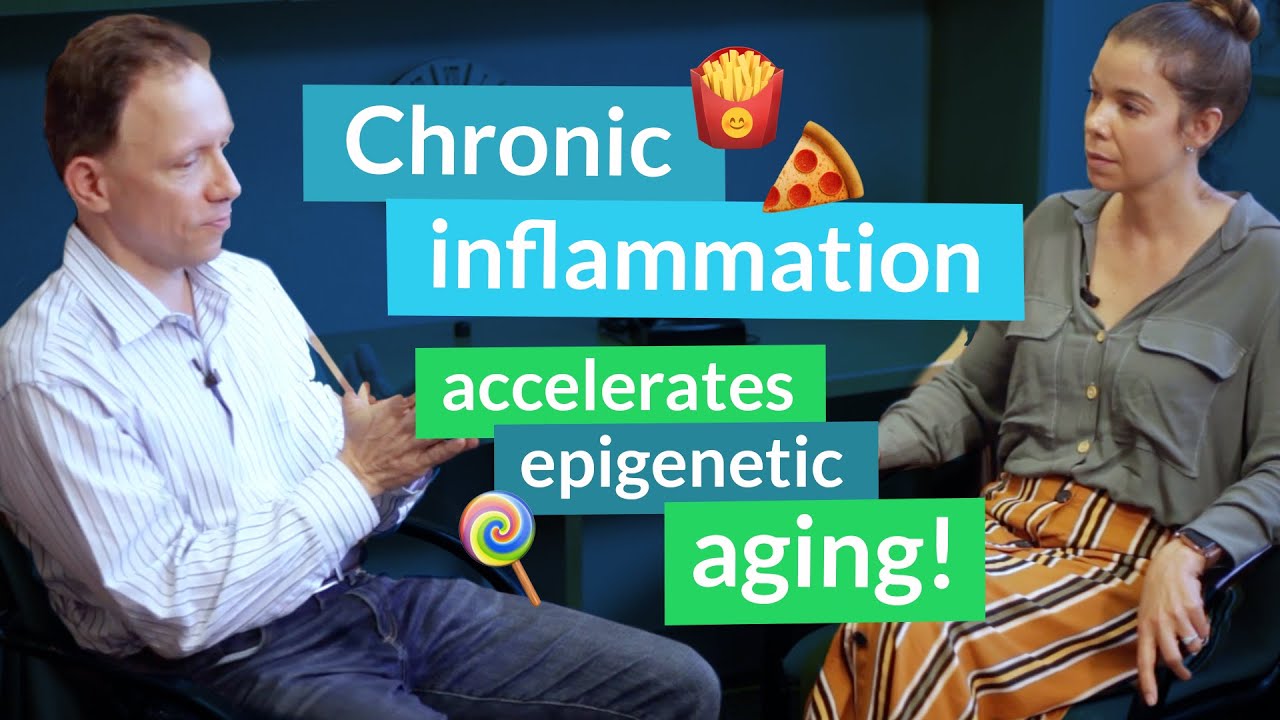
Chronic inflammation accelerates epigenetic aging: transposon and HIV virus-associated aging
“Chronic inflammation as a contributor to aging is not an especially new idea. Here, too, epigenetic clock evidence does seem to see this relationship. There is also evidence that HIV accelerates epigenetic aging.”
10
 Clip
Clip
Clip
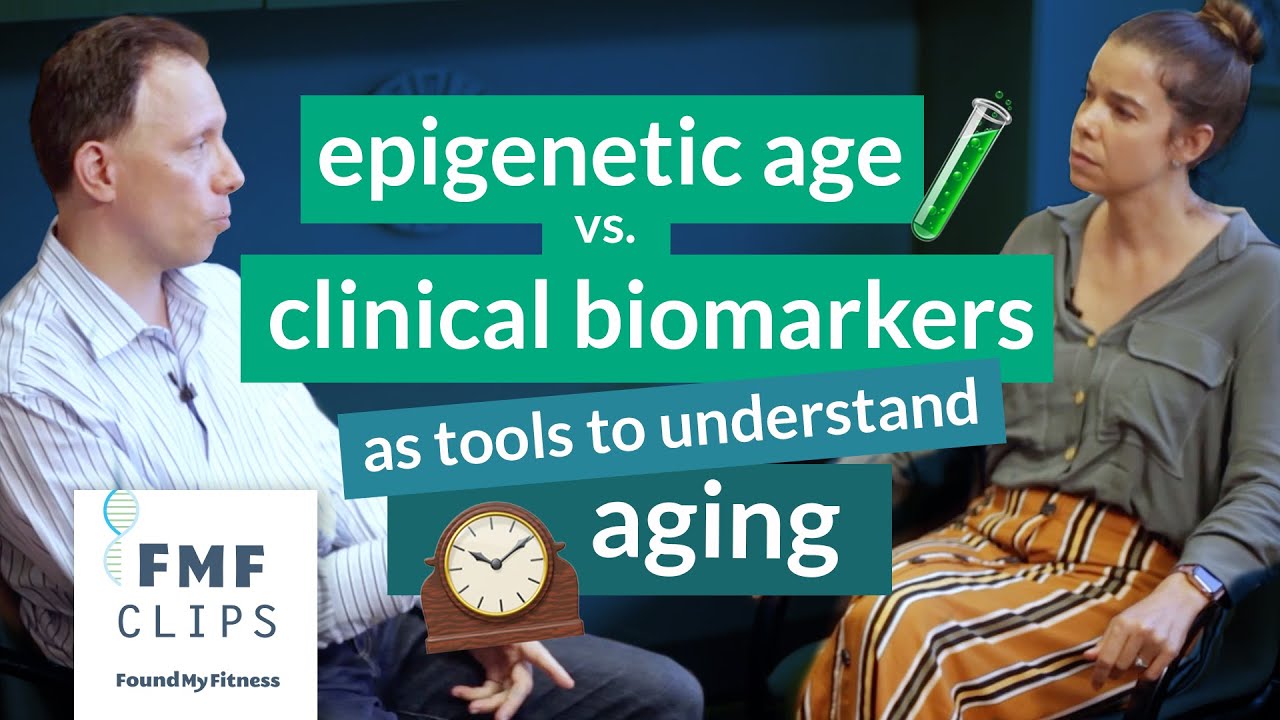
Epigenetic age vs. clinical biomarkers as tools for understanding aging | Steve Horvath
“Epigenetic clocks may provide a means of explaining these and other differential aging rates. In this clip, Dr. Steve Horvath discusses how traditional biomarkers of health and age don't correlate well with epigenetic age.”
Results 1–10 of 1,885