Filter results by content type

Search results for Hair

Found 186 matches across the FoundMyFitness library.

186 results
181
Episode

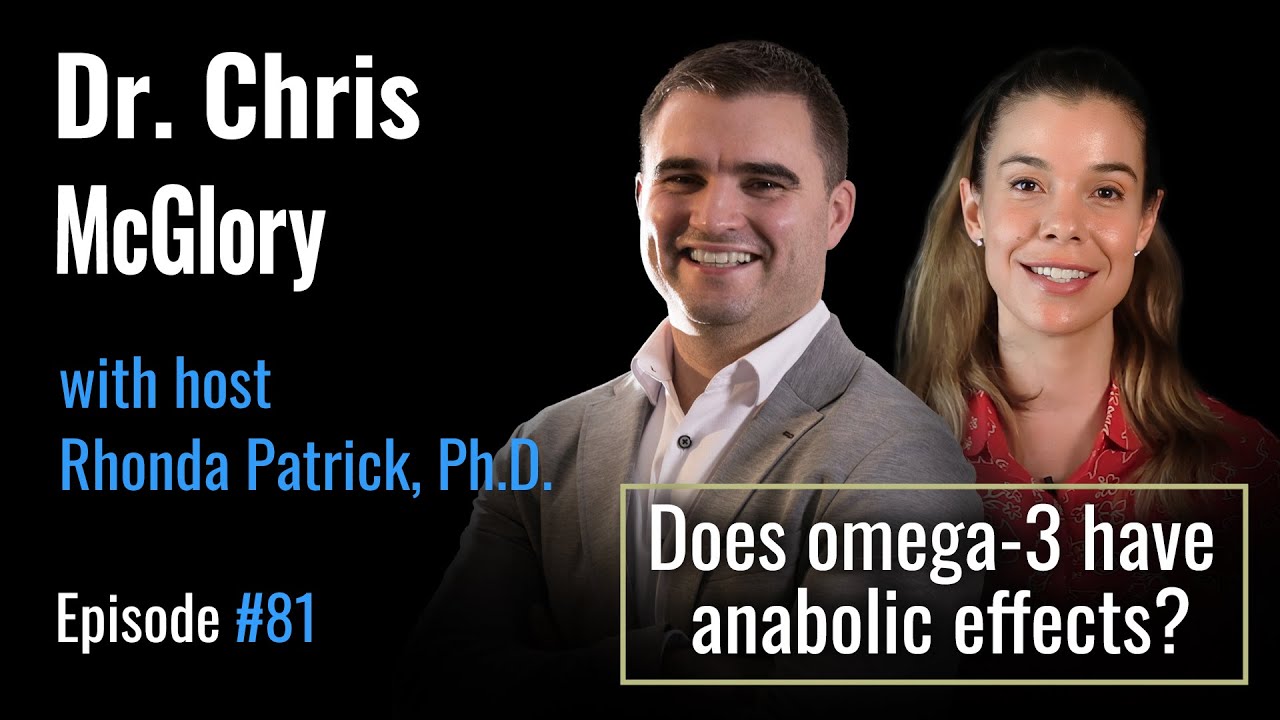
Chris McGlory, PhD, on the Anabolic Potential of Omega-3 Fatty Acids

Jul 3, 2023

“Known for his work in the field of muscle physiology and aging, Dr. McGlory's research focuses on elucidating the molecular mechanisms underlying muscle protein synthesis and degradation, with a particular emphasis on the roles that omega-3 fatty acids play in maintaining muscle health in older adults.”
182
Episode

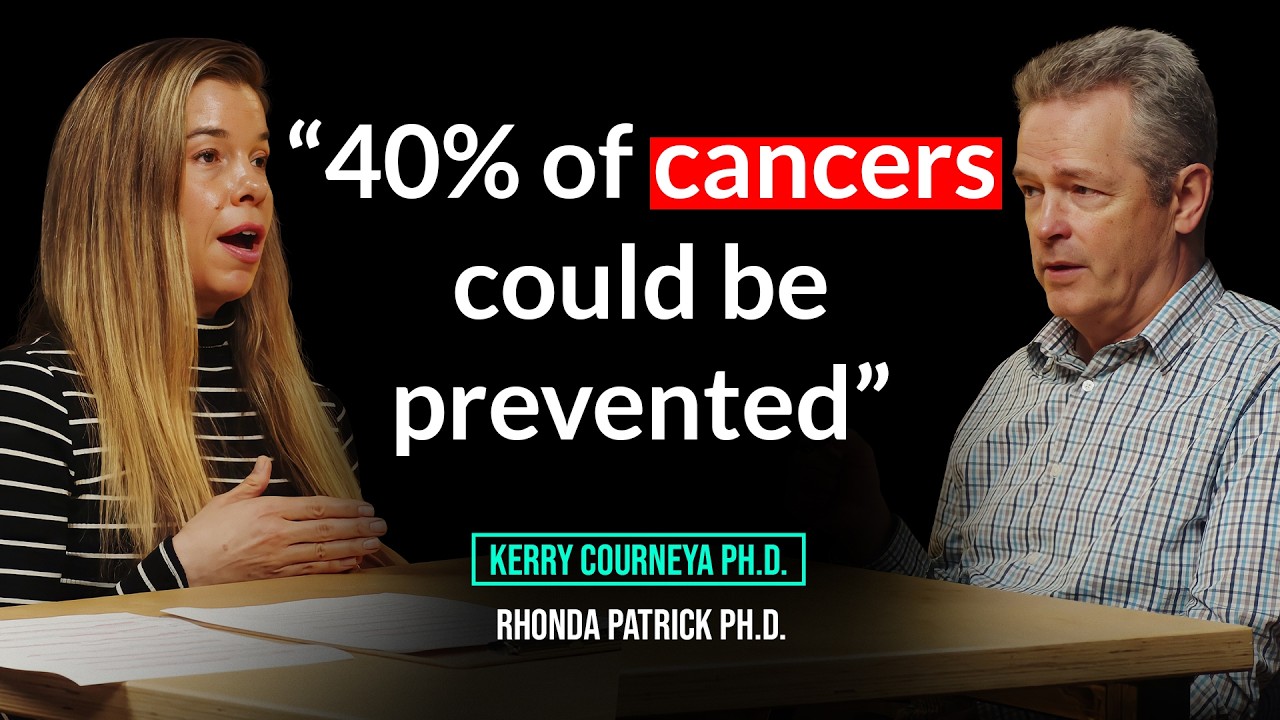
The Science of Exercise for Cancer | Kerry Courneya, PhD

Mar 5, 2025

“While it won't eliminate genetic susceptibility, studies suggest that it can delay onset and reduce overall risk, even in those predisposed to cancer—engaging in 1–4 and more than 7 hours per week of leisure-time physical activity reduces the risk of breast cancer by 9% and 15%, respectively, in women with a family history of breast cancer.”

183
Episode

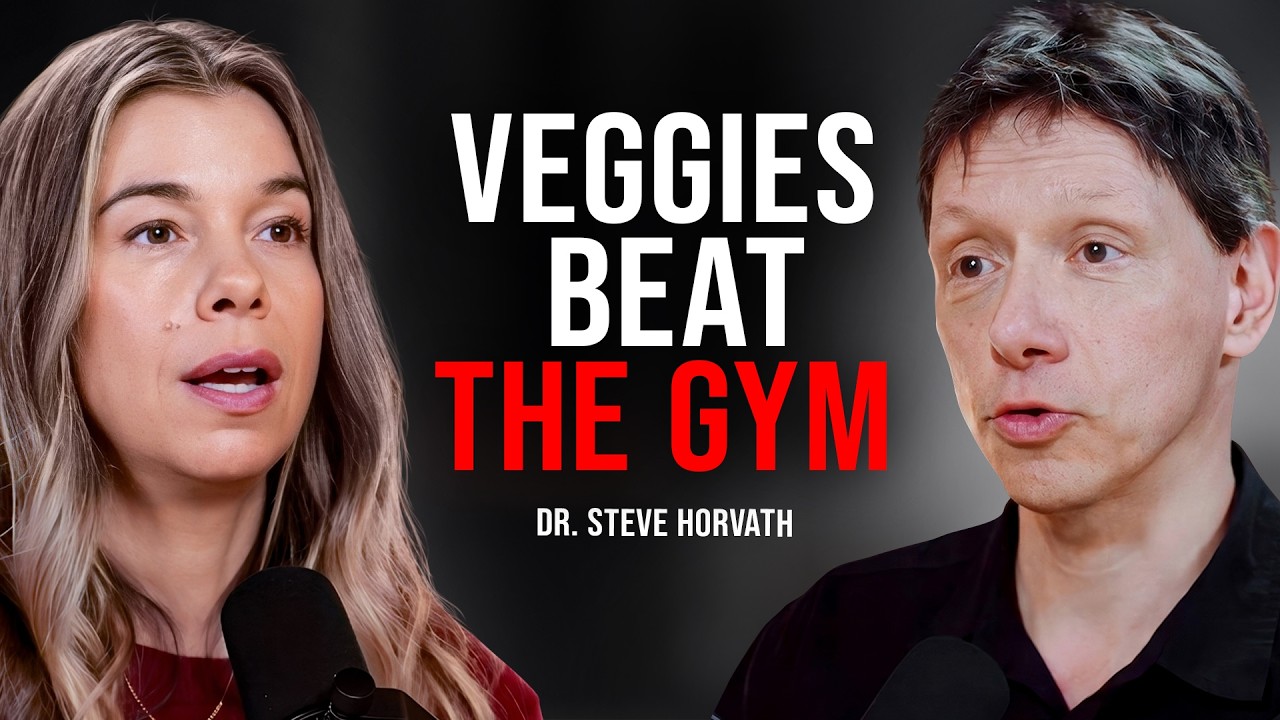
How To Slow Biological Aging With a Multivitamin, Vegetables, & Omega-3 | Dr. Steve Horvath

Jun 9, 2026

“Rhonda and Steve discuss calorie restriction, GLP-1 therapy, multivitamins, omega-3s, vitamin D, vegetables, red meat, exercise, heat exposure, sleep, social connection, consumer testing, AI-built clocks, partial reprogramming, and why no single intervention is likely to stop aging on its own.”

184
Episode

Dr. Martin Gibala: The Science of Vigorous Exercise — From VO2 Max to Time Efficiency of HIIT

Sep 19, 2023

“VO2 max is a complex, multifaceted parameter that reflects the intricate coordination between the cardiovascular and musculoskeletal systems during exercise, based on various factors ranging from cardiac output (which can differ considerably between trained athletes and weekend runners) to muscle oxygen extraction.”

186
Episode

Why You Can't Sleep (and How to Fix It) | Dr. Michael Grandner

Oct 6, 2025

“Dr. Michael Grandner describes this as the "mind after midnight"— being awake past our normal bedtime biases us toward reward-seeking, negative affect, and weaker executive control, helping explain not only late-night eating (a preference for energy-dense, high-fat, and high-sugar foods) but other impulsive behaviors that occur at this time.”

Results 181–186 of 186