1
Collection
What FoundMyFitness Has Covered
PremiumConnecting the evidence…
2
 Clip
Clip
Clip
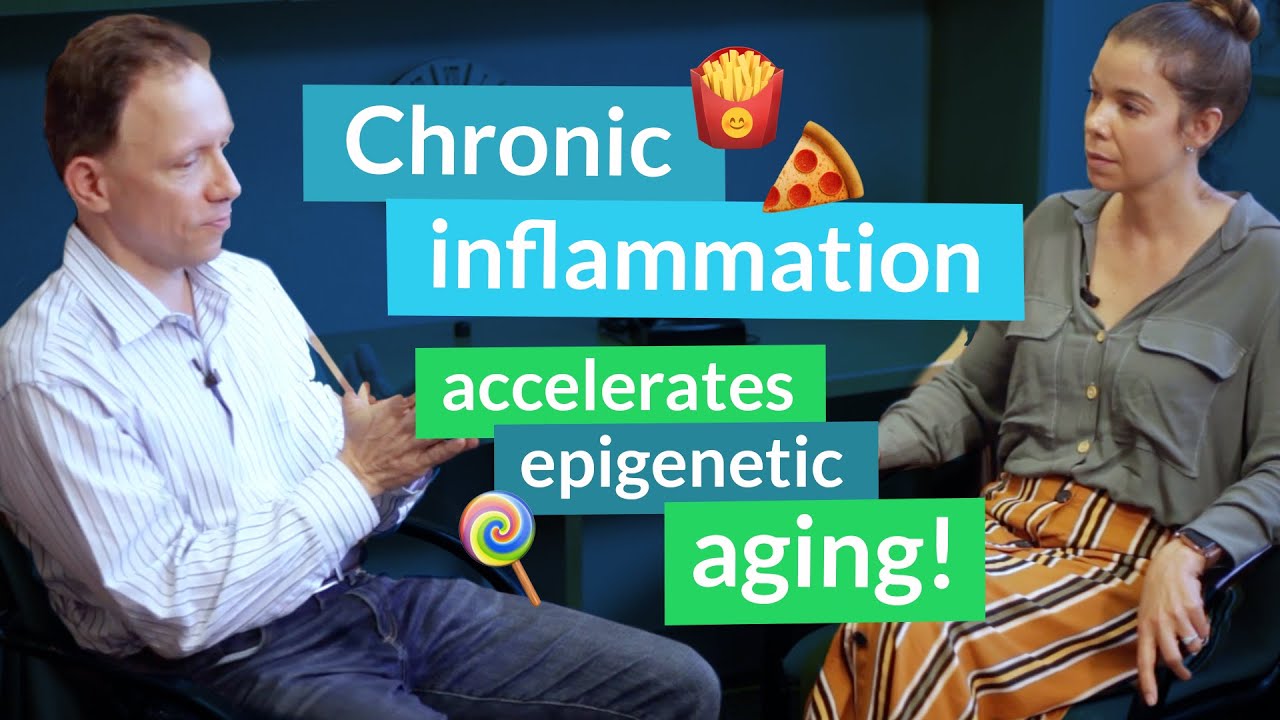
Chronic inflammation accelerates epigenetic aging: transposon and HIV virus-associated aging
“Chronic inflammation as a contributor to aging is not an especially new idea. Here, too, epigenetic clock evidence does seem to see this relationship. There is also evidence that HIV accelerates epigenetic aging.”
3
Topic
Topic
Zinc
“Zinc deficiency is associated with dysregulation of the immune system, along with increases in C-reactive protein, a pro-inflammatory marker. Among people who are infected with HIV, C-reactive protein is an independent indicator of survival and is associated with disease progression.”
4
Topic
Topic
Biological Age Clocks
“These examples are important because they clarify what large clock reversals often represent: not magic rejuvenation, but the removal or control of a biological stressor. HIV and antiretroviral therapy HIV is one of the clearest examples of a condition associated with epigenetic age acceleration.”
5
Topic
Topic
Autophagy
“The bacterium can also interfere with one of the steps involved in xenophagy, ultimately impairing the body's immune response. Similarly, human immunodeficiency virus, or HIV, reduces cellular levels of key proteins involved in xenophagy induction.”
6

Science Digest
The 2nd person with HIV that received a stem cell transplant that replaced their white blood cells with HIV-resistant versions appears to be HIV free
“The HIV virus was completely gone after the transplant. 16 months after the transplant, the patient stopped taking antiretroviral drugs and still had no sign of HIV 18 months after stopping the medication.”
7
Topic
Topic
Breast milk and breastfeeding
“Some of these components have demonstrated the capacity to prevent the translocation of infectious pathogens across the gastrointestinal tract, kill Streptococcus pneumoniae and Mycobacterium tuberculosis, inhibit the growth of Escherichia coli, protect against rotavirus, and interfere with postpartum transmission of human immunodeficiency virus, or HIV.”
8
Science Digest
Why HIV causes life-long infection: the virus integrates into cancer genes, suggesting it might cause infected cells to be highly proliferative
“FTA: > HIV, the virus that causes AIDS, has the ability to integrate into the human genome, making it extremely difficult to cure the infection. A new study found that when HIV integrates into genes involved with cancer, these cells tend to reproduce to a greater extent than others HIV-infected cells.”
9
Science Digest
"Good" bacteria that can protect against HIV has been identified.
“FTA: > By growing vaginal skin cells outside the body and studying the way they interact with 'good and bad' bacteria, researchers think they may be able to better identify the good bacteria that protect women from HIV infection and other sexually transmitted infections.”
10
Results 1–10 of 146