Q&A
Q&A #9: Viral Defense—Sulforaphane, NAC, Glutathione, & Vitamin D
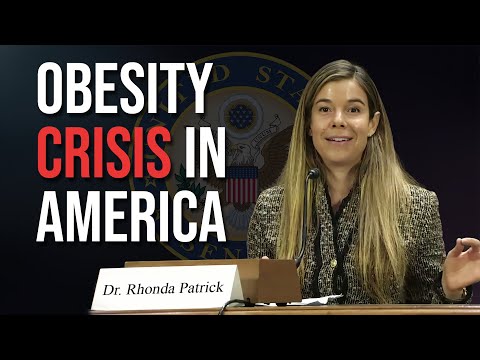
Dr. Rhonda Patrick answers audience questions on various health, nutrition, and science topics in this Q&A session.
FoundMyFitness library
Ranked by shared topics, with one result from each original episode.
Q&A
Dr. Rhonda Patrick answers audience questions on various health, nutrition, and science topics in this Q&A session.
Clip
“Having healthy mitochondria is critical to endurance exercise, which utilizes an enormous amount of energy. When mice are restricted to a 9-hour window of feeding, their mitochondrial function in multiple tissues increases, and mitochondrial biogenesis – the production of new mitochondria – is enhanced.”
Clip
“The main ingredient-interaction evidence concerns polyphenol oxidase. A small controlled crossover study found that a high-PPO banana smoothie greatly reduced circulating flavan-3-ol metabolites compared with a low-PPO berry drink or capsule control.”
Episode
“A staggering 60% of all calories Americans consume come from ultra-processed foods that fail to induce proper satiety, remain cheaper than whole foods, and hijack our dopamine reward pathways, pushing us to overeat, incentivizing unhealthy food choices, and reinforcing addictive eating behaviors.”
Clip
“Similarly, the timing of eating and exercise, especially in elite athletes, has not been studied and may, in fact, require self-experimentation by the athletes as they find the perfect interval of fasting to support their optimal performance.”
Episode
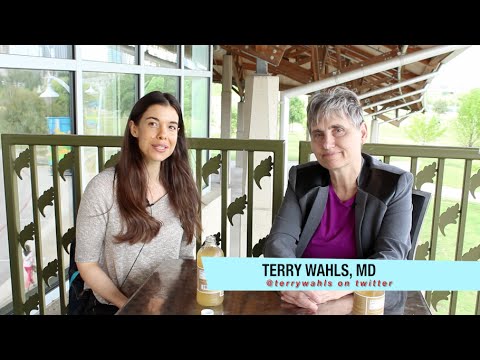
“In this video, Dr. Rhonda Patrick interviews Dr. Terry Wahls about how she reversed her secondary-progressive multiple sclerosis with a micronutrient-dense diet and Paleo principles.”
Clip
“Diet plays a key role in the prevention of Alzheimer's disease. The Ketoflex 12/3 diet, a form of time-restrictive eating that limits the period during which a person eats to a 12-hour window at least three hours before bedtime, promotes the production of ketones.”
Clip
“A national survey analysis estimated 2.6% severe deficiency, 22% moderate deficiency, and 40.9% insufficiency among US adults, although prevalence changes with the threshold used. These categories should remain distinct because insufficiency is not the same as clinical deficiency.”
Episode
“A 12-month randomized controlled trial found that vitamin D supplementation improved cognitive function, intelligence quotient scores, telomere length, and lowered oxidative stress markers in older adults with mild cognitive impairment (compared to placebo), suggesting that not only does vitamin D supplementation improve biomarkers of aging, but also functional outcomes.”
Clip
“A meta-analysis restricted to direct regional measures from MRI, CT, or ultrasound found a very small average hypertrophy benefit when creatine was combined with resistance training, with uncertainty around the pooled estimate and variation across sites and populations.”