How Creatine Supports Brain Energy Under Stress
The BDNF Protocol Guide
An essential checklist for cognitive longevity — filled with specific exercise, heat stress, and omega-3 protocols for boosting BDNF. Enter your email, and we'll deliver it straight to your inbox.
You'll also receive updates from Rhonda & FoundMyFitness
Creatine supports rapid ATP regeneration through the phosphocreatine system. This helps sustain repeated high-intensity effort, which can increase training volume and support gains in strength and muscle. A loading phase raises muscle stores quickly, but a daily dose of 3 to 5 grams can reach saturation more gradually and maintain it over time. [1]
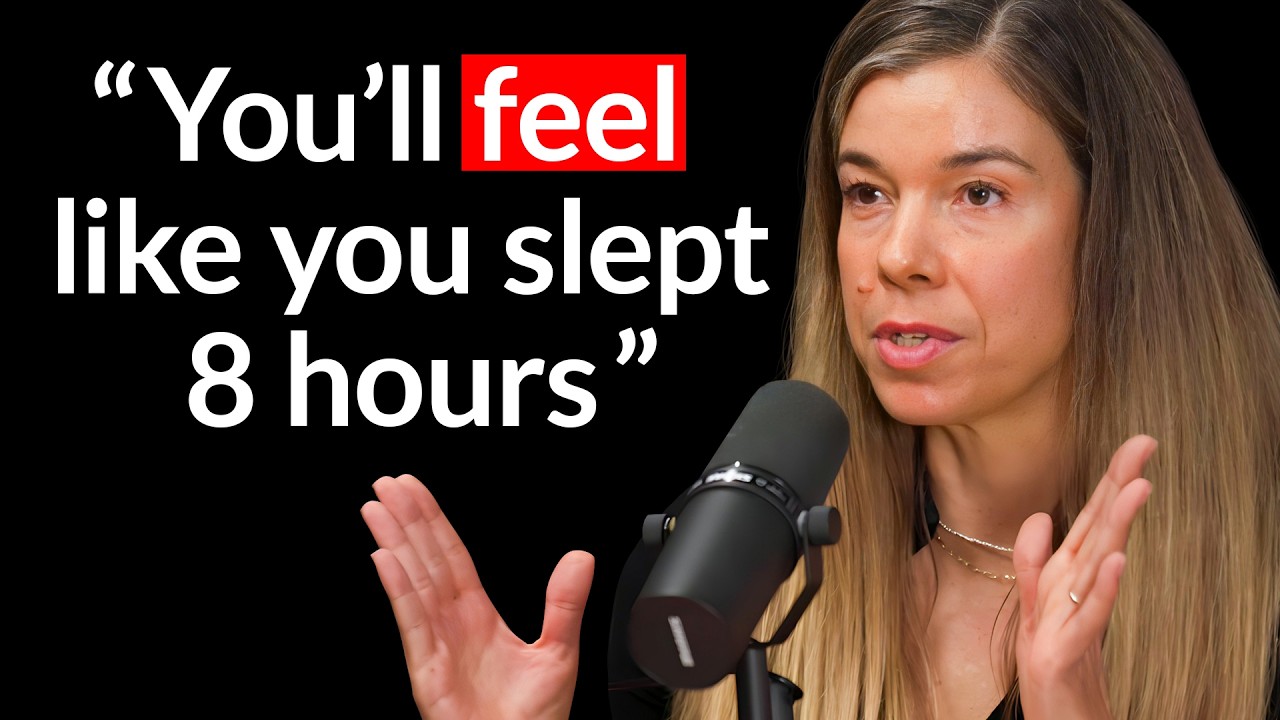
In this clip from Dr. Rhonda Patrick's appearance on the Jack Neel Podcast, she extends the energy discussion from muscle to the brain. Brain creatine responds less predictably to supplementation, and the clearest early cognitive signals appear when energy demand is high. In a randomized crossover study of 15 adults, a single weight-based dose changed cerebral energy metabolites and reduced deterioration on some cognitive tasks during about 21 hours without sleep. [2]
Dr. Patrick uses 10 grams daily and sometimes takes more during travel or sleep loss. Her experience points to a practical hypothesis that higher energy demand may reveal benefits that are difficult to detect under rested conditions. Across small trials, creatine has shown a modest memory benefit, while effects on overall cognition and executive function remain less consistent. This makes brain energy under severe sleep loss a promising research setting without defining one universal cognitive dose. [3]
This clip is excerpted, with permission, from Dr. Rhonda Patrick's appearance on the Jack Neel Podcast. Thank you to Jack Neel for allowing us to share it.
- ^ Kreider, Richard; Almada, Anthony L; Kalman, Douglas S.; Antonio, Jose; Ziegenfuss, Tim N.; Wildman, Robert, et al. (2017). International Society Of Sports Nutrition Position Stand: Safety And Efficacy Of Creatine Supplementation In Exercise, Sport, And Medicine Journal Of The International Society Of Sports Nutrition 14, 1.
- ^ Gordji-Nejad, Ali; Matusch, Andreas; Kleedörfer, Sophie; Jayeshkumar Patel, Harshal; Drzezga, Alexander; Elmenhorst, David, et al. (2024). Single Dose Creatine Improves Cognitive Performance And Induces Changes In Cerebral High Energy Phosphates During Sleep Deprivation Scientific Reports 14, 1.
- ^ Xu, Chen; Bi, Siyuan; Zhang, Wenxin; Luo, Lin (2024). The Effects Of Creatine Supplementation On Cognitive Function In Adults: A Systematic Review And Meta-Analysis Frontiers In Nutrition 11, .
Jack Neel: You said creatine can make you smarter and that people may not take enough for it to be effective. Can you explain that?
Dr. Rhonda Patrick: I became interested in creatine when I became serious about resistance training. I wanted to know what dose I needed for muscle.
Creatine is stored as phosphocreatine and helps regenerate energy quickly. During a workout, creatine can increase exercise volume so you can do more work. It does not directly grow muscle like protein. The additional work can help increase muscle mass and strength.
The studies I found commonly used 5 grams per day. After about three to four weeks, that amount can saturate muscle stores. Older loading studies often used about 20 grams per day and then reduced the dose to 5 grams. Loading reaches saturation faster, but someone taking 5 grams every day can reach it gradually.
I then found research on creatine in the brain and its effects during sleep deprivation. I spoke with Dr. Darren Candow, a researcher at the University of Regina in Canada. It became clear that creatine helps regenerate energy in tissues beyond muscle, including the brain.
Muscle takes up much of a 5-gram dose, especially when a person trains. One study from Germany found that 10 grams increased measured brain creatine. That led me to examine what happens when the brain is under energetic stress.
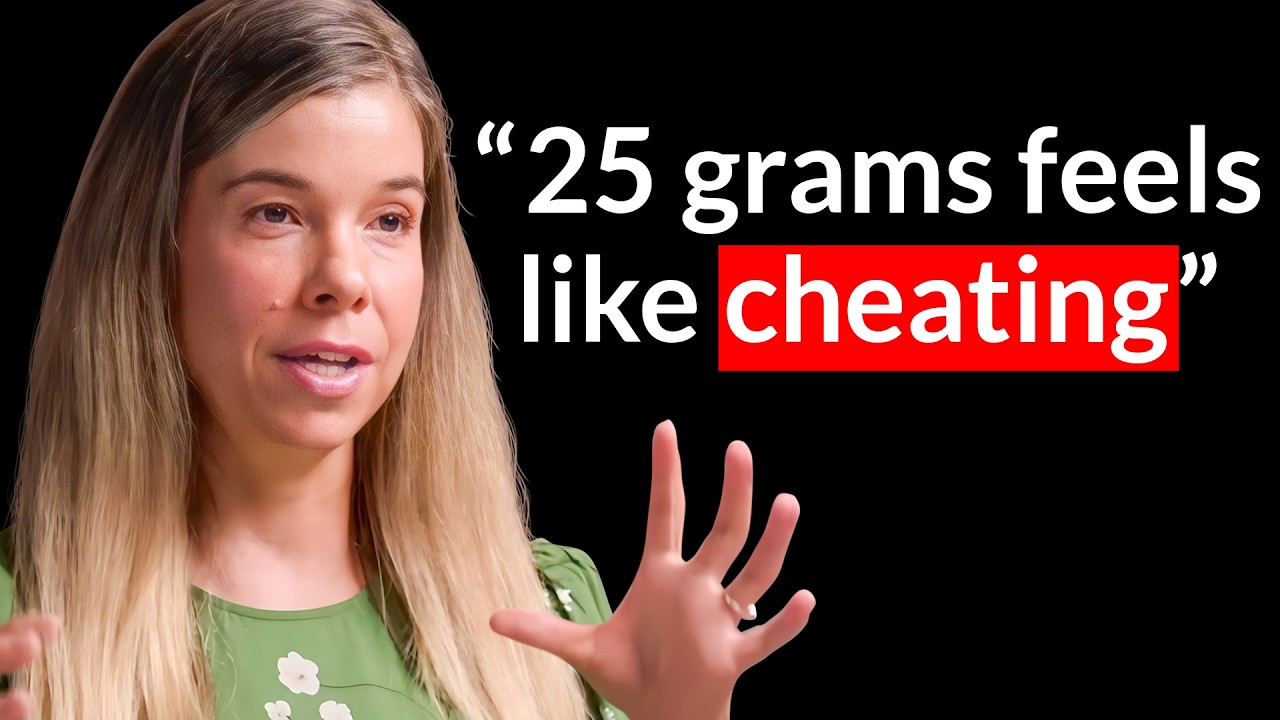
In one very small study, people stayed awake for about 21 to 24 hours and received a weight-based high dose of creatine. The dose was roughly 20 to 25 grams for many participants. Some cognitive measures improved compared with sleep deprivation under placebo.
Other early studies have examined higher doses in people with cognitive impairment or dementia. Some reported improvements on cognitive tests, although the evidence is still limited.
The practical idea is that an energetically stressed brain may need more creatine. Sleep deprivation is a clear experimental example. Applying that idea to financial, emotional, relationship, work, learning, or parenting stress is my extrapolation from the data.
My baseline dose is now 10 grams because I want creatine to reach the brain. I feel that I have less of an afternoon energy slump and stay more even throughout the day. I notice when I do not take it, although that could be a placebo effect.
Jack Neel: Have you tried more than 10 grams?
Dr. Rhonda Patrick: Yes. When I travel or do not get enough sleep, I sometimes use 20 to 25 grams. I recently traveled to China and had to give a talk the morning after arriving. I took 20 grams and felt that it helped with jet lag and mental performance.
Again, that experience could include a placebo effect. I do not take 20 grams every day. My usual dose is 10 grams, and I use more only in selected situations involving travel or sleep deprivation.
Attend Monthly Q&As with Rhonda
Support our work
The FoundMyFitness Q&A happens monthly for premium members. Attend live or listen in our exclusive member-only podcast The Aliquot.
Creatine News
- Gut bacteria may help creatine reach the brain and support its antidepressant effects.
- Creatine supplementation does not influence hair growth or hormone levels even after three months of usage, undermining theories of its potential link to hair loss.
- Creatine improved bench-press strength and increased lean mass even without structured exercise in middle-aged adults.
- Creatine strengthened cancer-fighting immune cell activity and reduced tumor growth in a mouse melanoma model.